


Shipping Rates China to Mexico: 2026 Guide to Costs and Logistics
Navigating the complexities of shipping rates china to Mexico requires a deep understanding of current market dynamics and regional trade regulations. As of early 2026, businesses must balance speed and cost to maintain a healthy supply chain in a rapidly evolving global economy. Visit ailogisticschina.com to explore comprehensive logistics solutions tailored for the Mexican market and receive a personalized quote for your next cargo shipment.
What Factors Determine Shipping Rates China to Mexico in 2026?
Several variables influence the final price you pay when moving goods across the Pacific Ocean to North American ports. Fuel surcharges, port congestion, and seasonal demand fluctuations remain the primary drivers of cost volatility in the current market. Consequently, importers must stay informed about carrier capacity and equipment availability at major Chinese hubs like Shanghai and Shenzhen.
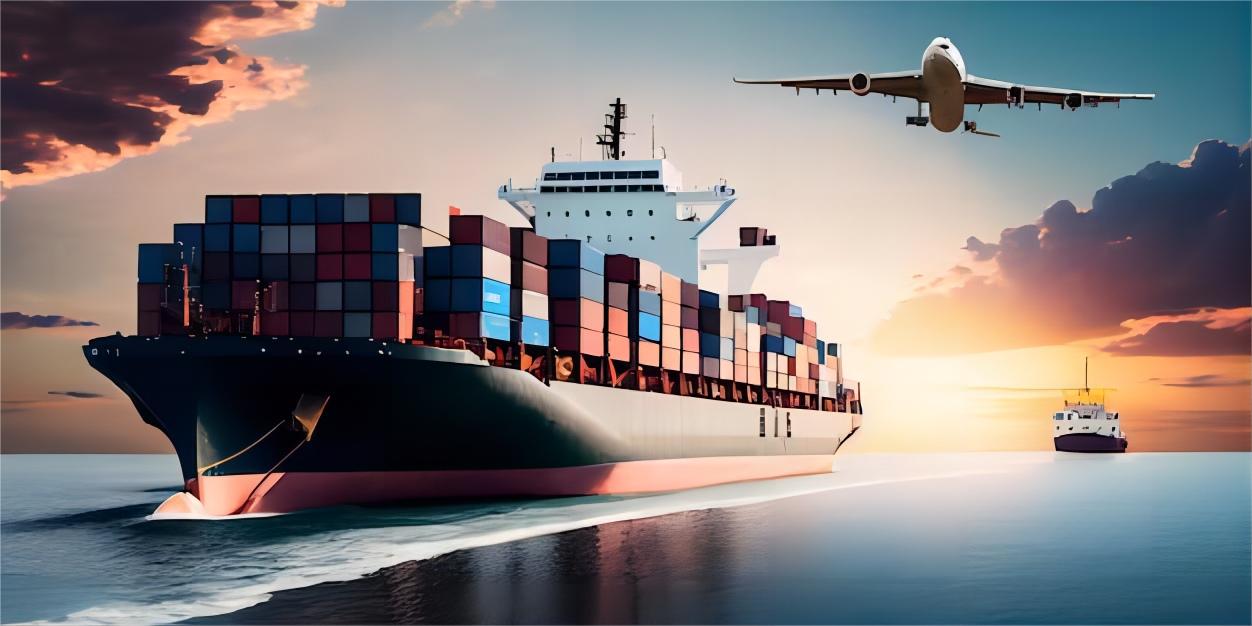
Moreover, the choice between different transport modes significantly impacts your overall logistics budget. While ocean freight offers the most economical solution for bulk goods, air cargo provides the speed necessary for high-value electronics or urgent inventory. Understanding these trade-offs is essential for optimizing your landed cost and ensuring timely delivery to Mexican distribution centers.
Additionally, local factors in Mexico, such as inland transportation costs from Manzanillo or Lazaro Cardenas, can add unexpected expenses. Therefore, calculating the total door-to-door price rather than just the port-to-port rate is a more accurate way to manage your finances. Industry average for this route suggests that transparency in pricing is key to avoiding hidden fees during the customs process.
How Does Sea Freight Compare to Other Shipping Options?
When evaluating sea freight as your primary shipping method, it is important to compare it against faster but more expensive alternatives. For shipments exceeding 15 cubic meters, ocean transport is almost always the most cost-effective choice compared to air or express services. However, the longer transit time requires more advanced planning to avoid stockouts during peak shopping seasons in Mexico.
In contrast, hybrid solutions like sea-air combinations have gained popularity in early 2026 for those seeking a middle ground. These strategies involve shipping by sea to a hub like Los Angeles and then trucking or flying the goods into Mexico to bypass port congestion. Nevertheless, direct sea routes to Mexican Pacific ports remain the standard for most industrial and retail importers due to their reliability.
According to industry benchmarks, the cost difference between FCL and LCL can be significant depending on your total volume. For instance, a full container might cost less per unit than multiple smaller shipments handled through consolidation. We recommend analyzing your monthly volume to determine if switching from LCL to FCL could save your business thousands of dollars annually.
| Method | Cost Range | Transit Time | Best For |
|---|---|---|---|
| Sea Freight (FCL) | $3,200 – $4,800 | 20-30 Days | Bulk Goods |
| Air Freight | $6.50 – $9.00/kg | 5-8 Days | High Value |
| Express Service | $10.00 – $15.00/kg | 3-5 Days | Samples/Urgent |
| LCL Shipping | $80 – $150/CBM | 25-35 Days | Small Volumes |
Is Air Freight the Right Choice for Your Mexico Shipments?
Utilizing air freight is often the preferred strategy for time-sensitive cargo such as fashion items or perishable goods. Although the rates are considerably higher than ocean transport, the reduction in lead time can provide a competitive advantage in the Mexican market. Furthermore, air cargo offers higher security and a lower risk of damage for fragile or sensitive equipment.
Market data suggests that air freight rates from China to Mexico City or Guadalajara have stabilized in 2026 after the fluctuations of previous years. Consequently, many businesses now use air transport for their initial product launches before transitioning to sea freight for replenishment. This approach allows for faster market entry while managing long-term shipping costs effectively.
Typical rates as of early 2026 for air shipments vary based on the weight-to-volume ratio of your cargo. For example, lightweight but bulky items may be charged based on volumetric weight rather than actual weight. Therefore, optimizing your packaging to reduce empty space is one of the most effective ways to lower your air cargo expenses.
Understanding Container Pricing: 20GP vs 40HQ
Choosing the right container size is a critical decision that directly affects your shipping rates china to Mexico. A 20GP container is suitable for heavy, dense cargo like machinery parts, while a 40HQ is ideal for lighter, voluminous goods like furniture or toys. In many cases, the price difference between a 40GP and a 40HQ is minimal, making the taller container a better value for most importers.
Based on current market rates, ocean freight for a 40HQ container from Ningbo to Manzanillo currently ranges between $3,800 and $4,500. Meanwhile, a 20GP container on the same route might cost between $2,800 and $3,400 depending on the carrier and season. It is important to note that these prices usually exclude destination charges and Mexican import duties.
Note: Freight rates are subject to change based on fuel costs, carrier capacity, and seasonal demand. Contact us for a current quote tailored to your specific shipment.
| Container Type | Shenzhen to Manzanillo | Shanghai to Lazaro | Ningbo to Ensenada |
|---|---|---|---|
| 20GP | $2,900 – $3,300 | $3,000 – $3,400 | $2,850 – $3,250 |
| 40GP | $3,700 – $4,200 | $3,800 – $4,300 | $3,650 – $4,100 |
| 40HQ | $4,000 – $4,600 | $4,100 – $4,700 | $3,950 – $4,550 |
The Role of Customs Brokerage in Mexico Logistics
Navigating the Mexican customs environment requires specialized knowledge of local laws and tax structures. Engaging a professional customs brokerage service is often the best way to prevent costly delays at the border. Mexican customs officials are known for strict documentation requirements, and even minor errors can lead to significant fines or cargo seizures.
Indeed, the complexity of Mexican import regulations means that having the correct NOM certifications and tax ID (RFC) is mandatory for all commercial shipments. Furthermore, your broker will help you determine the correct HTS codes for your products to ensure you pay the accurate amount of duties and IVA. This proactive approach minimizes the risk of audits and ensures a smooth transition from the port to your warehouse.
As of Q1 2026, freight rates from China to Mexico have stabilized, but administrative costs related to compliance have slightly increased. Consequently, budgeting for these service fees is just as important as the freight itself. To summarize, a reliable broker is an investment that protects your supply chain from legal and financial disruptions.
Should You Choose Door to Door Shipping to Mexico?
For many small to medium-sized enterprises, door to door shipping offers the most convenient way to manage international trade. This service covers every step of the journey, from the factory in China to the final destination in Mexico City, Monterrey, or Cancun. By bundling all services into a single rate, you can simplify your accounting and reduce the time spent coordinating with multiple vendors.
On the other hand, larger corporations with established logistics departments might prefer port-to-port arrangements to maintain more control over each segment. However, for those new to the Mexican market, a DDP (Delivered Duty Paid) service can remove the burden of handling import taxes and local trucking. This is particularly beneficial for e-commerce sellers who need to get products to customers quickly and without hassle.
Moreover, if you are selling on online platforms, using a specialized Amazon FBA shipping service ensures your goods meet all labeling and palletization requirements. This prevents rejections at the fulfillment center and keeps your seller metrics high. Ultimately, the decision between door-to-door and port-to-port depends on your internal resources and desired level of involvement.

Which Option Should You Choose? Decision Framework
Selecting the right shipping method involves prioritizing your business needs based on budget, speed, and cargo volume. If your primary goal is cost reduction and you have a flexible timeline, sea freight is the clear winner for large shipments. Conversely, if you are dealing with a stockout or a high-priority contract, the higher cost of air freight is a necessary trade-off to maintain customer satisfaction.
Budget priority: Recommend Sea Freight (FCL) for orders over 15 CBM or LCL for smaller batches. This minimizes the shipping rates china to Mexico per unit. Speed priority: Recommend Air Freight or Express for delivery within 3-7 days. Cargo type considerations: Recommend specialized handling for hazardous materials or oversized machinery.
Volume thresholds for switching methods: Once your LCL shipment reaches 12-15 CBM, it is often more economical to book a full 20GP container. This switch not only reduces the cost per cubic meter but also decreases the handling of your goods, lowering the risk of damage. Always consult with your freight forwarder to find the current ‘tipping point’ based on the latest 2026 market data.
Real Case Studies: Shipping from China to Mexico
Case Study 1: Electronics Shipment to Manzanillo
Route: Shenzhen, China to Manzanillo, Mexico. Cargo: Consumer electronics, 68 CBM, 14,000 kg. Container: 40HQ. Shipping Details: Direct service via major carrier. Port of Loading: Shenzhen. Port of Discharge: Manzanillo.
Cost Breakdown: Ocean Freight: $4,250. Origin Charges: $450. Destination Charges: $600. Customs and Duties: $1,200. Total Landed Cost: $6,500. Timeline: Booking to Loading: 4 days. Sea Transit: 22 days. Customs Clearance: 3 days. Total Door-to-Door: 29 days.
Key Insight: By booking three weeks in advance, the client secured a rate 15% lower than the peak season average in early 2026. This case highlights the importance of early booking for large FCL shipments.
Case Study 2: Industrial Parts via LCL
Route: Ningbo, China to Mexico City, Mexico. Cargo: Spare machine parts, 4 CBM, 1,200 kg. Shipping Method: LCL with inland trucking. Port of Loading: Ningbo. Port of Discharge: Lazaro Cardenas.
Cost Breakdown: Ocean Freight: $480. Origin Charges: $150. Destination Charges: $320. Inland Trucking: $250. Total Landed Cost: $1,200. Timeline: Sea Transit: 28 days. Customs: 4 days. Inland Delivery: 2 days. Total Door-to-Door: 34 days.
Key Insight: Using a consolidated service allowed the small business to import critical parts without the expense of a full container. The use of Lazaro Cardenas helped avoid the heavier congestion often found at Manzanillo.
Mastering Your Mexico Shipping Strategy in 2026
To summarize, successfully managing shipping rates china to Mexico requires a balanced approach that considers transit times, customs compliance, and the specific needs of your cargo. Whether you choose the cost-efficiency of sea freight or the rapid delivery of air cargo, working with an experienced logistics partner is essential for navigating the complexities of international trade.
As market conditions continue to evolve in 2026, staying informed about industry trends and maintaining a flexible logistics strategy will be your greatest assets. By applying the insights and case studies provided in this guide, you can make data-driven decisions that enhance your profitability and ensure your goods reach the Mexican market on schedule. Remember to always request a current quote to account for the latest market fluctuations.
Need a tailored shipping solution?
Ready to optimize your supply chain and secure the best shipping rates china to Mexico for your next shipment? Our expert team is standing by to provide you with a comprehensive quote and tailored logistics strategy for 2026. Contact us today to learn how we can streamline your imports and reduce your overhead costs. Visit our inquiry page to get started.

Frequently Asked Questions
What is the cheapest way to ship from China to Mexico?
Sea freight is the most economical method for large shipments. For volumes under 15 CBM, LCL shipping is usually the cheapest, while FCL is better for larger orders.
How long does shipping take from China to Mexico in 2026?
Sea transit typically takes 20-30 days to Pacific ports. Air freight takes 5-8 days, while express services can deliver in as little as 3-5 days.
Do I need a customs broker for Mexican imports?
Yes, Mexican law requires a licensed customs broker for most commercial imports to ensure compliance with tax laws and NOM certifications.
What are the main ports in Mexico for Chinese cargo?
Manzanillo and Lazaro Cardenas are the primary Pacific ports. Ensenada is also used for shipments destined for the northern border regions.
How are air freight rates calculated to Mexico?
Rates are based on either actual weight or volumetric weight, whichever is greater. This is calculated using the formula: (Length x Width x Height) / 6000.
Can I ship Amazon FBA goods directly from China to Mexico?
Yes, specialized FBA services handle labeling, palletization, and delivery directly to Mexican fulfillment centers while managing customs clearance.
What documents are required for shipping to Mexico?
Essential documents include the commercial invoice, packing list, bill of lading, and specific NOM certificates required for your product category.
Are there seasonal price increases for Mexico shipping?
Yes, rates typically rise by 15-25% during the peak season from August to October as retailers prepare for end-of-year holidays.