

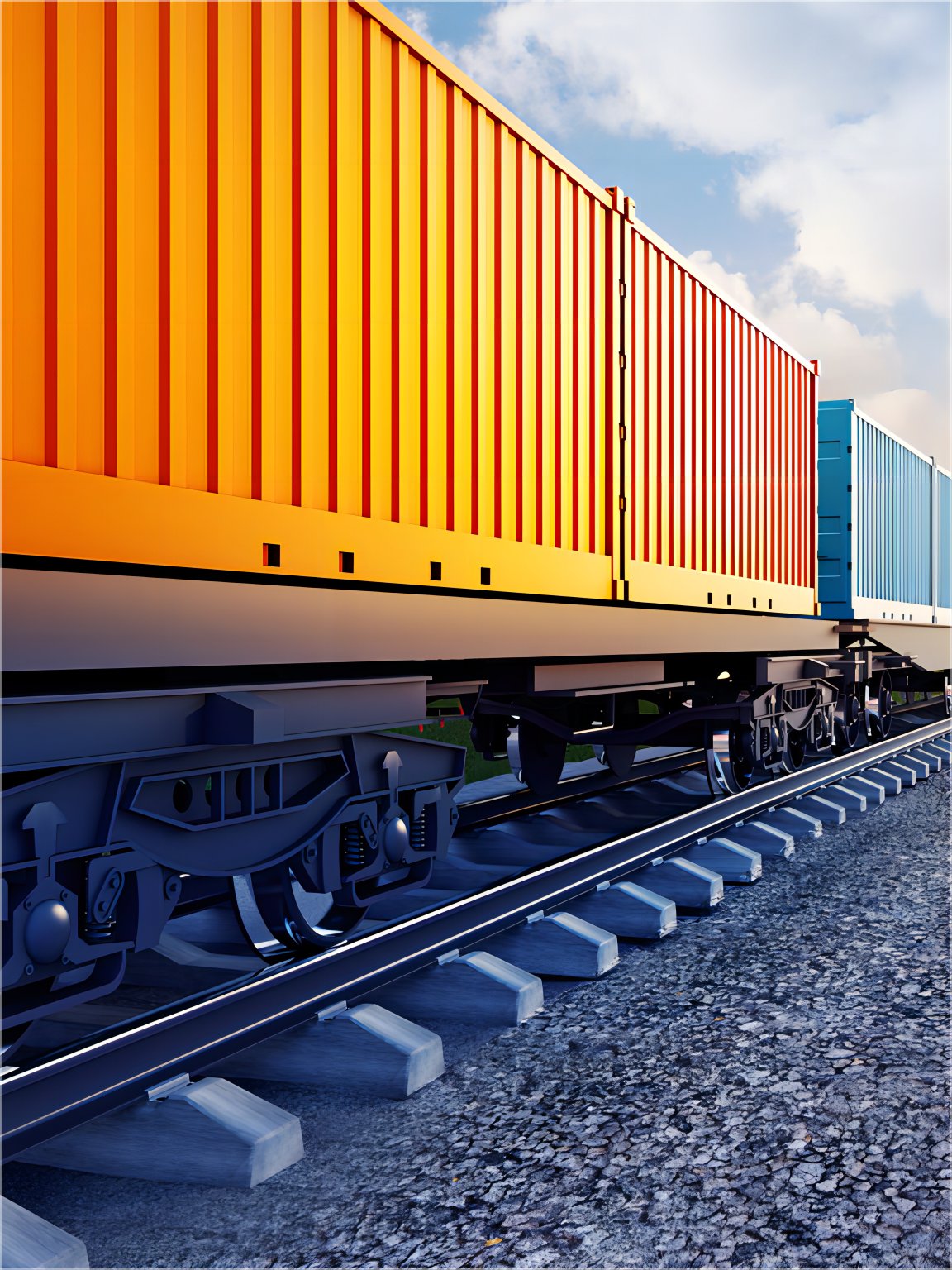
Freight Forwarder China to Brazil: 2026 Shipping Guide and Costs
Finding a reliable freight forwarder China to Brazil is the primary step toward achieving successful international trade outcomes in 2026. Our experienced team at AI Logistics China simplifies the complex process of moving commercial goods across the vast distances between these two economic powerhouses. Consequently, businesses can focus on their core growth strategies while we handle the intricacies of global supply chains and Brazilian import regulations. Navigating the logistics landscape requires deep expertise in both Chinese export procedures and the notoriously complex Brazilian customs environment.
What Are the Primary Shipping Methods from China to Brazil?
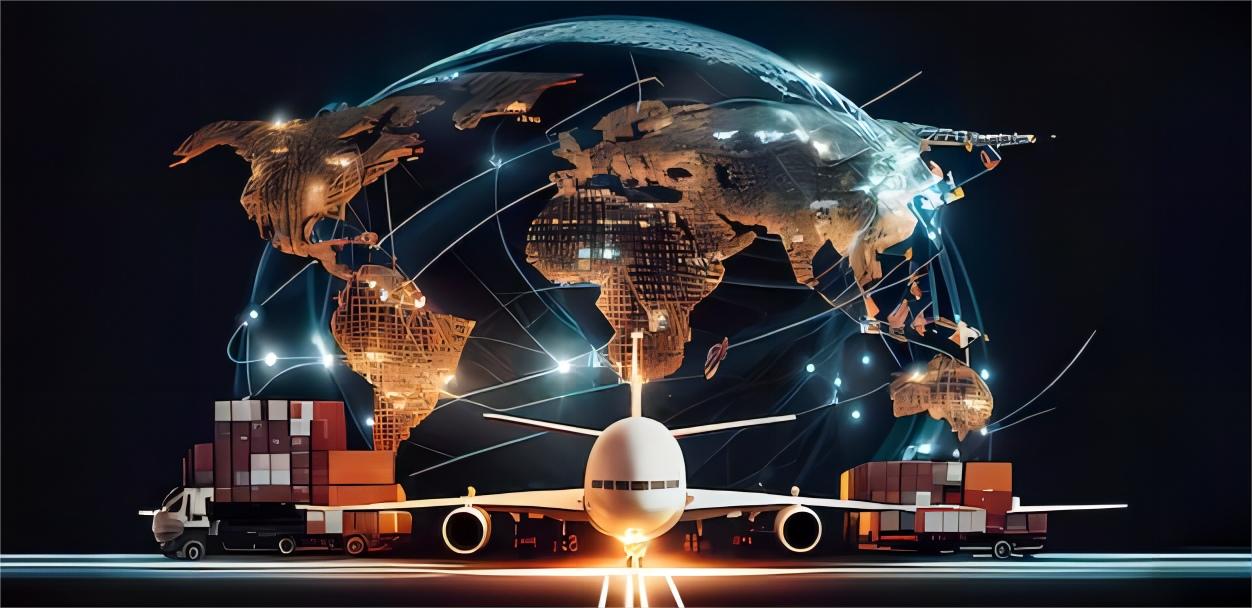
Shipping options for the China-Brazil route primarily involve ocean and air transport due to the immense geographical distance. Most importers prefer sea freight for large-scale shipments because it offers the most cost-effective solution for heavy machinery and bulk commodities. In contrast, air transport serves businesses that require rapid replenishment of high-value inventory or urgent spare parts.
Selecting the right method depends heavily on your specific budget constraints and delivery schedule requirements. Furthermore, the nature of your cargo plays a significant role in determining whether a standard container or a specialized air pallet is necessary. Each method carries distinct advantages that can either streamline your supply chain or increase your operational overhead if chosen incorrectly.
Moreover, the logistics trends of 2026 suggest a shift toward more integrated solutions that combine different transport modes. For instance, some companies now utilize multi-modal options to bypass port congestion in major Brazilian hubs like Santos. Understanding these nuances helps you make an informed decision when partnering with a freight forwarder China to Brazil.
How Does Sea Freight Compare to Other Shipping Options?
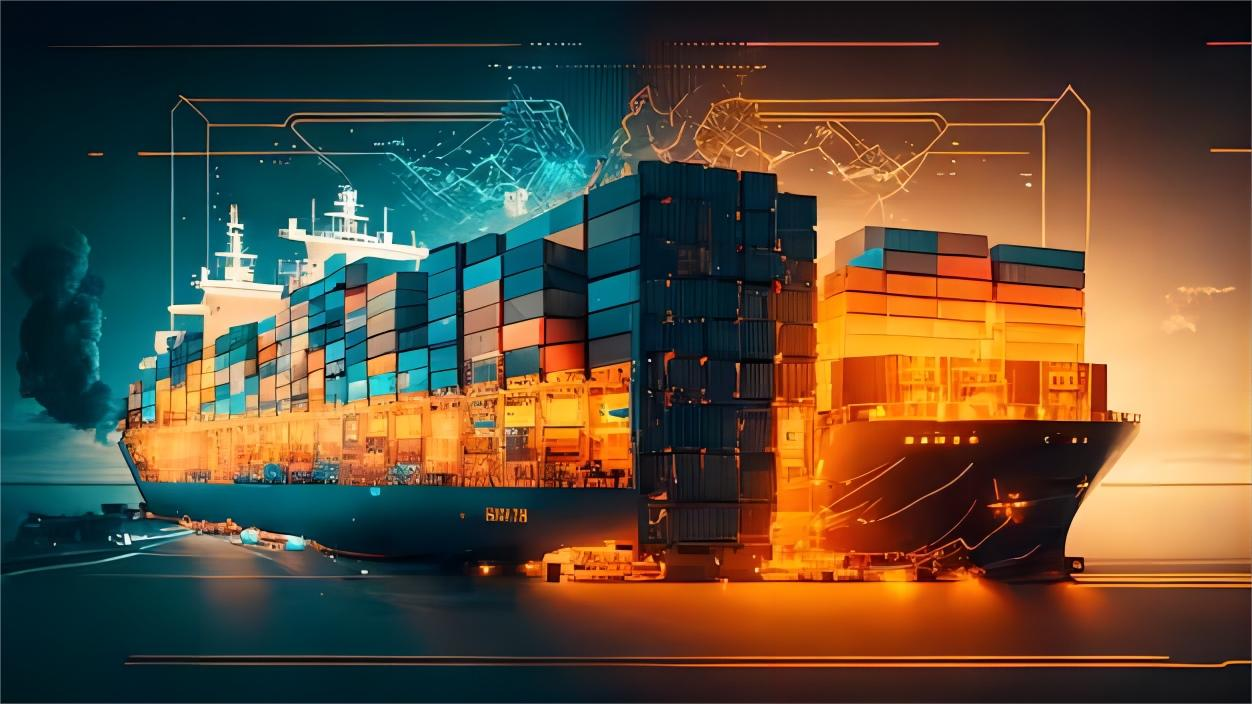
Comparing sea freight to air or express services reveals significant differences in both lead times and total landed costs. While ocean transport is significantly slower, it allows for the movement of massive volumes that would be financially impossible via aircraft. Consequently, it remains the backbone of the trade relationship between China and South America.
On the other hand, air freight provides a level of security and speed that ocean carriers simply cannot match. If you are shipping electronics or fashion items with short lifecycles, the higher cost of air transport is often justified by the reduced time to market. Additionally, sea freight is subject to more environmental variables, such as weather conditions and port strikes, which can disrupt your delivery schedule.
Without a doubt, the choice between FCL and LCL within sea freight also impacts your overall strategy. Full Container Load (FCL) offers better security and faster handling at the port of discharge. Conversely, Less than Container Load (LCL) allows smaller businesses to share space and costs, making it a flexible entry point for new importers.
| Shipping Method | Cost Range (Approx) | Transit Time | Best For | Limitations |
|---|---|---|---|---|
| Sea Freight (FCL) | $3,500 – $6,000 per 40HQ | 35 – 50 Days | Bulk goods, heavy machinery | Long transit times |
| Sea Freight (LCL) | $80 – $150 per CBM | 45 – 55 Days | Small volumes, startups | Higher risk of damage |
| Air Freight | $6.00 – $12.00 per kg | 5 – 10 Days | High-value, urgent items | Very high cost |
| Express Service | $10.00 – $18.00 per kg | 3 – 7 Days | Samples, documents | Strict weight limits |
Which Option Should You Choose for Your Business?
Determining the best shipping strategy requires a clear assessment of your priority between speed and cost. If your primary goal is to minimize shipping costs, ocean transport is the undisputed winner for almost all commercial cargo types. However, if your business model relies on just-in-time inventory, the speed of air freight becomes a necessity rather than a luxury.
Volume thresholds often dictate when it is time to switch from LCL to FCL shipments. Typically, once your cargo exceeds 15 cubic meters, booking a full 20-foot container becomes more economical than paying for individual space. This transition not only saves money but also reduces the handling of your goods, thereby lowering the risk of transit damage.
Cargo type considerations are equally important when evaluating your logistics options. Hazardous materials or oversized industrial equipment might require specialized vessels that only operate on specific sea routes. Always consult with your freight forwarder China to Brazil to ensure your specific product category complies with international maritime and aviation safety standards.
Understanding Customs Brokerage and Import Regulations in Brazil
Navigating Brazilian customs is widely considered one of the most challenging aspects of international trade due to the ‘Custo Brasil’ or Brazilian Cost. Indeed, the complex tax structure, including IPI, ICMS, and PIS/COFINS, requires a knowledgeable customs brokerage partner. Failure to provide accurate documentation can lead to severe fines or the total seizure of your cargo.
Documentation requirements for Brazil are strict and often include the original Bill of Lading, Commercial Invoice, and Packing List. Additionally, certain products require an Import License (LI) which must be obtained before the goods depart from China. Professional freight forwarders ensure that all paperwork is meticulously checked to prevent costly delays at the Port of Santos or Guarulhos Airport.
Moreover, the Brazilian government frequently updates its trade policies and tariff rates to protect local industries. Staying informed about these changes is vital for maintaining your profit margins and ensuring a smooth import process. Consequently, working with a logistics provider that has a local presence in Brazil offers a significant competitive advantage.
How Much Does a Freight Forwarder China to Brazil Cost in 2026?
Freight rates for the China to Brazil route have experienced moderate fluctuations as of early 2026. Ocean freight costs are currently influenced by global fuel prices and the availability of empty containers in major Chinese ports like Ningbo and Shanghai. On average, a 40-foot high cube container ranges between $3,800 and $5,500 depending on the season and carrier demand.
Air freight pricing remains sensitive to jet fuel surcharges and seasonal peaks, particularly during the lead-up to the holiday season in Brazil. You should expect to pay significantly more during the third quarter of the year when demand for consumer electronics spikes. Therefore, planning your shipments well in advance can lead to substantial savings on your total logistics budget.
Note: Freight rates are subject to change based on fuel costs, carrier capacity, and seasonal demand. Contact us for a current quote tailored to your specific shipment. Market data suggests that rates typically increase by 15-25% during the August to October peak season.
| Route | 20GP Container | 40HQ Container | Transit Time (Sea) |
|---|---|---|---|
| Shanghai to Santos | $2,800 – $3,500 | $4,200 – $5,200 | 38 – 42 Days |
| Shenzhen to Paranagua | $2,900 – $3,600 | $4,300 – $5,400 | 40 – 45 Days |
| Ningbo to Itajai | $3,000 – $3,800 | $4,500 – $5,800 | 42 – 48 Days |
| Qingdao to Rio de Janeiro | $2,750 – $3,400 | $4,100 – $5,100 | 45 – 50 Days |
Why You Need a Door to Door Service for Brazilian Logistics
Utilizing a door to door service eliminates the stress of managing multiple vendors across different continents. This comprehensive solution covers everything from the initial pickup at the factory in China to the final delivery at your warehouse in Sao Paulo or Curitiba. As a result, you gain a single point of contact and much better visibility over your entire shipment’s progress.
Inland transportation within Brazil can be just as complex as the international leg of the journey due to infrastructure challenges. A professional freight forwarder China to Brazil will manage the local trucking and distribution, ensuring that your goods are handled safely after they clear customs. This end-to-end management reduces the likelihood of communication breakdowns and unexpected local charges.
Furthermore, for e-commerce sellers, our Express Service options can be integrated into a door-to-door model for smaller parcels. This allows for rapid scaling without the need for a massive local logistics infrastructure. Indeed, the convenience of a managed door-to-door solution often outweighs the slightly higher service fees involved.
Real Case Studies: Successful Shipments to Brazil
Case Study 1: Solar Panel Distribution Route: Ningbo, China to Santos, Brazil Cargo: Solar Panels, 65 CBM, 18,000 kg Container: 2 x 40HQ Shipping Details: – Carrier: COSCO Shipping – Port of Loading: Ningbo-Zhoushan – Port of Discharge: Santos – Route Type: Direct Cost Breakdown: – Ocean Freight: $9,200 – Origin Charges: $650 – Destination Charges: $1,100 – Customs & Duties: $4,500 (Estimated) – Total Landed Cost: $15,450 Timeline: – Booking to Loading: 5 days – Sea Transit: 39 days – Customs Clearance: 6 days – Total Door-to-Door: 50 days Key Insight: Early booking during the 2026 Q1 period allowed the client to lock in lower rates before the seasonal price hike.
Case Study 2: Automotive Spare Parts Route: Shanghai, China to Paranagua, Brazil Cargo: Engine Components, 8 CBM, 2,400 kg Container: LCL Shipment Shipping Details: – Carrier: Major LCL Consolidator – Port of Loading: Shanghai – Port of Discharge: Paranagua – Route Type: Transshipment via Singapore Cost Breakdown: – Ocean Freight: $1,120 – Origin Charges: $280 – Destination Charges: $450 – Customs & Duties: $1,800 – Total Landed Cost: $3,650 Timeline: – Booking to Loading: 4 days – Sea Transit: 48 days – Customs Clearance: 8 days – Total Door-to-Door: 60 days Key Insight: Using a transshipment route via Singapore saved the client 15% in freight costs compared to direct services, though it added 7 days to the total transit time.
What Are the Most Effective Cost-Saving Strategies for 2026?
Reducing your logistics expenses requires a combination of smart planning and strategic partnerships. One of the most effective ways to save money is to optimize your packaging to fit as much product as possible into a single container. Consequently, you reduce the ‘dead space’ you are paying for and lower your cost per unit significantly.
Consolidating shipments from multiple Chinese suppliers into a single FCL container is another powerful strategy. Instead of paying for several expensive LCL shipments, your freight forwarder China to Brazil can gather all goods at a central warehouse before shipping them together. This approach not only saves on freight costs but also simplifies the customs clearance process at the destination.
Additionally, choosing off-peak shipping times can lead to massive savings. If your inventory levels allow for it, avoid shipping in the weeks immediately preceding Chinese New Year or during the Brazilian ‘Golden Week’ equivalents. During these times, carriers often implement peak season surcharges that can inflate your costs by thousands of dollars.
Final Thoughts on Choosing a Freight Forwarder China to Brazil
To summarize, selecting a professional freight forwarder China to Brazil is essential for navigating the complexities of 2026 international logistics. By understanding the differences between sea and air freight, you can align your shipping strategy with your business goals and budget. Moreover, paying close attention to Brazilian customs regulations will prevent unnecessary delays and financial penalties.
Without a doubt, the right logistics partner provides more than just transport; they offer the market intelligence needed to thrive in a competitive global environment. Whether you are shipping large industrial machinery via ocean freight or urgent consumer goods via air, efficiency remains the key to profitability. Start optimizing your supply chain today to ensure your products reach the Brazilian market safely and on time.

Need a tailored shipping solution?
Streamline your international trade today by partnering with a dedicated freight forwarder China to Brazil. Contact our team at AI Logistics China for a personalized quote and expert guidance on your next shipment. Visit our website to Send Inquiry and start your shipping journey now.
Frequently Asked Questions
How long does it take to ship from China to Brazil by sea?
What is the most expensive part of importing to Brazil?
Do I need an import license for all goods in Brazil?
Is air freight from China to Brazil worth the cost?
Which Chinese ports have the most frequent departures to Brazil?
Can a freight forwarder help with Brazilian customs?
What is the difference between FCL and LCL for Brazil?
How are freight rates to Brazil calculated in 2026?