

Shipping Quote China to Italy: 2026 Comprehensive Freight Guide
Securing a reliable shipping quote China to Italy is essential for businesses navigating the complex trade lanes of 2026. At ailogisticschina.com, we understand that fluctuating fuel prices and evolving trade regulations require precise logistics planning. Consequently, this guide provides the necessary insights to optimize your supply chain and reduce overall landed costs.
How to Obtain an Accurate Shipping Quote China to Italy?
Requesting a shipping quote China to Italy requires detailed information regarding your cargo dimensions, weight, and specific commodity type. Moreover, you must specify the exact origin city in China and the final destination in Italy to ensure all local drayage fees are included.
Freight forwarders typically need to know if you require port-to-port or door-to-door services to provide a comprehensive breakdown. Furthermore, including the Harmonized System (HS) code helps in estimating potential customs duties and taxes early in the process.
Market conditions in early 2026 suggest that providing a 14-day window for your shipment allows for more competitive bidding among carriers. Therefore, early preparation remains the most effective strategy for securing lower freight rates during peak seasons.
What Factors Determine Your Shipping Costs in 2026?
Several variables influence the final price you see on a shipping quote China to Italy, ranging from global oil prices to seasonal demand spikes. Additionally, the choice of equipment, such as a 20GP or 40HQ container, significantly impacts the base ocean freight rate.
Port congestion and labor availability in major Italian hubs like Genoa or Trieste can also lead to unexpected surcharges. Meanwhile, currency fluctuations between the Euro and the Yuan may affect the total cost of local services and documentation fees.
Insurance and cargo handling fees are often overlooked but represent a vital portion of the total logistics budget. Consequently, it is wise to review these line items carefully when comparing multiple quotes from different providers.
| Cost Category | Impact Level | Description | Mitigation Strategy |
|---|---|---|---|
| Fuel Surcharges | High | Variable based on BAF | Lock in rates early |
| Peak Season | Medium | August to October spikes | Ship during off-peak |
| Customs Duties | Variable | Based on HS code | Pre-verify documentation |
| Port Fees | Low | Loading/Discharge costs | Choose efficient ports |
How Does Sea Freight Compare to Other Shipping Options?
Analyzing the differences between transport modes is crucial for selecting the right balance between speed and expenditure. While sea freight remains the most cost-effective solution for high-volume goods, it offers the longest transit times.
Alternative strategies involve utilizing rail or air transport depending on the urgency of the inventory replenishment. For example, high-value electronics often justify the higher expense of air transport to minimize capital tied up in transit.
Hybrid solutions, such as sea-air via Middle Eastern hubs, have gained popularity in 2026 for balancing costs and delivery schedules. However, these require sophisticated cargo handling and seamless transshipment coordination.
| Shipping Method | Cost Range | Transit Time | Best For |
|---|---|---|---|
| Sea Freight (FCL) | $2,500 – $4,200 | 30 – 40 Days | Bulk / Large Cargo |
| Air Freight | $4.50 – $8.50/kg | 5 – 8 Days | Urgent / High Value |
| Rail Freight | $1,800 – $2,800 | 18 – 25 Days | Mid-sized Shipments |
| Express | $9.00 – $15.00/kg | 3 – 5 Days | Small Parcels |
Air Freight: Speed and Reliability for Urgent Cargo
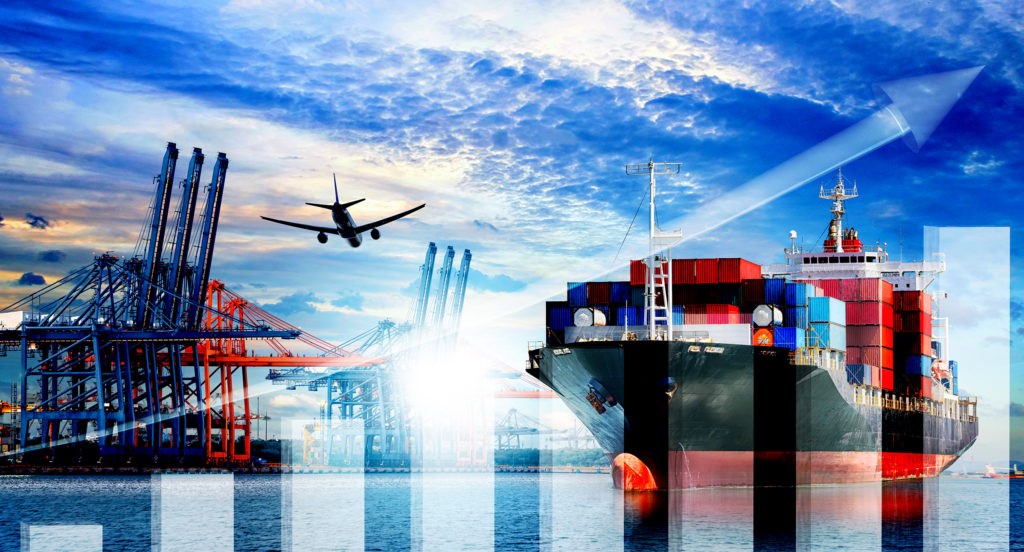
Choosing air freight is the optimal decision when your supply chain demands rapid turnaround times. Indeed, air transport provides the highest level of security and the lowest risk of damage for sensitive cargo.
Freight rates for air cargo are calculated based on either actual weight or volumetric weight, whichever is greater. Additionally, frequent flight schedules from major Chinese airports like Shanghai Pudong ensure consistent delivery schedules to Milan Malpensa or Rome Fiumicino.
Environmental regulations in 2026 have introduced carbon surcharges on certain air routes, which should be reflected in your shipping quote China to Italy. Nevertheless, the time saved often outweighs these incremental costs for time-sensitive product launches.
Rail Freight: The Sustainable Middle Ground
Utilizing rail freight offers a strategic advantage for businesses seeking a compromise between the speed of air and the economy of sea. The China-Europe Railway Express has become a cornerstone of modern logistics trends in 2026.
Transit times for rail shipments typically range from 18 to 25 days, making it ideal for seasonal apparel or industrial machinery. Moreover, rail transport produces significantly lower carbon emissions compared to air freight, appealing to eco-conscious importers.
Security on rail routes has improved vastly, with advanced GPS tracking and temperature-controlled containers now widely available. Consequently, more companies are including rail as a standard component of their diversified shipping strategy.
Customs Brokerage and Import Requirements in Italy
Navigating the Italian customs landscape requires professional customs brokerage to avoid costly delays at the border. Italy, as part of the EU, adheres to strict Union Customs Code (UCC) regulations regarding safety and environmental standards.
Documentation such as the Commercial Invoice, Packing List, and Bill of Lading must be meticulously prepared to ensure smooth clearance. In addition, certain products may require specific CE marking or health certificates depending on their intended use.
Errors in classification can result in heavy fines or the seizure of goods by the Agenzia delle Dogane. Therefore, working with an experienced partner ensures that your shipping quote China to Italy includes all necessary compliance checks.
Door to Door Logistics Solutions for Italian Importers
Opting for door to door service simplifies the entire import process by consolidating all logistics stages into a single contract. This approach eliminates the need for the importer to manage multiple carriers and local delivery agents.
Comprehensive quotes for door-to-door services include export clearance in China, international freight, and final mile delivery in Italy. Furthermore, this model provides better visibility and tracking, as one provider maintains accountability for the entire journey.
Small and medium enterprises often find this service particularly beneficial as it reduces the administrative burden of international trade. Indeed, the convenience of a single point of contact often translates to significant time savings for business owners.
Realistic Case Studies for 2026
Examining real-world scenarios helps in understanding how a shipping quote China to Italy translates into actual logistics performance. Below are three examples based on current market data and typical shipping requirements.
Case Study 1: Electronics from Shenzhen to Milan Route: Shenzhen -> Milan, Italy Cargo: High-end tablets, 5 CBM, 1,200 kg Method: Air Freight Ocean Freight: N/A Origin Charges: $250 Destination Charges: $320 Customs & Duties: $1,400 Total Landed Cost: $11,500 Timeline: 6 days door-to-door Key Insight: Speed was prioritized to meet a product launch deadline.
Case Study 2: Furniture from Ningbo to Genoa Route: Ningbo -> Genoa, Italy Cargo: Home furniture, 1 x 40HQ Container Method: Sea Freight (FCL) Ocean Freight: $3,850 Origin Charges: $450 Destination Charges: $600 Customs & Duties: $2,100 Total Landed Cost: $7,000 Timeline: 38 days port-to-door Key Insight: FCL provided the lowest per-unit cost for bulky items.
Case Study 3: Industrial Parts from Wuhan to Rome Route: Wuhan -> Rome, Italy Cargo: Spare parts, 10 CBM, 3,000 kg Method: Rail Freight (LCL) Ocean Freight: $2,200 Origin Charges: $350 Destination Charges: $480 Customs & Duties: $950 Total Landed Cost: $3,980 Timeline: 22 days terminal-to-door Key Insight: Rail offered a 40% time saving over sea at a manageable cost increase.
Which Option Should You Choose?
Choosing the right method depends on your specific business priorities, whether they are budget-driven or time-sensitive. If your primary goal is cost reduction and your lead times allow for it, sea freight remains the undisputed leader for large volumes.
Speed priority necessitates air freight, particularly for perishable goods or high-value items where market timing is critical. Meanwhile, cargo type considerations might lead you toward rail if you require a balance of reliability and environmental sustainability.
Volume thresholds also play a role; for instance, shipments exceeding 15 CBM often justify a full 20GP container rather than LCL sea freight. Consequently, analyzing your typical order size helps in determining the most efficient shipping strategy for the long term.
Final Thoughts on Shipping from China to Italy
Navigating the logistics landscape in 2026 requires a proactive approach to obtaining a shipping quote China to Italy. By understanding the various transport modes and cost drivers, you can make informed decisions that protect your profit margins.
Whether you choose sea, air, or rail, the key to success lies in detailed planning and selecting the right logistics partner. Start your journey today by requesting a comprehensive quote tailored to your specific cargo needs.

Start Your Shipment
Request your personalized shipping quote China to Italy today to secure the most competitive 2026 rates. Our team of logistics experts is ready to optimize your route and handle all customs complexities. Contact us now to streamline your international trade operations.
Frequently Asked Questions
How long does sea freight take from China to Italy?
What is the cheapest way to ship small volumes?
Are there rail connections between China and Italy?
Do I need a customs broker in Italy?
What documents are required for Italy imports?
Does the shipping quote include insurance?
How are air freight costs calculated?
Can I ship hazardous materials to Italy?