


Shipping Cost China to Italy: 2026 Freight Rates and Guide
Navigating the complexities of international trade requires a clear understanding of the shipping cost china to Italy to maintain healthy profit margins. As global markets evolve in 2026, businesses must adapt to shifting logistics trends and fluctuating fuel prices. Choosing a reliable partner like DSV-Freight ensures that your supply chain remains efficient and cost-effective throughout the year. This comprehensive guide provides the data you need to make informed decisions for your next shipment.
What Factors Determine the Shipping Cost China to Italy?
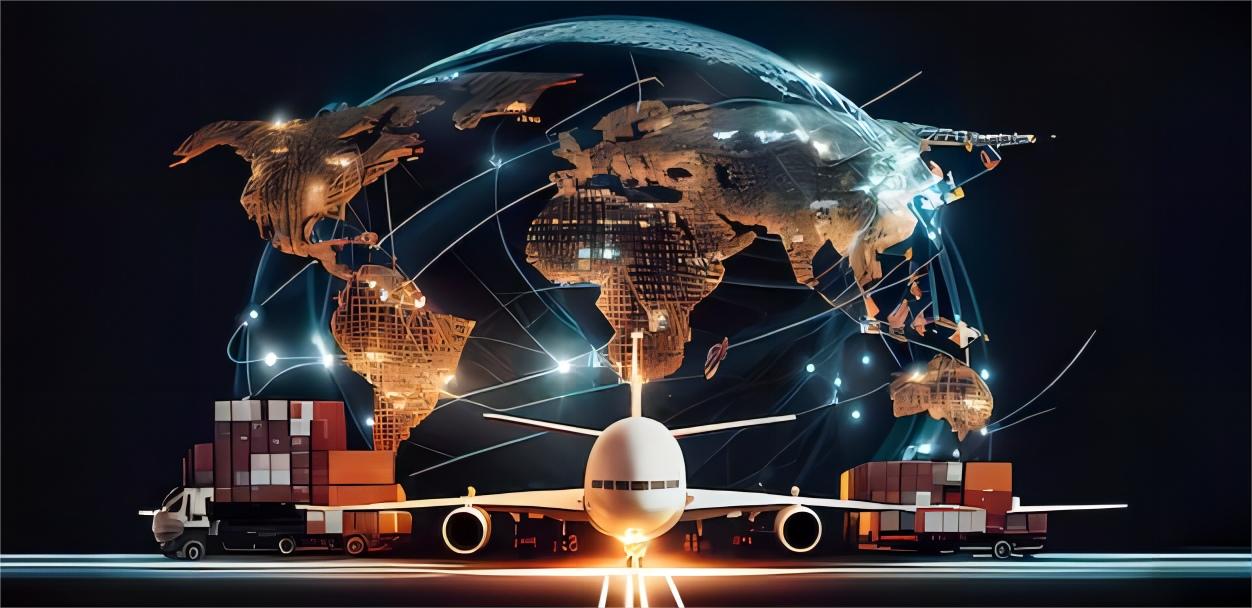
Determining the exact shipping cost china to Italy involves evaluating several dynamic variables that change based on market demand. Fuel surcharges, also known as BAF, represent a significant portion of the total expense as oil prices fluctuate in 2026. Furthermore, the distance between the specific loading port in China and the discharge port in Italy directly impacts the final quote.
Seasonal demand often causes rates to spike during the peak periods of August through October and before the Lunar New Year. Consequently, importers who plan their shipments during off-peak months can often secure much lower freight prices. Additionally, the type of cargo and its weight-to-volume ratio will dictate which shipping method offers the best value for your specific needs.
Market Trends for 2026
Market intelligence suggests that freight rates have stabilized in early 2026 following the infrastructure improvements across major trade routes. However, global events can still trigger temporary capacity shortages that drive prices upward without much warning. Therefore, maintaining a flexible schedule is one of the most effective ways to manage your logistics budget effectively.
Sea Freight Options and Container Pricing
Ocean transport remains the most popular method for moving large volumes of goods due to its lower cost per unit. When considering sea freight, you must decide between Full Container Load (FCL) and Less than Container Load (LCL) shipments. Importers typically choose FCL when they have enough goods to fill a 20-foot or 40-foot container, providing better security and faster handling.
Moreover, LCL shipping allows smaller businesses to share container space with other shippers, paying only for the volume they occupy. While this reduces the base cost for small batches, the price per cubic meter is generally higher than FCL. Indeed, sea freight is the backbone of the China-Italy trade route, connecting ports like Shanghai and Shenzhen to Genoa and Trieste.
| Container Type | Avg Cost (2026) | Capacity | Best For |
|---|---|---|---|
| 20GP FCL | $1,900 – $2,600 | 28-30 CBM | Heavy machinery |
| 40HQ FCL | $3,200 – $4,500 | 76 CBM | High volume goods |
| LCL (per CBM) | $60 – $95 | 1-15 CBM | Small shipments |
Air Freight Services for Time-Sensitive Cargo
When speed is the primary priority, air freight offers the fastest transit times available for international trade. Although the shipping cost china to Italy is considerably higher via air, the reduction in inventory holding costs can justify the investment for high-value items. Electronics, fashion samples, and medical supplies frequently travel by air to meet tight market deadlines.
Standard air service usually takes between 5 to 8 days, whereas express options can deliver goods in as little as 3 days. Furthermore, the safety and security of air transport are superior to other modes, significantly reducing the risk of damage or theft. Nevertheless, businesses must weigh these benefits against the substantial premium paid for air cargo space.
Rail Freight: An Efficient Alternative for Italy
Rail transport has emerged as a reliable middle ground for companies seeking a balance between speed and cost. Utilizing rail freight allows cargo to move from inland Chinese hubs to Northern Italy in approximately 18 to 22 days. This method is roughly 50 percent faster than sea freight and significantly cheaper than air transport.
Additionally, rail shipping is considered a more environmentally friendly option compared to air and sea modes. As a result, many European companies are integrating rail into their green supply chain initiatives for 2026. Meanwhile, the stability of rail rates makes it easier for businesses to forecast their long-term shipping cost china to Italy accurately.
How Does Sea Freight Compare to Other Shipping Options?
Comparing different logistics modes is essential for optimizing your annual shipping budget. While sea freight offers the lowest price point, it requires the longest lead times, which may not suit every business model. In contrast, air freight provides rapid delivery but can cost five to ten times more than ocean transport.
Choosing the right method depends on your specific cargo volume, budget constraints, and delivery deadlines. For instance, a shipment of 500kg might be cost-prohibitive for sea freight due to minimum handling fees but perfectly suited for air cargo. Therefore, analyzing all available alternatives is a critical step in the procurement process.
| Method | Cost Range | Transit Time | Limitations |
|---|---|---|---|
| Sea Freight | Low | 30-40 Days | Slow transit |
| Air Freight | High | 3-7 Days | Weight limits |
| Rail Freight | Medium | 18-25 Days | Route fixed |
| Express | Very High | 2-5 Days | Expensive |
Real-World Case Studies for Italy Shipments
Case Study 1: FCL Shipment from Shenzhen to Genoa Route: Shenzhen, China to Genoa, Italy Cargo: Home Furniture, 68 CBM, 12,000 kg Container: 40HQ FCL Shipping Details: – Carrier: Major Ocean Carrier – Port of Loading: Shenzhen – Port of Discharge: Genoa – Route Type: Direct Cost Breakdown: – Ocean Freight: $3,450 – Origin Charges: $420 – Destination Charges: $550 – Customs & Duties: $1,200 – Total Landed Cost: $5,620 Timeline: – Booking to Loading: 4 days – Sea Transit: 32 days – Customs Clearance: 3 days – Total Door-to-Door: 39 days Key Insight: Booking 3 weeks in advance secured a rate 15 percent below the monthly average.
Case Study 2: Air Freight for Electronics from Shanghai to Milan Route: Shanghai, China to Milan, Italy Cargo: High-end Tablets, 1.5 CBM, 450 kg Container: LCL (Air Pallet) Shipping Details: – Carrier: International Air Cargo – Port of Loading: Shanghai Pudong – Port of Discharge: Milan Malpensa – Route Type: Direct Cost Breakdown: – Air Freight: $2,750 – Origin Charges: $150 – Destination Charges: $210 – Customs & Duties: $3,100 – Total Landed Cost: $6,210 Timeline: – Booking to Loading: 1 day – Air Transit: 2 days – Customs Clearance: 1 day – Total Door-to-Door: 4 days Key Insight: Using air freight allowed the client to meet a product launch deadline that sea freight would have missed by a month.

Which Option Should You Choose for Your Business?
Selecting the ideal shipping method requires a clear understanding of your business priorities. If your primary goal is to minimize the shipping cost china to Italy, sea freight is almost always the superior choice for bulk goods. Conversely, if you are handling perishable items or high-demand consumer electronics, the speed of air freight is worth the additional cost.
Volume thresholds also play a major role in this decision-making process. For shipments under 100kg, express services or air freight are often more economical than sea freight due to flat-rate processing fees. However, once your volume exceeds 2 CBM, sea freight begins to offer significant economies of scale that can drastically lower your landed cost.
Customs Duties and Import Regulations in Italy
Importing goods into Italy involves navigating the European Union’s complex customs regulations and tax structures. You must ensure that all documentation, including the Commercial Invoice and Packing List, is perfectly accurate to avoid costly delays. Working with an experienced customs brokerage service can help you identify the correct HS codes for your products.
Italian customs will apply Value Added Tax (VAT) and various import duties based on the declared value of your shipment. Furthermore, certain products may require specific certifications, such as the CE mark, to enter the Italian market legally. Consequently, failing to comply with these regulations can lead to fines or the seizure of your cargo at the port of entry.
Strategies to Minimize Your Shipping Cost China to Italy
Optimizing your packaging is one of the simplest ways to reduce your overall freight expenditure. By minimizing wasted space inside boxes and pallets, you can fit more products into a single container or reduce your billable weight for air freight. Additionally, consolidating multiple small orders into one larger shipment can help you qualify for better FCL rates instead of paying for LCL services.
Negotiating long-term contracts with logistics providers can also provide price stability in a volatile market. Indeed, many businesses find that door to door services actually save money by eliminating the need for multiple third-party handlers. Finally, always request multiple quotes to ensure you are receiving the most competitive market rates for your specific route.
Summary of Shipping Costs to Italy
To summarize, managing the shipping cost china to Italy requires a strategic approach that considers speed, volume, and market timing. Whether you choose sea, air, or rail freight, understanding the underlying factors that drive prices will help you maintain a competitive edge. By leveraging professional logistics services across <a href=”https://ailogisticschina.com/shipping-from-china-to-europe/”>Europe</a>, you can ensure that your goods arrive safely and affordably. Always stay informed about market trends and plan your shipments in advance to secure the best possible rates in 2026.

Start Your Shipment
Ready to optimize your supply chain and reduce your shipping cost china to Italy for 2026? Contact our expert logistics team today for a personalized quote and professional guidance on the best shipping methods for your business. Visit our inquiry page to get started: Send Inquiry
Frequently Asked Questions
What is the cheapest way to ship from China to Italy?
How long does shipping from China to Italy take?
Are there extra fees when shipping to Italy?
Can I ship small packages from China to Italy?
Do I need insurance for my shipment to Italy?
How is air freight cost calculated?
Is rail freight available for all Chinese cities?
How can I track my shipment to Italy?