

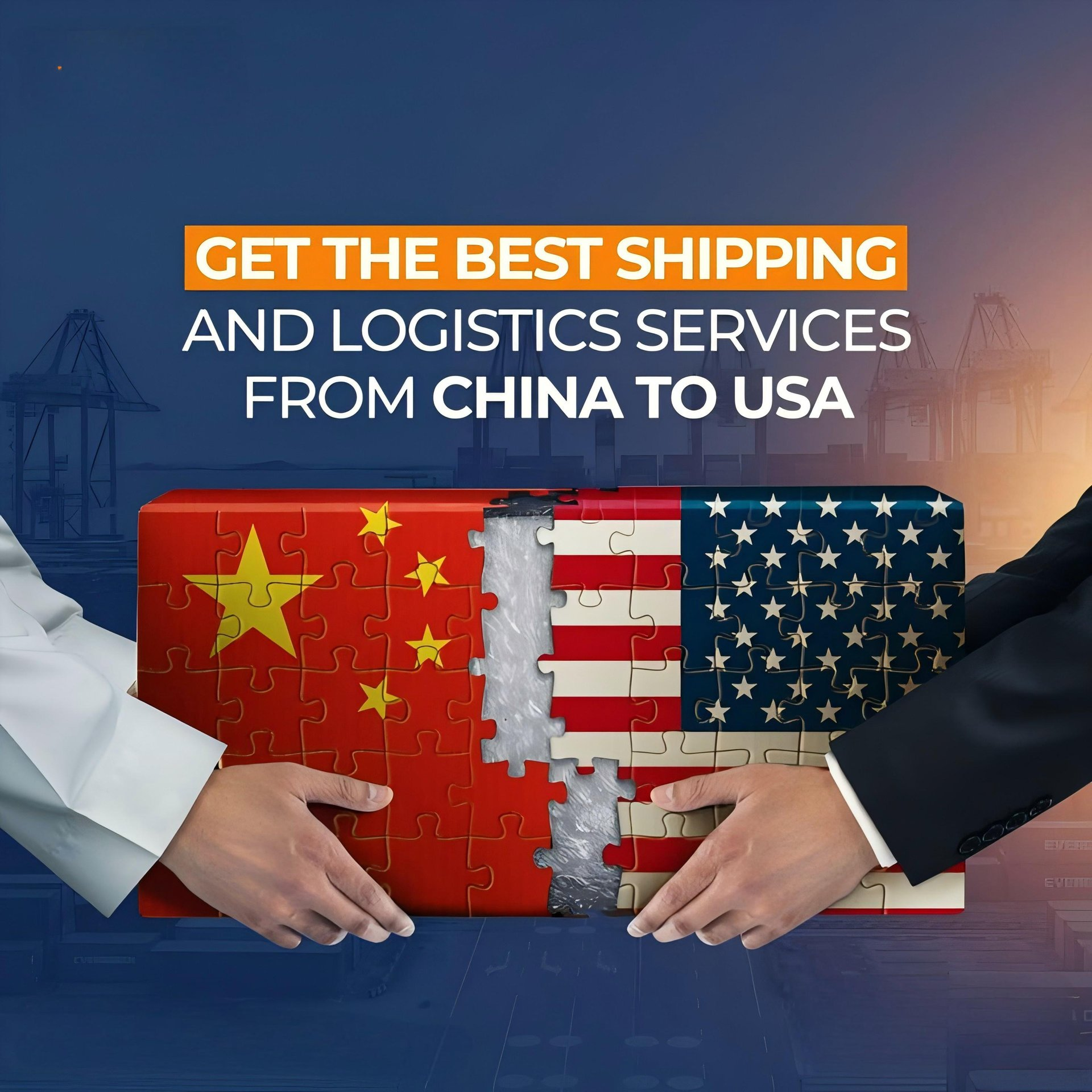
Freight Forwarder China to Spain: Your 2026 Shipping Guide
Navigating the complexities of international trade requires a strategic partnership with a reliable shipping expert. Choosing a professional freight forwarder China to Spain ensures that your cargo moves efficiently through global supply chains while minimizing unexpected delays. As we move into 2026, understanding the nuances of Mediterranean trade routes and European customs regulations is more critical than ever for business success. This guide provides a comprehensive overview of logistics strategies, cost-saving measures, and transit options tailored for the Spanish market.

Why You Need a Professional Freight Forwarder China to Spain
International shipping involves a complex web of carriers, port authorities, and regulatory bodies that can be difficult to manage alone. Consequently, many importers rely on specialized agents to handle the heavy lifting of logistics management and documentation. A dedicated partner provides visibility into the shipping process, allowing you to focus on your core business operations without worrying about container tracking.
Moreover, the logistics landscape in 2026 has become increasingly digitized, requiring sophisticated tracking tools and real-time data integration. Professional forwarders offer these technological advantages, ensuring that you receive updates on your shipment’s location at every milestone. This transparency is vital for maintaining inventory levels and meeting the demands of Spanish consumers who expect timely deliveries.
Additionally, local expertise in both Chinese manufacturing hubs and Spanish ports of entry like Valencia or Algeciras is indispensable. Experts understand the specific requirements of Spanish customs, which can prevent costly storage fees and legal complications. By leveraging their network, you gain access to competitive freight rates that are often unavailable to individual shippers or small businesses.
How Does Sea Freight Compare to Other Shipping Options?
Ocean transport remains the backbone of trade between Asia and Europe due to its cost-effectiveness for high-volume goods. When you utilize sea freight, you can choose between Full Container Load (FCL) and Less than Container Load (LCL) based on your specific volume. This flexibility allows businesses of all sizes to participate in international trade without needing to fill an entire 40HQ container.
Furthermore, the environmental impact of sea transport is significantly lower than air freight, making it a preferred choice for companies with sustainability goals. In 2026, many carriers have introduced eco-friendly vessels that further reduce the carbon footprint of your supply chain. However, the primary trade-off for these benefits is the longer transit time, which typically ranges from 30 to 45 days depending on the port of origin.
Market data suggests that sea freight rates have stabilized in early 2026 following the disruptions of previous years. For instance, shipping a standard 20GP container from Ningbo to Barcelona currently ranges between $2,200 and $2,900. It is important to note that these prices fluctuate based on seasonal demand, fuel surcharges, and port congestion levels at major Spanish hubs.
| Sea Freight (FCL) | $2,200 – $4,500 | 30 – 40 Days | Bulk Goods & Large Volume |
| Air Freight | $4.50 – $8.00/kg | 5 – 8 Days | Urgent & High-Value Items |
| Rail Freight | $160 – $240/CBM | 18 – 25 Days | Middle-Ground Speed/Cost |
| Express Service | $7.00 – $12.00/kg | 3 – 5 Days | Small Samples & Documents |
Is Air Freight the Right Choice for Your Spanish Business?
Speed is often the most critical factor for businesses handling perishable goods, electronics, or fashion samples. Choosing air freight allows you to replenish your stock in Spain within a week, providing a significant competitive advantage. While the cost is higher, the reduced lead time can prevent lost sales and improve customer satisfaction across the Iberian Peninsula.
In addition, air transport offers enhanced security for high-value cargo, as the time spent in transit and handling is minimal. This reduces the risk of theft or damage compared to long-duration sea voyages that involve multiple touchpoints. Therefore, if you are shipping luxury items or sensitive medical equipment, the investment in air logistics is often justified by the safety it provides.
Recent trends in 2026 show that air cargo capacity has increased between major hubs like Shanghai Pudong and Madrid Barajas. As a result, shippers have more options for direct flights, which further reduces transit times and minimizes the risk of transshipment delays. Always consider the total landed cost, including insurance and inland transport, when evaluating if air freight fits your budget.

The Rise of Rail Freight as a Sustainable Alternative
Land-based transport via the Silk Road has become a viable middle ground for companies seeking a balance between speed and cost. Utilizing rail freight offers a transit time of approximately 20 days, which is nearly twice as fast as sea shipping. This method is particularly effective for automotive parts and industrial machinery destined for northern Spanish industrial zones.
On the other hand, rail logistics can be sensitive to geopolitical shifts and border crossing efficiencies. Nevertheless, the infrastructure improvements seen throughout 2025 and 2026 have made this route more reliable and consistent. Consequently, many European importers are diversifying their transport modes to include rail as a hedge against maritime port strikes or congestion.
To summarize, rail offers a lower carbon footprint than air while being significantly more affordable. For shipments that are too heavy for planes but too urgent for ships, the train connection from Xi’an or Chengdu to Madrid remains a top recommendation. Ensure your provider has experience with the different rail gauges and customs procedures required for this transcontinental journey.
Which Option Should You Choose? A Decision Framework
Selecting the ideal shipping method depends on four primary criteria: budget, volume, speed, and the nature of the goods. If your priority is minimizing costs and you have a lead time of over 45 days, sea freight is the logical choice. For shipments under 2 CBM, LCL sea freight is often the most economical way to move goods from China to Spain.
If speed is your priority, air freight is the only solution that guarantees delivery within a single business week. For instance, high-demand consumer electronics or seasonal fashion items should almost always be sent via air to capture market trends. Meanwhile, rail freight serves as an excellent alternative for mid-sized shipments that need to arrive in Spain within three weeks.
Cargo type also plays a major role in the decision-making process. Heavy machinery is best suited for FCL sea freight due to the structural integrity of 40GP containers. In contrast, small parcels and high-value prototypes are better handled by express services to ensure door-to-door security. Always consult with your logistics expert to determine the most cost-effective hybrid solution for your specific needs.
Customs Clearance and Documentation in Spain
Importing goods into the European Union through Spain requires strict adherence to customs regulations and precise documentation. Engaging a professional customs brokerage service is the most effective way to navigate the Spanish Tax Agency (Agencia Tributaria) requirements. Without proper paperwork, your shipment could face lengthy inspections and significant fines at the port of entry.
Indeed, the essential documents include the Commercial Invoice, Packing List, Bill of Lading, and the Single Administrative Document (SAD). Furthermore, certain products like textiles or electronics may require specific CE certifications or certificates of origin to comply with EU safety standards. Providing accurate HS codes is critical, as these determine the amount of VAT and import duties you must pay upon arrival.
Because Spanish customs officials are known for their thoroughness, ensuring your paperwork is 100% accurate is non-negotiable. As a result, working with a forwarder who has a local presence in Spain can expedite the clearance process. They can act as your representative, resolving any discrepancies quickly to ensure your goods are released for final delivery without unnecessary delay.
Streamlining Your Supply Chain with Door to Door Services
Modern logistics is no longer just about moving goods from port to port; it is about providing a seamless end-to-end solution. A door to door service handles everything from the factory floor in China to your warehouse in Madrid or Barcelona. This comprehensive approach eliminates the need for you to coordinate with multiple local trucking companies and warehouse operators.
Additionally, this service model simplifies the billing process, as you typically receive a single invoice covering all transport and handling fees. This transparency makes it much easier for small and medium enterprises to calculate their landed costs and set retail prices. By consolidating these services, you also reduce the risk of communication gaps that often occur during handovers between different logistics providers.
Whether you are shipping via sea, air, or rail, the final mile delivery is often the most complex part of the journey. Professional forwarders utilize a network of local Spanish couriers and hauliers to ensure that the last leg of the trip is as efficient as the first. This ensures that your customers receive their orders on time, boosting your brand reputation in the competitive Spanish market.
Realistic Case Studies for 2026 Shipments
Case Study 1: Electronics from Shenzhen to Madrid
Route: Shenzhen, China to Madrid, Spain. Cargo: 450kg of consumer electronics. Method: Air Freight. Total Landed Cost: $3,400. Transit Time: 6 days. Key Insight: By using direct air cargo, the client avoided a stockout during a major Spanish sales holiday, justifying the higher transport cost through increased revenue.
Case Study 2: Furniture from Ningbo to Valencia
Route: Ningbo, China to Valencia, Spain. Cargo: 28 CBM of home furniture. Container: 20GP FCL. Total Landed Cost: $2,850. Transit Time: 34 days. Key Insight: Sea freight provided the necessary volume capacity for bulky items while keeping the per-unit shipping cost low enough to maintain healthy profit margins.
Case Study 3: Industrial Parts from Shanghai to Barcelona
Route: Shanghai, China to Barcelona, Spain. Cargo: 4 CBM of specialized valves. Method: Rail Freight. Total Landed Cost: $1,150. Transit Time: 22 days. Key Insight: Rail freight offered a perfect compromise for the client who needed parts faster than sea freight but could not afford the high premiums of air transport.
Mastering Your Logistics Strategy
Successfully importing goods requires more than just finding the cheapest rate; it demands a comprehensive strategy that balances speed, cost, and reliability. By choosing an experienced freight forwarder China to Spain, you gain a partner capable of navigating the complexities of 2026 global trade. Whether you prioritize the speed of air freight or the economy of sea transport, your logistics provider is the key to a resilient supply chain.
To summarize, always consider the total landed cost and the specific needs of your cargo before committing to a shipping method. Stay informed about market trends and maintain open communication with your forwarder to ensure your business remains competitive in the Spanish market. With the right expertise, your international shipping operations can become a significant driver of growth and efficiency for your company.

Need a tailored shipping solution?
Ready to optimize your supply chain and reduce shipping costs? Partner with a premier freight forwarder China to Spain to receive a customized logistics plan and competitive 2026 rates. Visit our inquiry page to request your free quote today and experience seamless international shipping. Visit: https://ailogisticschina.com/contact/