

FCL LCL Shipping China to Italy: 2026 Freight Rates and Logistics Guide
Navigating fcl lcl shipping china to Italy requires a deep understanding of modern logistics trends and cost-effective strategies in 2026. Businesses must optimize their supply chain to remain competitive in the evolving European market. By partnering with DSV-Freight, you can ensure your cargo arrives safely and on schedule. This comprehensive guide provides the insights needed to choose the right shipping method for your specific needs.
What are the Differences Between FCL and LCL Shipping?
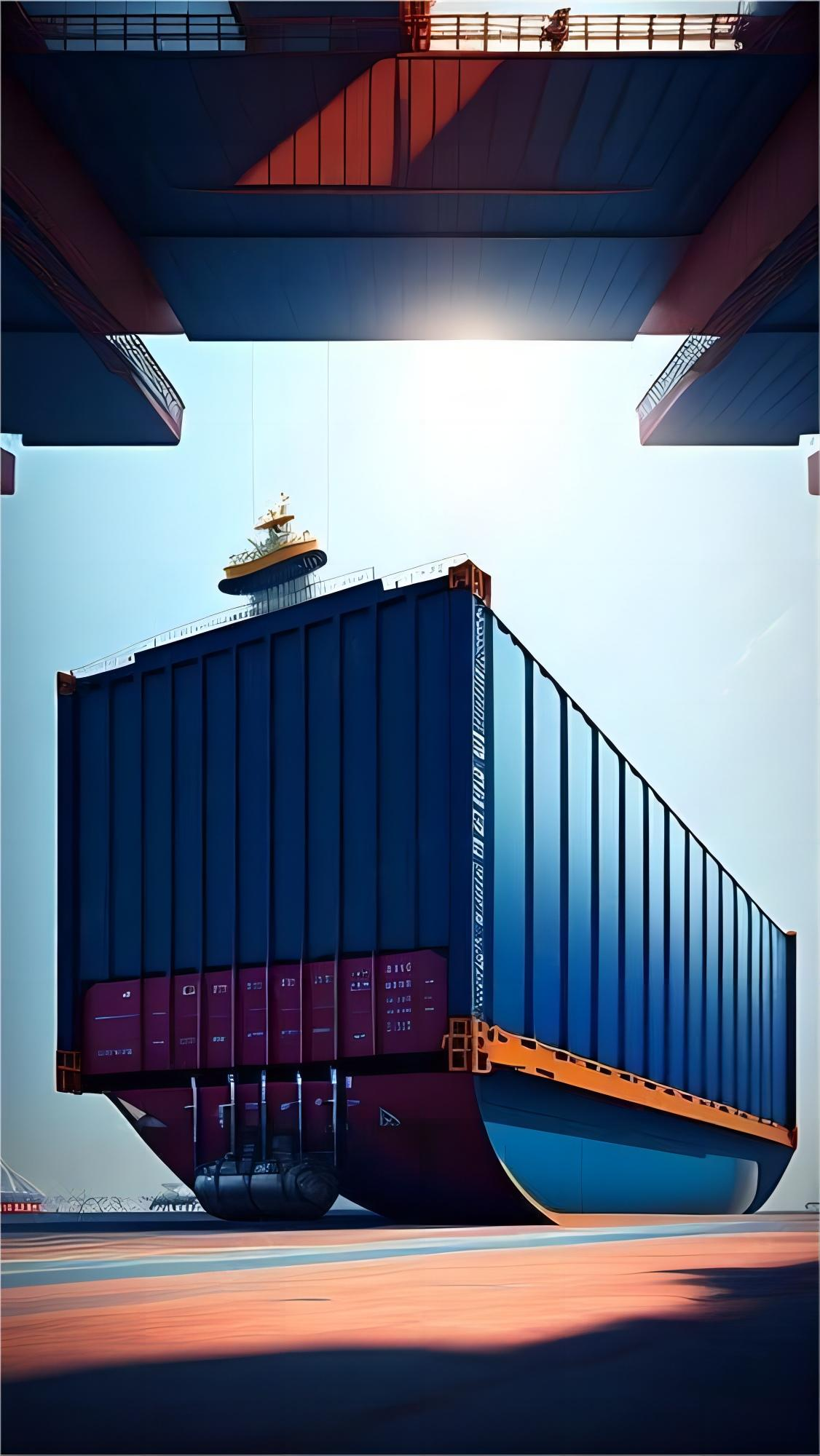
Choosing between Full Container Load and Less than Container Load is the most critical decision for your logistics strategy. Specifically, FCL allows you to rent an entire 20ft or 40ft container for your exclusive use. This method is ideal for high-volume shipments that require maximum security and faster handling.
On the other hand, LCL involves sharing container space with other importers. Consequently, this is the most economical choice for smaller volumes that do not fill a whole unit. You only pay for the volume you occupy, which significantly reduces shipping costs for startups and small enterprises.
Furthermore, sea freight remains the most popular mode for both methods due to its balance of capacity and price. However, shippers must account for additional handling time in LCL shipments because of the consolidation and deconsolidation processes at the ports.
| Feature | Best For | FCL (Full Container) | LCL (Less than Container) |
| Feature | Best For | FCL (Full Container) | LCL (Less than Container) |
| Feature | Best For | FCL (Full Container) | LCL (Less than Container) |
| Feature | Best For | FCL (Full Container) | LCL (Less than Container) |
How Much Does FCL LCL Shipping China to Italy Cost in 2026?
Freight rates in 2026 have stabilized following the global supply chain adjustments of previous years. Currently, a 20GP container from Shenzhen to Genoa typically ranges between 2,100 and 2,800 USD. Meanwhile, a 40HQ container might cost between 3,500 and 4,800 USD depending on the season.
Additionally, LCL rates are generally calculated per cubic meter, often ranging from 60 to 95 USD. Nevertheless, you must factor in origin and destination charges, which can sometimes exceed the base ocean freight. Indeed, transparency in pricing is essential to avoid unexpected expenses during the import process.
Moreover, seasonal peaks such as the period before the Lunar New Year often see rates spike by 20 percent. Therefore, booking your shipment at least four weeks in advance is a wise strategy for cost management. Always request a detailed breakdown of all surcharges to ensure you are getting the best market value.
Understanding Transit Times for Italian Ports
Transit time is a vital component of your delivery schedule when managing fcl lcl shipping china to Italy. Generally, direct routes from Shanghai to Genoa or La Spezia take approximately 30 to 35 days. However, shipments bound for Adriatic ports like Trieste or Venice may require slightly longer due to additional maritime legs.
Consequently, port congestion and weather conditions can occasionally cause delays of 3 to 5 days. For instance, the transition through the Suez Canal remains a focal point for Mediterranean logistics efficiency. Shippers should monitor real-time tracking data to stay informed about their cargo movements.
Furthermore, using a professional customs brokerage service can prevent unnecessary holdups at the Italian border. Efficient documentation ensures that once the vessel docks, your goods move quickly through the terminal to their final destination.
| FCL Transit | LCL Transit | Origin Port | Destination Port |
| FCL Transit | LCL Transit | Origin Port | Destination Port |
| FCL Transit | LCL Transit | Origin Port | Destination Port |
| FCL Transit | LCL Transit | Origin Port | Destination Port |
How Does Sea Freight Compare to Other Shipping Options?
While fcl lcl shipping china to Italy is the standard for most trade, other methods offer unique advantages. For example, air freight is significantly faster, delivering goods in just 5 to 7 days. However, the cost is much higher, making it suitable only for high-value or time-sensitive electronics and fashion items.
Alternatively, rail freight has emerged as a powerful middle-ground solution in 2026. It offers a transit time of 18 to 22 days, which is nearly twice as fast as sea freight. Although it is more expensive than ocean cargo, it is substantially cheaper than shipping by air.
In contrast, express services are best for documents or very small parcels under 100 kg. Ultimately, the best choice depends on your budget, cargo size, and how quickly you need the items to reach the Italian market. Most businesses find that a hybrid strategy works best for diverse product lines.
| Method | Best For | Cost Range | Transit Time |
| Method | Best For | Cost Range | Transit Time |
| Method | Best For | Cost Range | Transit Time |
| Method | Best For | Cost Range | Transit Time |
Which Option Should You Choose?
Determining the right shipping strategy requires a clear assessment of your business priorities. If your primary goal is to minimize costs, then LCL or FCL sea freight is the obvious winner. Specifically, if your cargo volume exceeds 15 cubic meters, FCL becomes more cost-effective than LCL.
However, if you are launching a new product and need to hit a specific marketing date, rail freight might be the better investment. Moreover, cargo type plays a huge role in the decision-making process. For instance, hazardous materials or oversized machinery often have limited options and require specialized sea freight handling.
Additionally, consider the final destination within Italy. If your warehouse is in Northern Italy, rail connections through Milan are excellent. Conversely, for Southern Italy, direct sea routes to Naples or Bari are usually more efficient than overland transport from the north.
Essential Documentation for Italy Customs
Importing goods into the European Union requires strict adherence to customs regulations. Primarily, you must provide a Commercial Invoice, a Packing List, and a Bill of Lading. Furthermore, an EORI number is mandatory for any business importing into Italy to identify them for customs purposes.
Notably, certain products may require additional certifications, such as the CE mark for electronics or phytosanitary certificates for wooden furniture. Without these documents, your shipment could face long delays or even seizure by authorities. Therefore, working with an experienced partner is vital for a smooth clearance process.
In addition, door to door services often include customs handling as part of the package. This approach simplifies the process for the importer, as the freight forwarder manages all the paperwork and local taxes. Consequently, you can focus on selling your products rather than worrying about port logistics.
Real Case Studies: Successful Shipments to Italy
Case Study 1: Electronics from Shenzhen to Genoa. A tech retailer needed to move 22 CBM of consumer electronics. They chose a 20GP FCL container to ensure maximum security. The total landed cost was 2,950 USD, and the shipment arrived in 31 days, perfectly meeting their inventory restock deadline.
Case Study 2: Textiles from Ningbo to Trieste. A fashion boutique imported 4 CBM of high-quality fabrics using LCL shipping. By sharing container space, they kept their ocean freight cost under 400 USD. Despite the 40-day transit time including deconsolidation, the low cost allowed them to maintain high profit margins.
Case Study 3: Industrial Parts from Shanghai to Milan via Rail. An automotive supplier needed parts faster than sea freight could provide. They opted for rail freight, which arrived in Milan in 20 days. Although they paid 30 percent more than sea freight, the speed prevented a costly production line shutdown.
Market Trends and Logistics Outlook for 2026
The logistics landscape for fcl lcl shipping china to Italy is increasingly influenced by green initiatives and digital tracking. Specifically, many carriers are now offering carbon-neutral shipping options to comply with new EU environmental regulations. Businesses that adopt these sustainable practices may benefit from tax incentives in the future.
Moreover, the integration of AI in port operations has improved efficiency at major hubs like Shanghai and Genoa. Consequently, we are seeing fewer instances of terminal congestion compared to previous years. This technological shift allows for more predictable delivery schedules and better resource planning for importers.
Indeed, staying informed about these trends is crucial for long-term success. As the market continues to evolve, the ability to adapt your shipping strategy will be a significant competitive advantage. Always look for logistics partners who invest in technology and sustainable practices to future-proof your supply chain.
Final Thoughts on Shipping from China to Italy
In summary, mastering fcl lcl shipping china to Italy involves balancing cost, speed, and reliability. Whether you choose the exclusivity of FCL or the flexibility of LCL, understanding the 2026 market dynamics is essential. By planning ahead and selecting the right ports, you can significantly reduce your landed costs.
Furthermore, always remember to verify your documentation and stay updated on Italian customs requirements. Partnering with a dedicated logistics provider will help you navigate any challenges that arise during transit. Start planning your next shipment today to take advantage of the current competitive freight rates.
Need a tailored shipping solution?
Ready to optimize your fcl lcl shipping china to Italy? Contact our expert team today for a customized quote and professional logistics advice. Visit our inquiry page to get started: Visit https://ailogisticschina.com/contact-us/