

Shipping Rates China to Singapore: 2026 Guide to Freight Costs
Understanding shipping rates China to Singapore is essential for businesses navigating the complex trade landscape of 2026. AI Logistics China provides transparent pricing and reliable schedules to help you manage your imports effectively. This guide explores current market trends, cost-saving strategies, and various shipping methods tailored for the Singaporean market.

Current Market Trends for Shipping Rates China to Singapore
Market conditions in 2026 show a stabilization of freight costs across Southeast Asian routes. Consequently, businesses can now plan their budgets with greater accuracy compared to the volatility seen in previous years.
Fuel prices and port efficiency continue to play significant roles in determining the final quote you receive. Additionally, seasonal demand spikes during the mid-year sales and year-end holidays often lead to temporary price increases.
Digitalization has streamlined the booking process, allowing for more competitive pricing from major carriers. Furthermore, the expansion of port facilities in both Shanghai and Singapore has improved turnaround times significantly.
Importers should monitor these trends closely to capitalize on lower rates during off-peak periods. Meanwhile, staying informed about regional trade agreements can provide additional cost advantages for specific product categories.
How Does Sea Freight Compare to Other Shipping Options?
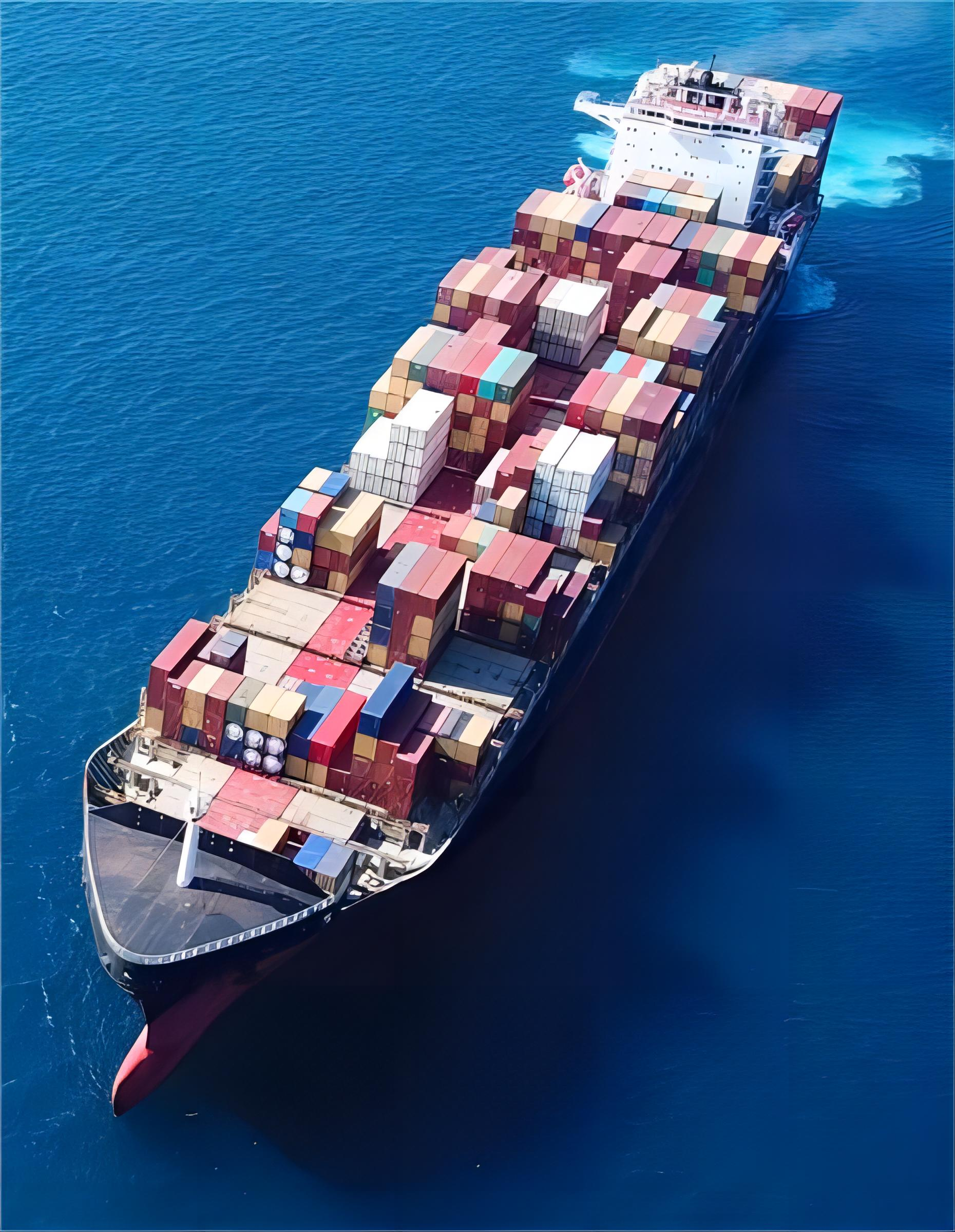
Choosing sea freight remains the most popular choice for high-volume shipments due to its cost-effectiveness. Specifically, this method offers the lowest price per cubic meter for large cargo loads.
Ocean transport provides two primary options: Full Container Load (FCL) and Less than Container Load (LCL). However, the choice between them depends on your total cargo volume and budget constraints.
Transit times for sea routes are generally predictable, typically ranging from 8 to 12 days depending on the port of origin. Nevertheless, you must account for loading and unloading times at both ends of the journey.
Standard container sizes like the 20GP and 40HQ are readily available for most China-Singapore routes. Indeed, utilizing full containers often reduces the risk of damage during transit compared to consolidated shipments.
| Shipping Method | Cost Range | Transit Time | Best For |
|---|---|---|---|
| Sea Freight (FCL) | $800 – $1,500 | 8-12 Days | Large volumes |
| Sea Freight (LCL) | $40 – $70/CBM | 10-15 Days | Small batches |
| Air Freight | $2.50 – $5.00/kg | 3-5 Days | Urgent cargo |
| Express | $6.00 – $9.00/kg | 1-3 Days | Samples/Small |
Analyzing Air Freight Costs and Delivery Speeds
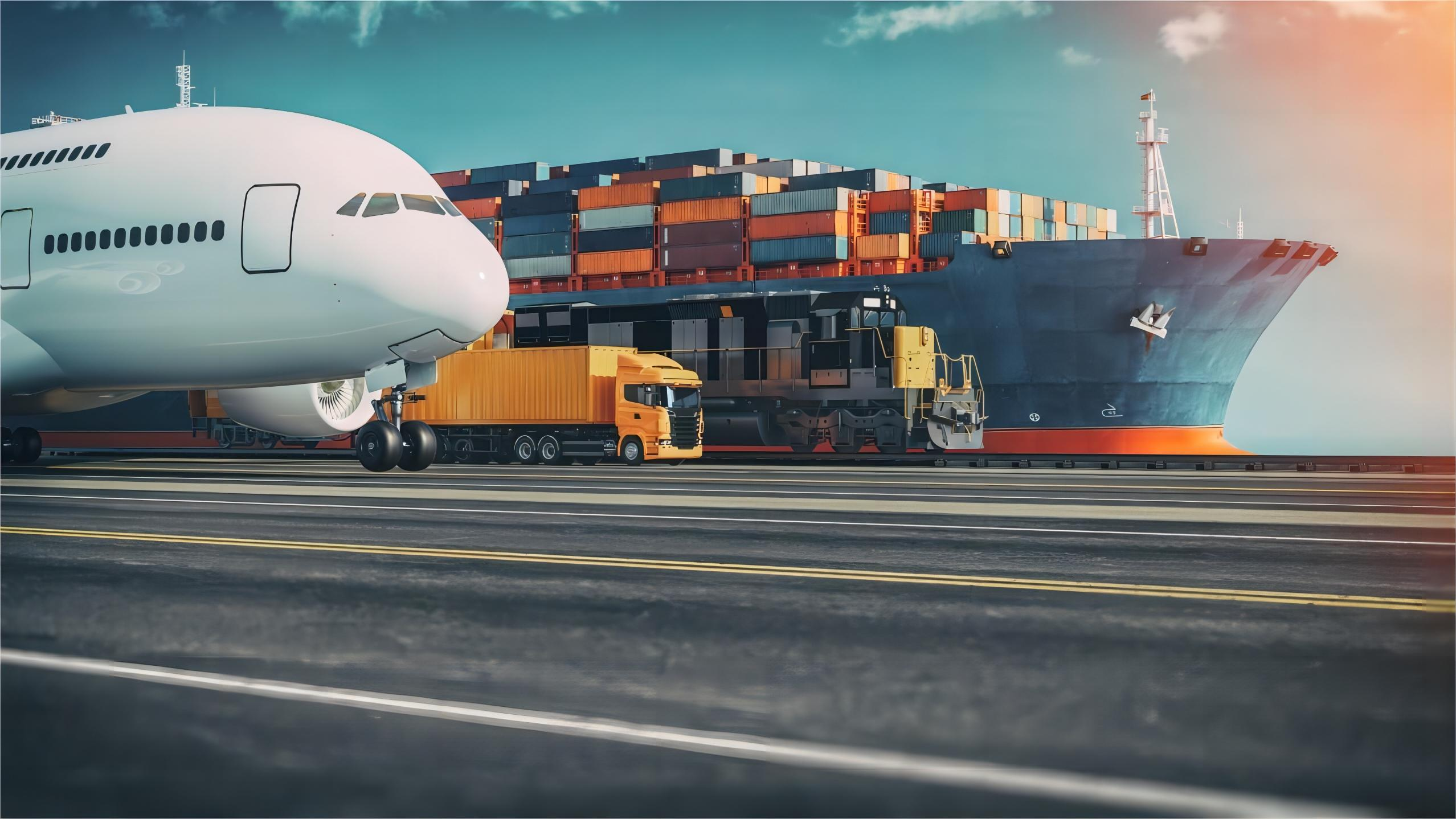
Selecting air freight is the ideal solution when speed is your primary concern. Therefore, electronics, fashion items, and perishable goods frequently move via air to meet tight deadlines.
Pricing for air cargo is calculated based on either actual weight or volumetric weight, whichever is higher. For example, bulky but light items may incur higher charges than small, heavy packages.
Typical rates in 2026 fluctuate between $2.50 and $5.00 per kilogram for standard shipments. Moreover, direct flights from major hubs like Shenzhen and Guangzhou ensure that goods arrive in Singapore within a few days.
Security measures for air transport are much stricter than those for sea freight. Consequently, you must ensure all documentation is precise to avoid delays during the mandatory screening processes.
Leveraging Express Service for Small Shipments
Using an express service provides a seamless experience for urgent documents and small parcels. Specifically, these providers handle the entire process from pickup in China to final delivery in Singapore.
Costs for express shipping are generally higher on a per-kilogram basis than standard air freight. However, the inclusion of customs handling and door-to-door delivery often justifies the premium price for many businesses.
Tracking capabilities are a major advantage of express shipping, offering real-time updates on your shipment’s location. In addition, these services often provide guaranteed delivery windows, which is crucial for time-sensitive projects.
Most express carriers operate their own aircraft fleets, which ensures consistent capacity even during peak seasons. Furthermore, the simplified pricing structure makes it easier for small businesses to calculate their landed costs.
The Role of Customs Brokerage in Shipping Rates
Engaging a professional customs brokerage service is vital for navigating Singapore’s import regulations. Although Singapore is a free port, most goods are still subject to Goods and Services Tax (GST).
Proper classification of your products using the correct HS codes prevents overpayment of taxes and avoids legal complications. In contrast, incorrect documentation can lead to heavy fines and prolonged storage charges at the port.
Brokers facilitate the smooth exchange of information between the importer and the Singapore Customs authority. Additionally, they can advise on whether your goods qualify for any specific trade exemptions or schemes.
Administrative fees for customs clearance are usually fixed per shipment rather than based on cargo value. Therefore, consolidating multiple orders into a single shipment can help you save on these recurring costs.
2026 Shipping Case Studies and Real-World Examples
Reviewing real-world scenarios helps in understanding how shipping rates China to Singapore apply in practice. These examples reflect typical costs and timelines observed in the first half of 2026.
Case Study 1: Electronics from Shenzhen to Jurong (LCL) +———————————————————+ | Route: Shenzhen, China to Jurong, Singapore | | Cargo: Consumer Electronics, 3 CBM, 450 kg | | Container: LCL (Less than Container Load) | | Shipping Details: | | – Carrier: Major Regional Carrier | | – Port of Loading: Shenzhen | | – Port of Discharge: Singapore | | – Route Type: Direct | | Cost Breakdown: | | – Ocean Freight: $180 | | – Origin Charges: $120 | | – Destination Charges: $150 | | – Customs and Duties: GST 9% of CIF value | | – Total Landed Cost (excl. GST): $450 | | Timeline: | | – Booking to Loading: 2 days | | – Sea Transit: 7 days | | – Customs Clearance: 1 day | | – Total Door-to-Door: 12 days | | Key Insight: Consolidation saved $600 vs air freight. | +———————————————————+
Case Study 2: Furniture from Ningbo to Singapore (FCL) +———————————————————+ | Route: Ningbo, China to Singapore Port | | Cargo: Residential Furniture, 28 CBM, 4,000 kg | | Container: 20GP (General Purpose) | | Shipping Details: | | – Carrier: COSCO | | – Port of Loading: Ningbo | | – Port of Discharge: Singapore | | – Route Type: Direct | | Cost Breakdown: | | – Ocean Freight: $950 | | – Origin Charges: $250 | | – Destination Charges: $300 | | – Customs and Duties: GST 9% of CIF value | | – Total Landed Cost (excl. GST): $1,500 | | Timeline: | | – Booking to Loading: 4 days | | – Sea Transit: 10 days | | – Customs Clearance: 1 day | | – Total Door-to-Door: 18 days | | Key Insight: FCL provided better protection for wood. | +———————————————————+
Note: Freight rates are subject to change based on fuel costs, carrier capacity, and seasonal demand. Contact us for a current quote tailored to your specific shipment.

Which Option Should You Choose? Decision Framework
Determining the best shipping method requires a balance between cost, speed, and the nature of your goods. Specifically, you should evaluate your priorities before committing to a specific logistics provider.
If your primary goal is budget optimization, sea freight is almost always the superior choice for shipments over 100kg. On the other hand, air freight is non-negotiable for high-value items that must reach the market immediately.
Utilizing door to door services simplifies the entire supply chain for busy business owners. This comprehensive approach reduces the time spent managing multiple vendors and minimizes the risk of communication errors.
Volume thresholds also play a role in your decision. For instance, once your cargo exceeds 15 cubic meters, booking a full 20GP container often becomes cheaper than paying for LCL space.
| Priority | Recommended Method | Cost Level | Key Benefit |
|---|---|---|---|
| Lowest Cost | Sea Freight LCL | Very Low | Scalability |
| Maximum Speed | Express Service | High | Simplicity |
| Large Volume | Sea Freight FCL | Low | Security |
| Balance | Standard Air | Moderate | Reliability |
Strategies to Reduce Your Shipping Rates China to Singapore
Optimizing your packaging can lead to significant savings by reducing the volumetric weight of your cargo. Consequently, you should work closely with your suppliers to minimize empty space within boxes.
Consolidating multiple small orders into a single large shipment is another effective way to lower your average cost per unit. In addition, booking your shipments at least two weeks in advance can help you secure lower rates from carriers.
Comparing quotes from multiple freight forwarders ensures that you are receiving the most competitive market price. Furthermore, establishing long-term relationships with a single provider can often lead to volume-based discounts.
Avoid shipping during major Chinese holidays like the Lunar New Year when rates typically skyrocket. Meanwhile, choosing off-peak delivery days for local trucking in Singapore can also shave a small percentage off your total bill.
Final Thoughts on Managing Your Shipping Costs
Securing competitive shipping rates China to Singapore requires a combination of strategic planning and market knowledge. By understanding the differences between sea, air, and express services, you can make informed decisions that benefit your bottom line.
Always remember to factor in additional costs like GST and local handling fees to determine your true landed cost. As trade between China and Singapore continues to grow in 2026, staying adaptable and informed will be your greatest advantage in the logistics industry.

Start Your Shipment
Ready to optimize your supply chain with the best shipping rates China to Singapore? Contact our expert team today to receive a customized quote and professional guidance for your next shipment. Send Inquiry now to start saving on your 2026 logistics costs.
Request Quote