

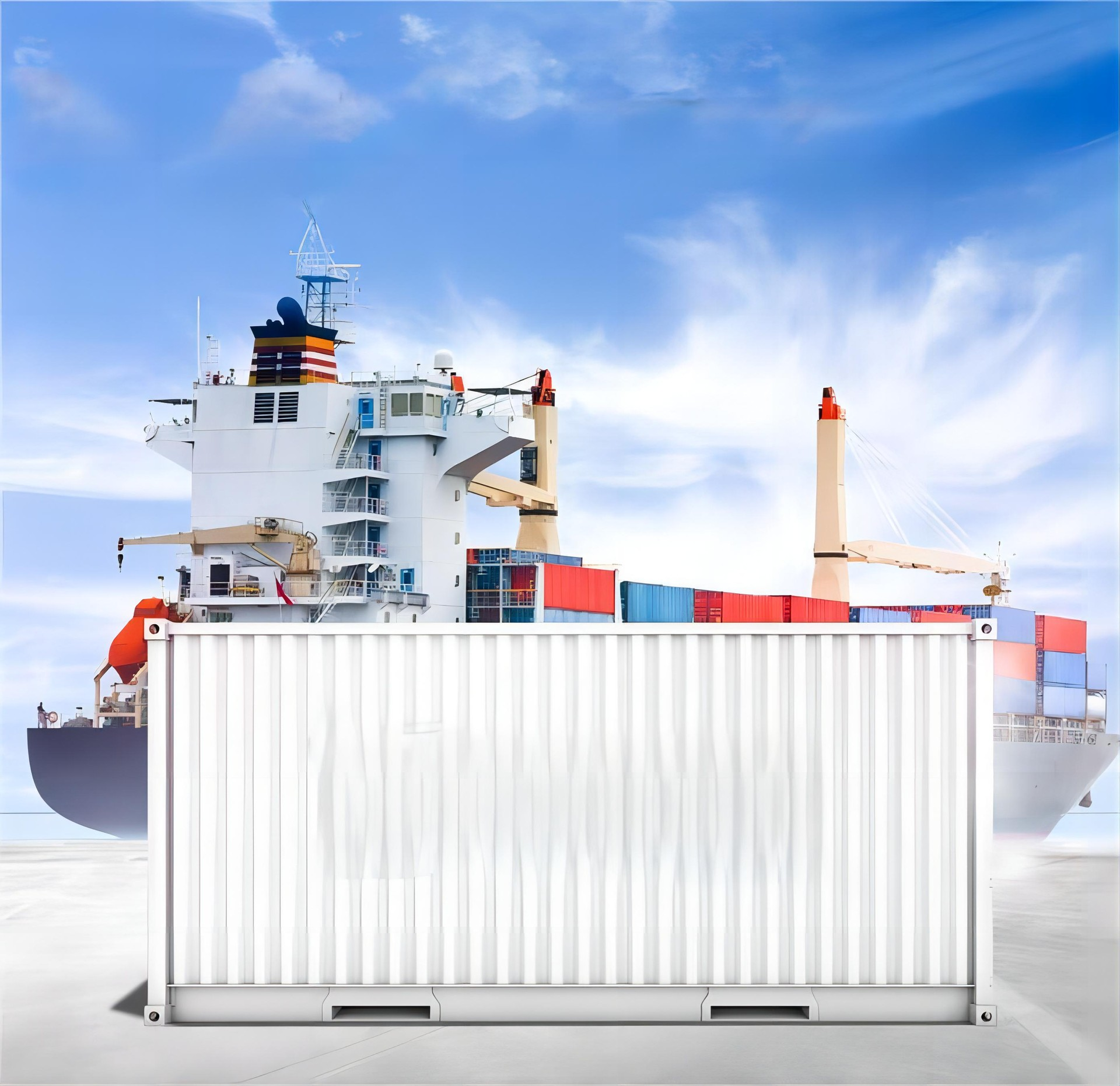
Shipping Quote China to Singapore: 2026 Freight Rates Guide
Securing an accurate shipping quote China to Singapore is the first step toward a successful international trade operation between these two major Asian hubs. Many businesses struggle with hidden fees and fluctuating market rates that can disrupt their supply chain budget. Therefore, visiting https://ailogisticschina.com/ allows you to access transparent pricing and expert logistics support for your 2026 imports.

Factors Influencing Your Shipping Quote China to Singapore
Freight rates between China and Singapore depend on several variables including fuel surcharges, seasonal demand, and cargo weight. Consequently, a standard quote might change weekly based on the current market intelligence and carrier capacity.
Choosing between sea freight and other modes significantly impacts the final cost of your shipment. Moreover, the type of goods you transport determines the necessary handling procedures and safety protocols.
Understanding these factors helps you predict price fluctuations during peak seasons like the Lunar New Year or the year-end shopping rush. Additionally, port congestion in Shanghai or Ningbo can lead to unexpected surcharges that affect your total landed cost.
How to Get a Shipping Quote China to Singapore for Air Freight
Air freight remains the fastest way to move high-value or time-sensitive goods across the South China Sea. Specifically, air freight services provide transit times of 1 to 3 days, making them ideal for electronics and perishables.
Calculating the chargeable weight is essential because airlines bill based on either actual weight or volumetric weight. Furthermore, most carriers apply a minimum weight threshold which can make small shipments relatively expensive.
Selecting a reliable forwarder ensures that your quote includes all necessary airport handling fees and security charges. Notably, rates for air transport have stabilized in early 2026 compared to the volatility seen in previous years.
| Weight Bracket | Estimated Cost (USD/kg) | Transit Time | Service Level |
|---|---|---|---|
| 45kg – 100kg | $3.50 – $5.00 | 2-3 Days | Standard Air |
| 101kg – 500kg | $2.80 – $4.20 | 2-3 Days | Economy Air |
| 500kg+ | $2.20 – $3.50 | 1-2 Days | Priority Air |
How Does Sea Freight Compare to Other Shipping Options?
Sea freight offers the most economical solution for large volumes, although it requires more lead time than air transport. In contrast, express services provide the highest speed but at a premium price point that suits documents or small parcels.
Evaluating the trade-offs between cost and speed is vital for maintaining a healthy profit margin in your 2026 business plan. For instance, shipping a full container might cost a fraction of air transport per unit, but it ties up capital for a longer period.
Navigating these choices requires a clear understanding of your inventory needs and customer expectations. Fortunately, our customs brokerage experts can help you optimize the documentation process regardless of the method you choose.
| Shipping Method | Cost Range | Transit Time | Best For |
|---|---|---|---|
| Sea Freight (FCL) | $800 – $1,500 | 8-12 Days | Large Inventory |
| Air Freight | $500 – $3,000 | 1-3 Days | High Value Goods |
| Express Courier | $100 – $800 | 1-2 Days | Samples/Small Parcels |

Comparing a Shipping Quote China to Singapore for FCL and LCL
Full Container Load (FCL) shipping is generally faster and more secure because your goods occupy the entire container. However, Less than Container Load (LCL) allows you to share space with other shippers, which is perfect for smaller volumes.
Reviewing the cost per cubic meter (CBM) will reveal whether LCL is truly cheaper for your specific shipment size. Similarly, FCL rates for a 20GP or 40HQ container are often more cost-effective once you exceed 15 CBM of cargo.
Preparing your goods for consolidated shipping requires careful packaging to prevent damage during multiple handling stages. Ultimately, the choice between FCL and LCL depends on your total volume and the urgency of the delivery.
Real-World Case Studies for 2026 Shipments
Case Study 1: Electronics from Shenzhen to Singapore. Route: Shenzhen Port to Singapore Port. Cargo: 200kg of consumer electronics. Method: Air Freight. Cost: $780 USD. Transit Time: 2 days. Key Insight: Priority air was chosen to meet a product launch deadline despite higher costs.
Case Study 2: Furniture from Foshan to Singapore. Route: Nansha Port to Singapore Port. Cargo: 28 CBM in a 20GP container. Method: Sea Freight FCL. Cost: $1,150 USD. Transit Time: 10 days. Key Insight: FCL provided better protection for fragile wooden surfaces compared to LCL.
Case Study 3: E-commerce Goods to Amazon FBA. Route: Guangzhou to Singapore Warehouse. Cargo: 5 CBM general merchandise. Method: Amazon FBA Sea LCL. Cost: $450 USD. Transit Time: 14 days. Key Insight: Using a specialized FBA service simplified the final mile delivery to the fulfillment center.
Which Option Should You Choose? Decision Framework
Budget priority dictates that you should select sea freight for any shipment that is not time-sensitive. Because sea transport is significantly cheaper, it remains the backbone of the China-Singapore trade lane for bulk commodities.
Speed priority requires air freight or express courier services to ensure your supply chain remains agile. Although the costs are higher, the reduction in lead time can prevent stockouts and improve customer satisfaction ratings.
Cargo type considerations also play a major role, as hazardous materials or oversized items may only be permitted on specific vessels or aircraft. While most general cargo is flexible, always verify restrictions with your logistics provider before booking.

Strategies for Reducing Total Landed Costs
Optimizing your packaging can lead to significant savings by reducing the volumetric weight of your air cargo. Since carriers charge for the space your goods occupy, compact packing is a simple way to lower your shipping quote China to Singapore.
Consolidating multiple small orders into a single LCL or FCL shipment reduces the per-unit documentation and handling fees. Provided you have sufficient storage space, ordering in larger quantities less frequently is usually more economical.
Negotiating long-term contracts with a freight forwarder can lock in better rates and provide priority space during peak periods. Unless you have extremely irregular shipping needs, building a relationship with a single provider often yields better financial results.
Door to Door Services: Convenience vs. Cost
Integrated door to door solutions handle the entire journey from the Chinese factory to your Singaporean office. If you prefer a hands-off approach, this service eliminates the need to coordinate with multiple local truckers and agents.
When you choose door-to-door, the initial quote includes pickup, export clearance, international freight, import clearance, and final delivery. This transparency helps you avoid the hidden ‘destination charges’ that often surprise inexperienced importers.
Where time is of the essence, a door-to-door express service provides the most seamless experience for your logistics team. Whether you are a small startup or a large corporation, these end-to-end solutions simplify the complexities of international trade.
Navigating Singapore Customs and GST Regulations
Importing goods into Singapore requires compliance with the Goods and Services Tax (GST) and various customs declarations. As of 2026, the GST rate and digital filing requirements demand precise documentation to avoid costly delays at the border.
So long as your paperwork is accurate, the Singapore Customs department typically processes shipments within 24 to 48 hours. Yet, missing permits for controlled goods like telecommunications equipment can lead to cargo seizures or heavy fines.
By working with a professional agent, you ensure that your HS codes are correctly classified to minimize duty payments. For this reason, many successful importers include a professional customs review as part of their standard shipping procedure.
Understanding 2026 Market Trends in Logistics
Digitalization of freight booking has made it easier to compare a shipping quote China to Singapore in real-time. In addition, the use of blockchain for bill of lading documentation is increasing transparency across the entire maritime sector.
Sustainability initiatives are also influencing pricing as carriers invest in cleaner fuels and carbon offset programs. Consequently, you may notice small ‘green surcharges’ appearing on your quotes as the industry moves toward net-zero targets.
Market data suggests that freight rates will remain stable throughout 2026, barring any major geopolitical disruptions. Therefore, now is an excellent time to audit your shipping costs and find opportunities for efficiency gains.
Summary of Shipping from China to Singapore
Obtaining a competitive shipping quote China to Singapore requires a balance of speed, cost, and reliability. By understanding the differences between air and sea freight, you can make informed decisions that protect your profit margins.
Effective logistics management in 2026 relies on staying informed about market trends and customs regulations. We recommend regularly reviewing your shipping strategies to ensure you are utilizing the most cost-effective methods available.
Note: Freight rates are subject to change based on fuel costs, carrier capacity, and seasonal demand. Contact us for a current quote tailored to your specific shipment.
Start Your Shipment
Ready to optimize your supply chain with a competitive shipping quote China to Singapore? Contact our expert team today to receive a customized pricing plan that fits your business needs. Visit our inquiry page to start your 2026 logistics journey with a partner you can trust for reliable and affordable freight solutions.
Request Quote