

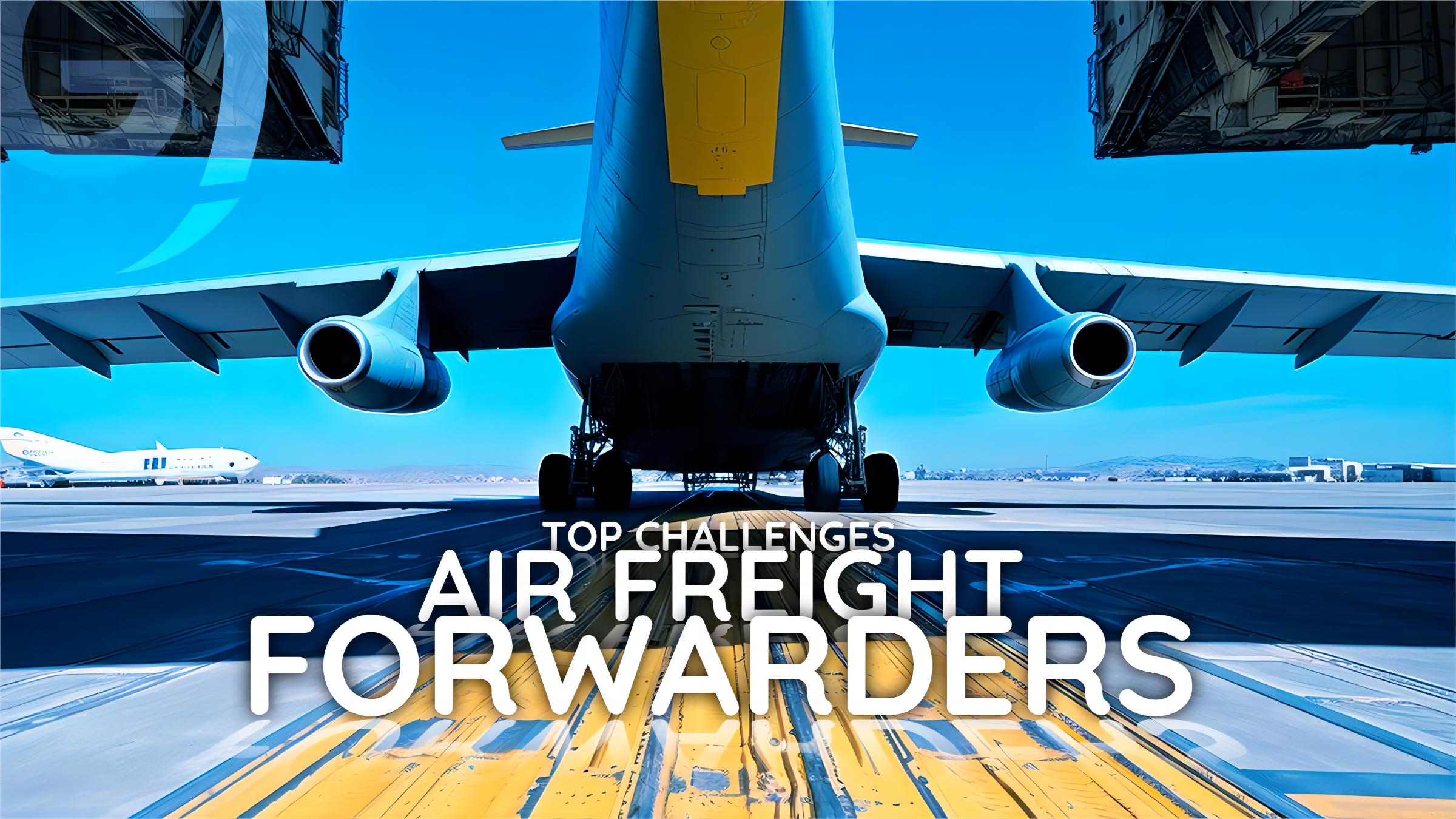
Freight Forwarder China to Germany (Customs Clearance Import) 2026 Guide
Finding a reliable freight forwarder China to Germany (customs clearance import) is essential for businesses navigating the complex logistics landscape of 2026. Global trade dynamics have shifted, making efficient supply chain management more critical than ever before. This comprehensive guide explores the best shipping methods, current market rates, and essential customs procedures to ensure your cargo arrives safely and on time. We address common pain points such as regulatory hurdles and fluctuating freight costs to provide you with actionable solutions.
What is the Role of a Freight Forwarder China to Germany (Customs Clearance Import)?
A professional freight forwarder acts as the primary intermediary between shippers and various transportation services. They manage the intricate details of moving goods across international borders, specifically focusing on the route from China to Germany. Moreover, these experts handle the essential documentation required for legal entry into the European Union.
Choosing the right partner ensures that your business complies with all German tax laws and import regulations. Furthermore, they provide strategic advice on the most cost-effective shipping methods based on your specific cargo volume. Consequently, many businesses save significant time and resources by outsourcing these tasks to experienced logistics providers.
Logistics coordinators also manage risk by offering insurance and real-time tracking for every shipment. Indeed, having a single point of contact simplifies the communication process during the entire transit period. Meanwhile, they negotiate with carriers to secure the best possible rates for their clients.
How Does Sea Freight Compare to Other Shipping Options?
When considering sea freight, businesses often prioritize cost savings over speed. This method remains the most popular choice for transporting large volumes of goods, such as machinery or bulk consumer products. However, transit times are significantly longer compared to air or rail alternatives.
In 2026, ocean freight rates have stabilized, although seasonal demand still influences the final price. Additionally, sea freight is the most environmentally friendly option for long-distance international shipping. Therefore, it is the preferred strategy for companies with flexible delivery schedules and high-volume needs.
Comparing different methods allows you to align your logistics strategy with your budget and timeline. For instance, while air freight offers rapid delivery, the cost per kilogram is substantially higher than ocean transport. On the other hand, rail freight serves as a middle ground for both price and speed.
| Shipping Method | Cost Range | Transit Time | Best For |
|---|---|---|---|
| Sea Freight (FCL) | $3,000 – $4,500 | 30 – 40 Days | Large volumes, heavy cargo |
| Air Freight | $5.50 – $9.00/kg | 5 – 8 Days | High-value, urgent goods |
| Rail Freight | $2,200 – $3,500 | 18 – 25 Days | Mid-range budget and speed |
| Express Service | $9.00 – $15.00/kg | 3 – 5 Days | Small parcels, samples |
Key Customs Clearance Import Procedures for Germany
Navigating the German customs office requires precise documentation and an understanding of EU trade laws. Using a dedicated customs brokerage service can prevent costly delays at the port of entry. Indeed, the German authorities are known for their strict adherence to safety and quality standards.
Importers must provide a valid EORI number and ensure all commercial invoices are accurate. Furthermore, the Harmonized System (HS) codes must be correctly applied to determine the applicable duties and taxes. Consequently, any errors in paperwork can lead to cargo seizures or heavy fines from the customs department.
To summarize, the import process involves several steps including declaration, inspection, and payment of Value Added Tax (VAT). Meanwhile, certain goods may require additional certificates, such as CE marking for electronics or health certificates for food items. Accordingly, preparation is the key to a smooth customs experience.
| Document Type | Required For | Primary Purpose |
|---|---|---|
| Commercial Invoice | All Shipments | Determining value and tax |
| Packing List | All Shipments | Identifying contents and weight |
| Bill of Lading | Sea Freight | Contract of carriage and title |
| Certificate of Origin | Specific Goods | Proof of manufacture location |
Air Freight vs. Rail Freight: Which Strategy Suits Your Business?
If speed is your primary concern, air freight is undoubtedly the superior choice for your supply chain. It allows businesses to restock inventory quickly and meet tight deadlines for product launches. Nevertheless, the high cost means it is usually reserved for lightweight or high-margin products.
In contrast, rail freight has gained significant traction as a reliable alternative through the Silk Road routes. It offers a faster transit time than sea freight while remaining more affordable than air transport. Thus, many automotive and industrial companies utilize rail for consistent delivery schedules.
Each method has its own set of trade-offs regarding cost and efficiency. For example, rail freight is less affected by weather conditions compared to air travel. Furthermore, the carbon footprint of rail is significantly lower than that of cargo planes, appealing to eco-conscious brands.
Understanding Shipping Costs and Transit Times in 2026
Market data suggests that freight rates from China to Germany have experienced moderate fluctuations in early 2026. These changes are often driven by fuel surcharges and carrier capacity adjustments. As a result, shippers should request updated quotes at least two weeks before their planned departure date.
Typical transit times vary based on the specific port of loading in China and the destination city in Germany. For instance, shipping from Shanghai to Hamburg usually takes less time than routes from inland Chinese cities. Additionally, peak seasons such as the weeks leading up to the Lunar New Year can see price increases of up to 25 percent.
Note: Freight rates are subject to change based on fuel costs, carrier capacity, and seasonal demand. Contact us for a current quote tailored to your specific shipment.
| Origin City | Destination | 20GP Rate | 40HQ Rate |
|---|---|---|---|
| Shenzhen | Hamburg | $2,100 – $2,600 | $3,400 – $4,300 |
| Ningbo | Bremen | $2,050 – $2,550 | $3,350 – $4,250 |
| Shanghai | Duisburg (Rail) | $2,400 – $2,900 | $3,800 – $4,800 |
| Guangzhou | Munich | $2,200 – $2,700 | $3,500 – $4,400 |
Case Study 1: Electronics from Shenzhen to Hamburg
Case Study 01: High-Volume Electronics Export. Route: Shenzhen, China to Hamburg, Germany. Cargo: Consumer electronics, 68 CBM, 14,500 kg. Container: 1 x 40HQ. Shipping Details: Carrier: Major ocean carrier. Port of Loading: Shenzhen. Port of Discharge: Hamburg. Route Type: Direct. Cost Breakdown: Ocean Freight: $3,950. Origin Charges: $450. Destination Charges: $600. Customs and Duties: $2,200. Total Landed Cost: $7,200. Timeline: Booking to Loading: 4 days. Sea Transit: 32 days. Customs Clearance: 2 days. Total Door-to-Door: 42 days. Key Insight: Early booking during the Q1 2026 period secured a lower rate before the spring peak.
This shipment highlight the importance of choosing a direct route to minimize handling risks. Moreover, the use of a 40HQ container maximized the volume efficiency for the lightweight electronics. Consequently, the client reduced their per-unit shipping cost by approximately 12 percent.

Case Study 2: Industrial Machinery from Ningbo to Munich
Case Study 02: Specialized Industrial Machinery. Route: Ningbo, China to Munich, Germany. Cargo: Precision lathes, 12 CBM, 8,200 kg. Container: LCL (Less than Container Load). Shipping Details: Carrier: Consolidation service. Port of Loading: Ningbo. Port of Discharge: Hamburg (then rail to Munich). Route Type: Transshipment. Cost Breakdown: Ocean Freight: $950. Origin Charges: $320. Destination Charges: $550. Customs and Duties: $4,100. Total Landed Cost: $5,920. Timeline: Booking to Loading: 6 days. Sea Transit: 35 days. Customs Clearance: 3 days. Total Door-to-Door: 48 days. Key Insight: Using LCL was more economical than a full 20GP container for this specific volume.
Managing heavy machinery requires specialized cargo handling and secure blocking and bracing. Furthermore, the transition from sea to rail for the final leg to Munich ensured a faster delivery than truck transport. Indeed, the client appreciated the end-to-end visibility provided by the freight forwarder.
Which Option Should You Choose? Decision Framework
Deciding on the best shipping method depends on your specific business priorities and cargo requirements. If your primary goal is budget optimization, sea freight remains the most logical choice for large shipments. However, if your inventory levels are low and you need immediate restocking, air freight is the necessary investment.
For shipments between 10 and 15 CBM, you should evaluate whether LCL or a full 20GP container is more cost-effective. Additionally, consider door to door services to simplify the logistics chain and reduce the number of touchpoints. This approach often results in fewer delays and lower administrative overhead.
Volume thresholds often dictate the switch between different transport modes. For example, once a shipment exceeds 15 CBM, FCL usually becomes cheaper than LCL due to fixed port fees. Meanwhile, hybrid solutions like sea-air combinations can offer a balance of speed and cost for urgent mid-sized cargo.
Final Thoughts on Shipping from China to Germany
Successfully importing goods requires a strategic partnership with an experienced freight forwarder China to Germany (customs clearance import). By understanding the nuances of sea, air, and rail freight, you can make informed decisions that benefit your bottom line. Moreover, staying updated on 2026 market trends and customs regulations is vital for long-term success.
Whether you are shipping small parcels or large industrial equipment, the right logistics plan will mitigate risks and enhance efficiency. Therefore, prioritize transparency and reliability when selecting your freight partner. With the right support, your business can thrive in the competitive European market.
Start Your Shipment
Streamline your international trade with a professional freight forwarder China to Germany (customs clearance import) today. Our team provides tailored logistics solutions to ensure your cargo reaches its destination efficiently and cost-effectively. Contact us now to receive a competitive quote and expert guidance for your next shipment. Visit our website to learn more about our comprehensive shipping services.
Request Quote