

Shipping Quote China to Netherlands: 2026 Freight Cost Guide
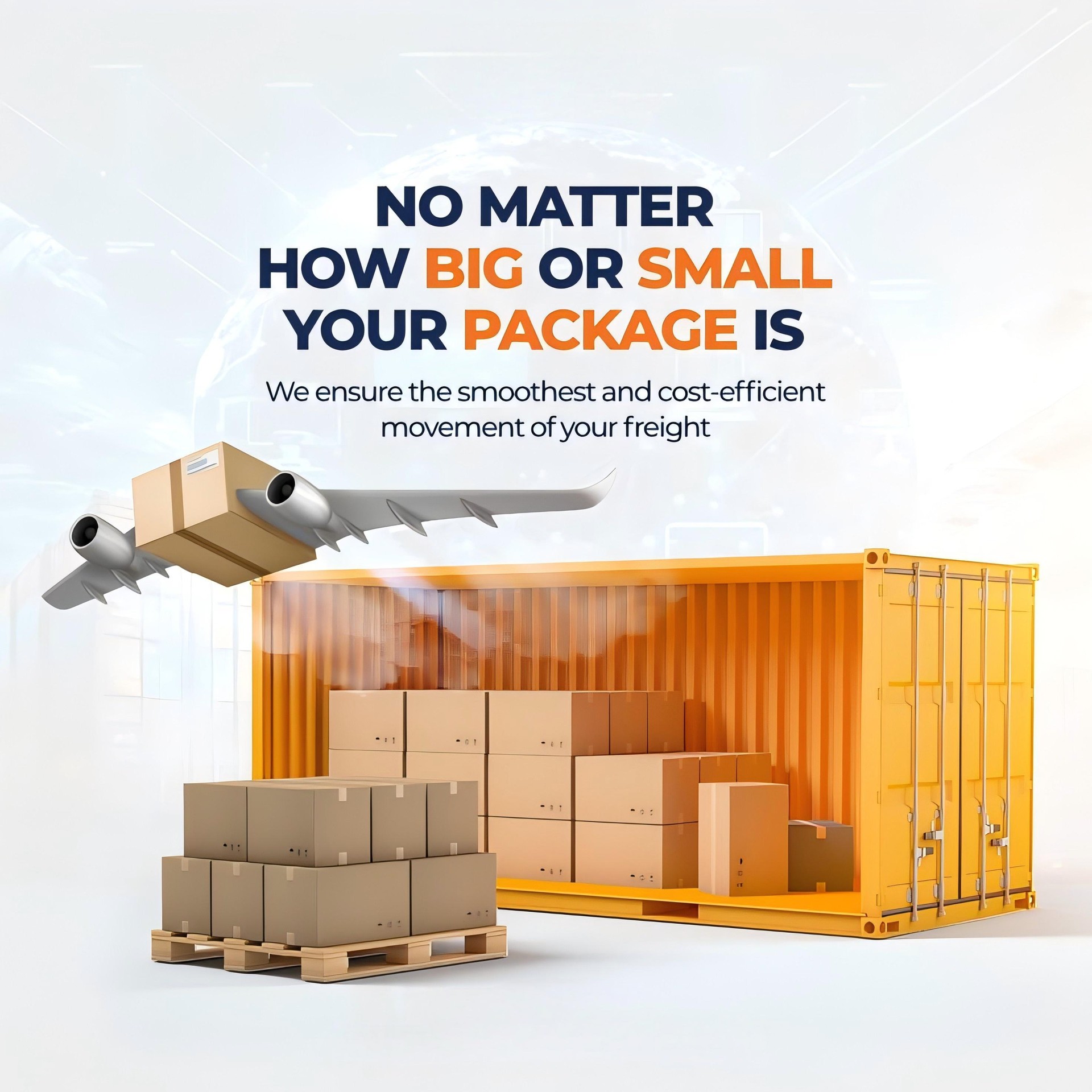
Securing a precise shipping quote China to Netherlands is the first step toward building a resilient and cost-effective supply chain in 2026. As global trade dynamics shift, businesses must navigate fluctuating fuel surcharges and evolving port regulations to maintain their competitive edge. By partnering with a dedicated logistics expert like DSV-Freight, you can streamline your operations and ensure your goods arrive safely at their destination. This comprehensive guide provides the essential data and market intelligence required to optimize your logistics strategy between these two major trading hubs.
What Factors Influence Your Shipping Quote China to Netherlands?
Several variables determine the final price you see on a shipping quote China to Netherlands in 2026. Fuel costs remain a primary driver, as carriers adjust their bunker adjustment factors based on global oil market volatility. Furthermore, the weight and volume of your cargo significantly impact the choice between different transport modes.
Seasonal demand plays a crucial role in pricing fluctuations throughout the year. For instance, the lead-up to the Golden Week in China often sees a surge in rates as shippers rush to move goods before the holiday. Meanwhile, port congestion in Rotterdam or major Chinese hubs like Shanghai can lead to unexpected surcharges or equipment imbalances.
Currency exchange rates between the Euro and the Yuan also influence the total landed cost of your shipments. Additionally, the specific nature of your goods, such as hazardous materials or oversized equipment, requires specialized handling that adds to the base freight rate. Consequently, understanding these factors helps you better predict and manage your annual logistics budget.
How Much Does it Cost to Ship from China to the Netherlands in 2026?
Current market data suggests that freight rates have stabilized in early 2026 following the disruptions of previous years. For ocean transport, a 40-foot high cube container typically ranges between 3,000 and 4,200 USD depending on the departure port. On the other hand, smaller shipments utilizing Less than Container Load (LCL) services are priced per cubic meter.
Air freight remains the most expensive option but offers unmatched speed for high-value or time-sensitive cargo. Specifically, rates for air cargo currently fluctuate between 4.50 and 7.50 USD per kilogram for standard shipments. Rail freight provides a middle ground, offering a balance between the high cost of air and the long transit times of sea transport.
Note: Freight rates are subject to change based on fuel costs, carrier capacity, and seasonal demand. Contact us for a current quote tailored to your specific shipment.
| Method | Unit | Price Range (USD) | Transit Time |
|---|---|---|---|
| Sea Freight (FCL 20GP) | Per Container | $1,800 – $2,500 | 28-35 Days |
| Sea Freight (FCL 40HQ) | Per Container | $3,000 – $4,200 | 30-38 Days |
| Air Freight | Per Kilogram | $4.50 – $7.50 | 3-7 Days |
| Rail Freight | Per Cubic Meter | $120 – $180 | 15-22 Days |
Which Shipping Method is Best for Your Business?
Choosing the right transport mode is essential for balancing speed and cost efficiency. If you are moving large volumes of consumer goods, sea freight is generally the most economical choice for your business. This method allows you to take advantage of economies of scale, especially when shipping full container loads.
However, if your inventory needs to reach the Dutch market within a few days, air freight is the superior alternative. Electronics, fashion items, and perishable goods often justify the higher expense of air transport due to their short shelf life or high market value. Moreover, air shipping reduces the need for large warehouse inventories in the Netherlands.
Businesses often overlook the flexibility of hybrid solutions that combine different modes of transport. For example, some shippers use a sea-air model to bridge the gap between cost and speed. Therefore, analyzing your specific cargo requirements is the first step in selecting the most appropriate logistics strategy for your 2026 operations.

How Does Sea Freight Compare to Other Shipping Options?
Objective analysis shows that sea freight remains the backbone of trade between China and Europe. While it is significantly slower than air transport, its capacity to carry massive quantities of goods is unrivaled. For instance, a single 40HQ container can hold up to 76 cubic meters of cargo, making the cost per unit extremely low.
In contrast, rail freight has gained popularity as a faster alternative to the sea route without the extreme costs of air transport. The New Silk Road rail connections provide a reliable schedule that bypasses the potential maritime delays at the Suez Canal. Nevertheless, rail capacity is more limited than ocean freight, which can lead to space shortages during peak periods.
Direct sea routes usually cost about 10 to 15 percent more than transshipment options but save nearly a week in transit time. Consequently, importers must decide if the time savings justify the higher freight rate. To summarize, each method offers distinct advantages depending on your budget and delivery schedule.
| Shipping Method | Cost Range | Transit Time | Best For | Limitations |
|---|---|---|---|---|
| Sea Freight | Lowest | 30-40 Days | Bulk, non-urgent | Slowest speed |
| Air Freight | Highest | 3-7 Days | High-value, urgent | Weight limits |
| Rail Freight | Medium | 15-22 Days | Medium-value goods | Limited capacity |
| Express | Very High | 2-4 Days | Samples, documents | Small parcels only |
Can You Save Money with Rail Freight to the Netherlands?
Utilizing rail freight can be a game-changer for businesses looking to optimize their supply chain costs. This method typically costs 50 percent less than air freight while being significantly faster than traditional ocean routes. Indeed, many European retailers now use rail to replenish stock quickly during the busy fourth quarter.
Rail transport is also considered more environmentally friendly than air freight, which helps companies meet their sustainability goals. Furthermore, the stability of rail rates compared to the volatile ocean market makes budgeting much easier for logistics managers. Additionally, the infrastructure improvements along the Eurasian land bridge have reduced transit times to as little as 15 days.
However, you must ensure your cargo is suitable for rail transport, as certain hazardous materials are restricted. Meanwhile, most standard palletized goods and machinery move easily via the rail network. Therefore, requesting a rail-specific shipping quote China to Netherlands is highly recommended for mid-tier cargo volumes.
What is the Transit Time for Cargo from China to Rotterdam?
Transit times vary based on the specific departure port in China and the final destination in Europe. Direct sea shipments from Shanghai to Rotterdam usually take between 28 and 32 days under normal conditions. In contrast, shipments from southern ports like Shenzhen might take slightly longer if they include multiple stops along the route.
Air cargo transit times are much more predictable, typically ranging from 3 to 7 days including ground handling and customs. Specifically, direct flights between major hubs like Beijing and Amsterdam offer the fastest possible connection. Moreover, express courier services can further reduce this time by providing integrated door-to-door solutions.
Weather conditions and port productivity also influence these timelines throughout the year. For instance, winter storms in the North Sea can occasionally delay vessel arrivals at the Port of Rotterdam. Consequently, it is wise to build a buffer of 3 to 5 days into your delivery schedule to account for potential logistical hurdles.
Do You Need a Customs Broker for Netherlands Imports?
Navigating the complexities of European Union customs regulations requires professional expertise to avoid costly delays. Engaging a customs brokerage service ensures that all your documentation is accurate and compliant with Dutch law. Specifically, the correct classification of your goods using HS codes determines the amount of VAT and import duties you must pay.
Customs brokers also handle the electronic submission of declarations, which speeds up the release of your cargo upon arrival. Furthermore, they can advise you on potential duty exemptions or trade agreements that might lower your total costs. In addition, having a local representative in the Netherlands facilitates smoother communication with the Dutch Tax and Customs Administration.
Without proper guidance, your shipment could be held for inspection, leading to significant storage fees at the port or airport. Therefore, including customs clearance services in your shipping quote China to Netherlands is a prudent move for any serious importer. Indeed, the peace of mind provided by professional compliance far outweighs the service fees involved.
| Document Name | Purpose | Required By | Typical Format |
|---|---|---|---|
| Commercial Invoice | Value verification | Customs | Digital/PDF |
| Packing List | Cargo details | Port Authority | Digital/PDF |
| Bill of Lading | Title to goods | Carrier | Original/Telex |
| Certificate of Origin | Duty calculation | Customs | Physical/Digital |
Real-World Case Studies for 2026 Logistics
Case Study 1: Electronics from Shenzhen to Rotterdam
Box format details:
Route: Shenzhen, China to Rotterdam, Netherlands Cargo: Consumer Electronics, 15 CBM, 4500 kg Container: LCL (Less than Container Load) Shipping Details: – Carrier/Service: Major Ocean Carrier – Port of Loading: Shenzhen – Port of Discharge: Rotterdam – Route Type: Direct Cost Breakdown: – Ocean Freight: $1,250 – Origin Charges: $350 – Destination Charges: $420 – Customs and Duties: $1,100 – Total Landed Cost: $3,120 Timeline: – Booking to Loading: 3 days – Sea Transit: 31 days – Customs Clearance: 2 days – Total Door-to-Door: 36 days Key Insight: LCL was chosen over air freight to save approximately $15,000 in transport costs while maintaining a steady inventory flow.
Case Study 2: Fashion Apparel from Ningbo to Amsterdam
Box format details:
Route: Ningbo, China to Amsterdam, Netherlands Cargo: High-end Apparel, 2 CBM, 400 kg Container: Air Freight Shipping Details: – Carrier/Service: Standard Air Cargo – Port of Loading: Ningbo Lishe – Port of Discharge: Amsterdam Schiphol – Route Type: Direct Flight Cost Breakdown: – Air Freight: $2,400 – Origin Charges: $150 – Destination Charges: $200 – Customs and Duties: $850 – Total Landed Cost: $3,600 Timeline: – Booking to Loading: 1 day – Air Transit: 2 days – Customs Clearance: 1 day – Total Door-to-Door: 4 days Key Insight: Speed was the priority to meet a seasonal launch deadline in the Dutch retail market.
Case Study 3: Industrial Machinery from Chengdu to Tilburg
Box format details:
Route: Chengdu, China to Tilburg, Netherlands Cargo: Precision Machinery, 28 CBM, 8000 kg Container: 20GP Full Container Shipping Details: – Carrier/Service: Rail Freight (Silk Road) – Port of Loading: Chengdu Rail Terminal – Port of Discharge: Tilburg Rail Hub – Route Type: Trans-Eurasian Rail Cost Breakdown: – Rail Freight: $4,800 – Origin Charges: $400 – Destination Charges: $550 – Customs and Duties: $2,200 – Total Landed Cost: $7,950 Timeline: – Booking to Loading: 4 days – Rail Transit: 18 days – Customs Clearance: 2 days – Total Door-to-Door: 24 days Key Insight: Rail freight provided a 14-day time saving compared to sea freight at a fraction of the air freight cost.
Which Option Should You Choose?
Deciding on the best logistics strategy requires a clear understanding of your business priorities. If your primary goal is budget priority, we recommend choosing sea freight for all shipments exceeding 15 cubic meters. This method offers the lowest cost per unit and is ideal for non-perishable items.
For speed priority, air freight is the only viable option to ensure your goods arrive within a week. This is particularly important for responding to sudden market trends or fulfilling urgent customer orders. Additionally, small parcels under 100 kilograms are often more cost-effective when shipped via express services.
Cargo type considerations also play a role, as heavy machinery might be better suited for the stability of rail or sea transport. For a comprehensive solution, door to door services provide the most convenience by handling every step of the process. Consequently, evaluating these criteria will lead you to the most efficient shipping quote China to Netherlands.
Conclusion
Mastering the logistics of importing from East Asia requires more than just finding a low shipping quote China to Netherlands. It involves a strategic assessment of transport modes, transit times, and customs requirements to ensure long-term success. By understanding the 2026 market landscape, you can make informed decisions that protect your margins and delight your customers.
Whether you choose the cost-efficiency of the sea, the speed of the air, or the balanced approach of rail freight, professional guidance is invaluable. Focus on building a reliable partnership with an experienced freight forwarder to navigate the complexities of international trade. Start your journey today by requesting a detailed quote and taking control of your global logistics strategy.
Need a tailored shipping solution?
Ready to optimize your supply chain with a competitive shipping quote China to Netherlands? Contact our expert team today to receive a personalized freight analysis and secure the best rates for 2026. Visit our inquiry page to get started: Send Inquiry
Frequently Asked Questions
How long does it take to ship from China to the Netherlands?
Sea freight takes 28-38 days, rail freight takes 15-22 days, and air freight usually arrives within 3-7 days.
What is the cheapest way to ship to the Netherlands?
Sea freight is the most economical method for large volumes, particularly when shipping full container loads (FCL).
Do I need insurance for my shipment from China?
Yes, cargo insurance is highly recommended to protect against damage, loss, or theft during the long international transit.
What are the main ports in the Netherlands for Chinese imports?
Rotterdam is the primary sea port, while Amsterdam Schiphol is the main hub for air cargo arrivals.
How is the cost of air freight calculated?
Air freight is calculated based on either the actual weight or the volumetric weight, whichever is higher.
Are there extra fees for door-to-door delivery?
Yes, door-to-door quotes include local trucking, handling, and delivery fees in addition to the main freight cost.
Can I ship small quantities from China to the Netherlands?
Yes, LCL (Less than Container Load) or express courier services are perfect for shipping smaller quantities economically.
What documents do I need for Dutch customs?
Standard documents include a commercial invoice, packing list, bill of lading, and sometimes a certificate of origin.