


Shipping from China to Netherlands: 2026 Freight and Logistics Guide
Shipping from China to Netherlands remains a cornerstone of international trade between Asia and the European Union in 2026. As businesses look to optimize their supply chains, understanding the nuances of logistics routes and costs is essential for maintaining a competitive edge. Visit ailogisticschina.com to explore professional freight solutions tailored to your specific business requirements.
What are the Primary Methods for Shipping from China to Netherlands?
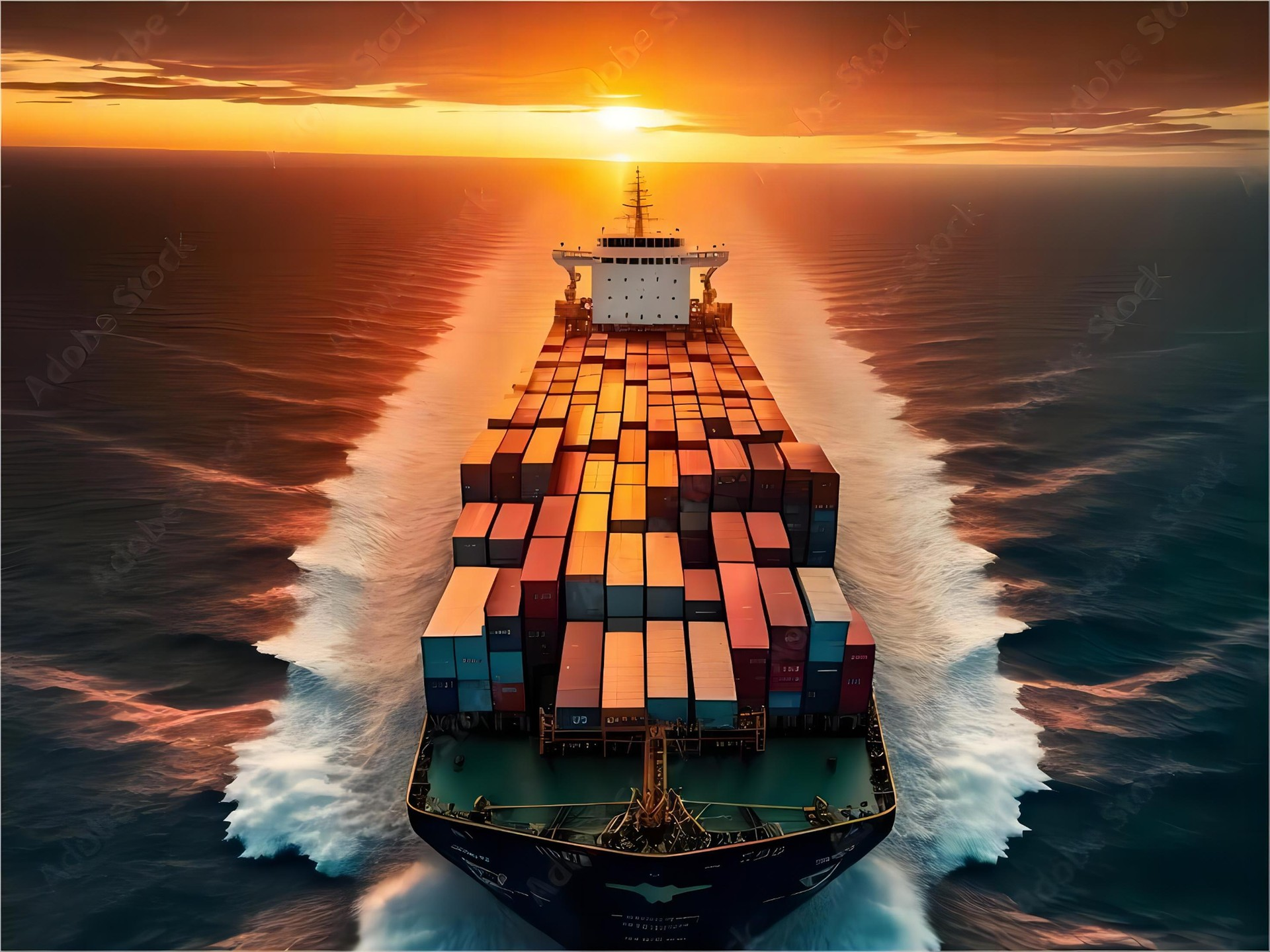
Selecting the most efficient mode of transport is the first critical decision for any importer. Currently, businesses can choose between sea, air, rail, and express services depending on their budget and urgency.
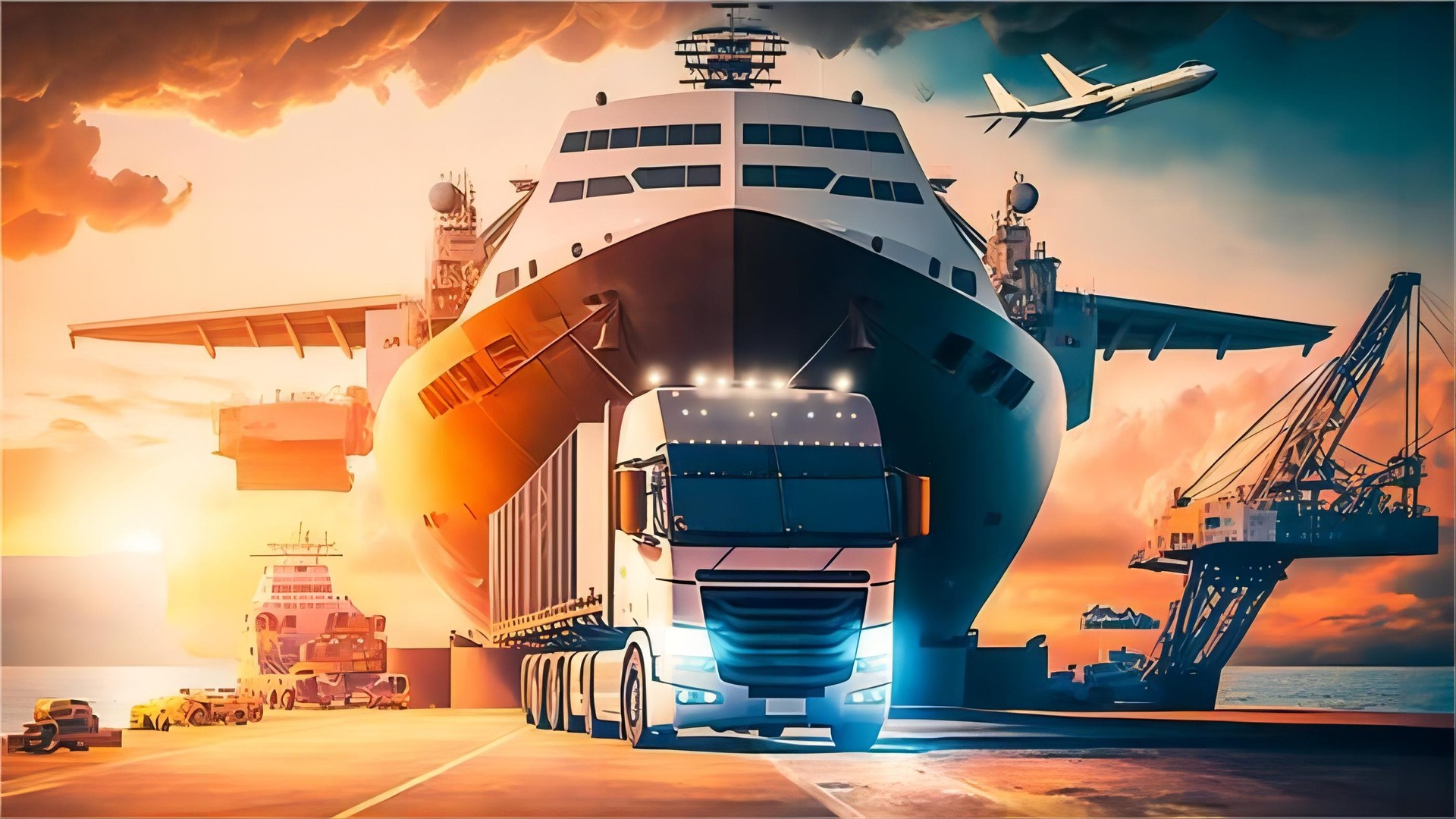
Moreover, the choice of method significantly impacts your total landed cost and inventory turnover rates. Specifically, sea freight remains the most popular choice for high-volume shipments due to its unmatched cost-efficiency for large-scale cargo.
Consequently, companies must weigh the benefits of slower, cheaper ocean transit against the rapid but expensive nature of air transport. In addition, the resurgence of rail routes has provided a middle ground for those seeking a balance between speed and expenditure.
How Does Sea Freight Compare to Other Shipping Options?
Evaluating the different logistics channels requires a look at costs, transit times, and capacity limitations. While ocean freight is the backbone of global trade, it is not always the best fit for time-sensitive electronics or perishable goods.
Furthermore, the environmental impact of each method is becoming a significant factor for Dutch companies adhering to strict sustainability regulations. Therefore, rail freight is often viewed as a greener alternative to air transport for transcontinental routes.
Additionally, the reliability of schedules varies across these methods. For instance, air freight offers the highest frequency of departures, whereas sea freight can be subject to port congestion at major hubs like Rotterdam or Shanghai.
| Shipping Method | Cost Range (USD) | Transit Time | Best For | Limitations |
|---|---|---|---|---|
| Sea Freight (FCL 40HQ) | $3,200 – $4,500 | 30 – 38 Days | Bulk goods, heavy machinery | Slowest transit time |
| Air Freight (per kg) | $4.50 – $7.50 | 4 – 7 Days | Electronics, high-value | High cost, weight limits |
| Rail Freight (40HQ) | $4,000 – $5,500 | 18 – 24 Days | Mid-value industrial parts | Subject to border checks |
| Express Shipping | $8.00 – $12.00 | 3 – 5 Days | Samples, small parcels | Most expensive per unit |
Using Air Freight for Rapid Delivery to Amsterdam
When speed is the absolute priority, air freight provides the fastest connection between Chinese manufacturing hubs and Schiphol Airport. Indeed, this method reduces the lead time from weeks to just a few days.
Nevertheless, the premium price of air transport necessitates careful cargo optimization to avoid unnecessary volumetric weight charges. Accordingly, shippers should focus on high-density products that maximize the available space within air containers.
Meanwhile, the integration of advanced tracking technology allows importers to monitor their high-value goods in real-time. As a result, the risk of theft or damage is significantly lower compared to other modes of transportation.
The Strategic Advantage of Rail Freight from China to Tilburg
In recent years, rail freight has emerged as a formidable competitor for the Netherlands route. Specifically, the Iron Silk Road connects cities like Xi’an and Chengdu directly to Dutch logistics hubs like Tilburg and Venlo.
Moreover, rail transit is approximately 40 percent faster than sea freight while remaining significantly cheaper than air transport. This makes it an ideal solution for fashion retailers and automotive parts suppliers who need consistent stock replenishment.
However, shippers must stay informed about geopolitical stability along the rail corridors. Despite these challenges, the infrastructure improvements in 2026 have made rail a reliable and predictable component of the modern supply chain.
Understanding Shipping Costs and 2026 Freight Rates
Freight rates in 2026 have stabilized following the volatility of previous years, yet they remain sensitive to fuel prices and seasonal demand. Typically, rates increase by 15 to 25 percent during the peak season from August to October.
For instance, a standard 20GP container might cost between $1,900 and $2,600 depending on the departure port. Without a doubt, booking at least 3-4 weeks in advance is the most effective way to secure lower rates and guaranteed space.
Note: Freight rates are subject to change based on fuel costs, carrier capacity, and seasonal demand. Contact us for a current quote tailored to your specific shipment.
| Route | 20GP Container | 40GP Container | 40HQ Container | Transit Time |
|---|---|---|---|---|
| Shanghai to Rotterdam | $2,000 – $2,400 | $3,100 – $3,700 | $3,400 – $4,100 | 32 Days |
| Shenzhen to Rotterdam | $1,900 – $2,300 | $3,000 – $3,600 | $3,300 – $4,000 | 30 Days |
| Ningbo to Rotterdam | $2,050 – $2,500 | $3,200 – $3,800 | $3,500 – $4,200 | 34 Days |
| Qingdao to Rotterdam | $2,100 – $2,600 | $3,300 – $3,900 | $3,600 – $4,300 | 36 Days |
Customs Clearance and Essential Documentation
Navigating the Dutch customs authority requires precise documentation and a thorough understanding of EU import regulations. Utilizing a professional customs brokerage service can prevent costly delays and fines at the border.
Furthermore, the Netherlands serves as a gateway to the rest of Europe, meaning goods cleared here can often move freely within the Schengen Area. Consequently, ensuring your Commercial Invoice and Packing List are error-free is vital for smooth entry.
In addition, importers must be aware of the EORI number requirement for all businesses importing into the EU. Therefore, preparing these administrative details well before the cargo arrives will streamline the final delivery process.
| Document Type | Purpose | Required For | Source |
|---|---|---|---|
| Bill of Lading | Title of goods | All sea shipments | Carrier |
| Commercial Invoice | Valuation for duty | All shipments | Shipper |
| Packing List | Cargo details | All shipments | Shipper |
| Certificate of Origin | Preferential tariffs | Specific goods | Chamber of Commerce |
Case Studies: Real-World Shipping Scenarios
To illustrate the practical application of these shipping methods, we have compiled recent examples from our 2026 logistics operations. These cases highlight the balance between cost, speed, and cargo type.
Case Study 1: High-Volume Consumer Goods. Route: Shenzhen to Rotterdam. Cargo: Electronics and accessories, 68 CBM. Container: 40HQ. Shipping Details: Major carrier, Direct route. Ocean Freight: $3,850. Origin Charges: $450. Destination Charges: $600. Customs and Duties: $1,200. Total Landed Cost: $6,100. Timeline: 33 days door-to-door. Key Insight: FCL provided the lowest cost per unit for this high-volume retailer.
Case Study 2: Urgent Industrial Components. Route: Shanghai to Amsterdam. Cargo: Precision machinery parts, 450 kg. Method: Air Freight. Shipping Details: Premium air service. Cost: $3,150. Customs Clearance: 1 day. Total Door-to-Door: 6 days. Key Insight: Air freight prevented a factory shutdown in Eindhoven despite the higher transport cost.
Case Study 3: Furniture Distribution. Route: Chengdu to Tilburg. Cargo: Home furniture, 28 CBM. Method: Rail Freight (LCL). Shipping Details: Transshipment via Poland. Cost: $2,400. Timeline: 22 days. Key Insight: Rail provided a 10-day advantage over sea freight at a fraction of the air freight cost.
Which Shipping Strategy Should You Choose?
Selecting the right strategy depends on your specific business priorities and the nature of your products. If your primary goal is budget optimization, sea freight is the logical choice for large volumes.
On the other hand, if you are shipping high-value items with short lifecycles, air freight is the only viable option. For those targeting the broader Europe market, utilizing the Netherlands as a hub for rail or sea distribution is highly effective.
Furthermore, consider hybrid solutions such as sea-air if you need to balance costs mid-transit. Ultimately, a diversified logistics strategy that utilizes multiple modes of transport will provide the greatest resilience against market fluctuations.
Final Thoughts on Shipping from China to Netherlands
In summary, shipping from China to Netherlands in 2026 offers a variety of robust options for businesses of all sizes. Whether you prioritize the speed of air freight, the economy of sea freight, or the balance of rail transport, success depends on careful planning and expert execution.
By understanding the costs, transit times, and documentation requirements, you can navigate the complexities of international trade with confidence. Remember to stay updated on market trends and work with reliable partners to ensure your cargo arrives safely and on schedule.
Need a tailored shipping solution?
Optimizing your shipping from China to Netherlands is essential for business success in 2026. Our team of logistics experts is ready to provide you with a competitive quote and a streamlined shipping plan today. Visit our website to request a personalized consultation and take the first step toward a more efficient supply chain. Send Inquiry: