


Shipping from China to Mexico: 2026 Guide to Costs and Times
Navigating the complexities of shipping from China to Mexico requires a strategic approach to manage costs and ensure timely delivery in the current market. Businesses must adapt to the evolving trade landscape in 2026 by leveraging expert logistics solutions provided by ailogisticschina.com. This comprehensive guide explores the most efficient shipping methods, current market rates, and essential customs procedures to streamline your international supply chain and importing operations.
What are the Main Methods for Shipping from China to Mexico?
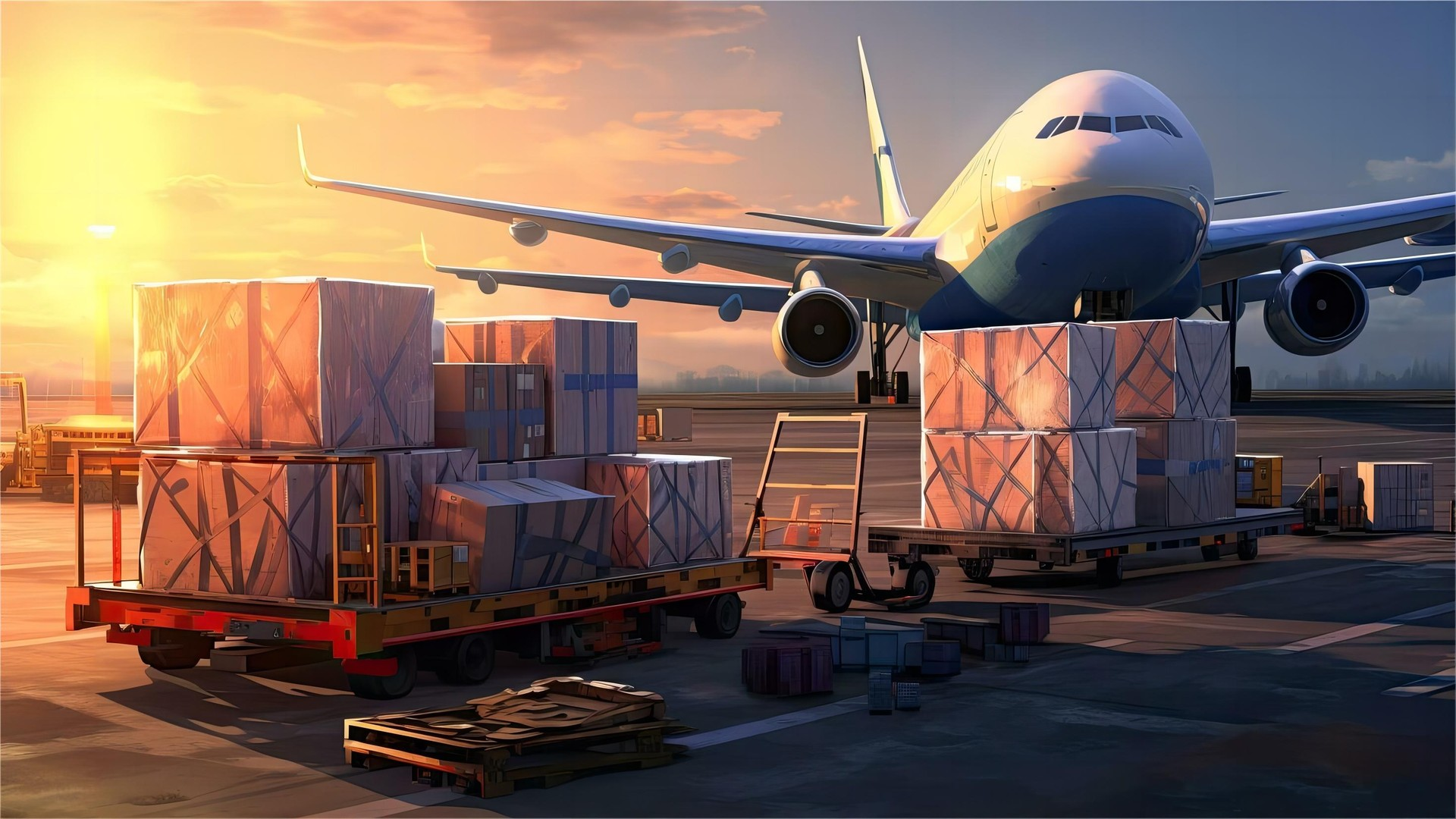
Selecting the right transportation mode is the first critical step for any successful import operation from Asian hubs to North American markets. Consequently, most businesses choose between ocean freight and air cargo based on their specific budget constraints and delivery deadlines.

Large volume shipments typically utilize sea freight because it offers the most economical solution for heavy or bulky goods. Furthermore, this method supports both Full Container Load (FCL) and Less than Container Load (LCL) configurations depending on your total cargo volume.
High-value or time-sensitive products often require the speed of air freight to meet tight market demands. Although the cost per kilogram is significantly higher than ocean transport, the reduction in transit time can provide a competitive advantage for seasonal inventory.
How Much Does Shipping from China to Mexico Cost in 2026?
Market data suggests that freight rates have stabilized in early 2026 following the logistics disruptions seen in previous years. Nevertheless, prices fluctuate based on fuel surcharges, seasonal demand peaks, and available carrier capacity at major Chinese ports.
Typical rates for a 40HQ container currently range between 4,200 and 5,800 USD depending on the specific port of origin and destination. Meanwhile, LCL shipments are generally priced per cubic meter, making them ideal for smaller businesses managing modest inventory levels.
Note: Freight rates are subject to change based on fuel costs, carrier capacity, and seasonal demand. Contact us for a current quote tailored to your specific shipment.
| Container Type | Estimated Rate (USD) | Transit Time | Best For |
|---|---|---|---|
| 20GP Container | 2,800 – 3,600 | 22-28 Days | Heavy compact goods |
| 40GP Container | 3,800 – 4,800 | 25-30 Days | General merchandise |
| 40HQ Container | 4,200 – 5,500 | 25-30 Days | Voluminous cargo |
| LCL (per CBM) | 120 – 180 | 30-35 Days | Small shipments |
How Does Sea Freight Compare to Other Shipping Options?
Understanding the trade-offs between different logistics strategies is essential for maintaining a healthy profit margin. While sea freight remains the backbone of global trade, alternative methods like express service provide necessary speed for urgent documents or samples.
For instance, sea freight costs approximately 0.50 to 1.50 USD per kilogram for large shipments, whereas air freight can reach 6.00 to 9.00 USD per kilogram. However, the transit time for ocean routes is roughly 25 days compared to just 5 days for air transport.
Specifically, hybrid solutions such as sea-air combinations are gaining popularity in 2026 for those seeking a middle ground in both cost and speed. These multi-modal strategies allow shippers to optimize their supply chain by balancing urgency with budgetary limitations.
| Shipping Method | Cost Range | Transit Time | Best For | Limitations |
|---|---|---|---|---|
| Sea Freight | Low | 22-35 Days | Bulk inventory | Long lead times |
| Air Freight | High | 3-7 Days | Electronics/Fashion | Weight limits |
| Express | Very High | 2-4 Days | Samples/Urgent | High cost |
| Sea-Air Hybrid | Medium | 12-18 Days | Mid-value goods | Complex booking |
Which Option Should You Choose for Your Mexican Imports?
Choosing the most effective shipping method depends on several factors including your total budget, required delivery speed, and the nature of your cargo. Regardless of your choice, ensuring proper documentation is vital for avoiding delays at Mexican customs checkpoints.
Budget priority: If your primary goal is to minimize landed costs, ocean freight is the undisputed winner for shipments exceeding 2 CBM. Consequently, many retailers plan their inventory cycles months in advance to accommodate the longer sea transit times.
Speed priority: When you face stockouts or tight production deadlines, air freight provides the reliability needed to keep your business running. Additionally, express services offer the convenience of door-to-door delivery with minimal administrative burden for the importer.
What Documents are Required for Mexican Customs?
Proper documentation acts as the passport for your goods entering Mexico and prevents costly storage fees at the port of entry. Therefore, working with an experienced customs brokerage is highly recommended to navigate the specific NOM regulations and tax requirements.
Mexican customs authorities require a detailed commercial invoice, a packing list, and a valid Bill of Lading or Air Waybill. Moreover, certain products may require certificates of origin or specialized permits depending on their classification under the Mexican tariff schedule.
Logistics providers often assist in preparing these documents to ensure they meet the rigorous standards of the SAT (Servicio de Administracion Tributaria). Failure to provide accurate information can result in shipment seizures or significant financial penalties.
| Document Name | Purpose | Required By | Typical Format |
|---|---|---|---|
| Commercial Invoice | Valuation of goods | Customs/Tax | Digital/PDF |
| Packing List | Cargo verification | Warehouse/Customs | Detailed list |
| Bill of Lading | Title to goods | Carrier/Bank | Original/Telex |
| NOM Certificate | Safety standards | Regulatory body | Official stamp |
Understanding Door to Door Logistics for Mexican Businesses
Implementing a door to door shipping strategy simplifies the entire process by consolidating multiple logistics steps into a single service. This approach is particularly beneficial for companies that do not have dedicated logistics departments to manage port-to-port transfers.
Successful door-to-door operations include inland trucking in China, export clearance, international freight, and final mile delivery in Mexico. As a result, the importer receives a single invoice and a single point of contact for the entire journey of the goods.
Modern logistics platforms now offer real-time tracking for these shipments, providing transparency from the factory floor in Shenzhen to the warehouse in Monterrey. This level of visibility is essential for modern supply chain management and inventory planning.
How to Manage Amazon FBA Shipments to Mexico Efficiently
Expanding your e-commerce reach into the Mexican market via Amazon FBA requires strict adherence to Amazon’s labeling and packaging requirements. Consequently, specialized freight forwarders offer prep services in China to ensure your goods are ready for immediate acceptance at Mexican fulfillment centers.
Shipping directly to Amazon’s warehouses in Mexico City or Queretaro can significantly reduce your delivery times to local customers. Furthermore, using a freight forwarder experienced with FBA ensures that your cargo meets all appointment scheduling and palletization standards.
Industry benchmarks suggest that FBA sellers who optimize their shipping routes can save up to 15 percent on total logistics costs. These savings are often achieved by consolidating multiple small orders into larger FCL shipments before distributing them to various regional centers.
Real-World Case Studies: Successful Shipments to Mexico
Case Study 1: Electronics from Shenzhen to Manzanillo. Route: Shenzhen, China to Manzanillo, Mexico. Cargo: Consumer Electronics, 68 CBM, 12,000 kg. Container: 40HQ. Shipping Details: Carrier: Major ocean carrier. Port of Loading: Shenzhen. Port of Discharge: Manzanillo. Route Type: Direct. Cost Breakdown: Ocean Freight: 4,500 USD. Origin Charges: 450 USD. Destination Charges: 600 USD. Customs and Duties: 1,200 USD. Total Landed Cost: 6,750 USD. Timeline: Booking to Loading: 4 days. Sea Transit: 24 days. Customs Clearance: 3 days. Total Door-to-Door: 31 days. Key Insight: Direct sailing to Manzanillo saved 5 days compared to transshipment routes.
Case Study 2: Auto Parts from Ningbo to Mexico City. Route: Ningbo, China to Mexico City, Mexico. Cargo: Automotive Spare Parts, 4 CBM, 1,200 kg. Container: LCL. Shipping Details: Carrier: Consolidated service. Port of Loading: Ningbo. Port of Discharge: Veracruz. Route Type: Transshipment via Panama. Cost Breakdown: Ocean Freight: 680 USD. Origin Charges: 150 USD. Destination Charges: 280 USD. Customs and Duties: 400 USD. Total Landed Cost: 1,510 USD. Timeline: Booking to Loading: 5 days. Sea Transit: 32 days. Customs Clearance: 4 days. Total Door-to-Door: 41 days. Key Insight: LCL was 40 percent cheaper than air freight for this heavy weight shipment.
Mastering Your Shipping from China to Mexico
In conclusion, successfully shipping from China to Mexico in 2026 involves a careful balance of selecting the right freight method and ensuring meticulous documentation. Whether you choose the cost-effectiveness of sea freight or the speed of air cargo, understanding the local Mexican market requirements is paramount.
Ultimately, partnering with a reliable freight forwarder will allow you to focus on growing your business while your logistics needs are handled professionally. Start optimizing your supply chain today to stay ahead in the competitive Mexican import landscape.
Need a tailored shipping solution?
Streamline your international trade operations today by partnering with a logistics expert who understands the nuances of shipping from China to Mexico. Contact our professional team for a personalized quote and let us handle the complexities of your next shipment to the Mexican market.