

Shipping from China to Canada: 2026 Cost and Logistics Guide
Optimizing your supply chain starts with understanding the nuances of shipping from china to Canada in the current 2026 market. Importers frequently encounter challenges ranging from volatile fuel surcharges to complex customs regulations at Canadian ports. Consequently, selecting the right logistics partner is essential for maintaining healthy profit margins and ensuring timely delivery. This comprehensive guide explores the most effective freight strategies, current pricing trends, and regulatory requirements to help you navigate the trans-Pacific corridor successfully.
What Are the Primary Methods for Shipping from China to Canada?
Businesses have several options when moving cargo across the Pacific, each offering distinct advantages based on budget and urgency. For instance, sea freight remains the most popular choice for high-volume shipments due to its cost-effectiveness.
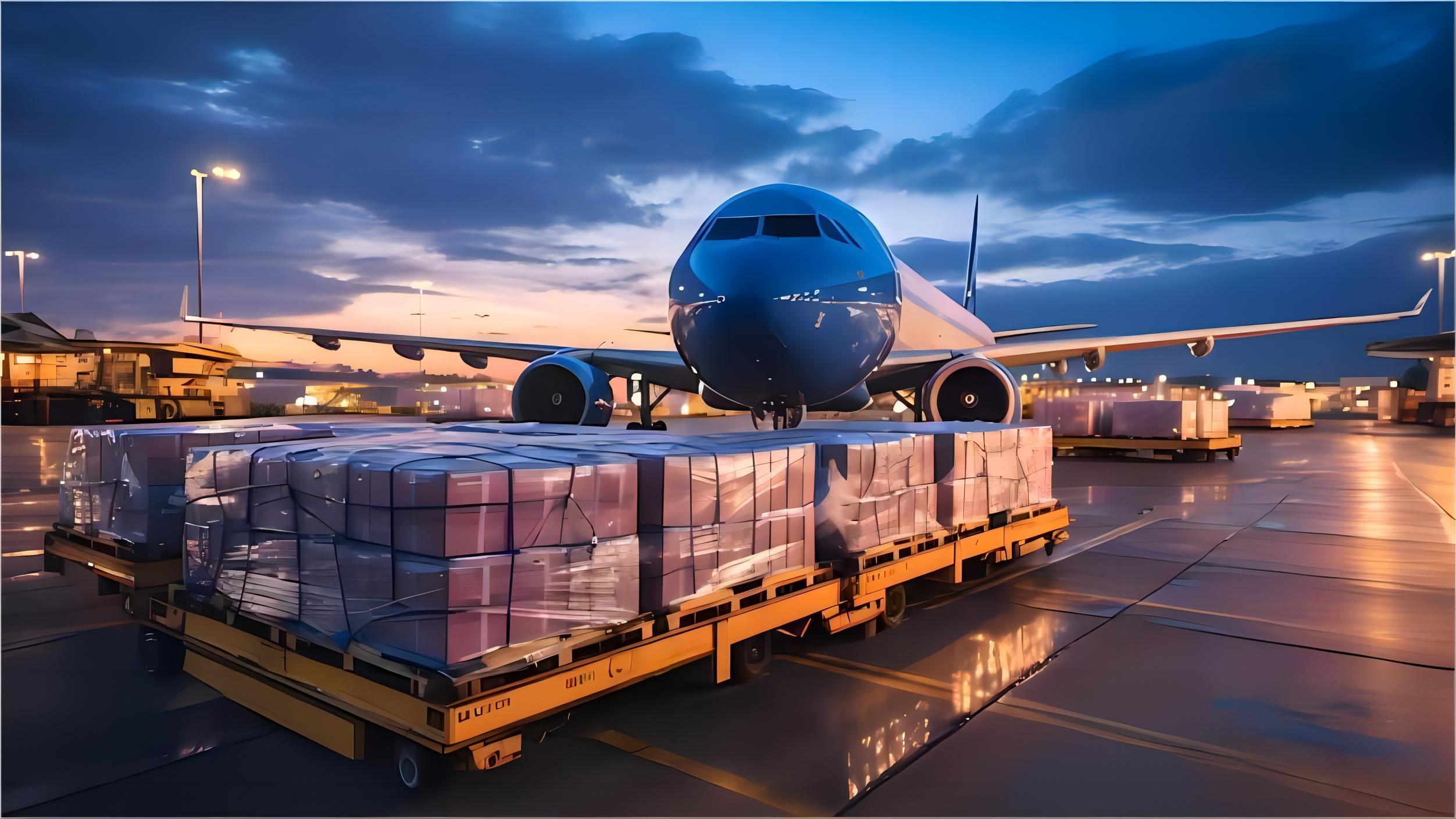
Moreover, air freight serves as a critical alternative for time-sensitive goods or high-value electronics that require rapid turnover. Meanwhile, Express Service providers like DHL or FedEx offer the fastest door-to-door solutions for smaller parcels and samples.
Additionally, many e-commerce sellers utilize specialized Amazon FBA logistics to streamline their inventory management within the Canadian market. Choosing the right method depends heavily on your specific cargo volume and the required delivery schedule.
How Does Sea Freight Compare to Other Shipping Options?
Evaluating the trade-offs between ocean and air transport is vital for any business looking to reduce overhead. While sea freight offers the lowest cost per unit, it requires significantly longer lead times compared to aerial alternatives.
Furthermore, sea freight is less susceptible to the weight-based pricing models that make air transport expensive for heavy machinery. However, air freight provides superior security and a lower risk of damage for fragile components.
Therefore, most experienced importers maintain a hybrid strategy, using ocean freight for bulk inventory and air freight for emergency restocks. This balance ensures that the supply chain remains resilient against unforeseen disruptions.
| Shipping Method | Cost Range (USD) | Transit Time | Best For |
|---|---|---|---|
| Sea Freight (FCL) | $2,800 – $4,500 | 18-35 Days | Large Bulk Orders |
| Sea Freight (LCL) | $80 – $150/CBM | 25-40 Days | Small-Medium Cargo |
| Air Freight | $5.50 – $9.00/kg | 3-7 Days | High-Value Goods |
| Express Courier | $9.00 – $15.00/kg | 2-5 Days | Samples & Urgent |
What Are the Transit Times from Major Chinese Ports to Canada?
Transit times vary significantly depending on whether your destination is on the West Coast or the East Coast of Canada. For example, shipping from Shenzhen to Vancouver is considerably faster than shipping to Toronto or Montreal.
Specifically, direct vessels to the Port of Vancouver typically take between 15 and 20 days under normal conditions. In contrast, shipments destined for the East Coast often require 30 to 35 days as they must transit through the Panama Canal.
Additionally, port congestion and rail transfers from the coast to inland provinces can add another 5 to 10 days to the total timeline. Consequently, you should always factor in a buffer period when planning your inventory cycles.
Understanding 2026 Freight Rates and Cost Factors
Shipping costs in 2026 are influenced by several dynamic factors including fuel prices, seasonal demand, and carrier capacity. As of early 2026, freight rates have stabilized but remain higher than pre-pandemic historical averages.
Moreover, peak season surcharges typically apply from August through October as retailers prepare for the holiday shopping period. During these months, you might see a 20 percent increase in standard container rates.
Furthermore, local charges such as terminal handling fees and documentation costs at both origin and destination must be included in your budget. Note: Freight rates are subject to change based on fuel costs, carrier capacity, and seasonal demand. Contact us for a current quote tailored to your specific shipment.
| Container Type | Average Rate 2026 | Capacity (CBM) | Max Weight |
|---|---|---|---|
| 20GP Container | $2,200 – $2,900 | 33 CBM | 28,000 kg |
| 40GP Container | $3,400 – $4,200 | 67 CBM | 26,000 kg |
| 40HQ Container | $3,600 – $4,600 | 76 CBM | 26,000 kg |
How to Handle Customs Brokerage and Import Duties in Canada?
Navigating the Canada Border Services Agency requirements is a critical step in the Customs Brokerage process. Every shipment must be accompanied by a commercial invoice, a packing list, and a bill of lading.
Additionally, certain products may require specific permits or certificates of origin to qualify for preferential tariff treatments. Failure to provide accurate documentation can lead to expensive storage fees and significant delivery delays.
Indeed, many successful importers hire a professional broker to ensure compliance with the latest Canadian trade regulations. This proactive approach minimizes the risk of audits and ensures that all duties and taxes are calculated correctly.
Real-World Case Studies: Shipping Success Stories
Examining real-world scenarios provides valuable insights into the practicalities of international logistics. These cases illustrate how different strategies impact the final landed cost and delivery speed for Canadian businesses.
Furthermore, these examples highlight the importance of choosing the right container size and shipping route based on the specific needs of the cargo. By learning from these scenarios, you can avoid common pitfalls and optimize your own shipping operations.
Case Study 1: Furniture Import via FCL
Route: Foshan, China to Vancouver, Canada. Cargo: Home furniture, 68 CBM. Container: 40HQ. Shipping Details: Direct sea transit via major carrier. Port of Loading: Shenzhen. Port of Discharge: Vancouver.
Cost Breakdown: Ocean Freight: $3,250. Origin Charges: $450. Destination Charges: $600. Customs and Duties: $1,200. Total Landed Cost: $5,500.
Timeline: Booking to Loading: 5 days. Sea Transit: 17 days. Customs Clearance: 2 days. Total Door-to-Door: 24 days. Key Insight: Using FCL for a full 40HQ container provided the lowest cost per cubic meter for this high-volume shipment.
Case Study 2: Electronics via Air Freight
Route: Shanghai, China to Toronto, Canada. Cargo: Premium tablets, 250 kg. Method: Air Freight. Shipping Details: Direct flight to Pearson International. Port of Loading: Shanghai Pudong. Port of Discharge: Toronto Pearson.
Cost Breakdown: Air Freight: $1,625. Origin Charges: $150. Destination Charges: $200. Customs and Duties: $800. Total Landed Cost: $2,775.
Timeline: Booking to Loading: 2 days. Air Transit: 2 days. Customs Clearance: 1 day. Total Door-to-Door: 5 days. Key Insight: For high-value electronics, the speed of air freight justified the higher cost by reducing capital tie-up time.
Which Shipping Option Should You Choose?
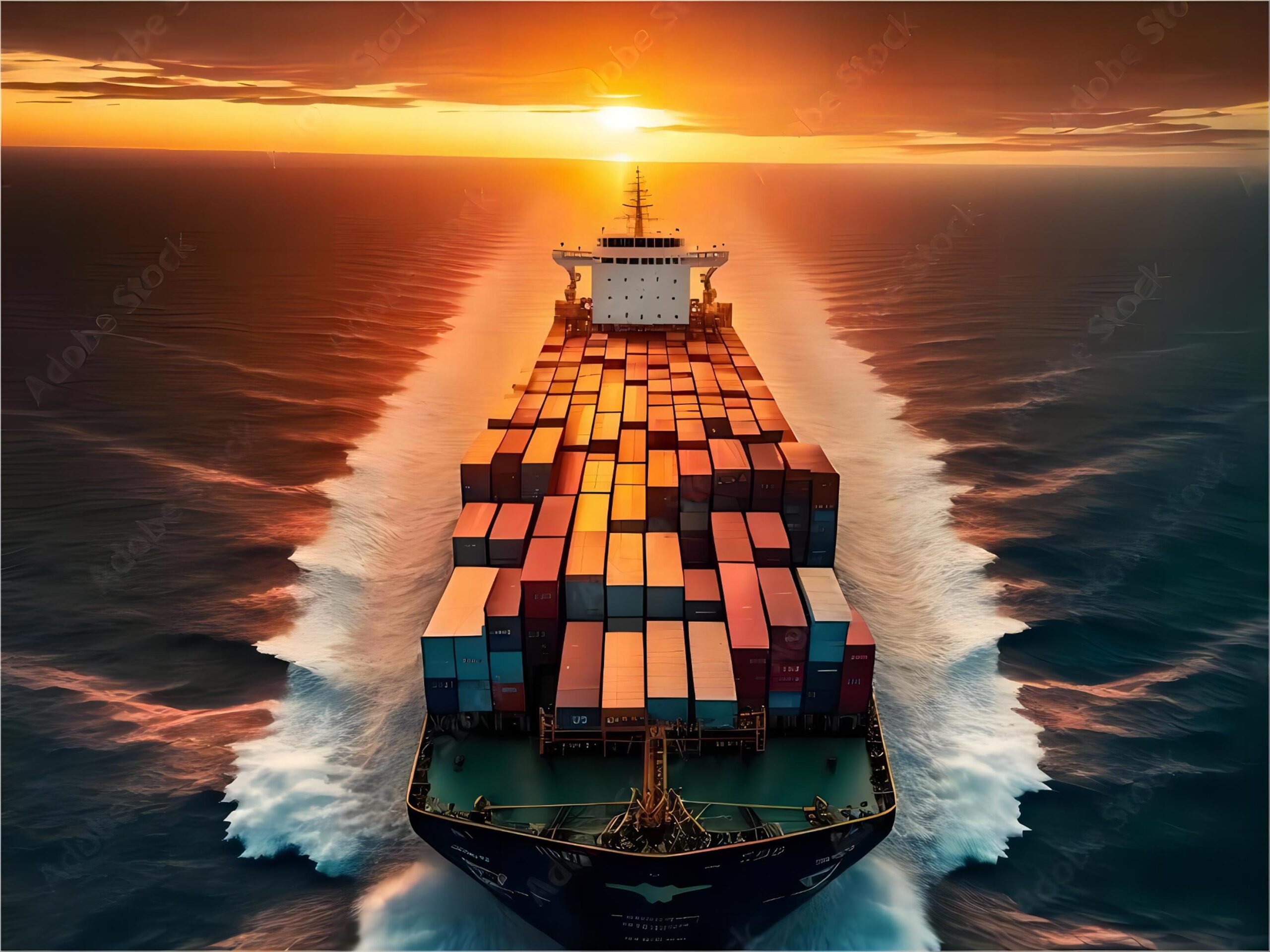
Determining the best shipping method requires a careful analysis of your business priorities and cargo characteristics. If your primary goal is cost reduction and you have flexible timelines, sea freight is undoubtedly the superior choice.
On the other hand, if you are launching a new product or responding to an urgent stockout, air freight offers the necessary speed. For shipments between 1 and 15 cubic meters, LCL (Less than Container Load) often provides a balanced middle ground.
Consequently, we recommend a Door to Door service for businesses that prefer a hands-off approach to logistics. This service covers every step from the factory floor in China to your warehouse in Canada, simplifying the entire process.
Final Thoughts on Canadian Logistics
Successfully managing shipping from china to Canada involves balancing speed, cost, and reliability. By understanding the various freight methods and staying updated on 2026 market trends, you can make informed decisions that benefit your bottom line.
Moreover, working with an experienced freight forwarder ensures that your documentation is accurate and your cargo is handled with care. Whether you choose sea, air, or express services, a well-planned strategy is the key to long-term success in the Canadian market.
Get Your Shipping Quote Today
Ready to streamline your supply chain and reduce costs? Contact our expert team today for a personalized quote on shipping from china to Canada and discover how we can optimize your logistics for 2026. Send Inquiry:
Request Quote