

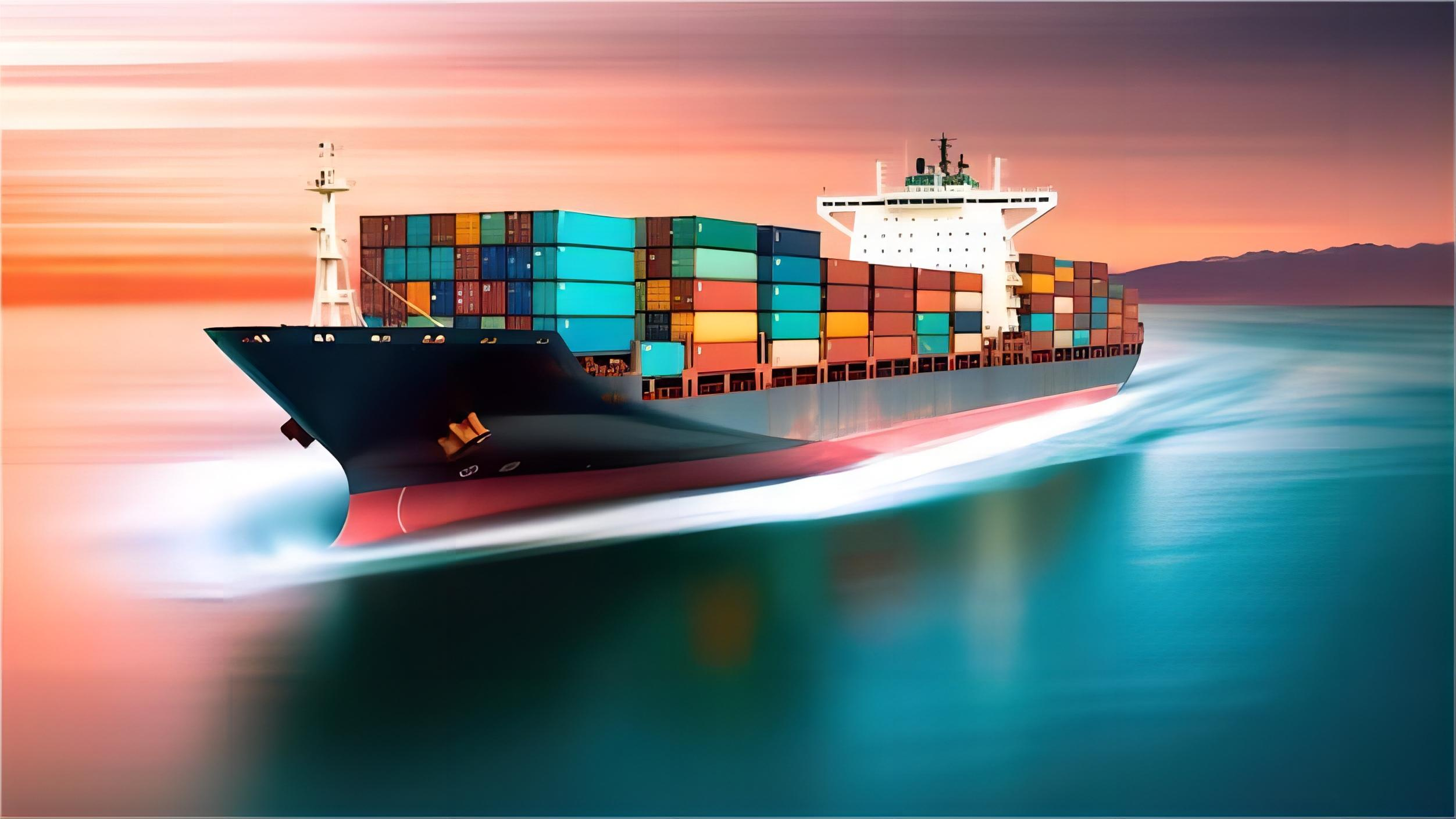
Sea Freight from China to UK: The 2026 Logistics Guide
“Navigating the complexities of international trade requires a reliable logistics partner. If you are planning sea freight from China to UK, our team at Ai Logistics China provides the expertise needed to streamline your supply chain. We help businesses overcome common shipping hurdles to ensure timely cargo delivery.”

Understanding Sea Freight from China to UK Logistics
❖Shipping goods across continents involves several critical variables that impact your bottom line. Consequently, understanding the difference between FCL and LCL is essential for cost management.

Most businesses prefer sea freight for bulk goods because it offers the most competitive rates per unit. Furthermore, consistent schedules allow for better inventory planning throughout the year.
How Does Sea Freight Compare to Other Shipping Options?
❖Choosing the right transport mode depends on your specific budget and urgency. While sea transport remains the most economical, other methods provide distinct advantages for different cargo types.
For instance, air freight is significantly faster but comes with a premium price tag. Meanwhile, rail freight offers a middle-ground solution that balances speed and cost effectively.
In addition, many importers utilize Amazon FBA logistics to manage their e-commerce inventory directly. Finally, using a professional customs brokerage service ensures that your goods clear borders without unnecessary delays.
| Method | Cost | Transit Time | Best For |
|---|---|---|---|
| Sea | Economy | 30-38 days | Bulk/Heavy |
| Air | Premium | 5-7 days | Urgent/High-value |
| Rail | Moderate | 18-22 days | Mid-size/Value |
Case Studies: Real World Shipping Success
❖Case Study 1: Electronics from Shenzhen to London. We moved 20 CBM of electronics via LCL sea freight. By optimizing the load, the total landed cost remained under budget despite peak season surcharges.
Case Study 2: Industrial machinery from Ningbo to Felixstowe. Using a 40HQ container, the client achieved significant economies of scale. The shipment arrived in 34 days, perfectly aligned with the client production schedule.
Summary of Sea Freight from China to UK
In conclusion, successful sea freight from China to UK requires careful planning and a reliable logistics partner. By weighing your options and prioritizing efficiency, you can maintain a competitive edge in your market.
As of early 2026, shipping rates have stabilized, making it an excellent time to evaluate your current logistics strategy. Reach out to us to get started on your next shipment.
Ready to streamline your logistics?
Ready to optimize your supply chain? Contact our team today to request a competitive quote for your next sea freight from China to UK shipment.
Request Quote