

Sea Freight from China to UAE: The Complete 2026 Shipping Guide
“Navigating sea freight from China to UAE requires precision, expert planning, and a reliable partner to manage your logistics flow. Whether you are a first-time importer or a seasoned trader, partnering with professionals at Ai Logistics China is the most effective way to ensure your cargo arrives safely. This guide provides essential insights into current market trends, transit times, and cost-saving methods for your business.”

Understanding Sea Freight from China to UAE Logistics
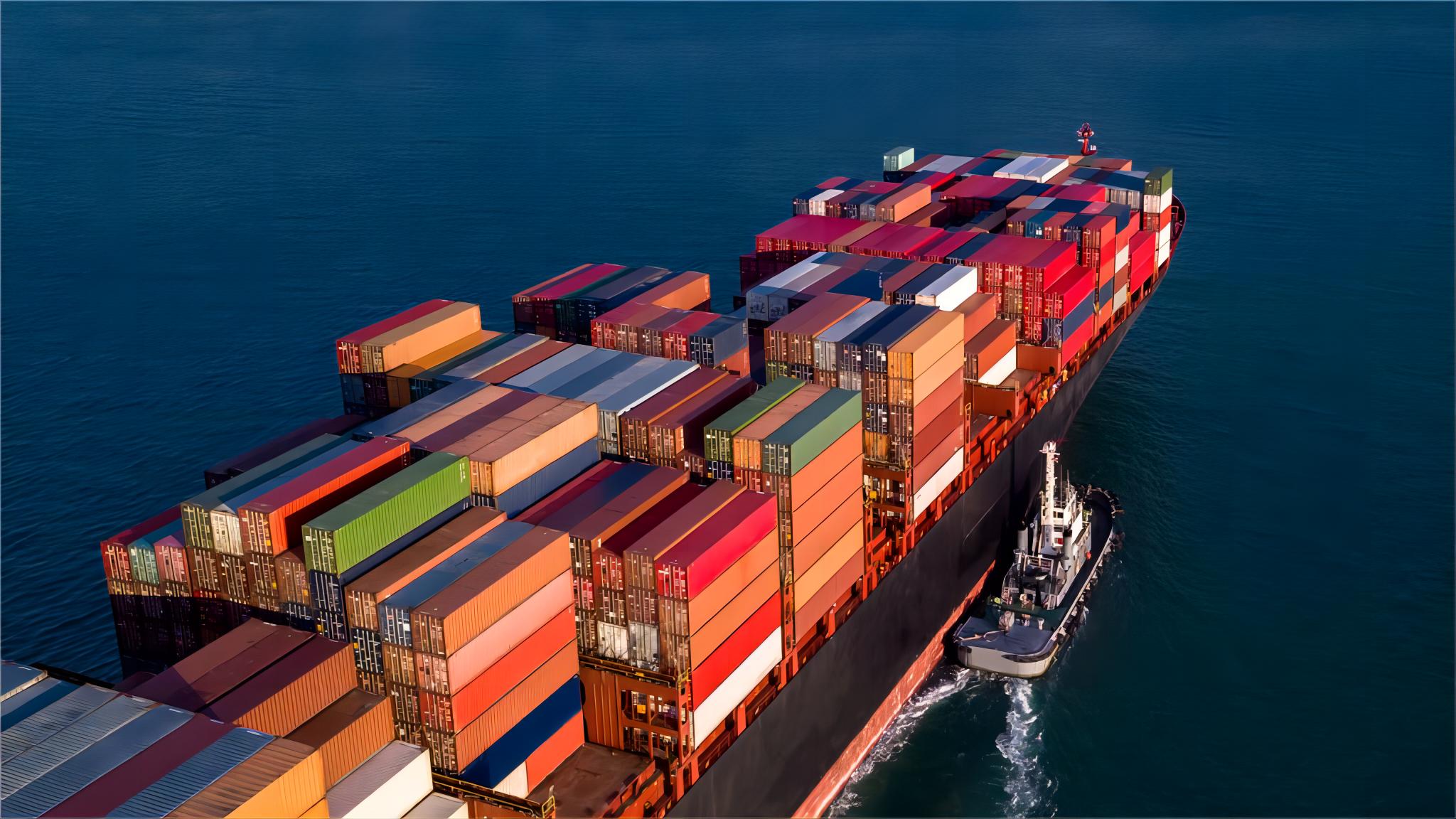
❖Shipping goods via sea freight remains the most cost-effective solution for bulk cargo between East Asia and the Middle East. Most vessels depart from major hubs like Shanghai, Ningbo, or Shenzhen and arrive at Jebel Ali or Abu Dhabi ports. Consequently, businesses can benefit from economies of scale when moving large volumes of inventory.

Furthermore, modern supply chain management requires a clear understanding of port operations. By utilizing professional customs brokerage services, you can avoid costly delays and documentation errors. Indeed, proactive planning is the cornerstone of a successful import strategy in 2026.
How Does Sea Freight from China to UAE Compare to Other Options?
❖Selecting the right transportation mode depends on your budget, cargo urgency, and product specifications. While sea shipping is ideal for heavy goods, alternatives exist for time-sensitive or high-value items. For instance, air freight offers unmatched speed, whereas rail freight provides a middle ground for specific overland corridors. Additionally, door to door services simplify the entire process by handling every stage of the journey.
| Method | Cost | Transit Time | Best For |
|---|---|---|---|
| Sea Freight | Low | 20-30 Days | Bulk/Heavy |
| Air Freight | High | 3-7 Days | Urgent/Fragile |
| Rail Freight | Medium | 15-20 Days | High-Value |
Case Study: Successful Cargo Management
❖Case Study 1: Electronics Distribution. Route: Shenzhen to Jebel Ali. Cargo: 50 CBM consumer electronics. Shipping Method: FCL 40HQ via direct ocean carrier. Total Landed Cost: $4,200. Transit Time: 22 days. Key Insight: Utilizing a direct route saved 5 days of transit time compared to transshipment.
Case Study 2: Industrial Machinery. Route: Ningbo to Abu Dhabi. Cargo: 15 CBM heavy parts. Shipping Method: LCL consolidated freight. Total Landed Cost: $1,800. Transit Time: 28 days. Key Insight: Consolidating smaller shipments into LCL significantly reduced per-unit shipping costs.
Final Thoughts on Sea Freight from China to UAE
Securing reliable sea freight from China to UAE is essential for maintaining a competitive edge in 2026. By balancing transit times, freight rates, and professional logistics support, your business can scale effectively. Always remember to monitor market trends and seasonal fluctuations to keep your costs under control.
In summary, planning ahead and choosing the right service partner will streamline your import operations. Start your journey toward smoother logistics by consulting with industry experts today.
Ready to streamline your logistics?
Ready to optimize your supply chain? Contact our team today for a competitive quote on your next shipment. Visit https://ailogisticschina.com/ to get started with our expert logistics solutions.
Request Quote