
Sea Freight Consolidation China to USA UK EU: 2026 Guide
Managing international logistics requires a strategic approach to balance speed and expense. For many businesses, sea freight consolidation china to USA UK EU represents the most efficient way to transport smaller volumes without paying for a full container. At DSV-Freight, we specialize in streamlining these complex supply chains to ensure your goods arrive safely and on schedule. By grouping your cargo with other shipments, you can significantly reduce overhead while maintaining a consistent delivery flow to your global customers.
✦
What is Sea Freight Consolidation and How Does It Work?
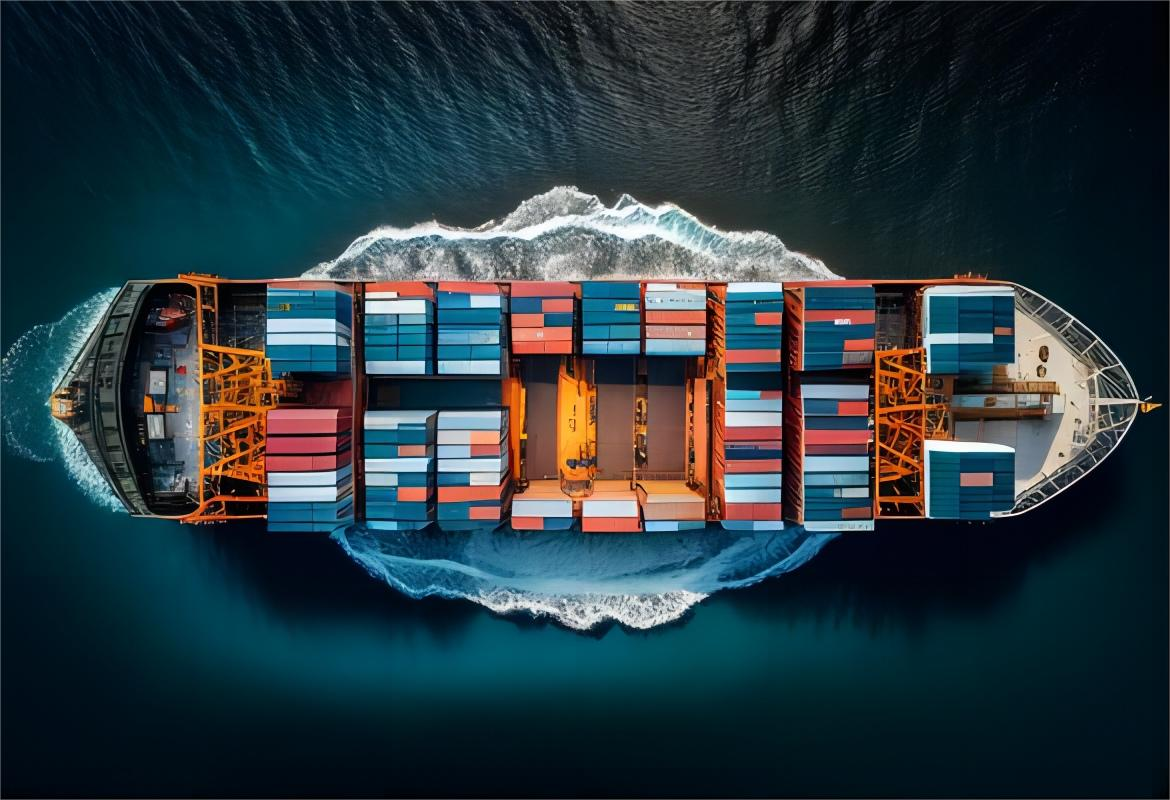
Consolidation, often referred to as Less than Container Load (LCL), is a logistics strategy where multiple small shipments are combined into a single full container. This process allows shippers to pay only for the space their cargo occupies rather than the cost of an entire 20ft or 40ft unit. Consequently, this method is ideal for small to medium-sized enterprises that do not have enough volume to fill a whole container independently.
The journey begins at a consolidation warehouse in China, located near major ports like Shenzhen, Ningbo, or Shanghai. Here, experts carefully pack various goods together, ensuring that weight distribution and cargo compatibility are optimized for the long ocean voyage. Once the container is full, it is sealed and moved to the terminal for loading onto a vessel destined for North America or Europe.
Upon arrival at the destination port, the container undergoes a process called de-vanning. This involves unloading the individual shipments and sorting them for final delivery to their respective owners. Choosing sea freight services for consolidation provides a reliable middle ground between expensive air transport and the high cost of under-utilized containers.
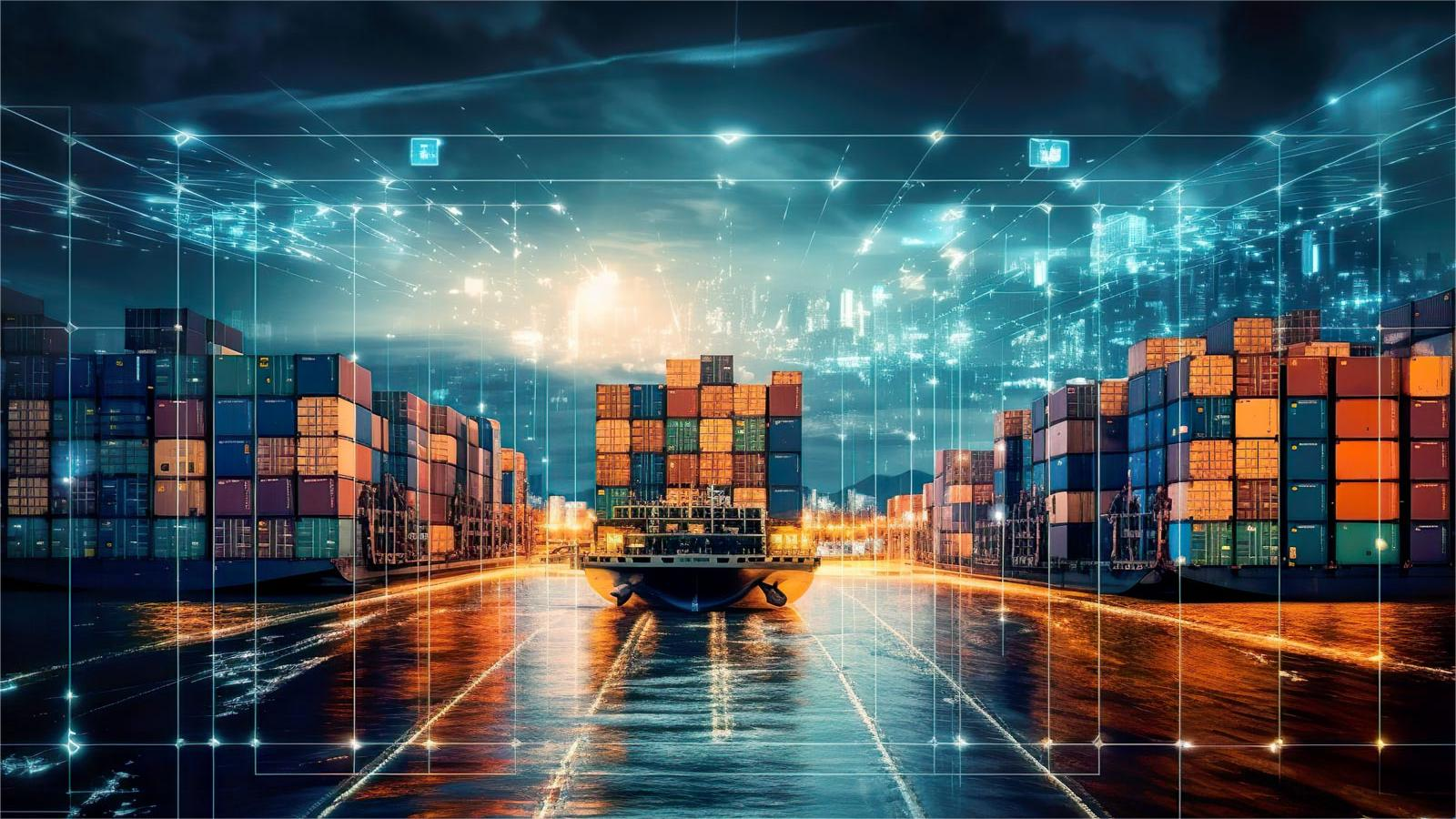
Moreover, the 2026 market landscape has seen a surge in digital tracking for consolidated cargo. Shippers can now monitor their specific pallets with high precision, providing better visibility throughout the entire transit. This transparency helps businesses manage inventory levels more effectively and meet customer expectations with greater accuracy.
How Does Sea Freight Consolidation Compare to Other Shipping Options?
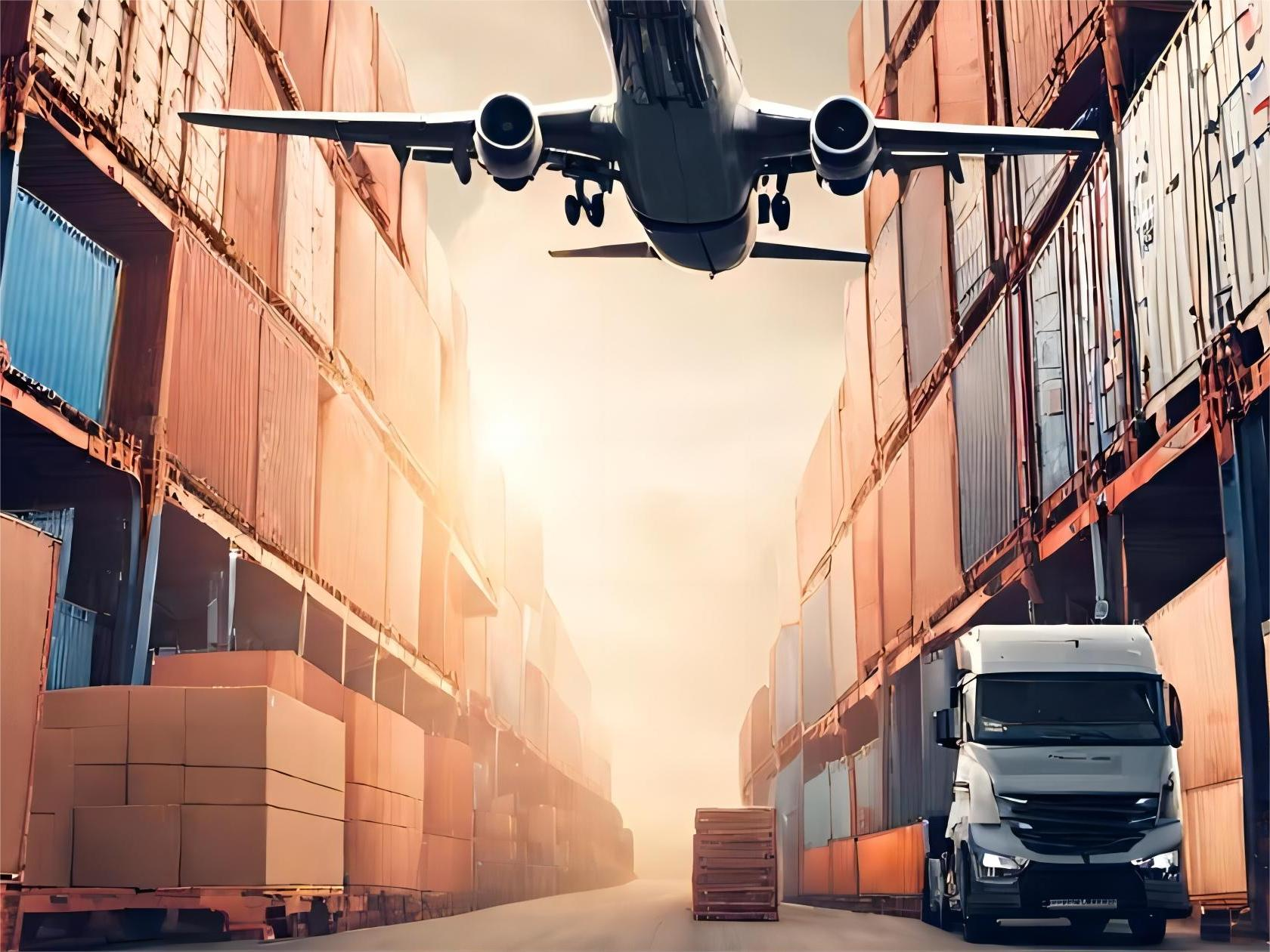
Deciding on the right transport mode depends heavily on your budget, timeline, and cargo volume. While consolidation is cost-effective, it is important to understand how it stacks up against faster or more direct alternatives. For instance, businesses with urgent deadlines might find that air freight is a necessary expense despite the significantly higher price tag.
On the other hand, rail transport has become a popular hybrid solution for routes into Europe. It offers a faster transit time than the ocean while remaining cheaper than the air. However, for shipments heading to the United States or the United Kingdom, the ocean remains the primary and most reliable corridor for large-scale goods movement.
In contrast, Full Container Load (FCL) shipping is the direct competitor to LCL consolidation. If your volume exceeds 15 cubic meters (CBM), the cost of a full container often becomes cheaper than paying for individual CBM rates. Therefore, analyzing your total volume is the first step in choosing the most economical shipping strategy for your specific needs.
| Shipping Method | Cost Range (per CBM) | Transit Time | Best For |
|---|---|---|---|
| Sea Consolidation (LCL) | $50 – $150 | 25 – 45 Days | Small volumes, Budget-focused |
| Air Freight | $400 – $900 | 3 – 7 Days | Urgent, High-value cargo |
| Rail Freight (EU only) | $120 – $250 | 18 – 22 Days | Mid-range speed and cost |
| Full Container (FCL) | $30 – $80 (equiv) | 20 – 40 Days | Large volumes (15+ CBM) |
Why Choose Sea Freight Consolidation China to USA UK EU in 2026?
The global logistics market in 2026 emphasizes sustainability and cost-efficiency more than ever before. Using sea freight consolidation china to USA UK EU allows companies to minimize their carbon footprint by ensuring containers are always utilized to their maximum capacity. This shared-resource model aligns perfectly with modern green logistics initiatives adopted by many European and American retailers.
Additionally, the flexibility offered by LCL shipping is unmatched for businesses testing new markets. Instead of committing to a massive inventory, you can ship smaller test batches to Amazon FBA centers or local warehouses. This reduces the financial risk associated with overstocking while allowing you to maintain a presence in competitive international markets.
Furthermore, many providers now offer specialized Amazon FBA consolidation services. These packages include labeling, palletizing, and direct delivery to fulfillment centers, which simplifies the process for e-commerce sellers. By outsourcing these tasks, you can focus on marketing and sales while the logistics experts handle the physical movement of goods.
Indeed, the 2026 freight rates have stabilized significantly compared to the volatility of previous years. While peak seasons still see price increases, the baseline for consolidation services has become more predictable. This stability allows for better long-term financial planning and more accurate pricing for your end consumers.

Key Factors Affecting Your Sea Freight Consolidation Costs
Understanding the components of your shipping quote is vital for avoiding unexpected expenses. The primary cost is the ocean freight rate, which is usually calculated per CBM or per 1,000 kilograms. However, this is only one part of the total landed cost you will encounter during the process.
Origin charges in China include trucking from the factory to the warehouse, export customs declaration, and terminal handling fees. Meanwhile, at the destination, you must account for de-consolidation fees, port charges, and final mile delivery. These ‘hidden’ costs can sometimes exceed the ocean freight itself, especially for very small shipments.
To illustrate, fuel surcharges and currency adjustment factors are also frequently applied by carriers. These rates fluctuate based on global oil prices and economic shifts. Consequently, it is always advisable to request an all-in quote that covers the journey from the factory floor to your warehouse door.
Finally, specialized cargo requirements can also drive up prices. If you are shipping hazardous materials, fragile items, or goods requiring temperature control, the consolidation process becomes more complex. Such shipments require specific handling and documentation, which naturally leads to higher service fees.
| Route | LCL Rate (per CBM) | 20GP Container | 40HQ Container |
|---|---|---|---|
| China to USA West Coast | $65 – $95 | $1,800 – $2,400 | $2,900 – $3,700 |
| China to USA East Coast | $85 – $125 | $2,700 – $3,600 | $4,200 – $5,800 |
| China to UK (Felixstowe) | $70 – $110 | $2,100 – $2,900 | $3,400 – $4,400 |
| China to EU (Rotterdam) | $60 – $100 | $1,900 – $2,600 | $3,100 – $4,100 |
Transit Times and Delivery Schedules for Major Global Routes
Time is a critical factor in supply chain management, and sea freight is the slowest of the major transport modes. Generally, shipments from China to the USA West Coast are the fastest, taking roughly 14 to 20 days on the water. However, when you factor in the consolidation and de-consolidation process, the total door-to-door time usually extends to 30 or 35 days.
Routes to the USA East Coast or Europe take considerably longer because of the greater distance and potential transit through the Panama or Suez Canals. For these destinations, you should plan for a sea transit of 30 to 40 days. Including the time for customs clearance and local trucking, a realistic window for delivery is between 45 and 55 days from the time the cargo leaves the factory.
Seasonal variations also play a significant role in delivery schedules. During the peak season, which typically runs from August to October, port congestion can add several days to the timeline. Therefore, booking your shipments at least 3-4 weeks in advance during these periods is a wise strategy to ensure you meet your inventory deadlines.
Additionally, choosing a door to door service can actually save time by streamlining the hand-offs between different logistics providers. When one company manages the entire chain, they can coordinate the pickup and delivery more efficiently, reducing the idle time at ports and warehouses.
Essential Customs Documentation for China Exports
Navigating the legal requirements of international trade is often the most challenging part of the shipping process. Every shipment of sea freight consolidation china to USA UK EU must be accompanied by a specific set of documents to pass through customs. Errors in these papers can lead to significant delays, fines, or even the seizure of your goods.
The core documents include the Commercial Invoice, Packing List, and the Bill of Lading. The invoice must clearly state the value and description of the goods for tax assessment. Meanwhile, the packing list provides details on the weight, dimensions, and quantity of the items in each box or pallet.
For shipments entering the USA, an Importer Security Filing (ISF) must be submitted at least 24 hours before the ship departs from China. Failure to comply with this ’10+2′ rule can result in a $5,000 fine per violation. In Europe and the UK, similar electronic declarations are required to comply with local security and VAT regulations.
Working with a professional customs brokerage is highly recommended for businesses that do not have in-house compliance experts. These specialists stay updated on the latest tariff changes and trade agreements, ensuring that your cargo is classified correctly under the Harmonized System (HS) codes. This accuracy helps you avoid overpaying duties while remaining fully compliant with the law.
Real-World Case Studies: Successful Consolidation Shipments
To give you a better understanding of how these logistics work in practice, let us look at some recent examples from the 2025-2026 period. These cases highlight the costs and timelines associated with different routes and cargo types.
Case Study 1: Electronics to Los Angeles. A small electronics retailer needed to move 5 CBM of consumer goods from Shenzhen to a warehouse in California. By choosing LCL consolidation, they avoided the cost of a full container and utilized a direct shipping route to the Port of Los Angeles.
Case Study 2: Textiles to London. A fashion brand shipped 8 CBM of apparel from Ningbo to the UK. Despite the longer transit time, the savings compared to air freight allowed them to maintain a higher profit margin on their seasonal collection.
Case Study 3: Industrial Parts to Germany. A manufacturing firm moved 12 CBM of machinery components from Shanghai to Hamburg. They used a hybrid sea-rail approach to balance their need for speed with a strict logistics budget.
Case Study 1: Consumer Electronics to USA
Route: Shenzhen, China to Los Angeles, USA
Cargo: Smart home devices, 5 CBM, 1,200 kg
Service: LCL Consolidation
Ocean Freight: $450
Origin/Destination Charges: $600
Customs and Duties: $1,100
Total Door-to-Door Time: 32 Days
Key Insight: Using a direct service to the West Coast minimized inland trucking costs and reduced the risk of damage during transit.
Case Study 2: Apparel to United Kingdom
Route: Ningbo, China to Felixstowe, UK
Cargo: Cotton clothing, 8 CBM, 2,000 kg
Service: LCL Consolidation
Ocean Freight: $840
Origin/Destination Charges: $950
Customs and Duties: $1,400
Total Door-to-Door Time: 48 Days
Key Insight: Planning the shipment 2 months before the launch date ensured that the lower cost of sea freight didn’t impact the retail schedule.
Which Shipping Option Should You Choose?
Selecting the best method depends on your specific priorities. If your primary goal is to minimize expenditure and you have flexible deadlines, sea freight consolidation is almost always the best choice for shipments between 1 and 15 CBM. It provides the most competitive rates while offering professional handling of your goods.
However, if you are shipping high-value items or perishable goods, the speed of air freight justifies the cost. For those shipping to Europe, rail freight offers a compelling middle ground that should not be overlooked. Always evaluate your volume; once you hit the 15 CBM mark, ask your forwarder to compare the LCL price against a 20ft FCL container.
Furthermore, consider the complexity of your destination. Shipping to the USA often involves different inland logistics than shipping to the UK or the EU. A provider with a strong network in both the origin and destination countries will be able to offer more seamless transitions and better local support during the final mile of delivery.
Mastering Your Global Logistics Strategy
In conclusion, sea freight consolidation china to USA UK EU remains a cornerstone of efficient international trade in 2026. By sharing container space, businesses of all sizes can access the global market without the burden of high shipping costs. Whether you are sending goods to the American heartland or the busy ports of Europe, the key to success lies in careful planning and choosing the right logistics partner.
Remember to account for all costs, from origin handling to destination duties, and always allow for a buffer in your delivery schedule. With the right approach, LCL shipping will not only save you money but also provide the scalability your business needs to grow in the years to come.