
Sea Freight China to Netherlands: 2026 Shipping Guide and Costs
Sea freight China to Netherlands remains the most reliable and cost-effective method for transporting large volumes of goods across the global supply chain. As trade between these two economic powerhouses continues to grow in 2026, businesses must understand the nuances of maritime logistics to maintain a competitive edge. Visit DSV-Freight to explore comprehensive logistics solutions tailored for the modern importer.
✦
Why Choose Sea Freight China to Netherlands in 2026?
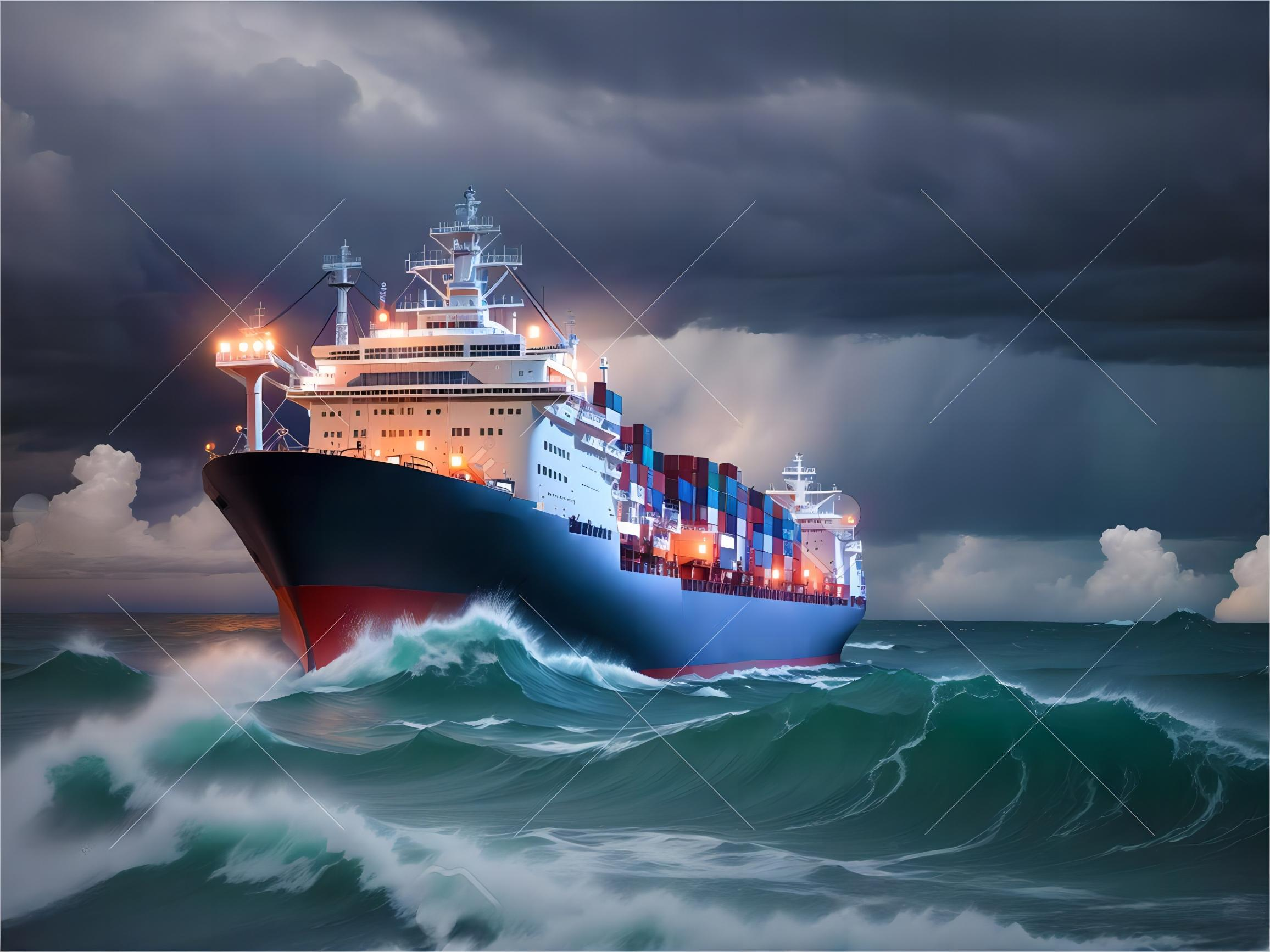
Maritime transport offers unparalleled capacity for high-volume shipments that would be prohibitively expensive via other modes. Specifically, sea freight provides the lowest cost per unit for bulk commodities and heavy machinery. Consequently, most Dutch importers prioritize ocean routes to maximize their profit margins on retail and industrial goods.
Furthermore, the environmental impact of ocean transport is significantly lower than air transport, aligning with the sustainability goals of many European enterprises. In addition, the infrastructure at major ports like Rotterdam has been upgraded to handle the latest generation of ultra-large container vessels. Therefore, shipping by sea remains the strategic choice for businesses looking for stability in their international supply chain.
How Does Sea Freight Compare to Other Shipping Options?
Choosing the right transport mode depends on your specific balance of speed, cost, and cargo volume. While sea freight is the most economical, it is also the slowest compared to air or rail alternatives. On the other hand, rail freight offers a middle ground with faster transit times than sea but lower costs than air.
For urgent shipments, air freight remains the fastest option despite its higher price point. However, for shipments exceeding 15 cubic meters, the cost savings of ocean transport are usually too significant to ignore. Consequently, many businesses utilize a hybrid strategy, using sea for inventory replenishment and air for emergency stock.
| Shipping Method | Cost Range | Transit Time | Best For |
|---|---|---|---|
| Sea Freight (FCL) | $3,000 – $4,500 | 30 – 40 Days | Large volumes, heavy cargo |
| Rail Freight | $4,500 – $6,500 | 18 – 22 Days | Medium urgency, eco-friendly |
| Air Freight | $5.50 – $9.00/kg | 5 – 8 Days | High-value, urgent goods |
| Express | $9.00 – $15.00/kg | 3 – 5 Days | Samples, small packages |
Understanding FCL vs LCL for Netherlands Shipments
Full Container Load (FCL) is ideal for businesses that can fill an entire 20ft or 40ft container. This method offers better security and faster handling since the container is not opened until it reaches its destination. Moreover, FCL rates are often more stable than LCL rates during peak seasons.
In contrast, Less than Container Load (LCL) allows you to share container space with other shippers. This is highly beneficial for small to medium enterprises that do not have enough volume for a full container. Nevertheless, LCL requires more handling at consolidation centers, which can slightly increase the risk of damage or delays.
Major Ports and Transit Times for Sea Freight China to Netherlands
The Port of Rotterdam is the primary gateway for goods entering the Netherlands and the wider European market. Most shipments originate from major Chinese hubs such as Shanghai, Ningbo, and Shenzhen. Specifically, the direct route from Shanghai to Rotterdam typically takes between 30 and 35 days depending on the carrier and weather conditions.
Moreover, transshipment via hubs like Singapore or Port Klang can add 5 to 10 days to the total transit time. Consequently, importers should verify whether their service is direct or involves multiple stops. Indeed, planning for a 40-day window from port to port is a safe industry benchmark for 2026.
| Origin Port | Destination Port | Direct Transit | Transshipment |
|---|---|---|---|
| Shanghai | Rotterdam | 32 Days | 40 Days |
| Shenzhen | Rotterdam | 28 Days | 35 Days |
| Ningbo | Rotterdam | 33 Days | 42 Days |
| Qingdao | Rotterdam | 36 Days | 45 Days |
Estimating Shipping Costs and 2026 Market Trends
Shipping costs are influenced by several factors including fuel surcharges, seasonal demand, and container availability. As of early 2026, market data suggests that rates have stabilized following the volatility of previous years. For instance, a 40HQ container from Shenzhen to Rotterdam currently ranges between $3,500 and $4,800 depending on the carrier.
Additionally, port congestion and labor availability at destination ports can influence the total landed cost. To minimize expenses, businesses should book their shipments at least 3 to 4 weeks in advance. Note: Freight rates are subject to change based on fuel costs, carrier capacity, and seasonal demand. Contact us for a current quote tailored to your specific shipment.
Customs Clearance and Essential Documentation
Navigating the Dutch customs authority requires precise documentation to avoid costly delays and penalties. Essential documents include the Bill of Lading, Commercial Invoice, Packing List, and Certificate of Origin. Furthermore, specific goods may require additional health or safety certifications to meet EU standards.
Utilizing a professional customs brokerage service ensures that all paperwork is filed correctly and duties are calculated accurately. In addition, the Netherlands offers various VAT deferment schemes, such as the Article 23 permit, which can significantly improve cash flow for importers. Consequently, working with experts is vital for a smooth entry into the European market.
Comprehensive Door to Door Logistics Solutions
For many businesses, a door to door service is the most convenient way to manage international shipping. This service covers the entire journey from the supplier’s warehouse in China to the final delivery point in the Netherlands. Specifically, it includes local trucking, ocean freight, customs clearance, and final mile delivery.
Moreover, this integrated approach reduces the number of touchpoints and the risk of communication errors between different providers. As a result, the importer can focus on sales and marketing while the logistics provider handles the operational complexities. Indeed, door-to-door solutions are becoming the standard for modern e-commerce and retail businesses.
Real Case Studies: Sea Freight China to Netherlands
Case Study 1: Solar Panel Distribution. Route: Shanghai to Rotterdam. Cargo: 40HQ Container of Solar Panels. Shipping Method: FCL. Ocean Freight: $4,200. Total Door-to-Door Time: 42 days. Key Insight: Early booking during the Q3 peak season saved the client 15% compared to spot rates.
Case Study 2: E-commerce Furniture. Route: Ningbo to Amsterdam. Cargo: LCL 8 CBM. Shipping Method: Sea Freight with Door-to-Door delivery. Total Landed Cost: $1,250. Timeline: 45 days. Key Insight: Consolidating multiple small orders into one LCL shipment reduced local handling fees by 20%.
Which Option Should You Choose for Your Business?
If your primary goal is budget optimization and you have a flexible timeline, sea freight is the clear winner. However, if you are shipping high-value electronics or perishable goods, the speed of air or rail might justify the higher cost. Specifically, for volumes over 15 CBM, we always recommend FCL for the best security and price.
Furthermore, consider the seasonal cycles of your industry. For example, retail businesses should plan their sea freight shipments for the Christmas season as early as August to avoid the October rate hikes. In addition, always factor in at least 5 days of buffer time for customs and local transport within the Netherlands.
Final Thoughts on Shipping from China to the Netherlands
Successfully managing sea freight China to Netherlands requires a combination of strategic planning, accurate documentation, and the right logistics partner. By understanding the differences between FCL and LCL, and staying informed about 2026 market trends, businesses can significantly reduce their shipping costs.
In conclusion, while the maritime route is the longest in terms of transit time, its cost-effectiveness and massive capacity make it the foundation of global trade. Whether you are a small startup or a large corporation, mastering these logistics fundamentals will ensure your goods arrive safely and efficiently at the Port of Rotterdam.