

Sea Freight China to Japan: 2026 Shipping Rates and Logistics Guide
Managing sea freight China to Japan effectively involves balancing speed and expenditure to maintain a competitive edge in the regional market. DSV-Freight offers tailored logistics solutions designed to streamline your international trade operations between these two major economic powerhouses.
✦
Why Choose Sea Freight China to Japan in 2026?
Shipping cargo via sea freight represents the backbone of trade between China and Japan. This method remains the most economical choice for transporting large volumes of consumer goods and industrial machinery. Furthermore, the extensive network of ports along the Chinese coast ensures that vessels depart frequently for Japanese destinations. Consequently, businesses can rely on consistent schedules to manage their inventory levels effectively.
Logistics trends in 2026 show that ocean transport continues to dominate the route due to its high capacity and low carbon footprint. Traditionally, companies prioritize sea routes for non-urgent bulk commodities to maximize their profit margins. Moreover, the proximity of the two nations allows for relatively short transit times compared to transpacific or Eurasian routes. Therefore, ocean freight remains the preferred logistics strategy for most importers.
How Much Does Sea Freight from China to Japan Cost?
Calculating the cost of sea freight from China to Japan requires looking at several variables beyond the base ocean rate. In early 2026, fuel surcharges and port handling fees contribute significantly to the total landed cost. Moreover, the specific choice between different container sizes will impact your overall budget. Therefore, it is essential to request a detailed quote that includes all local charges at both the origin and destination.
Market data suggests that freight rates have stabilized recently, though seasonal demand still causes temporary price spikes. For instance, shipping costs often rise during the peak season from August to October as retailers prepare for year-end sales. Additionally, port congestion or labor shortages can occasionally lead to unexpected surcharges. Accordingly, maintaining a flexible budget is wise for long-term planning.
| Container Type | Price Range (USD) | Best For | Capacity |
|---|---|---|---|
| 20GP Container | 850 – 1150 | Small heavy goods | 28 CBM |
| 40GP Container | 1250 – 1550 | Voluminous cargo | 58 CBM |
| 40HQ Container | 1400 – 1750 | Light bulky items | 68 CBM |
| LCL (per CBM) | 35 – 65 | Shipments under 15 CBM | Flexible |
What Is the Transit Time for Shipping from China to Japan?
Transit times for sea freight China to Japan are among the shortest for international ocean routes. For instance, a direct vessel from Shanghai to Tokyo typically arrives within 4 to 6 days. Meanwhile, shipments departing from southern ports like Shenzhen might take 7 to 9 days to reach Osaka. Accordingly, these rapid timelines allow for efficient supply chain planning and reduced lead times.
Weather conditions and port efficiency also play a major role in the final delivery schedule. During the typhoon season, vessels may experience delays to ensure the safety of the cargo and crew. Furthermore, the speed of customs processing at Japanese ports can influence the total door-to-door time. Consequently, importers should always include a small buffer in their logistics timelines.
| Origin Port | Destination Port | Transit Days | Service Type |
|---|---|---|---|
| Shanghai | Tokyo | 4-6 Days | Direct |
| Ningbo | Osaka | 5-7 Days | Direct |
| Shenzhen | Yokohama | 7-9 Days | Direct |
| Qingdao | Nagoya | 6-8 Days | Direct |
Understanding FCL vs. LCL for Japan Routes
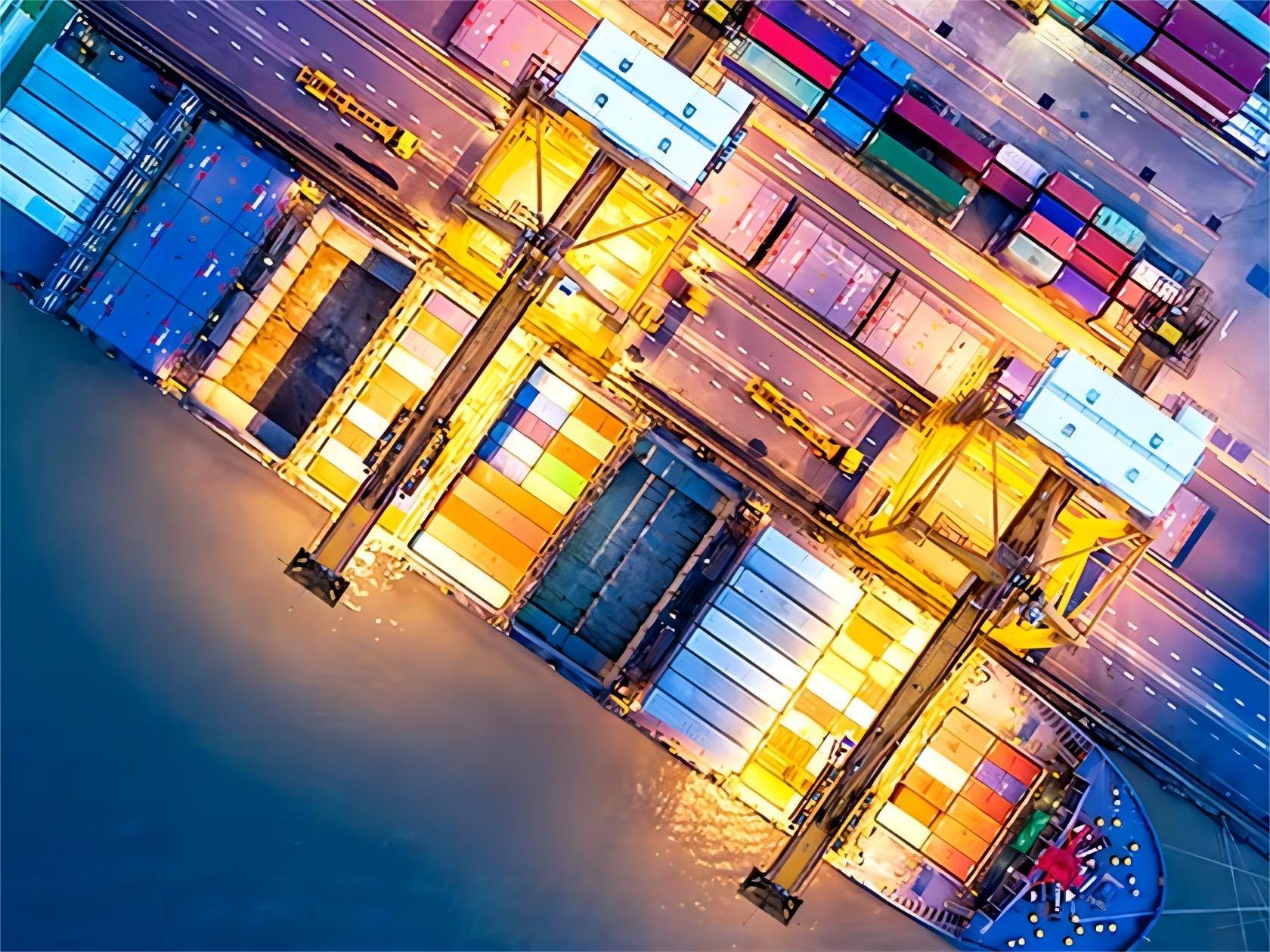
Selecting between Full Container Load (FCL) and Less than Container Load (LCL) is a pivotal decision for sea freight China to Japan. FCL is generally more cost-effective for large shipments that can fill an entire 20-foot or 40-foot container. In contrast, LCL allows multiple shippers to share space within a single container, making it ideal for smaller volumes. Thus, your choice depends primarily on the total cubic meters of your cargo.
Importers often find that FCL offers better security since the container is sealed at the origin and only opened at the destination. However, LCL provides the flexibility to ship smaller batches more frequently, which can help with cash flow management. Additionally, LCL shipments may require a few extra days for consolidation and deconsolidation at the warehouse. Therefore, you must weigh the benefits of security against the need for flexibility.
How Does Sea Freight Compare to Other Shipping Options?
Comparing ocean transport to air freight reveals significant differences in both cost and speed. While air transport delivers goods in under 48 hours, the associated costs are often prohibitive for low-margin products. On the other hand, sea freight provides the necessary scale for bulk orders at a fraction of the price. In contrast, express services might be suitable for small parcels but fail to compete on volume.
Choosing the right mode requires an analysis of your specific cargo type and urgency. If you are shipping high-value electronics or perishable items, the speed of air freight justifies the expense. Conversely, for furniture, textiles, or heavy machinery, the savings offered by sea freight are indispensable. Indeed, many businesses utilize a hybrid strategy, using sea for the bulk of their stock and air for urgent replenishment.
| Method | Cost Level | Transit Time | Best For |
|---|---|---|---|
| Sea Freight | Low | 5-9 Days | Bulk / FCL / LCL |
| Air Freight | High | 1-2 Days | Urgent / High Value |
| Express | Very High | 1-3 Days | Small Parcels |
| Rail Freight | N/A | N/A | Not Available |
Essential Customs Documents for Japan Imports
Navigating customs brokerage is a critical step in the sea freight China to Japan process. Japanese customs authorities require precise documentation, including commercial invoices and detailed packing lists. Additionally, certificates of origin may be necessary to benefit from regional trade agreements. Without a doubt, working with an experienced broker helps prevent costly delays at the port of entry.
Importers must ensure that all product descriptions are accurate and comply with Japanese safety standards. Furthermore, certain items like chemicals or food products may require additional permits from specific government agencies. Consequently, preparing your paperwork well in advance of the vessel’s arrival is essential for a smooth clearance process. Failure to comply with regulations can lead to fines or the seizure of your goods.
Real-World Shipping Case Studies
Case Study 1: Electronics from Shenzhen to Tokyo. Route: Shenzhen, China to Tokyo, Japan. Cargo: Consumer Electronics, 22 CBM, 4500 kg. Container: 20GP. Shipping Details: Major carrier, Port of Loading: Shenzhen, Port of Discharge: Tokyo. Cost Breakdown: Ocean Freight: $980, Origin Charges: $220, Destination Charges: $310, Customs Duties: $450, Total Landed Cost: $1,960. Timeline: 8 days door-to-door. Key Insight: Early booking during the 2026 peak season secured a lower rate than market average.
Case Study 2: Auto Parts from Qingdao to Osaka. Route: Qingdao, China to Osaka, Japan. Cargo: Metal Components, 6 CBM, 1200 kg. Container: LCL. Shipping Details: Direct transshipment, Port of Loading: Qingdao, Port of Discharge: Osaka. Cost Breakdown: Ocean Freight: $330, Origin Charges: $150, Destination Charges: $210, Customs Duties: $180, Total Landed Cost: $870. Timeline: 7 days door-to-door. Key Insight: Utilizing door to door service simplified the complex logistics for the small manufacturer.
Which Option Should You Choose for Your Cargo?
Decision making in logistics depends on your specific priorities regarding cost, speed, and volume. If your primary concern is budget, sea freight is the clear winner for shipments over 100 kilograms. On the other hand, if you are moving time-sensitive samples, air freight might be necessary. For shipments between 1 and 15 CBM, LCL offers the most flexibility without the cost of a full container.
Volume thresholds often dictate when it is time to switch from LCL to FCL. Generally, once your shipment exceeds 15 cubic meters, paying for a full 20GP container becomes more economical than paying per CBM. Moreover, FCL reduces the handling of your goods, which decreases the risk of damage. Without a doubt, the volume and urgency of your cargo will dictate the most appropriate shipping method for your business.
Navigating Peak Seasons and Market Trends
Market data suggests that sea freight China to Japan rates have stabilized in early 2026 following the disruptions of previous years. However, seasonal fluctuations remain a factor, especially during the Golden Week holidays in both nations. Furthermore, many companies are now integrating Amazon FBA strategies to reach Japanese consumers directly. Consequently, demand for reliable LCL services continues to grow among e-commerce sellers.
Analyzing industry trends shows an increasing focus on digitalization and real-time tracking within the supply chain. Historically, importers had limited visibility into their cargo’s location, but modern platforms now provide instant updates. Meanwhile, sustainability initiatives are pushing carriers to adopt cleaner fuels and more efficient vessel designs. Accordingly, staying informed about these trends helps businesses choose the most forward-thinking logistics partners.
Packaging and Cargo Handling Standards
Protecting your goods during the ocean voyage is a top priority for any successful shipment. Standardized pallets help maximize space within the container while protecting goods from moisture and shifting. Furthermore, using high-quality shrink wrap and corner protectors prevents damage during the loading and unloading process. Therefore, businesses should invest in robust packaging materials to minimize the risk of insurance claims.
Carriers often have specific requirements for how cargo should be labeled and secured. Additionally, if you are shipping fragile items, clear marking and proper cushioning are mandatory to avoid transit issues. Consequently, working closely with your supplier to ensure export-grade packaging is a vital step. Indeed, well-packed cargo is much more likely to clear customs without inspection delays.
Summary of Sea Freight Solutions
To summarize, sea freight China to Japan remains the most viable option for businesses prioritizing cost-efficiency and volume in 2026. By understanding the nuances of transit times, container types, and customs requirements, you can build a resilient supply chain. Whether you choose FCL or LCL, the key lies in partnering with a reliable logistics provider who understands the regional landscape. Ultimately, optimizing your sea freight China to Japan strategy will drive long-term success and profitability in the competitive regional market.