

Sea Freight China to Italy: 2026 Shipping Guide and Rates
Expanding your business operations across international borders requires a sophisticated logistics strategy to ensure profitability and reliability. By partnering with DSV-Freight, you gain access to a network designed to streamline complex global trade routes. When evaluating sea freight china to Italy, importers must consider the evolving economic landscape of 2026 to make informed procurement decisions. This guide provides a comprehensive overview of shipping costs, transit times, and alternative strategies to help you navigate the maritime corridor between these two major trading hubs.

Understanding Sea Freight China to Italy Shipping Modes
Choosing the right shipping mode is the first critical step in managing your sea freight china to Italy logistics effectively. Most businesses utilize sea freight because it offers the most economical balance between volume and cost for long-distance trade. Specifically, you must decide between Full Container Load (FCL) and Less than Container Load (LCL) based on your specific cargo volume and budget constraints.
Full Container Load (FCL) provides exclusive use of a 20ft or 40ft container, which is ideal for large shipments that can fill at least 70% of the space. Consequently, FCL often results in faster transit times because the container does not need to be consolidated with other shippers’ goods. Moreover, this method reduces the risk of damage since the cargo is handled less frequently during the loading and unloading processes.
Less than Container Load (LCL) serves as a flexible alternative for smaller shipments that do not justify the cost of an entire container. In this scenario, your goods share space with other importers’ products, and you only pay for the volume your cargo occupies in cubic meters. Nevertheless, LCL shipments typically require more time for consolidation at the origin and deconsolidation at the destination port in Italy.
Furthermore, the choice between FCL and LCL significantly impacts your total landed cost and inventory management strategy. Large-scale manufacturers often prefer FCL to maintain a steady supply chain, while small-to-medium enterprises might favor LCL to preserve cash flow. Therefore, analyzing your monthly shipping volume is essential before committing to a specific maritime service for the 2026 season.
Estimated Costs for Sea Freight China to Italy in 2026
Freight rates in 2026 have stabilized following previous global disruptions, yet they remain subject to seasonal fluctuations and fuel surcharges. Currently, market data suggests that shipping a standard container from major Chinese ports to Italian gateways follows a predictable pricing tier. Indeed, understanding these cost structures allows for more accurate budgeting and price setting for your end consumers in Europe.
Additionally, importers should account for ancillary charges such as Terminal Handling Charges (THC), documentation fees, and port security surcharges. These costs can vary significantly between ports like Shanghai and Shenzhen or destination ports like Genoa and Trieste. Accordingly, requesting an all-in quote from your freight forwarder is the best way to avoid unexpected expenses during the shipping process.
Note: Freight rates are subject to change based on fuel costs, carrier capacity, and seasonal demand. Contact us for a current quote tailored to your specific shipment.
| Container Type | Average Rate (USD) | Transit Time | Best For |
|---|---|---|---|
| 20GP (Standard) | $1,950 – $2,600 | 30-35 Days | Heavy machinery |
| 40GP (Standard) | $3,100 – $4,100 | 30-35 Days | General retail |
| 40HQ (High Cube) | $3,400 – $4,500 | 30-35 Days | Voluminous goods |
| LCL (per CBM) | $65 – $95 | 38-45 Days | Small shipments |
Transit Times and Major Shipping Routes
Shipping duration is a vital component of supply chain planning, especially when managing seasonal inventory for the Italian market. Generally, sea freight china to Italy takes between 30 and 45 days depending on the specific ports of loading and discharge. For instance, shipments departing from Southern China ports like Shenzhen often arrive slightly faster than those departing from Northern ports like Tianjin.
Moreover, the choice of shipping line and route type, such as direct services versus transshipment, directly influences the total lead time. Direct routes to Mediterranean ports are faster but may carry a premium price compared to routes that stop at major hubs like Singapore or Port Said. Consequently, businesses must balance the need for speed against the desire for lower freight expenditures.
Meanwhile, rail transport has become a viable alternative for those seeking a middle ground between sea and air. If your timeline is tighter than 35 days, you might consider rail freight as a solution that delivers in approximately 18-22 days. However, sea freight remains the dominant choice for the majority of bulk trade between China and Italy due to its massive capacity.
| Origin Port | Destination Port | Direct Service | Transshipment |
|---|---|---|---|
| Shanghai | Genoa | 32 Days | 38-42 Days |
| Shenzhen | Naples | 30 Days | 35-40 Days |
| Ningbo | Venice | 34 Days | 40-45 Days |
| Qingdao | Trieste | 36 Days | 42-48 Days |
How Does Sea Freight Compare to Other Shipping Options?
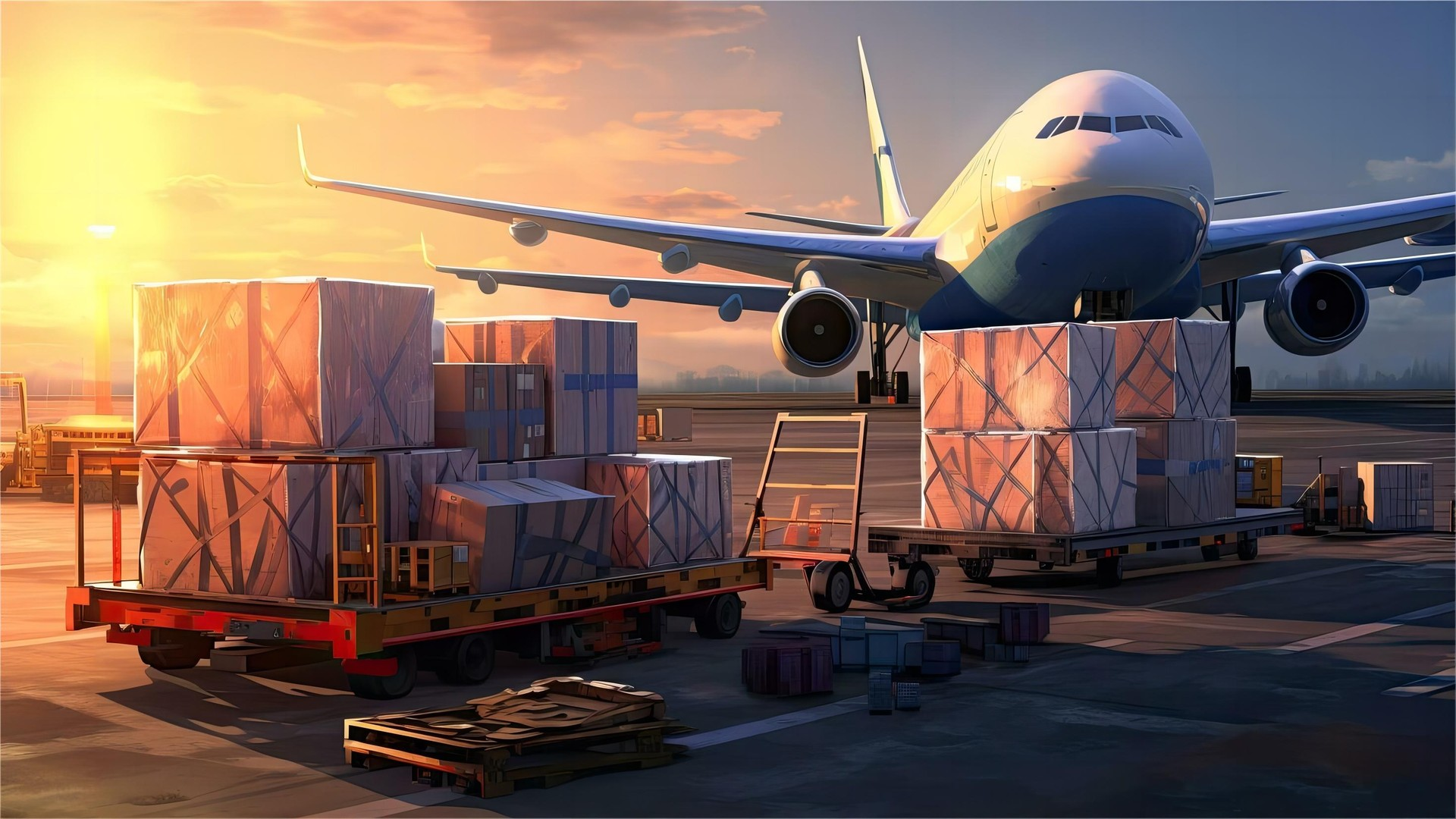
Evaluating sea freight china to Italy against other logistics methods is essential for optimizing your 2026 shipping strategy. While ocean transport is the most cost-effective for large volumes, it lacks the speed required for urgent or high-value cargo. In contrast, air freight provides rapid delivery but at a significantly higher cost per kilogram.
Furthermore, hybrid solutions such as sea-air combinations are gaining popularity for shipments that require a balance of speed and economy. These solutions typically involve shipping by sea to a hub like Dubai and then flying the cargo to Italy for the final leg. Therefore, understanding the trade-offs between cost, speed, and environmental impact is necessary for modern supply chain management.
| Method | Cost Range | Transit Time | Best For |
|---|---|---|---|
| Sea Freight | Low ($) | 30-45 Days | Bulk/Non-urgent |
| Rail Freight | Medium ($$) | 18-22 Days | Mid-value goods |
| Air Freight | High ($$$$) | 3-7 Days | Urgent/Electronics |
| Express | Highest ($$$$$) | 2-4 Days | Samples/Docs |
Customs Brokerage and Necessary Documentation
Navigating Italian customs requires meticulous attention to detail and a thorough understanding of European Union import regulations. Utilizing a professional customs brokerage service can prevent costly delays and ensure compliance with all local laws. Specifically, you must ensure that all documentation, including the Commercial Invoice and Packing List, accurately reflects the cargo being imported.
In addition, the Bill of Lading (B/L) serves as the most important document in sea freight, acting as both a receipt and a contract of carriage. For shipments to Italy, you may also need a Certificate of Origin to qualify for specific trade agreements or to verify the source of the goods. Consequently, errors in these documents can lead to port storage fees or even the seizure of cargo by Italian authorities.
Indeed, staying updated on 2026 tariff changes and VAT requirements is vital for maintaining a smooth import process. Many businesses now opt for digital documentation systems to speed up the clearance process at major Italian ports. Therefore, proactive communication with your broker before the ship arrives is a hallmark of a successful logistics operation.
Case Study 1: Large Scale Machinery Import
Case Study 01: Industrial Equipment Delivery. Route: Shanghai, China to Genoa, Italy. Cargo: CNC Machinery, 28 CBM, 12,500 kg. Container: 1x40GP. Shipping Details: Carrier: MSC, Port of Loading: Shanghai, Port of Discharge: Genoa, Route Type: Direct.
Cost Breakdown: Ocean Freight: $3,250, Origin Charges: $450, Destination Charges: $600, Customs and Duties: $1,200, Total Landed Cost: $5,500. Timeline: Booking to Loading: 5 days, Sea Transit: 33 days, Customs Clearance: 3 days, Total Door-to-Door: 41 days.
Key Insight: By choosing a direct service from Shanghai, the importer avoided transshipment risks and saved 8 days in total transit time. This case demonstrates the efficiency of FCL for heavy industrial goods when planned well in advance.

Case Study 2: E-commerce Inventory via LCL
Case Study 02: Consumer Electronics Batch. Route: Shenzhen, China to Trieste, Italy. Cargo: Smart Home Devices, 6 CBM, 1,200 kg. Container: LCL 6 CBM. Shipping Details: Carrier: COSCO, Port of Loading: Shenzhen, Port of Discharge: Trieste, Route Type: Transshipment via Singapore.
Cost Breakdown: Ocean Freight: $540 ($90/CBM), Origin Charges: $200, Destination Charges: $350, Customs and Duties: $800, Total Landed Cost: $1,890. Timeline: Booking to Loading: 7 days, Sea Transit: 38 days, Customs Clearance: 2 days, Total Door-to-Door: 47 days.
Key Insight: Using LCL allowed the small business to maintain stock levels without the high cost of an empty full container. Based on early 2026 market rates, this remains the most viable path for growing e-commerce brands.
Which Option Should You Choose? Decision Framework
Determining the best shipping strategy depends on your specific priorities regarding cost, speed, and cargo safety. If your primary goal is budget optimization, sea freight china to Italy remains the unbeatable choice for most commercial goods. However, if you are shipping high-value electronics that depreciate quickly, the speed of other methods might justify the higher expense.
Additionally, consider the total volume of your shipment to decide between FCL and LCL. For shipments exceeding 15 cubic meters, FCL is often more cost-effective even if the container is not completely full. Conversely, for shipments under 10 cubic meters, LCL provides the flexibility needed to manage smaller inventory cycles.
Finally, many businesses are now adopting a door to door service model to simplify their operations. This approach allows the freight forwarder to handle every step from the Chinese factory to the Italian warehouse. As a result, business owners can focus on sales and marketing rather than the minutiae of international transport.
Mastering Your Sea Freight China to Italy Strategy
To summarize, successfully managing sea freight china to Italy requires a deep understanding of shipping modes, current market rates, and documentation requirements. By selecting between FCL and LCL based on your volume and utilizing professional brokerage services, you can significantly reduce risks and costs. Moreover, staying informed about 2026 market trends ensures that your logistics strategy remains competitive in a fast-paced global economy.
Furthermore, remember that the lowest price is not always the best value if it leads to excessive delays or cargo damage. Investing in a reliable freight forwarding partner and choosing the right port combinations will provide long-term benefits for your import business. Ultimately, a well-planned maritime strategy is the backbone of any successful trade relationship between China and the Italian market.
Ready to streamline your logistics?
Ready to optimize your supply chain in 2026? Contact our experts today to receive a customized quote for sea freight china to Italy and experience seamless international logistics. Visit our inquiry page to get started with a professional consultation tailored to your business needs.
Request Quote