
LCL Shipping China Supplier Logistics Netherlands: 2025 Expert Guide
LCL shipping China supplier logistics Netherlands services offer a flexible solution for businesses importing smaller volumes from Asian manufacturing hubs. By partnering with DSV-Freight, you can streamline your supply chain and reduce overhead costs significantly. Navigating international waters requires a deep understanding of consolidation, port operations, and local regulations in Rotterdam and Amsterdam. This comprehensive guide provides the insights necessary to master your logistics strategy while ensuring timely delivery of your goods.
What is LCL Shipping China Supplier Logistics Netherlands?
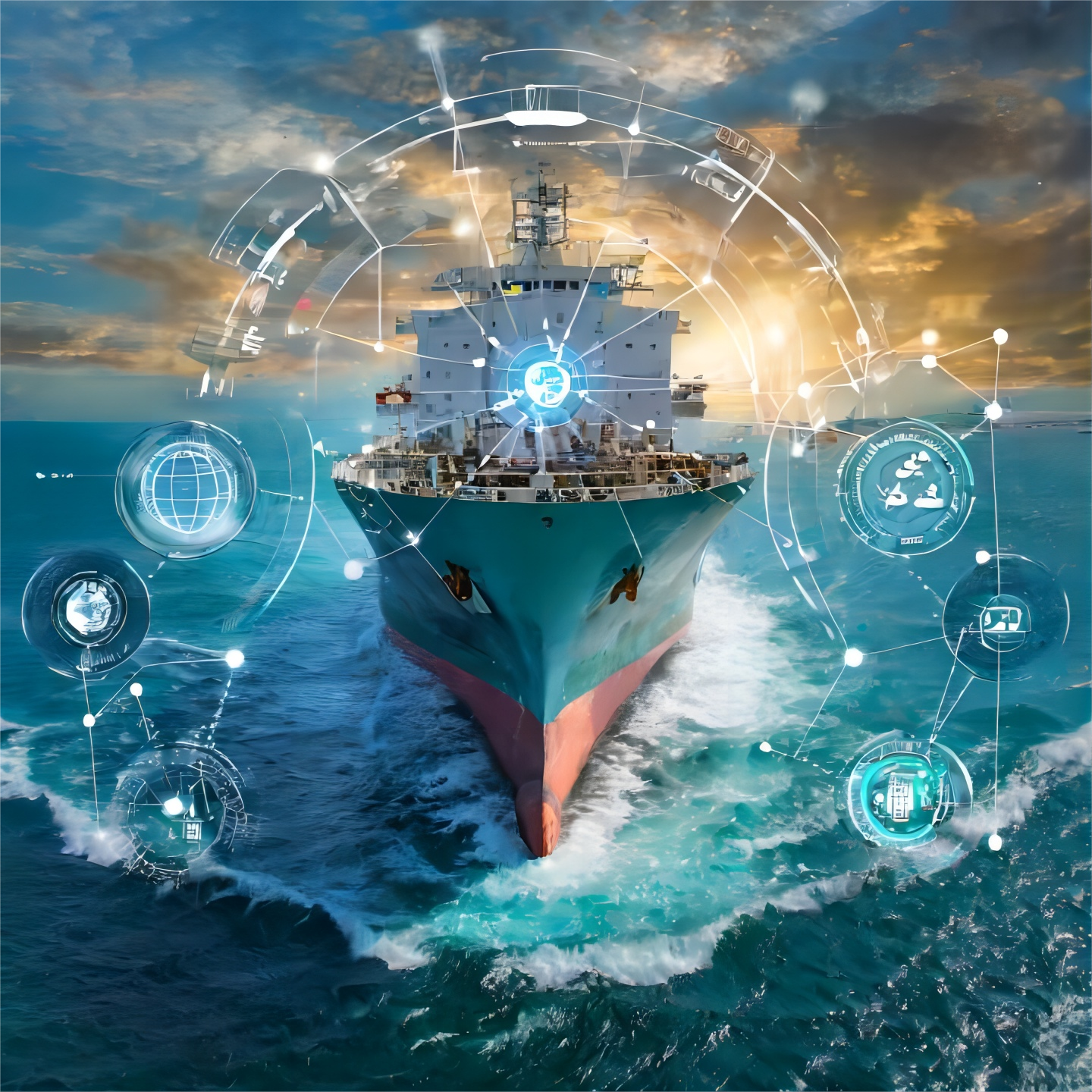
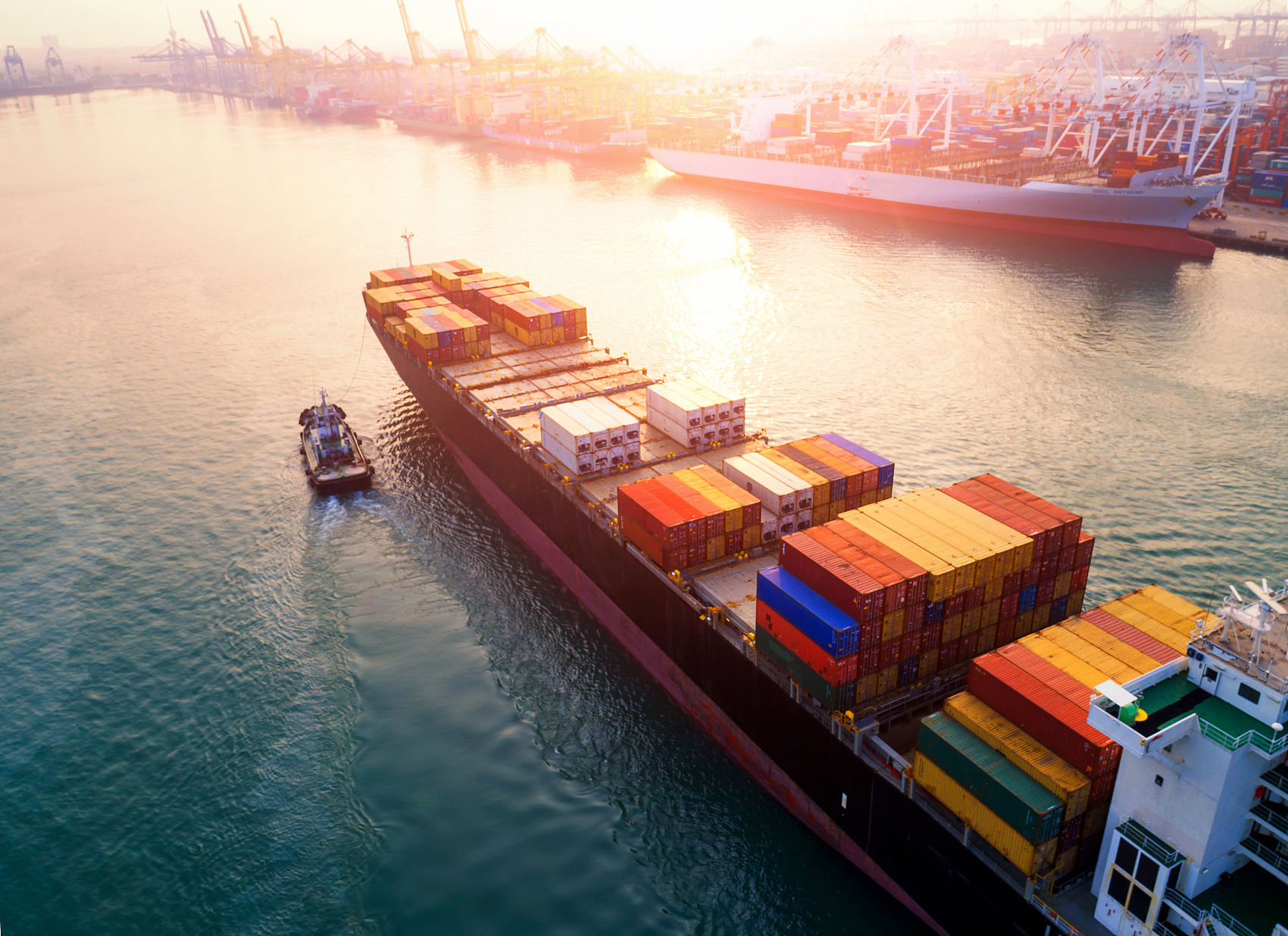
LCL, or Less than Container Load, is a shipping method where multiple shippers share space within a single ocean container. This approach is ideal for businesses that do not have enough cargo to fill a standard 20ft or 40ft container. Consequently, you only pay for the volume you actually use, measured in cubic meters (CBM).
Furthermore, LCL shipping China supplier logistics Netherlands operations involve complex coordination between the origin warehouse and the destination port. Your supplier delivers goods to a Container Freight Station (CFS) where they are consolidated with other shipments. This process allows small and medium-sized enterprises to access global markets without the high cost of full container shipping.
Choosing this method requires careful planning regarding transit times and cargo handling. Since the container must be packed and unpacked at both ends, LCL typically takes slightly longer than FCL. However, the cost savings for shipments between 1 and 15 CBM are often substantial enough to justify the additional time.
How Does LCL Compare to Other Shipping Options?
Understanding the differences between shipping modes is crucial for optimizing your landed costs. While sea freight remains the most popular choice for China-Netherlands routes, the specific mode depends on your volume and urgency. LCL serves as a middle ground between expensive air freight and high-volume FCL.
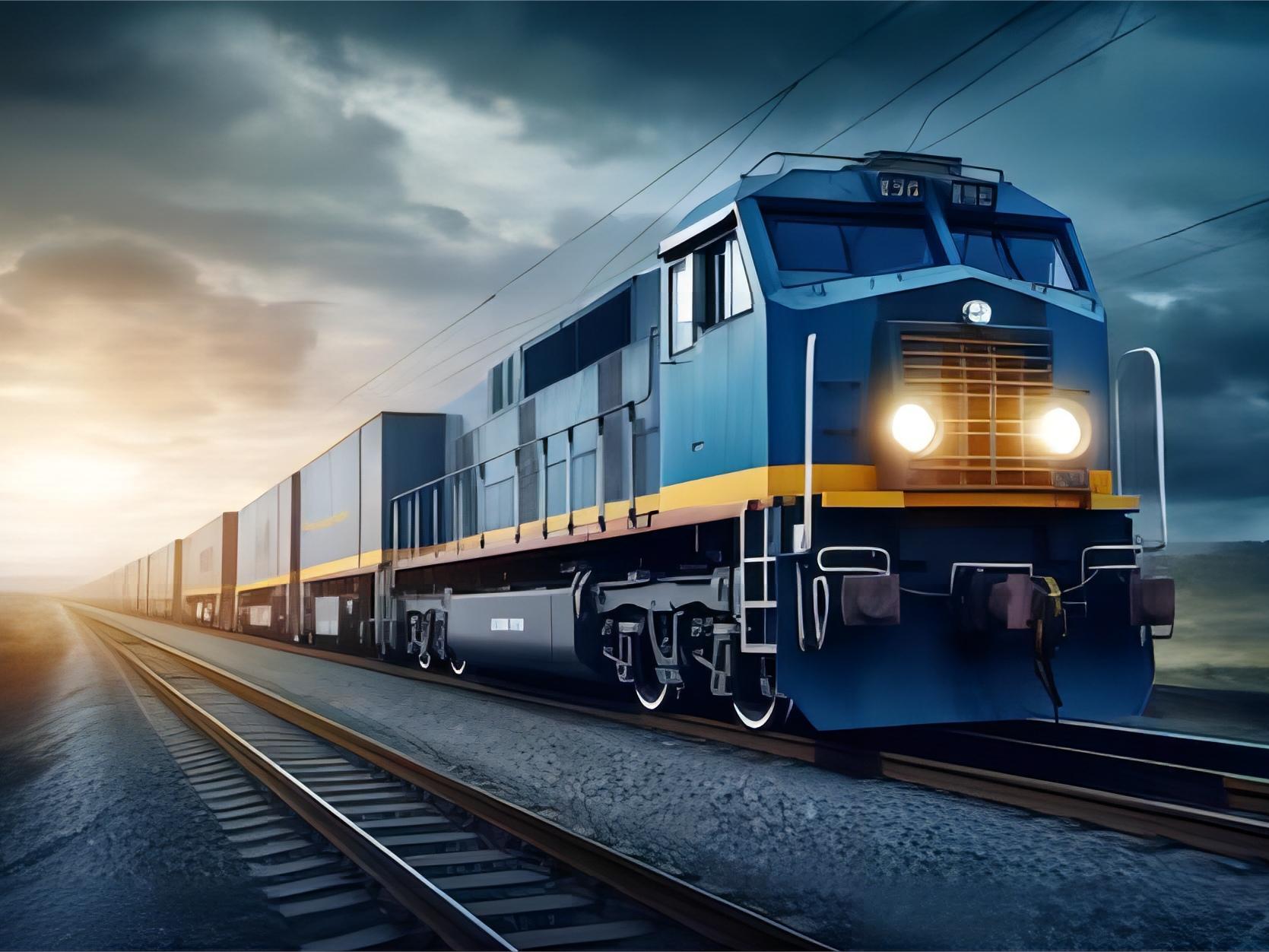
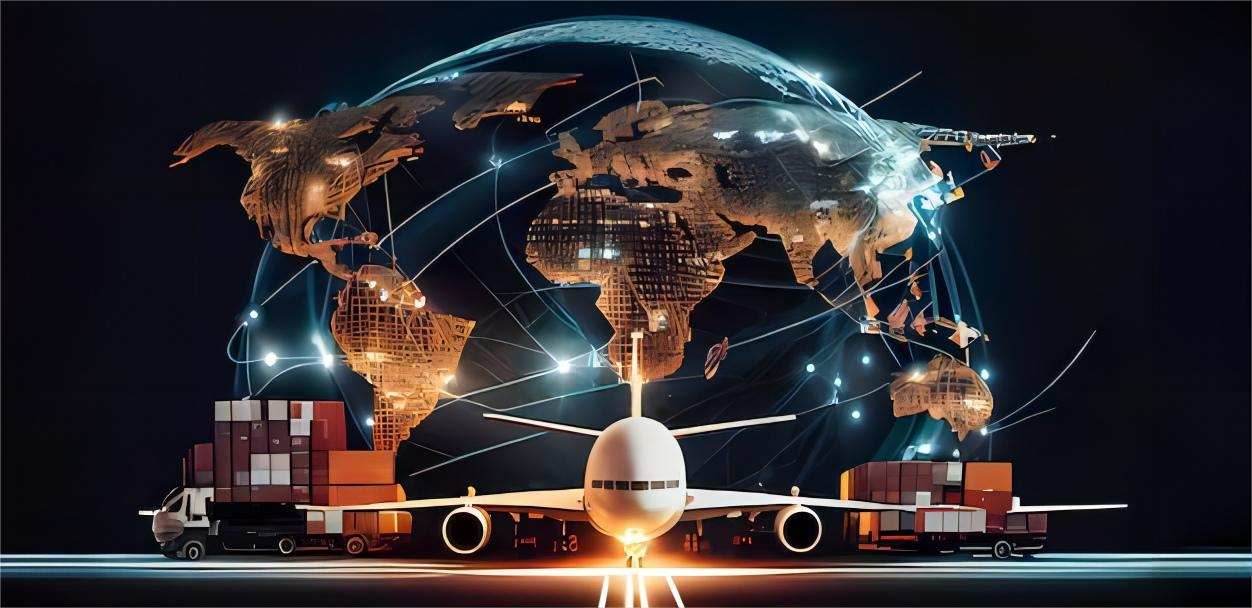
Moreover, air freight offers the fastest transit but comes at a premium price, often 5 to 10 times higher than sea options. Rail freight via the Silk Road is another alternative, offering a balance of speed and cost, though it is currently subject to geopolitical fluctuations. For most importers, LCL provides the most predictable and scalable logistics framework.
In addition, the comparison below highlights the trade-offs between different methods. As of early 2025, market rates have stabilized, making sea-based LCL a highly attractive option for consistent inventory replenishment.
| Shipping Method | Cost Range (per CBM/kg) | Transit Time | Best For |
|---|---|---|---|
| LCL Sea Freight | $50 – $120 / CBM | 30 – 40 Days | Small volumes, 1-15 CBM |
| FCL Sea Freight | $2,500 – $4,500 / 40HQ | 28 – 35 Days | Large volumes, 15+ CBM |
| Air Freight | $4.50 – $8.00 / kg | 5 – 8 Days | Urgent, high-value goods |
| Rail Freight | $120 – $200 / CBM | 18 – 24 Days | Mid-range speed and cost |
Which Option Should You Choose?
Selecting the right logistics strategy depends on your specific business priorities and cargo characteristics. If your primary goal is budget optimization, LCL shipping is almost always the superior choice for small batches. Conversely, if you are launching a product and need it in the Netherlands within a week, air freight is the only viable path.
Additionally, you must consider the nature of your cargo. Fragile or high-value items might benefit from the reduced handling of FCL or the speed of air freight. For standard consumer goods like textiles or electronics components, LCL offers a robust and reliable transport mechanism.
Consulting with a professional customs brokerage service can also help you determine the best path. They can analyze your product codes and suggest the most cost-effective routes based on current port congestion and duty structures in the European Union.
Budget Priority vs. Speed Priority
Importers focused on the bottom line should leverage LCL to maintain low inventory costs. This allows for more frequent, smaller shipments rather than tying up capital in massive FCL orders. On the other hand, speed-focused businesses should look at hybrid sea-air solutions to bypass potential sea port delays.
Volume Thresholds for Switching Methods
Generally, once your shipment exceeds 13 to 15 CBM, it becomes more economical to book a full 20ft container. At this point, the flat rate for FCL becomes cheaper than the per-CBM rate of LCL. Always request quotes for both options if your volume is near this tipping point to ensure you are getting the best deal.
Key Benefits of LCL Shipping for Netherlands Importers
LCL shipping China supplier logistics Netherlands solutions provide significant flexibility for growing businesses. Specifically, it allows you to test new products in the Dutch market without committing to large inventory volumes. This reduced risk is essential for e-commerce sellers and startups.
Moreover, the consolidation process is handled entirely by the freight forwarder. This means you do not need to worry about the technicalities of container packing. Your supplier simply delivers to the warehouse, and the logistics provider takes over the rest of the journey to Rotterdam.
Another advantage is the ability to source from multiple suppliers. You can have several small shipments from different factories in China consolidated into one LCL container. This strategy simplifies your documentation and reduces the number of separate arrivals you need to manage at the destination.
Step-by-Step Process for China to Netherlands LCL Shipping
The process begins with a booking request where you provide cargo dimensions and weight. Once confirmed, your supplier sends the goods to the designated CFS in China. At this stage, the logistics provider inspects the cargo and prepares the necessary export documentation.
Subsequently, the cargo is loaded into a shared container with other shipments heading to the same destination. The container is then moved to the port of loading, such as Shanghai or Ningbo, for departure. During the ocean transit, you can track the vessel’s progress as it moves through the Suez Canal toward Europe.
Upon arrival at the Port of Rotterdam, the container is transferred to a local CFS for de-consolidation. This is where door to door services become invaluable. The logistics provider manages the final mile delivery from the port directly to your warehouse or fulfillment center in the Netherlands.
| Phase | Action | Responsibility | Duration |
|---|---|---|---|
| Origin | Consolidation at CFS | Freight Forwarder | 3 – 5 Days |
| Transit | Ocean Voyage | Shipping Line | 28 – 35 Days |
| Destination | De-consolidation | Local Agent | 2 – 4 Days |
| Delivery | Final Trucking | Logistics Provider | 1 – 2 Days |
Real-World Case Studies: LCL Shipping China Supplier Logistics Netherlands
Analyzing real-world scenarios helps in understanding the actual costs and timelines involved in these operations. These cases reflect typical shipments handled during the 2024-2025 period, providing a realistic benchmark for your own logistics planning.
Case Study 1: Electronics from Shenzhen to Rotterdam. A small tech retailer imported 5 CBM of consumer electronics. By using LCL, they avoided the cost of a full container while maintaining a steady supply chain. The total door-to-door transit took 38 days, including customs clearance.
Case Study 2: Textiles from Ningbo to Amsterdam. A fashion boutique imported 3 CBM of seasonal apparel. They chose LCL to ensure the goods arrived just before the peak shopping season. Despite a minor delay at the Suez Canal, the shipment arrived within the expected window, allowing for a successful product launch.
Case Study 1: Shenzhen to Rotterdam
Route: Shenzhen, China to Rotterdam, Netherlands. Cargo: Electronics, 5 CBM, 1,200 kg. Shipping Method: LCL Sea Freight via Major Carrier. Ocean Freight: $450. Origin/Destination Charges: $400. Customs & Duties: $350. Total Landed Cost: $1,200. Timeline: 38 Days door-to-door. Key Insight: Accurate HTS coding saved the client 5% on import duties.
Case Study 2: Ningbo to Amsterdam
Route: Ningbo, China to Amsterdam, Netherlands. Cargo: Textiles, 3 CBM, 600 kg. Shipping Method: LCL Sea Freight. Ocean Freight: $280. Origin/Destination Charges: $320. Customs & Duties: $250. Total Landed Cost: $850. Timeline: 42 Days door-to-door. Key Insight: Early booking during the Q4 peak season secured a lower rate than market average.
Understanding Freight Rates and Hidden Costs
Freight rates for LCL shipping China supplier logistics Netherlands are influenced by several variables. These include the base ocean freight, fuel surcharges (BAF), and currency adjustment factors (CAF). It is essential to request an all-in quote to avoid surprises when the bill arrives.
Additionally, destination charges in the Netherlands can be higher than expected. These include terminal handling charges (THC), de-consolidation fees, and documentation fees. Many first-time importers fail to account for these, which can significantly impact their profit margins.
For businesses selling on platforms like Amazon, using specialized Amazon FBA logistics can help manage these costs. These services often include pre-calculated fees for delivery to specific fulfillment centers in Germany or the Netherlands, providing better cost transparency.
Customs Clearance and Documentation in the Netherlands
The Netherlands serves as the gateway to Europe, and its customs procedures are efficient but strict. You must ensure all documentation is accurate and complete to avoid costly delays at the Port of Rotterdam. The most critical documents include the Commercial Invoice, Packing List, and Bill of Lading.
Furthermore, you will need an EORI number to import goods into the European Union. This identification number is required for all customs declarations. If you are not based in the EU, you may need a fiscal representative to handle the VAT and import duties on your behalf.
Proper classification of your goods using the Combined Nomenclature (CN) code is vital. Incorrect codes can lead to overpayment of duties or penalties from the Dutch Customs authorities. Working with an experienced freight forwarder ensures that your paperwork complies with all local regulations.
| Document | Purpose | Required By | Typical Format |
|---|---|---|---|
| Commercial Invoice | Proof of Value | Customs | PDF/Original |
| Packing List | Cargo Details | Warehouse/Customs | PDF/Original |
| Bill of Lading | Title to Goods | Carrier | Digital/Paper |
| Certificate of Origin | Duty Preference | Customs | Official Form |
Mastering Your LCL Shipping Strategy
In conclusion, LCL shipping China supplier logistics Netherlands remains a cornerstone for efficient international trade. By understanding the nuances of consolidation, cost structures, and customs requirements, you can build a resilient supply chain that supports your business growth.
Navigating the complexities of global logistics is easier with the right partner. Whether you are importing electronics, textiles, or industrial components, the flexibility of LCL ensures you stay competitive in the Dutch market. Start planning your next shipment today to take advantage of stable 2025 freight rates.
Ready to streamline your logistics?
Optimize your LCL shipping China supplier logistics Netherlands operations today. Contact our team for a personalized quote and expert guidance on your next shipment. Send Inquiry:
Request Quote