


Import Shipping China to UK Service Provider: 2026 Logistics Guide
Identifying a reliable import shipping china to UK service provider is the most critical step for businesses looking to maintain a competitive edge in 2026. Many importers struggle with unpredictable shipping costs and complex UK customs regulations that can delay delivery schedules. Consequently, selecting a partner that offers transparency and expertise ensures your goods arrive safely and on time. This guide explores the best logistics strategies to optimize your supply chain from China to the United Kingdom.

How to Choose an Import Shipping China to UK Service Provider?
Selecting the right partner requires a thorough evaluation of their experience and network within both Chinese and British markets. Furthermore, a professional provider should offer comprehensive tracking systems and clear communication channels to keep you informed. You must also verify their ability to handle specific cargo types, especially if you deal with hazardous materials or oversized equipment. Additionally, cost-effectiveness should be balanced with reliability to avoid hidden charges that often arise with inexperienced agents.
Moreover, the ideal service provider acts as an extension of your business by offering tailored advice on logistics trends. Indeed, market conditions in 2026 require agility to navigate potential port congestion or fuel surcharges. Therefore, prioritizing a forwarder with a strong presence in major ports like Shanghai, Ningbo, and Shenzhen is essential. Finally, ensure they have a dedicated team for UK customs to prevent unnecessary delays at Felixstowe or Southampton.
Evaluating Sea Freight for Large Volume Imports
Utilizing sea freight remains the most popular choice for businesses moving large quantities of goods economically. While it offers the lowest cost per unit, you must plan for longer transit times compared to other modes. Typically, shipments take between 30 and 40 days to reach British ports from China. However, the stability of ocean freight rates in early 2026 makes it an attractive option for non-urgent inventory.
Importers can choose between Full Container Load (FCL) and Less than Container Load (LCL) depending on their volume. For instance, LCL is perfect for smaller shipments under 15 cubic meters, allowing you to share container space and reduce expenses. On the other hand, FCL provides more security and faster handling since the entire container is dedicated to your cargo. Consequently, your choice will depend on your budget and the total volume of your order.
Air Freight Solutions for Time-Sensitive Cargo
When speed is the primary concern, air freight provides the fastest delivery schedule for high-value items. Most air shipments from major Chinese hubs like Guangzhou or Beijing arrive in the UK within 5 to 8 days. Although this method is significantly more expensive than sea transport, it reduces the need for large safety stocks. Furthermore, it offers higher levels of security for sensitive electronics or fashion products.
Businesses often use air cargo to respond quickly to market demands or to fulfill urgent orders. Nevertheless, you should be mindful of weight and volume restrictions that can drive up shipping costs rapidly. In addition, air freight is less susceptible to the geographic disruptions that can affect maritime routes. Therefore, it serves as an excellent contingency plan for your supply chain management.
Rail Freight: The Middle Ground for UK Importers
In recent years, rail freight has emerged as a viable alternative that balances cost and speed. This method utilizes the trans-continental rail networks to deliver goods from China to Europe in approximately 18 to 22 days. Specifically, it is about 50% faster than sea freight and roughly 60% cheaper than air freight. Consequently, many UK importers are adopting rail for mid-sized shipments that require faster turnaround than the ocean can provide.
Moreover, rail transport is considered more environmentally friendly than air or sea options, which aligns with modern sustainability goals. However, rail routes can be subject to geopolitical shifts, so it is important to monitor the current status of the Silk Road corridors. Additionally, your service provider should have experience in managing the transshipment process at border crossings. Indeed, rail is becoming a preferred choice for automotive parts and industrial machinery in 2026.
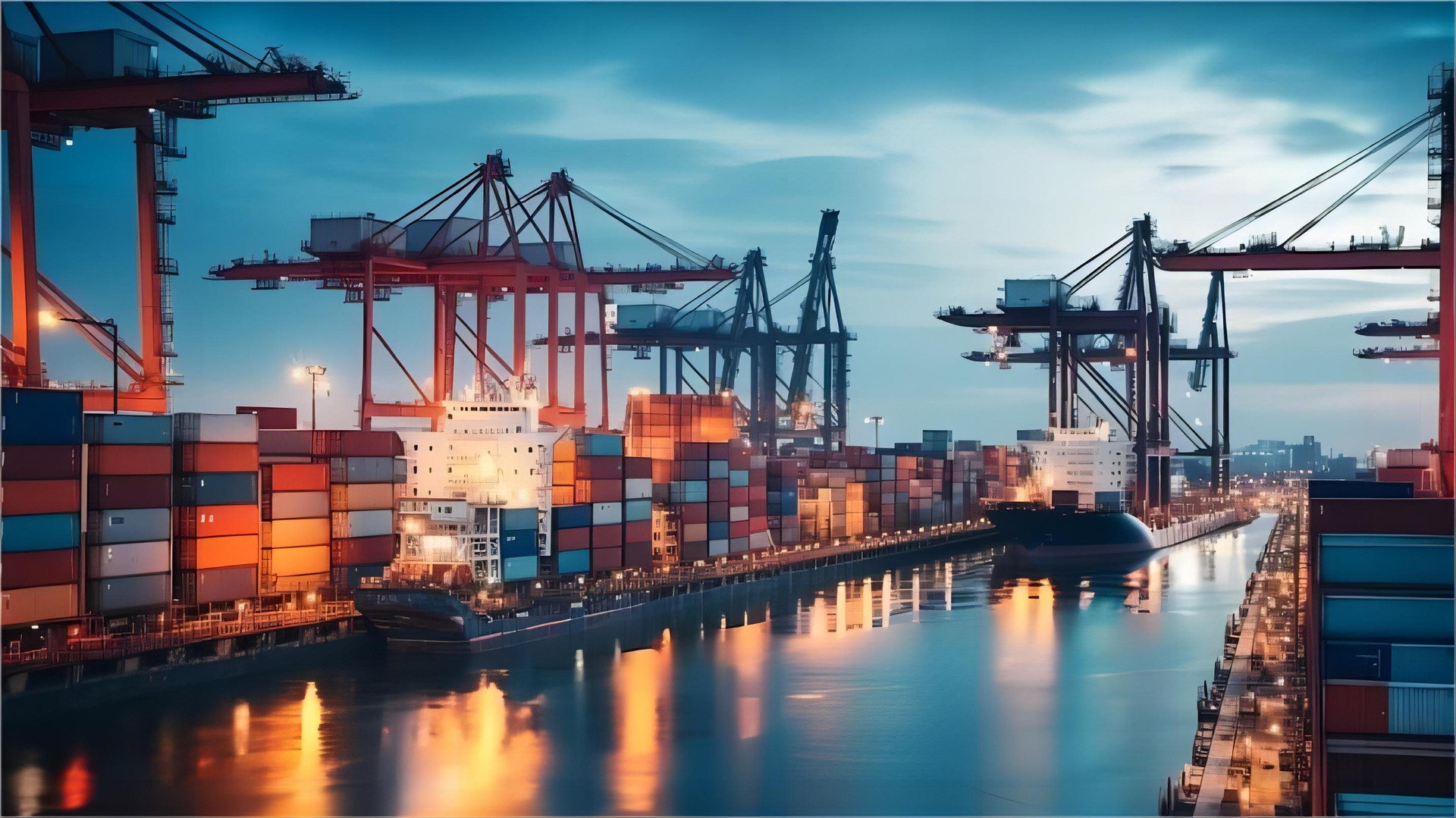
How Does Sea Freight Compare to Other Shipping Options?
Understanding the trade-offs between different transport modes is essential for making an informed logistics decision. While sea freight is the backbone of global trade, it may not always be the best fit for every scenario. For example, if your goods have a short shelf life, the 35-day transit time of a container ship could be detrimental. Meanwhile, air freight ensures your products hit the shelves while demand is still high.
Hybrid solutions like sea-air combinations are also gaining traction as a way to optimize both time and budget. These routes might involve shipping by sea to a hub like Dubai and then flying the goods to London. As a result, you can save money compared to pure air freight while still arriving faster than pure sea freight. Typical rates as of early 2026 suggest that diversifying your shipping methods can lead to significant annual savings.
| Shipping Method | Cost Range (USD) | Transit Time | Best For | Limitations |
|---|---|---|---|---|
| Sea Freight (FCL) | $3,200 – $4,500 | 30-40 Days | Bulk goods | Slow speed |
| Air Freight | $5.00 – $9.00/kg | 5-8 Days | High value | High cost |
| Rail Freight | $150 – $250/CBM | 18-22 Days | Retail goods | Route limits |
| Express | $8.00 – $12.00/kg | 3-5 Days | Samples | Very expensive |
Door to Door Services and Amazon FBA Requirements
Many modern businesses prefer a door to door service to simplify their logistics operations. This comprehensive solution covers everything from factory pickup in China to final delivery at your UK warehouse. Consequently, you do not have to worry about coordinating multiple carriers or handling port logistics yourself. Furthermore, this service often includes all-inclusive pricing, which helps in accurate budgeting for landed costs.
For e-commerce sellers, specialized Amazon FBA shipping is crucial to meet the strict delivery standards of fulfillment centers. Your provider must ensure that all labels and packaging comply with Amazon’s specific requirements to avoid rejected shipments. Additionally, choosing a forwarder who understands the nuances of the UK’s FBA network can prevent costly storage fees. Therefore, many sellers opt for DDP (Delivered Duty Paid) terms to streamline the entire process.
Managing UK Customs and Duties in 2026
Navigating the post-Brexit regulatory landscape requires a professional customs brokerage service to ensure compliance. You must have a valid EORI number to import goods into the UK, and your documentation must be flawless. Specifically, the commercial invoice, packing list, and bill of lading must match exactly to avoid inspections. Furthermore, understanding the correct commodity codes is vital for calculating the precise amount of VAT and import duties owed.
Moreover, the UK government has introduced digital customs systems that require real-time data entry for all imports. Consequently, working with a service provider that uses integrated software can speed up the clearance process significantly. Indeed, most customs delays are caused by minor clerical errors that could have been easily avoided. Therefore, investing in expert customs support is a proactive way to protect your delivery schedule.
| Document Name | Purpose | Required By | Typical Format |
|---|---|---|---|
| Commercial Invoice | Value declaration | UK Customs | Digital/PDF |
| Packing List | Content details | Warehouse/Port | Digital/PDF |
| Bill of Lading | Title to goods | Carrier | Original/Telex |
| EORI Number | Importer ID | HMRC | Registration code |

Realistic Case Studies for China to UK Shipping
Case Study 1: Electronics from Shenzhen to London Route: Shenzhen, China to London, UK Cargo: Consumer Electronics, 20 CBM, 4,500 kg Container: 20GP Full Container Shipping Details: – Carrier: Major carrier (direct) – Port of Loading: Shenzhen – Port of Discharge: Felixstowe Cost Breakdown: – Ocean Freight: $2,400 – Origin Charges: $450 – Destination Charges: $600 – Customs and Duties: $1,200 – Total Landed Cost: $4,650 Timeline: – Booking to Loading: 4 days – Sea Transit: 32 days – Customs Clearance: 2 days – Total Door-to-Door: 38 days Key Insight: Using a direct route saved 6 days compared to transshipment options.
Case Study 2: Fashion Apparel from Shanghai to Manchester Route: Shanghai, China to Manchester, UK Cargo: Seasonal Clothing, 5 CBM, 800 kg Container: LCL (Less than Container Load) Shipping Details: – Carrier: Consolidation service – Port of Loading: Shanghai – Port of Discharge: Southampton Cost Breakdown: – Ocean Freight: $450 – Origin Charges: $200 – Destination Charges: $350 – Customs and Duties: $900 – Total Landed Cost: $1,900 Timeline: – Booking to Loading: 5 days – Sea Transit: 35 days – Customs Clearance: 3 days – Total Door-to-Door: 43 days Key Insight: LCL was 40% cheaper than air freight for this volume, despite the longer wait.
Note: Freight rates are subject to change based on fuel costs, carrier capacity, and seasonal demand. Contact us for a current quote tailored to your specific shipment. Market data suggests that rates typically increase 15-25% during the August-October peak season.
Which Option Should You Choose?
Deciding on the best shipping method depends on your specific business priorities and the nature of your products. If your primary goal is budget priority, we recommend sea freight for all shipments exceeding 2 cubic meters. Conversely, if speed is your priority for a product launch, air freight is the only viable choice. For those seeking a balance, rail freight offers a compelling middle ground that is increasingly reliable in 2026.
Cargo type considerations also play a role; for instance, heavy industrial parts are often better suited for the stability of a container ship. Meanwhile, high-value electronics benefit from the reduced handling and shorter transit of air cargo. Volume thresholds are also important; once you reach 15 CBM, switching from LCL to a 20GP container usually becomes more economical. Ultimately, a professional import shipping China to UK service provider can help you run these numbers to find the optimal path.
Final Thoughts on UK Import Logistics
Successfully navigating the complexities of international trade requires more than just a carrier; it requires a dedicated import shipping China to UK service provider. By understanding the differences between sea, air, and rail freight, you can make strategic decisions that protect your profit margins. Furthermore, staying informed about customs requirements and market trends in 2026 will prevent costly delays. Whether you are a small e-commerce seller or a large industrial importer, the right logistics partner is the key to your success in the British market.
In conclusion, always prioritize transparency and communication when selecting your freight forwarder. As global trade continues to evolve, having a reliable team to handle your cargo from China to the UK is invaluable. Start planning your next shipment with confidence by applying the insights shared in this guide.
Start Your Shipment
Streamline your supply chain today by partnering with an expert import shipping China to UK service provider. Our team is ready to provide you with a competitive quote and personalized logistics strategy for 2026. Visit our website to request your free consultation and see how we can optimize your shipping costs. Send Inquiry: Visit ailogisticschina.com
Request Quote