


Freight Forwarder China to South Korea: 2026 Shipping Guide
Securing a reliable freight forwarder China to South Korea is the most critical step for businesses looking to capitalize on the robust trade corridor between these two economic powerhouses. As we navigate the complexities of global trade in 2026, the demand for efficient, cost-effective, and transparent logistics has never been higher. Whether you are importing electronics from Shenzhen or industrial machinery from Shanghai, understanding the nuances of transit times and customs regulations is vital. This comprehensive guide provides the actionable insights you need to optimize your supply chain and ensure your cargo reaches its destination in Seoul, Busan, or Incheon without unnecessary delays.
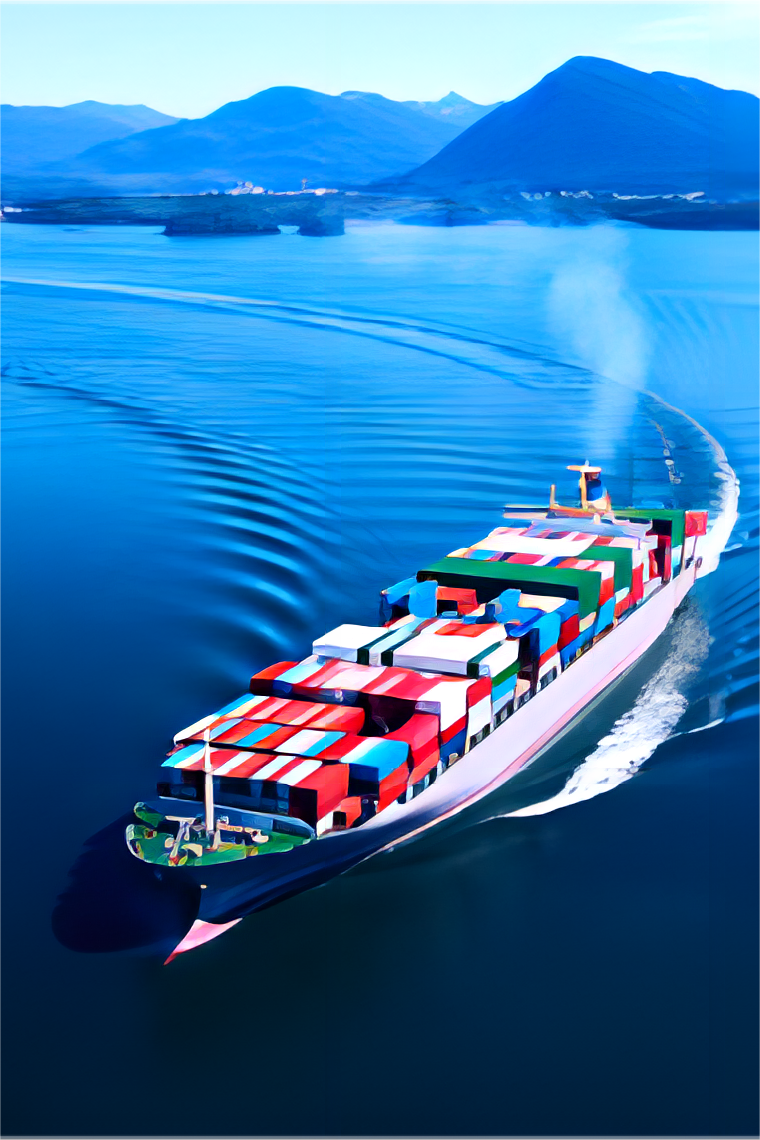
Why Choose a Professional Freight Forwarder China to South Korea?
Navigating the logistics landscape requires deep local knowledge of both Chinese export regulations and South Korean import protocols. Consequently, a professional forwarder acts as your strategic partner, managing everything from warehouse consolidation to final mile delivery. Furthermore, the 2026 market has seen a shift toward digital-first logistics, where real-time tracking and automated documentation are now standard requirements for competitive businesses.
Choosing the right partner significantly reduces the risk of port congestion and administrative errors. For instance, experts in the region understand the seasonal fluctuations in vessel availability during the Lunar New Year or mid-year shopping festivals. Additionally, they provide essential support in navigating the Regional Comprehensive Economic Partnership (RCEP) benefits, which can drastically lower your overall landed costs through tariff preferences.
Reliability in the supply chain directly impacts your bottom line and customer satisfaction levels. Therefore, working with an experienced team ensures that your cargo is handled with the utmost care while adhering to strict delivery schedules. Ultimately, the goal is to create a seamless bridge between your Chinese suppliers and your South Korean customers.
How Does Sea Freight Compare to Other Shipping Options?
When analyzing your logistics strategy, comparing different modes of transport is essential for balancing cost and speed. Sea freight remains the backbone of trade between China and South Korea due to its high capacity and relatively low cost. However, air freight and express services offer alternatives for time-sensitive shipments that justify the higher price point.
For large volumes of goods, sea freight is almost always the most economical choice. Specifically, Full Container Load (FCL) shipping provides security and exclusivity for your cargo, while Less than Container Load (LCL) allows smaller businesses to share space and costs. In contrast, air freight is reserved for high-value items or urgent restocking needs where every hour counts.
Hybrid solutions have also gained popularity in 2026, combining different modes to optimize the supply chain. For example, some shippers use a combination of trucking to a major port followed by fast-ferry services to reach Korean ports like Pyeongtaek. This approach offers a middle ground between the slow pace of traditional sea freight and the high expense of air transport.
| Shipping Method | Cost Range | Transit Time | Best For | Limitations |
|---|---|---|---|---|
| Sea Freight (FCL) | $600 – $1,100 | 5-10 Days | Bulk / Heavy Cargo | Longer lead time |
| Sea Freight (LCL) | $40 – $80/CBM | 7-12 Days | Small-mid shipments | Shared space risks |
| Air Freight | $2.50 – $5.50/kg | 1-3 Days | Urgent / High-value | Weight restrictions |
| Express Service | $5.00 – $9.50/kg | 1-2 Days | Small parcels | Highest cost |
Understanding Sea Freight: FCL vs LCL for the Korea Route
Deciding between FCL and LCL is a fundamental part of your shipping strategy. If you have enough cargo to fill a 20-foot or 40-foot container, FCL is generally faster because the container is sealed at the origin and only opened at the destination. Moreover, FCL minimizes the risk of damage since your goods are not handled alongside other shippers’ products.
On the other hand, LCL is an excellent option for businesses that do not have enough volume for a full container but still want to benefit from sea freight rates. Your forwarder will consolidate your goods with others, which might add 2-3 days to the total transit time for loading and unloading. Despite this, the cost savings for shipments between 1 and 15 CBM are often substantial.
Market data from early 2026 suggests that FCL rates have stabilized, making it easier for businesses to forecast their logistics budgets. Nevertheless, it is important to monitor fuel surcharges and port fees, which can fluctuate based on global economic conditions. Always consult with your forwarder to determine which method aligns best with your current inventory levels and budget constraints.
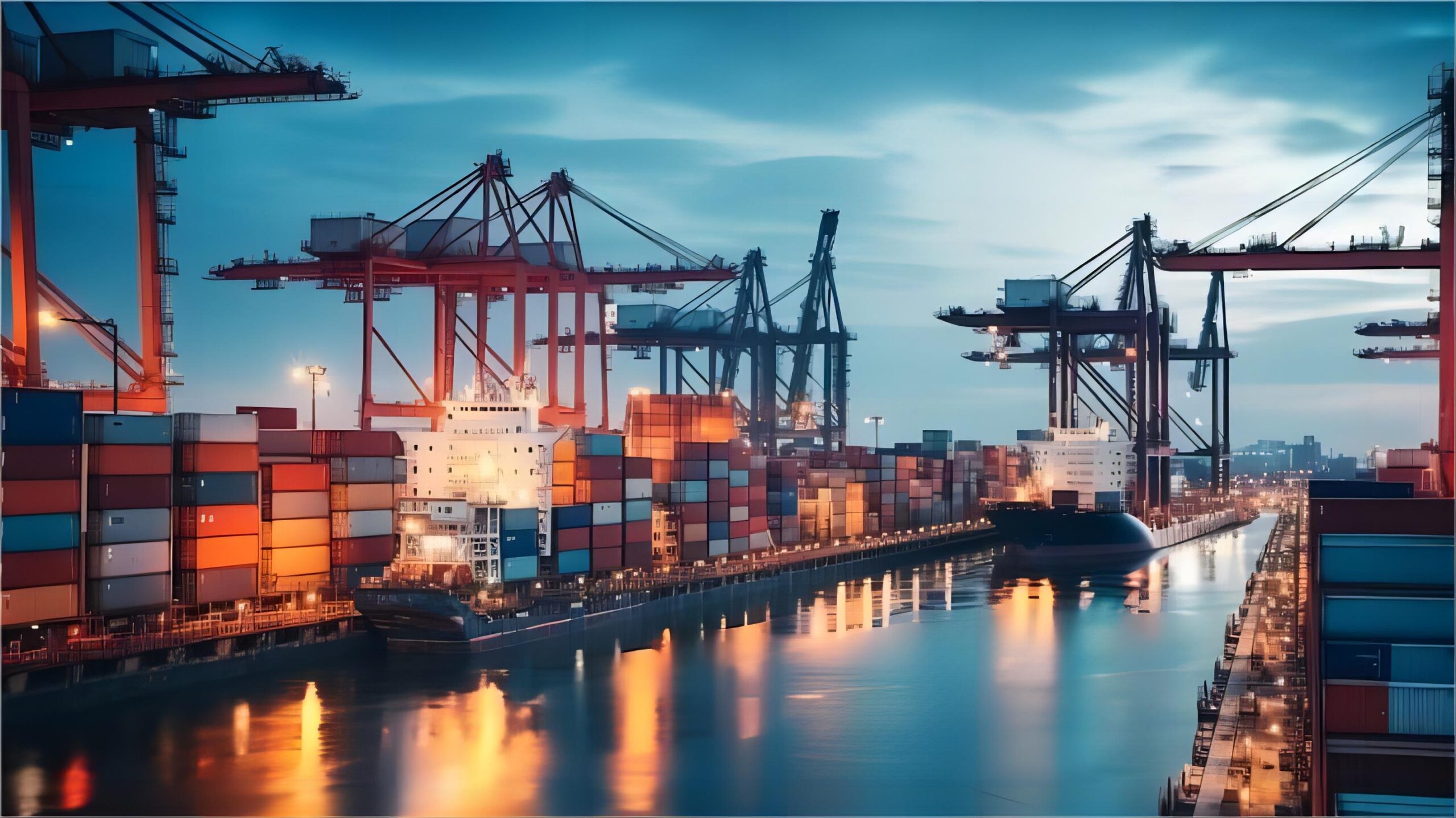
The Speed of Air Freight China to South Korea
When your supply chain demands immediate action, air freight provides the fastest connection between Chinese manufacturing hubs and South Korean markets. Major airports like Shanghai Pudong (PVG) and Shenzhen Bao’an (SZX) offer daily flights to Incheon International (ICN), ensuring that transit times are kept to a minimum. Consequently, this method is ideal for electronics, fashion, and perishable goods.
While the cost per kilogram is significantly higher than sea freight, the reduction in inventory holding costs can often offset the premium. Furthermore, the enhanced security protocols at airports reduce the risk of theft and damage for sensitive items. Indeed, many tech companies prefer air cargo to maintain lean inventory cycles and respond quickly to market trends in Seoul.
In 2026, air cargo capacity has expanded with the introduction of more dedicated freighter routes. This increased competition among carriers has led to more flexible scheduling options for shippers. However, it remains vital to book your space at least 3-5 days in advance during peak seasons to avoid premium ‘spot’ rates that can spike during November and December.
Door to Door and Express Services for Small Shipments
For businesses requiring maximum convenience, a door to door service simplifies the entire process. Your forwarder manages the pickup from the Chinese factory, handles all export and import documentation, and delivers the goods directly to your warehouse in South Korea. This ‘hands-off’ approach allows you to focus on your core business operations while experts handle the logistics.
Similarly, the express service is the go-to solution for samples, documents, and small parcels. Companies like DHL, FedEx, and specialized regional couriers provide rapid delivery within 24 to 48 hours. Although this is the most expensive per-kilogram option, the speed and reliability are unmatched for critical business components.
Choosing an express route also simplifies the customs process for low-value shipments. Many express carriers use ‘de minimis’ thresholds to expedite clearance, meaning smaller shipments may bypass lengthy inspections. Nevertheless, you must ensure that all commercial invoices are accurately prepared to avoid any unforeseen holdups at the border.
Customs Brokerage and Documentation Requirements
Navigating South Korean customs requires precision and a thorough understanding of the Korea-China Free Trade Agreement. Utilizing a professional customs brokerage service is highly recommended to ensure compliance with all local laws. Specifically, the Korea Customs Service (KCS) is known for its efficiency but maintains strict standards for documentation accuracy.
To avoid delays, you must provide a complete set of documents, including the Commercial Invoice, Packing List, and Bill of Lading. Furthermore, a Certificate of Origin is essential if you wish to claim preferential tariff rates under the RCEP or the bilateral FTA. Missing or incorrect information can lead to cargo being held at the port, resulting in expensive storage fees and disrupted supply chains.
In 2026, South Korea has further digitized its customs clearance through the UNI-PASS system. This AI-driven platform allows for faster processing but requires data to be submitted in a specific electronic format. Therefore, working with a forwarder who is integrated into these digital systems is a significant advantage for modern importers.
| Document Name | Purpose | Required For | Key Information |
|---|---|---|---|
| Commercial Invoice | Valuation of goods | All Shipments | Price, Quantity, HS Code |
| Packing List | Inventory details | All Shipments | Weight, Dimensions, Contents |
| Bill of Lading | Contract of carriage | Sea Freight | Carrier info, Consignee |
| Certificate of Origin | Tariff reduction | FTA/RCEP | Proof of manufacture |
| Import Declaration | Legal entry | All Shipments | Tax ID, Cargo details |
Which Option Should You Choose? Decision Framework
Selecting the right shipping method depends on four primary factors: budget, urgency, cargo volume, and the nature of the goods. If your priority is cost savings and your lead times are flexible, sea freight is the clear winner. Specifically, for shipments over 500kg or 2 CBM, the price gap between sea and air becomes very significant.
Conversely, if you are shipping high-value electronics that depreciate quickly, the speed of air freight justifies the cost. For cargo volumes between 100kg and 300kg, you should request quotes for both LCL sea freight and air freight, as the total landed cost might be surprisingly close once port fees are factored in. Moreover, always consider the ‘hidden’ costs of slow transit, such as tied-up capital and the risk of stockouts.
Cargo type also plays a role in the decision-making process. Hazardous materials or oversized machinery may have limited options and require specialized sea freight containers like Open Tops or Flat Racks. In contrast, standard consumer goods are well-suited for any mode of transport. By evaluating these criteria, you can develop a balanced logistics strategy that supports your business growth.
Real-World Case Studies: China to South Korea
Examining real-world scenarios helps illustrate the practical application of different shipping strategies. Below are two typical cases handled by a freight forwarder China to South Korea in early 2026, showing the diversity of logistics needs in this lane.
Case Study 1: Electronics from Shanghai to Busan
Route: Shanghai, China to Busan, South Korea
Cargo: Consumer Electronics (Smart Home Devices), 22 CBM, 4,500 kg
Container: 1 x 20GP (Full Container Load)
Shipping Details: Direct vessel via major carrier (COSCO)
Cost Breakdown:
– Ocean Freight: $850
– Origin Charges: $180
– Destination Charges: $220
– Customs and Duties: $1,200 (Estimated)
– Total Landed Cost: $2,450
Timeline: 6 days total (3 days sea transit, 3 days for booking and clearance)
Key Insight: By opting for FCL instead of LCL, the client saved $150 in handling fees and reduced transit time by 4 days.
Case Study 2: Fast Fashion from Shenzhen to Incheon
Route: Shenzhen, China to Incheon, South Korea
Cargo: Apparel and Accessories, 3.5 CBM, 800 kg
Shipping Method: Air Freight
Cost Breakdown:
– Air Freight: $2,100 ($2.62/kg)
– Origin/Destination Handling: $350
– Customs and Duties: $900
– Total Landed Cost: $3,350
Timeline: 48 hours door-to-door
Key Insight: The client needed to meet a seasonal launch deadline. Air freight was the only viable option to ensure the products were on shelves within the week.
Market Intelligence: 2026 Logistics Trends
As of Q1 2026, the shipping lane between China and South Korea has benefited from increased automation at major ports. For instance, the fully automated terminals in Qingdao and Shanghai have reduced vessel turnaround times by nearly 15%. This efficiency translates to more reliable schedules for importers in Busan and Incheon. Furthermore, the push for ‘Green Shipping Corridors’ has introduced more LNG-powered vessels, which may lead to small ‘green surcharges’ but offer more sustainable supply chain options.
Freight rates have remained relatively stable compared to the volatility of 2024-2025. However, industry benchmarks suggest that rates typically increase by 15-20% during the peak season from August to October. Consequently, savvy shippers are increasingly using long-term contracts to lock in rates and guarantee space. Additionally, the integration of blockchain in documentation is further reducing the time required for customs verification.
Note: Freight rates are subject to change based on fuel costs, carrier capacity, and seasonal demand. Contact us for a current quote tailored to your specific shipment.
Mastering Your Logistics from China to South Korea
Successfully managing your imports requires a strategic approach and a partner who understands the intricacies of the route. By choosing the right <a href=”https://ailogisticschina.com/”>freight forwarder China to South Korea</a>, you gain access to competitive rates, expert customs clearance, and the peace of mind that your cargo is in good hands.
Whether you prioritize the speed of air cargo or the volume capacity of sea freight, the key is to stay informed about market trends and documentation requirements. As trade between these nations continues to evolve in 2026, having a flexible and responsive supply chain will be your greatest competitive advantage.
Start Your Shipment
Ready to streamline your supply chain with a trusted freight forwarder China to South Korea? Our team of logistics experts is standing by to provide you with a customized quote and expert guidance on the best shipping routes for your business. Whether you need urgent air freight or cost-effective sea freight, we ensure your cargo arrives safely and on time. Visit our website to request your free, no-obligation shipping quote today and experience the difference of professional logistics management. Send Inquiry: https://ailogisticschina.com/
Request Quote