

Freight Forwarder China to Germany: 2026 Shipping Guide
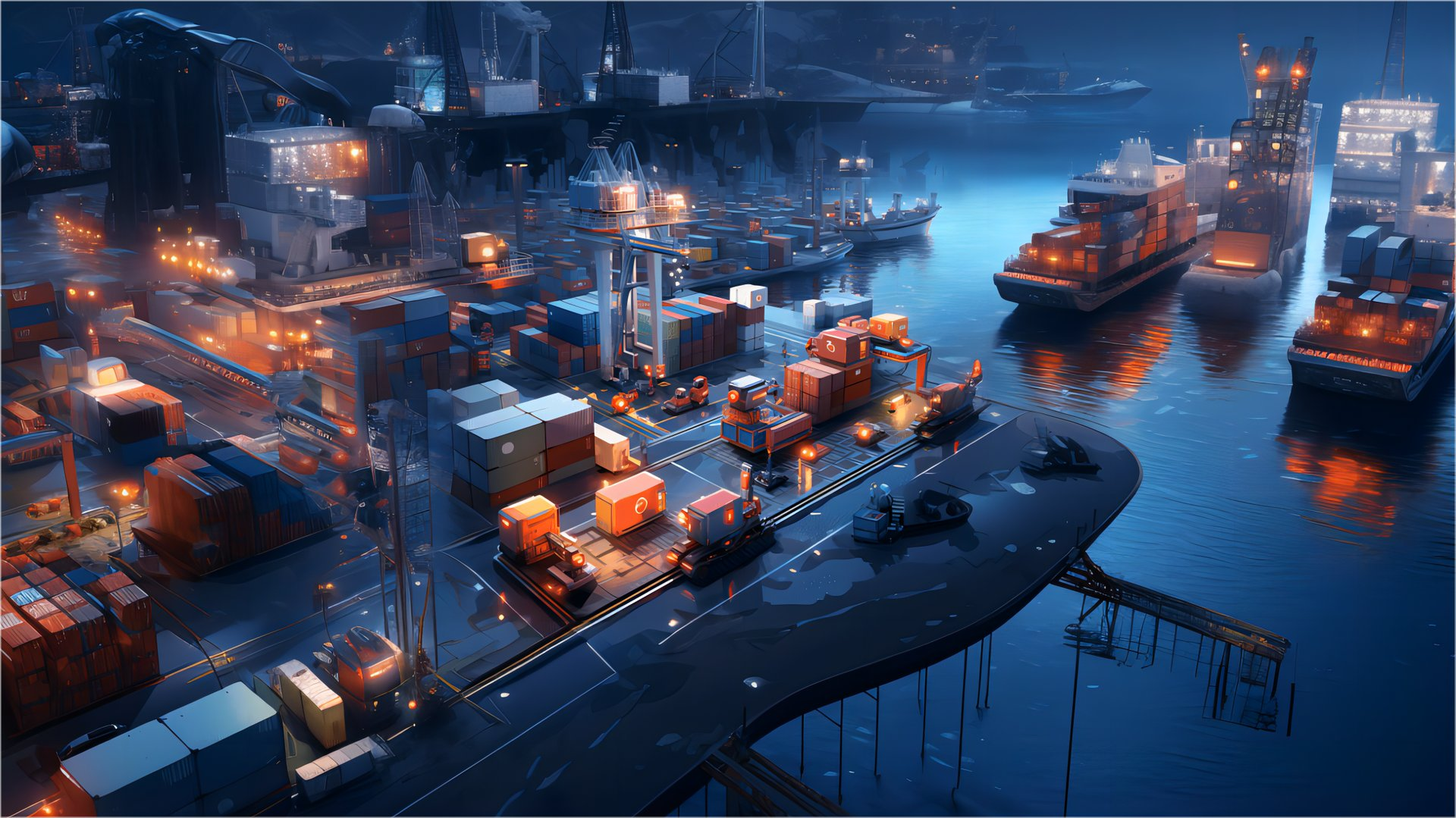
Navigating international trade requires a dependable freight forwarder China to Germany to manage complex supply chain operations. As of early 2026, the logistics corridor between these two economic powerhouses has evolved with new regulations and digital tracking standards. Consequently, businesses must partner with experts who understand the nuances of Hamburg port operations and Frankfurt air cargo hubs.
What Are the Primary Shipping Methods from China to Germany in 2026?
Selecting the right shipping method is the most critical decision for any importer working with a freight forwarder China to Germany. In the current 2026 market, shippers primarily choose between sea, air, and rail freight based on their specific budget and timeline requirements. Each method offers distinct advantages depending on the volume of cargo and the urgency of the delivery.
Furthermore, the global supply chain has stabilized significantly compared to previous years, allowing for more predictable scheduling. Businesses now have the luxury of planning their inventory cycles with greater precision. Specifically, the integration of real-time tracking has made it easier to monitor shipments across all transport modes.
Additionally, many companies are now exploring hybrid solutions to balance costs and speed effectively. For example, combining sea and rail transport can often provide a middle ground for shipments that are not urgent enough for air but too slow for traditional sea routes. This flexibility is essential for maintaining a competitive edge in the German market.
How Does Sea Freight Compare to Other Shipping Options?
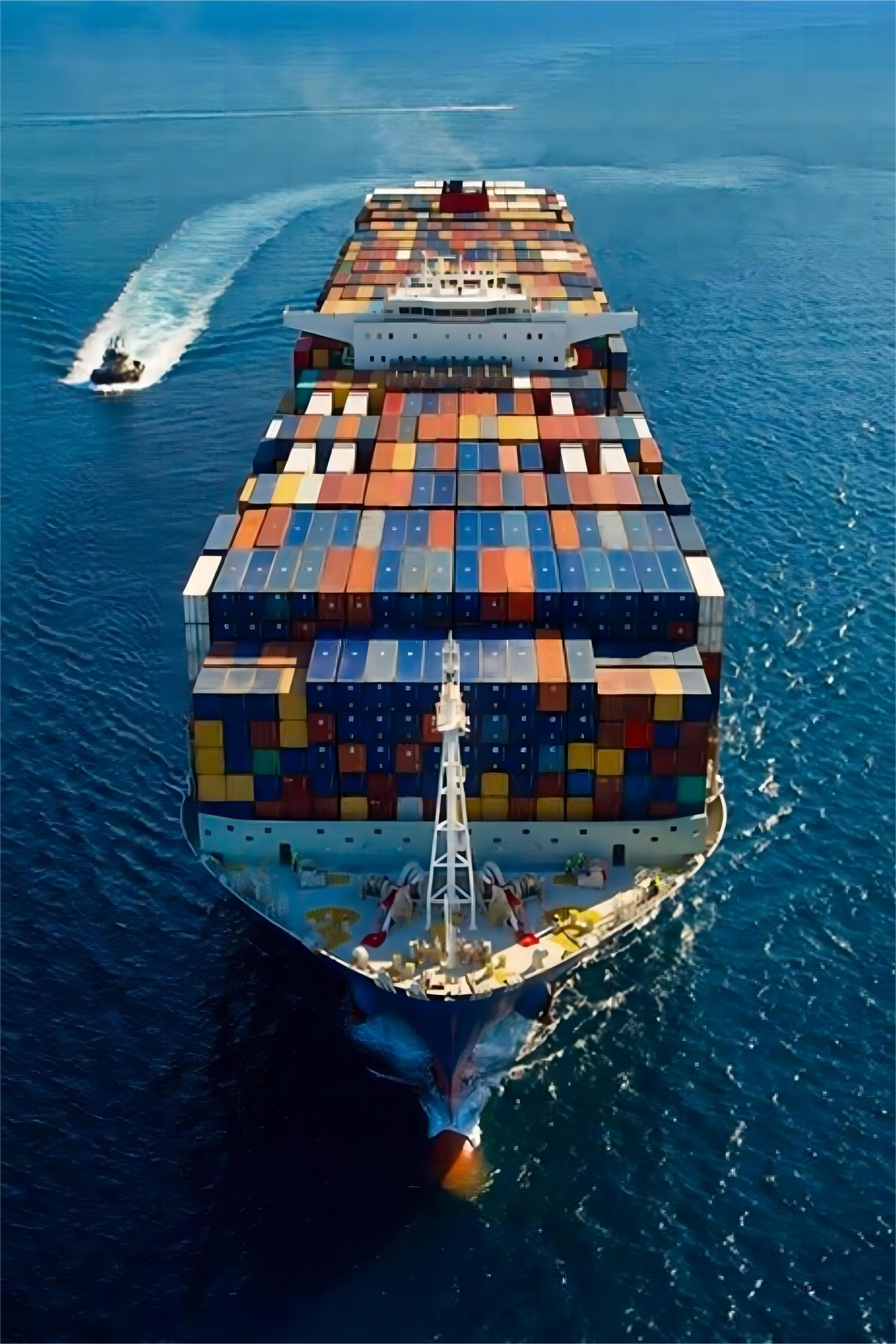
When you use sea freight, you are choosing the most cost-effective method for transporting large volumes of goods. In 2026, ocean carriers have introduced more fuel-efficient vessels, which has helped stabilize freight rates for major routes like Shanghai to Hamburg. However, the transit time remains the longest among all available options.
In contrast, air freight offers the fastest delivery but at a significantly higher price point. Rail freight serves as a viable alternative, providing a balance between the speed of air and the economy of sea. Consequently, the choice depends on your specific cargo type and how quickly you need to restock your German warehouse.
Moreover, the environmental impact of each method is becoming a larger factor for German businesses. Sea freight typically has a lower carbon footprint per ton-kilometer compared to air transport. Therefore, sustainable logistics planning often favors ocean or rail options for non-urgent inventory.
| Shipping Method | Cost Range (2026) | Transit Time | Best For |
|---|---|---|---|
| Sea (FCL) | $3,000 – $4,500 | 30-45 Days | Bulk Consumer Goods |
| Air Freight | $6 – $10 per kg | 3-7 Days | Electronics/Urgent |
| Rail Freight | $1,800 – $3,200 | 18-24 Days | E-commerce Inventory |
| Express | $12 – $18 per kg | 2-4 Days | Samples/Small Parcels |
Why Choose Air Freight for Urgent Shipments to Germany?
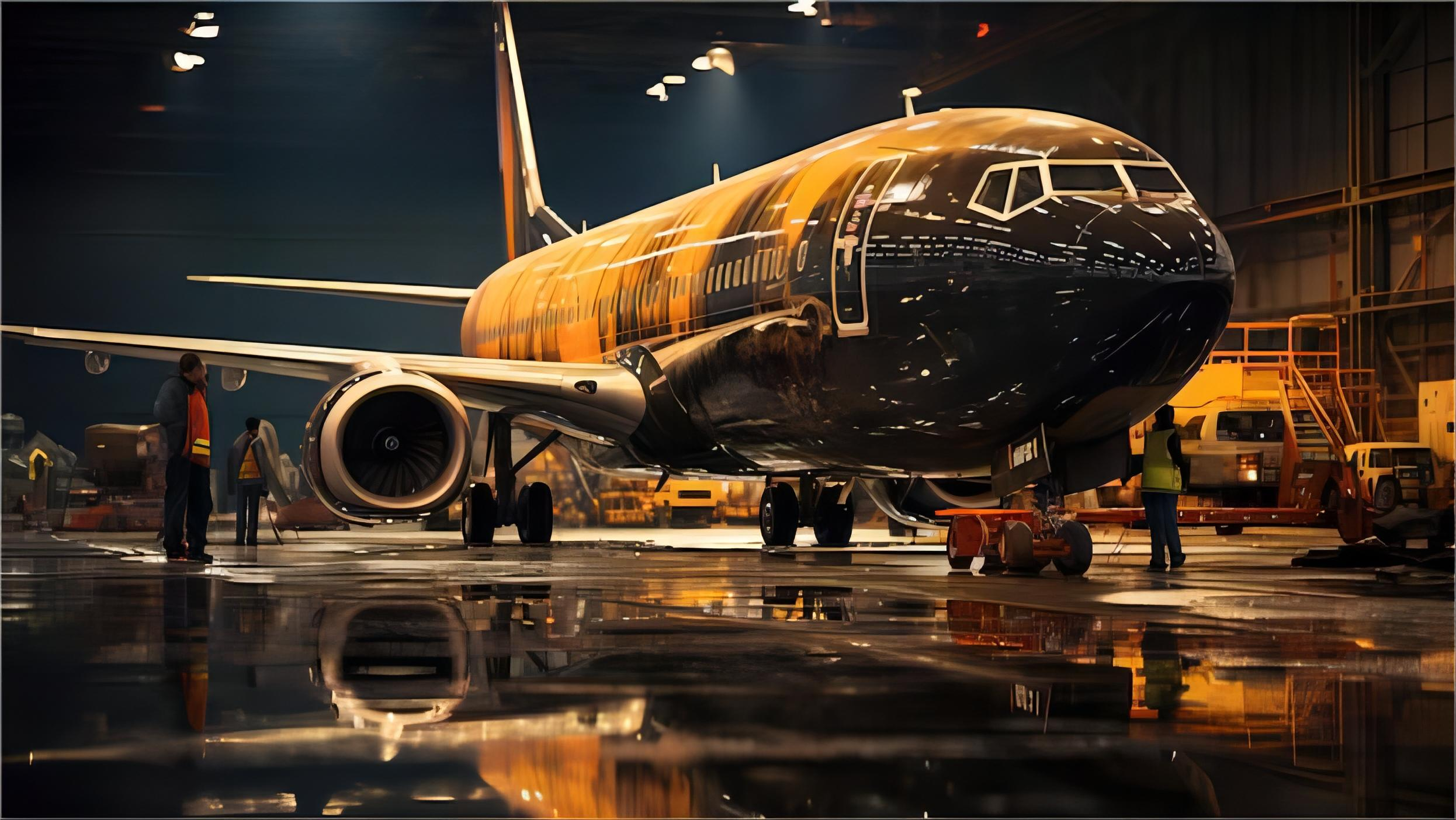
Utilizing air freight is essential when your business faces tight deadlines or handles high-value products. Throughout 2026, the demand for rapid delivery has increased as German consumers expect faster fulfillment for online orders. As a result, air transport remains the go-to solution for the fashion and technology sectors.
Specifically, major airports like Frankfurt and Munich serve as primary gateways for cargo arriving from hubs like Shenzhen and Beijing. These facilities offer advanced cold chain logistics and secure handling for sensitive equipment. Meanwhile, the cost of air freight is influenced by seasonal demand and fuel surcharges, which require careful monitoring.
Furthermore, air shipping minimizes the risk of damage or theft due to shorter transit times and reduced handling. For instance, high-end medical devices or luxury goods are almost exclusively shipped via air to ensure maximum security. This method provides peace of mind for shippers who cannot afford the delays associated with longer routes.
Can Rail Freight Provide a Competitive Advantage?
Many importers now find that rail freight offers a strategic advantage by cutting transit times in half compared to sea freight. The Iron Silk Road connects major Chinese industrial cities directly to German hubs like Duisburg and Hamburg. This connection has become increasingly reliable in 2026, with daily departures and improved infrastructure.
Additionally, rail transport is less susceptible to the weather-related delays that often plague ocean shipping. It provides a stable environment for cargo, which is particularly beneficial for automotive parts and industrial machinery. Consequently, many German manufacturers use rail to maintain just-in-time production schedules.
Moreover, the cost of rail freight is often only 20% to 30% higher than sea freight while being significantly cheaper than air. This makes it an ideal choice for medium-sized shipments that require a faster turnaround than 40 days. Indeed, rail has become a cornerstone of modern China-Germany logistics strategies.
What Are the Customs and Documentation Requirements in Germany?
Professional customs brokerage is vital for navigating the strict import regulations of the European Union. In 2026, the German customs authorities have implemented stricter digital filing requirements for all incoming cargo. Therefore, having accurate documentation is the only way to avoid costly port storage fees and delivery delays.
Specifically, you must provide a commercial invoice, a detailed packing list, and a bill of lading or airway bill. Furthermore, certain products may require certificates of origin or CE marking to comply with German safety standards. An experienced freight forwarder China to Germany will review these documents before the cargo leaves the origin port.
Consequently, failing to comply with these regulations can lead to the seizure of goods or heavy fines. It is also important to understand the VAT and duty rates applicable to your specific product category. Working with a consultant ensures that you apply the correct HS codes and minimize your total landed cost.
| Document Name | Purpose | Required For | Issuer |
|---|---|---|---|
| Commercial Invoice | Value Declaration | All Shipments | Seller/Exporter |
| Packing List | Cargo Details | All Shipments | Seller/Exporter |
| Bill of Lading | Title of Goods | Sea/Rail Freight | Carrier |
| Certificate of Origin | Duty Assessment | Specific Goods | Chamber of Commerce |
How Does Door to Door Shipping Simplify Your Logistics?
Choosing door to door service allows you to focus on your core business while your freight forwarder China to Germany handles every detail. This comprehensive solution includes pickup from the factory, international transport, customs clearance, and final delivery to your warehouse. As a result, you eliminate the need to coordinate with multiple vendors and carriers.
In addition, this service provides a single point of contact for all your shipping inquiries. This transparency is invaluable when managing complex inventory arrivals across different German states. Specifically, DDP (Delivered Duty Paid) terms are popular in 2026 because they provide an all-inclusive price that covers all duties and taxes.
Furthermore, door-to-door logistics reduce the likelihood of communication errors between different parties in the supply chain. By entrusting the entire process to one partner, you ensure a smoother transition through ports and domestic trucking networks. This efficiency often translates into faster total transit times and lower overhead costs.

Which Option Should You Choose? Decision Framework
Determining the best shipping method requires a careful analysis of your business priorities and cargo characteristics. If your primary goal is cost reduction and you have flexible timelines, sea freight is undoubtedly the best choice for your 2026 strategy. However, if you are launching a new product and need it on shelves immediately, air freight is the necessary investment.
On the other hand, rail freight is the ideal solution for businesses that need to balance speed and budget. Specifically, if your shipment volume is between 5 and 15 cubic meters, LCL (Less than Container Load) rail options can be very economical. In contrast, FCL (Full Container Load) sea shipping is best for volumes exceeding 15 cubic meters.
Consequently, you should evaluate your inventory turnover rate before making a final decision. High-turnover items benefit from the speed of air or rail, while seasonal stock can be planned months in advance using sea routes. Always consult with your freight forwarder to get the most current market rates and capacity updates.
Real-World Shipping Case Studies 2026
Case Study 1: Industrial Machinery from Ningbo to Hamburg. Cargo: Precision CNC machines, 22 CBM, 4,500 kg. Container: 20GP Full Container. Shipping Details: Sea Freight via COSCO, Direct Route. Cost Breakdown: Ocean Freight $2,400, Origin Charges $450, Destination Charges $600, Customs $300. Total Landed Cost: $3,750. Timeline: 34 days total door-to-door. Key Insight: Booking 3 weeks in advance secured 2026 Q1 rates before the seasonal peak.
Case Study 2: Electronics from Shenzhen to Munich. Cargo: Consumer tablets, 2 CBM, 400 kg. Shipping Method: Air Freight. Port of Loading: Shenzhen (SZX). Port of Discharge: Munich (MUC). Cost Breakdown: Air Freight $3,200, Documentation $150, Local Delivery $200. Total Landed Cost: $3,550. Timeline: 5 days total. Key Insight: Using air freight allowed the client to meet a critical product launch deadline in Germany.
Case Study 3: E-commerce Stock from Chengdu to Duisburg. Cargo: Home decor items, 8 CBM, 1,200 kg. Shipping Method: Rail Freight LCL. Route: Trans-Eurasian Railway. Cost Breakdown: Rail Freight $1,600, Customs Clearance $250, Warehouse Handling $180. Total Landed Cost: $2,030. Timeline: 21 days total. Key Insight: Rail provided a 40% time saving over sea freight at a manageable cost increase.
How to Reduce Your Shipping Costs from China to Germany?
Reducing your logistics expenses in 2026 requires a proactive approach to cargo consolidation and packaging. For instance, optimizing your box dimensions can significantly reduce the volumetric weight for air freight shipments. Additionally, consolidating multiple small orders into a single LCL shipment can lower your per-unit shipping cost.
Furthermore, negotiating long-term contracts with your freight forwarder China to Germany can provide more stable pricing throughout the year. While spot rates fluctuate based on market demand, contract rates offer protection during peak seasons like the lead-up to Christmas. Specifically, planning your shipments during off-peak months like March or April can result in 15% to 20% savings.
Moreover, always verify your HS codes to ensure you are not overpaying on import duties. Small errors in classification can lead to significantly higher tax obligations at the German border. Therefore, a thorough audit of your documentation by a customs expert is a high-return investment for any regular importer.
Summary of 2026 China to Germany Shipping
In summary, selecting the right freight forwarder China to Germany is a strategic decision that directly impacts your bottom line and customer satisfaction. By evaluating the trade-offs between sea, air, and rail freight, you can build a resilient supply chain that adapts to the 2026 market.
Indeed, the combination of professional customs brokerage and efficient transport methods ensures your goods arrive without unnecessary delays. As trade volumes continue to grow, staying informed about the latest logistics trends and cost-saving strategies remains essential for success in the German market.
Ready to streamline your logistics?
Partnering with an experienced freight forwarder China to Germany ensures your business stays ahead of logistical challenges in 2026. Contact us today to receive a customized quote and optimize your international shipping strategy. Visit our inquiry page to get started with professional logistics support for your next shipment.
Request Quote