

Freight Forwarder China to Canada Customs Clearance Service: 2026 Guide
Navigating the complexities of international trade requires a strategic approach, particularly when managing shipments between major global hubs. Choosing a reliable freight forwarder china to Canada customs clearance service ensures that your goods arrive safely and comply with all legal requirements. In the 2026 logistics landscape, businesses must adapt to evolving regulations and shifting market dynamics to maintain a competitive edge. This comprehensive guide provides the essential insights needed to streamline your supply chain and minimize unexpected delays at the border.
What is a Freight Forwarder China to Canada Customs Clearance Service?
A freight forwarder acts as an intermediary between the shipper and various transportation services, handling the logistics of moving goods across borders. Specifically, a freight forwarder china to Canada customs clearance service manages the intricate paperwork required by the Canada Border Services Agency (CBSA).
Moreover, these professionals coordinate the entire journey, from the factory floor in China to the final destination in Canada. They ensure that all HS codes are correctly applied and that duties are calculated accurately to avoid penalties. Consequently, businesses can focus on their core operations while experts handle the complexities of international shipping.
Choosing the right partner is crucial for maintaining a healthy supply chain. Without professional guidance, importers often face significant delays, additional storage fees, and potential legal issues at the Canadian border.
How Does Sea Freight Compare to Other Shipping Options?
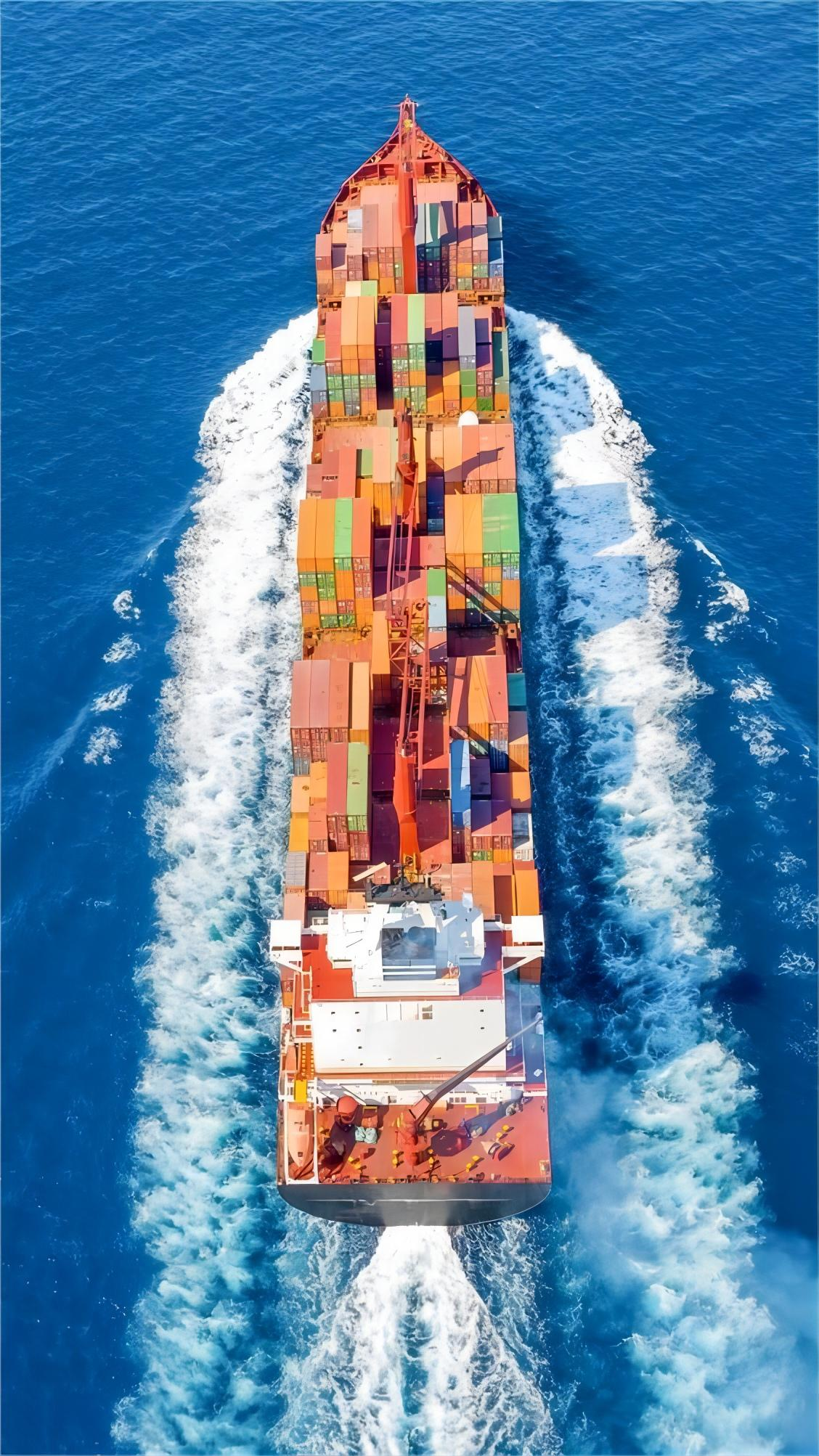
Sea freight remains the most cost-effective solution for high-volume shipments moving from China to North America. While it offers lower rates, the transit times are significantly longer than air transport. For instance, shipping from Shanghai to Vancouver typically takes 15 to 20 days, whereas shipping to Toronto or Montreal via rail can take up to 35 days.
On the other hand, air freight provides unparalleled speed for urgent or high-value cargo. For businesses with tight deadlines, air freight is the preferred choice despite its higher cost. Meanwhile, hybrid solutions like sea-air combinations are gaining popularity in 2026 to balance cost and speed.
Furthermore, sea freight is divided into Full Container Load (FCL) and Less than Container Load (LCL). LCL is ideal for smaller shipments that do not require an entire container, allowing importers to share space and costs with others. However, FCL is generally faster and more secure for larger volumes.
| Shipping Method | Cost Range (2026) | Transit Time | Best For |
|---|---|---|---|
| Sea Freight (FCL) | $3,000 – $5,500 | 18-35 Days | Bulk goods/Large volume |
| Sea Freight (LCL) | $80 – $150/CBM | 25-40 Days | Small/Medium shipments |
| Air Freight | $5 – $12/kg | 3-7 Days | Urgent/High-value |
| Express Service | $8 – $15/kg | 2-5 Days | Samples/Small parcels |
Why is Customs Clearance Critical for Canada Imports?
Customs clearance is the process of passing goods through the CBSA so that they can legally enter the Canadian market. This involves the submission of various documents, payment of duties, and inspection of cargo. A specialized customs brokerage service is essential for navigating these requirements without errors.
Additionally, the CBSA Assessment and Revenue Management (CARM) system is fully operational in 2026. This digital initiative has transformed how importers interact with the government, making it mandatory to have a registered business number and a financial security bond. Failure to comply with CARM regulations can result in immediate shipment holds.
Importers must also be aware of the Goods and Services Tax (GST), which is generally 5% on imported goods. Depending on the province of destination, Harmonized Sales Tax (HST) may also apply. Professional forwarders ensure these taxes are handled correctly at the point of entry.
Which Option Should You Choose? Decision Framework
Selecting the right shipping method depends on your budget, timeline, and cargo type. If your priority is cost-saving and you have a flexible schedule, sea freight is the logical choice. It offers the lowest per-unit cost for large inventories.
If speed is your primary concern, air freight is the only viable option to meet strict delivery windows. This is particularly true for electronics, fashion items, or seasonal goods that lose value quickly. For mid-sized shipments, consider LCL to keep costs manageable while maintaining a steady flow of inventory.
Cargo type also dictates the method. Hazardous materials or oversized equipment require specialized handling and specific shipping routes. Always consult with your freight forwarder to determine the most efficient path for your specific commodity.
Realistic Case Studies: 2026 Shipping Scenarios
Case Study 1: Electronics from Shenzhen to Vancouver. Cargo: 15 CBM, 3000 kg. Method: LCL Sea Freight. Carrier: COSCO. Port of Loading: Shenzhen. Port of Discharge: Vancouver. Ocean Freight: $1,450. Origin Charges: $350. Destination Charges: $500. Customs & Duties: $4,200 (includes GST). Total Landed Cost: $6,500. Transit Time: 22 days door-to-door. Key Insight: Using LCL saved the client 40% compared to air freight, despite the longer transit time.
Case Study 2: Industrial Machinery from Shanghai to Toronto. Cargo: 40HQ Full Container. Method: FCL Sea Freight. Carrier: Maersk. Port of Loading: Shanghai. Port of Discharge: Prince Rupert (Rail to Toronto). Ocean Freight: $5,200. Origin Charges: $600. Destination Charges: $850. Customs & Duties: $12,000. Total Landed Cost: $18,650. Transit Time: 32 days. Key Insight: Routing through Prince Rupert avoided congestion at Vancouver, saving 5 days of transit time.
Case Study 3: E-commerce Inventory from Ningbo to Amazon FBA Brampton. Cargo: 2 CBM, 400 kg. Method: Amazon FBA Express. Carrier: DHL. Total Landed Cost: $3,200. Transit Time: 6 days. Key Insight: Express shipping ensured the client did not go out of stock during a peak sales event. Note: Freight rates are subject to change based on fuel costs and seasonal demand. Contact us for a current quote.
Essential Documentation for Canadian Customs Clearance
Accurate documentation is the backbone of a successful import process. The most critical document is the Commercial Invoice, which must detail the buyer, seller, description of goods, and the transaction value. Any discrepancies in this document can lead to audits and delays.
Furthermore, the Bill of Lading (B/L) serves as the contract of carriage and a receipt for the goods. For air shipments, an Air Waybill (AWB) is used instead. These documents are vital for the door to door tracking and legal transfer of cargo.
Importers must also provide a Packing List and, in some cases, a Certificate of Origin. The Certificate of Origin is particularly important if you are claiming preferential tariff rates under trade agreements. Ensure all documents are prepared in English or French to meet Canadian requirements.
| Document Name | Purpose | Required By | Criticality |
|---|---|---|---|
| Commercial Invoice | Valuation and Duty | CBSA | High |
| Bill of Lading | Title and Transport | Carrier/Customs | High |
| Packing List | Cargo Verification | Warehouse/Customs | Medium |
| B3 Canada Customs Coding | Accounting Document | CBSA | High |
Strategies to Reduce Shipping Costs in 2026
Consolidating shipments is one of the most effective ways to lower your overall logistics spend. By grouping smaller orders into a single LCL or FCL shipment, you reduce the per-unit cost of documentation and port fees. Moreover, planning your inventory cycles to avoid peak seasons can save you up to 25% in freight rates.
Optimizing your packaging is another crucial strategy. Reducing the dimensions and weight of your crates can lower both air freight costs and trucking fees in Canada. Additionally, negotiating long-term contracts with your freight forwarder can provide price stability amidst market fluctuations.
Utilizing a professional freight forwarder china to Canada customs clearance service also helps identify potential duty drawbacks or exemptions. Many businesses overpay duties because they use incorrect HS codes. A thorough audit of your product classifications can result in significant annual savings.
Understanding 2026 Market Trends and Transit Times
As of early 2026, freight rates from China to Canada have stabilized following the logistical disruptions of previous years. However, port efficiency varies significantly across the country. Vancouver remains the primary gateway, but increased volume has led some importers to prefer Prince Rupert for faster rail connections to the interior.
Digitalization continues to be a major trend, with real-time tracking now a standard expectation. Importers can now monitor their cargo at every stage, from the warehouse in China to the final delivery in Canada. This transparency allows for better inventory management and more accurate delivery forecasting.
Environmental regulations are also influencing shipping routes and costs. Carriers are increasingly adopting green fuels, which has introduced small environmental surcharges. Staying informed about these trends helps businesses adjust their pricing and logistics strategies accordingly.
Mastering Your China to Canada Logistics Strategy
Successfully importing goods requires more than just moving cargo from point A to point B. It demands a deep understanding of international regulations, market trends, and strategic planning. By partnering with an experienced freight forwarder china to Canada customs clearance service, you mitigate risks and optimize your supply chain for 2026 and beyond.
Remember that the lowest price is not always the best value if it leads to delays or customs penalties. Focus on reliability, transparency, and expertise when choosing your logistics partner. With the right approach, you can navigate the complexities of China-Canada trade with confidence and efficiency.
Ready to streamline your logistics?
Streamline your international logistics today with a professional freight forwarder china to Canada customs clearance service. Our team provides end-to-end support to ensure your cargo arrives on time and within budget. Send Inquiry link: Visit our website to request a personalized quote for your next shipment.
Request Quote