
Freight Forwarder China to Canada (40HC Container Shipping) 2026 Guide
Navigating the complexities of international logistics requires a reliable partner to ensure your goods arrive safely and on time. Finding a professional freight forwarder China to Canada (40HC container shipping) is essential for businesses looking to optimize their supply chain in 2026. This comprehensive guide explores the nuances of large-scale container shipping, providing you with the insights needed to manage costs and improve efficiency. Whether you are importing electronics, furniture, or industrial equipment, understanding the current market landscape is the first step toward success.
✦
Why Choose 40HC Container Shipping for Your Canada Imports?
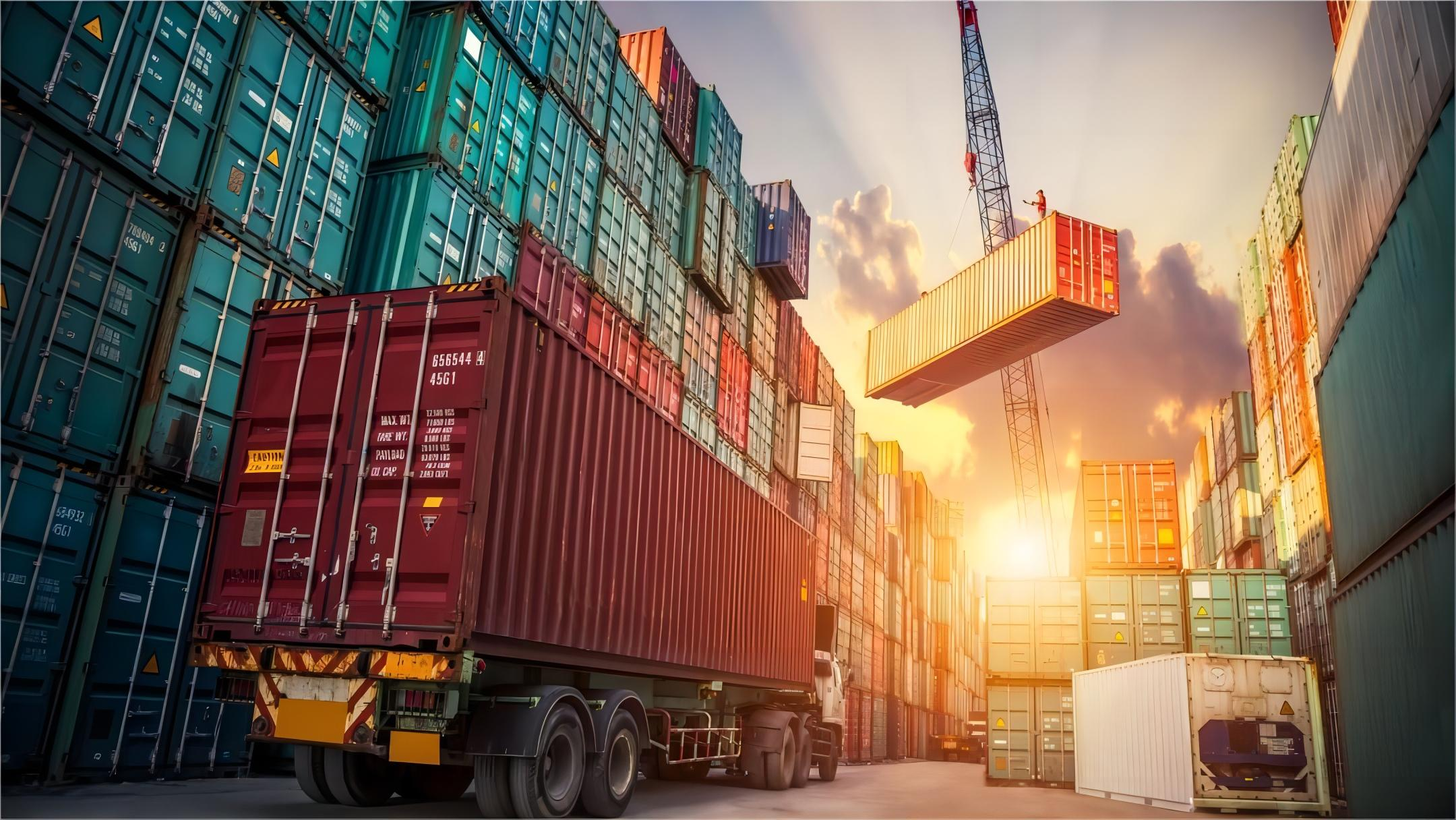
High-volume importers frequently prefer the 40-foot High Cube (40HC) container due to its superior vertical space compared to standard units. Specifically, this container type offers an extra foot of height, which allows for approximately 76 cubic meters of cargo capacity. Consequently, businesses can maximize their shipping volume while maintaining a relatively stable freight cost per unit.
Choosing sea freight for your 40HC containers provides a cost-effective solution for bulky or heavy items. Furthermore, the 2026 logistics market has seen a shift toward larger container utilization to combat rising port handling fees. Therefore, utilizing the maximum available space in a 40HC container is a strategic move for any savvy importer.
Moreover, the structural integrity of these containers ensures that your goods remain protected throughout the trans-Pacific journey. Additionally, many carriers now offer specialized tracking for 40HC units, giving you real-time visibility into your shipment’s progress. Indeed, the combination of volume and security makes this the gold standard for China-Canada trade routes.
Current 2026 Freight Rates for 40HC Shipping to Canada
Market data suggests that freight rates have stabilized in early 2026 following the fluctuations of previous years. However, prices still vary significantly based on the specific departure port in China and the final destination in Canada. For instance, shipping to Vancouver is generally more affordable than transit to inland hubs like Toronto or Montreal.
Typically, ocean freight rates for a 40HC container from Shanghai to Vancouver range between $2,800 and $3,400 in the current quarter. Meanwhile, shipments destined for the East Coast or Central Canada incur higher costs due to rail transfer requirements. Accordingly, importers should budget for seasonal peaks, particularly during the months leading up to the holiday season.
Additionally, it is important to remember that base freight rates do not include local charges or terminal handling fees. Specifically, you must account for documentation fees, fuel surcharges, and potential storage costs at the destination. Without a doubt, requesting an all-in quote from your freight forwarder is the best way to avoid unexpected expenses.
| Origin Port | Destination Port | Rate Range (USD) | Est. Transit Time |
|---|---|---|---|
| Shanghai | Vancouver | $2,800 – $3,400 | 15-18 Days |
| Ningbo | Toronto | $4,200 – $5,100 | 28-32 Days |
| Shenzhen | Montreal | $4,500 – $5,400 | 30-35 Days |
| Qingdao | Vancouver | $2,900 – $3,500 | 18-22 Days |
How Does 40HC Shipping Compare to Other Shipping Options?
Analyzing the various methods available for shipping from China to North America reveals distinct trade-offs between speed and cost. While a 40HC container is ideal for large volumes, smaller shipments might benefit from Less than Container Load (LCL) services. However, FCL (Full Container Load) remains the most secure and efficient method for shipments exceeding 15 cubic meters.
Comparatively, air freight offers unmatched speed but comes at a significantly higher price point, often ten times the cost of sea freight. Consequently, air transport is usually reserved for high-value electronics or urgent medical supplies. On the other hand, 40HC shipping provides the lowest cost per cubic meter for general consumer goods.
Furthermore, some importers consider hybrid sea-air solutions to balance urgency and budget. Nevertheless, for the majority of retail and industrial imports, the 40HC container remains the most viable long-term strategy. Ultimately, the choice depends on your inventory turnover requirements and total logistics budget.
| Method | Cost Level | Transit Time | Best For |
|---|---|---|---|
| 40HC FCL | Lowest | 15-35 Days | Bulk Inventory |
| LCL Sea | Medium | 20-40 Days | Small Batches |
| Air Freight | Highest | 3-7 Days | Urgent Samples |
| Sea-Air | Moderate | 12-18 Days | Time-Sensitive |
Understanding Transit Times and Key Routes to Canada
Transit times for a 40HC container are primarily influenced by the choice of shipping lane and the efficiency of port operations. Specifically, the direct route from major Chinese ports to Vancouver is the fastest gateway into the Canadian market. Consequently, many businesses use Vancouver as a primary entry point before distributing goods via rail to the rest of the country.
Moreover, weather conditions and seasonal congestion can impact the delivery schedule. For example, winter months often see slight delays due to heavy seas in the North Pacific or rail disruptions in the Canadian Rockies. Therefore, working with an experienced freight forwarder who can proactively manage these risks is crucial.
In addition, your choice of carrier can affect the total duration of the shipment. Indeed, some premium carriers offer guaranteed transit times for an additional fee, which can be beneficial for tight production schedules. Always ensure your logistics provider gives you a realistic timeline that includes time for loading and unloading.
Essential Customs Brokerage and Documentation for Canada
Navigating the Canadian Border Services Agency (CBSA) requirements is a critical step in the import process. Specifically, you must ensure that all paperwork, including the Commercial Invoice and Packing List, is perfectly accurate. Furthermore, utilizing professional customs brokerage services can prevent costly delays and fines at the border.
Additionally, importers must be aware of specific Canadian regulations regarding wood packaging materials and product safety standards. Consequently, ensuring that your supplier in China complies with these rules is essential before the container is sealed. Failure to do so could result in the entire container being held for inspection or even returned.
Moreover, the 2026 trade environment requires digital submission of most customs documents through the CARM (CBSA Assessment and Revenue Management) portal. Therefore, your freight forwarder must be technologically integrated with Canadian systems to ensure a smooth clearance process. Proper preparation is the key to avoiding demurrage and detention charges.
Real-World Case Studies: 40HC Shipping Success Stories
Case Study 1: Efficient Electronics Distribution. Route: Shenzhen to Vancouver. Cargo: Consumer Electronics, 68 CBM, 14,000 kg. Container: 40HC. Shipping Details: Direct sea transit via major carrier. Cost Breakdown: Ocean Freight $3,200, Origin Charges $450, Destination Charges $600. Total Landed Cost: $4,250. Timeline: 22 days door-to-door. Key Insight: Early booking during the 2026 Q1 lull saved the client 15% on freight costs.
Case Study 2: Large-Scale Furniture Import. Route: Ningbo to Toronto. Cargo: Home Furniture, 72 CBM, 18,000 kg. Container: 40HC. Shipping Details: Transshipment via Vancouver with rail link to Toronto. Cost Breakdown: Ocean Freight $4,800, Origin Charges $500, Destination Charges $1,000. Total Landed Cost: $6,300. Timeline: 34 days door-to-door. Key Insight: Using a 40HC instead of two 20GP containers reduced the total shipping cost by $1,200.
Case Study 3: Industrial Machinery Transit. Route: Qingdao to Montreal. Cargo: Manufacturing Equipment, 65 CBM, 22,000 kg. Container: 40HC. Shipping Details: Direct sea route via Panama Canal. Cost Breakdown: Ocean Freight $5,100, Customs & Duties $2,500, Local Delivery $800. Total Landed Cost: $8,400. Timeline: 38 days. Key Insight: Professional crating inside the 40HC prevented damage during the long transit through the canal.
Cost-Saving Strategies for 40HC Shipments in 2026
Implementing a door to door service model can often lead to significant savings by consolidating various logistics steps under one provider. Specifically, this approach reduces the number of intermediaries, which minimizes administrative fees and communication errors. Furthermore, many forwarders offer discounted rates for high-volume, recurring shipments.
Additionally, optimizing your packaging to fit more units into the 40HC container is a simple yet effective way to lower your per-unit cost. Consequently, you should work closely with your manufacturer to ensure that pallet sizes are compatible with the container’s interior dimensions. Even a small increase in loading efficiency can result in thousands of dollars saved over a year.
Moreover, staying informed about market trends allows you to time your shipments during periods of lower demand. For example, shipping immediately after the Chinese New Year often results in more competitive rates. Without a doubt, flexibility in your shipping schedule is one of the most powerful tools for cost management.
Alternative Logistics Strategies and Hybrid Solutions
While 40HC sea freight is the primary choice, some businesses may require faster alternatives for specific product launches. For instance, Amazon FBA sellers often use a mix of sea and air to maintain stock levels during peak seasons. However, this requires careful inventory management to ensure that the higher air freight costs do not erase profit margins.
Specifically, a sea-air hybrid strategy involves shipping goods by sea to a mid-way point, such as Dubai or Singapore, and then flying them to Canada. Consequently, this method offers a middle ground, being faster than sea and cheaper than pure air freight. Nevertheless, the complexity of coordinating two modes of transport requires a highly skilled freight forwarder.
Furthermore, for shipments originating in Northern China, some importers explore rail-sea combinations through different port hubs. Accordingly, evaluating all available routes based on your specific origin city can uncover hidden efficiencies. Always ask your logistics partner for a comparison of at least three different routing options.
Mastering Your China to Canada Logistics
Successfully managing a freight forwarder China to Canada (40HC container shipping) operation requires a blend of market knowledge, careful planning, and reliable partnerships. By understanding the 2026 cost landscape and transit dynamics, you can make informed decisions that benefit your bottom line. Remember to prioritize proper documentation and explore various routing strategies to maximize efficiency.
Ultimately, the goal is to create a resilient supply chain that can withstand market fluctuations and deliver consistent results. With the right approach to container shipping, your business will be well-positioned to thrive in the competitive Canadian market. Stay proactive, keep optimizing, and your logistics will become a core strength of your enterprise.