
Freight Forwarder China to Australia: 2026 Shipping Guide
Navigating the complexities of international trade requires a reliable partner who understands the specific logistics of the Oceania route. If you are searching for a professional freight forwarder China to Australia, you need a strategy that balances speed with cost-efficiency. This comprehensive 2026 guide explores the best shipping methods, current market rates, and essential customs procedures to ensure your cargo arrives safely and on schedule.
✦
How to Choose the Right Freight Forwarder China to Australia?
Finding a trustworthy logistics partner is the most critical step in your import journey. A professional forwarder manages everything from factory pickup to final delivery at your warehouse in Sydney, Melbourne, or Brisbane.
Moreover, the right partner will help you navigate the 2026 regulatory environment, including updated biosecurity measures and tax requirements. They act as your representative, ensuring that all documentation is accurate and submitted on time to avoid costly delays.
Australian businesses often face unique challenges such as strict quarantine laws and peak season congestion. Consequently, working with an experienced team ensures that your supply chain remains resilient even during global fluctuations.
Furthermore, modern forwarders provide digital tracking tools that offer real-time visibility into your shipment’s location. This transparency allows you to plan your inventory and marketing strategies with much greater precision.
Primary Shipping Methods for the China-Australia Route
Sea freight remains the most popular choice for businesses moving large volumes of goods due to its cost-effectiveness. Most shipments utilize sea freight to transport furniture, heavy machinery, and bulk retail products.
Additionally, for time-sensitive cargo, air freight provides a rapid alternative that significantly reduces transit times. While it carries a higher price tag, the speed is often necessary for high-value electronics or urgent inventory restocks.
Selecting between these methods depends on your budget, cargo size, and how quickly you need the items to reach the Australian market. Each option offers distinct advantages that can be tailored to your specific business needs.
Specifically, the choice between Full Container Load (FCL) and Less than Container Load (LCL) will impact your total landed cost. FCL is ideal for large shipments, while LCL allows smaller businesses to share container space and save money.
| Method | Transit Time | Cost Level | Best For |
|---|---|---|---|
| Air Freight | 3-7 Days | High | Urgent/High-value |
| Sea Freight (FCL) | 12-22 Days | Low | Large Volume |
| Sea Freight (LCL) | 18-28 Days | Moderate | Small Volume |
| Express Service | 2-5 Days | Very High | Samples/Documents |
How Does Sea Freight Compare to Other Shipping Options?
Comparing sea freight to air or express services reveals significant differences in both logistics and financial planning. While sea freight costs roughly $1,200-$1,800 for a 40HQ container in early 2026, air freight for the same volume would be prohibitively expensive.
Furthermore, sea freight offers a much larger capacity for oversized items that simply cannot fit on standard cargo planes. However, the longer transit time requires businesses to maintain higher safety stock levels to prevent stockouts.
Hybrid solutions like sea-air combinations have also gained popularity in 2026 as a way to balance cost and speed. These routes often involve shipping by sea to a hub like Singapore before flying the cargo to its final Australian destination.
Budget-conscious importers should prioritize sea freight whenever possible to maximize their profit margins. Conversely, if your product has a short shelf life or high market demand, the speed of air transport justifies the additional expense.
| Shipping Method | Cost Range (USD) | Transit Time | Limitations |
|---|---|---|---|
| Sea Freight | $800 – $2,000 | 12-25 Days | Slow transit |
| Air Freight | $4.50 – $8.00/kg | 3-7 Days | Weight limits |
| Express | $6.00 – $12.00/kg | 2-5 Days | Highest cost |
| Sea-Air | $2.50 – $4.00/kg | 10-14 Days | Complex handling |
Which Option Should You Choose?
Decision making should always start with your primary business objective: is it speed or is it savings? If your budget is the main priority, we recommend choosing sea freight FCL or LCL depending on your total volume.
Speed priority requires a shift toward air freight or express service to ensure your goods arrive within a week. This is particularly important for seasonal launches or replenishing fast-moving consumer goods.
Cargo type considerations also play a major role in your final choice for a freight forwarder China to Australia. Hazardous materials or extremely heavy industrial equipment are almost always restricted to specialized sea freight vessels.
Volume thresholds for switching methods usually occur around the 100kg mark. Below this weight, express or air freight is often more economical than the minimum charges associated with sea freight LCL.
Understanding 2026 Shipping Costs and Transit Times
Market data suggests that freight rates from China to Australia have stabilized in early 2026 following previous global supply chain disruptions. Currently, a 20GP container from Shenzhen to Sydney averages between $800 and $1,200 depending on the carrier.
Transit times remain consistent, with direct routes from Southern China ports reaching Melbourne or Sydney in approximately 12 to 15 days. Shipments from Northern ports like Qingdao or Tianjin typically take 18 to 22 days due to the longer distance.
Notably, rates typically increase by 15-25% during the August to October peak season as retailers prepare for the holiday period. Therefore, booking your shipments at least 3-4 weeks in advance is essential to secure both space and competitive pricing.
Note: Freight rates are subject to change based on fuel costs, carrier capacity, and seasonal demand. Contact us for a current quote tailored to your specific shipment.
Managing Customs and Duties in Australia
Australian customs regulations are among the strictest in the world, particularly regarding biosecurity and wood packaging materials. Utilizing a professional customs brokerage service is vital to ensure your cargo passes inspection without delays.
Indeed, most goods imported into Australia are subject to a 10% Goods and Services Tax (GST) based on the value of the taxable importation. Additionally, certain products may attract customs duties ranging from 0% to 5% depending on their classification.
Preparation of accurate documentation, including the Commercial Invoice, Packing List, and Bill of Lading, is mandatory for every shipment. Without these documents, your cargo could be held at the port, incurring significant storage fees.
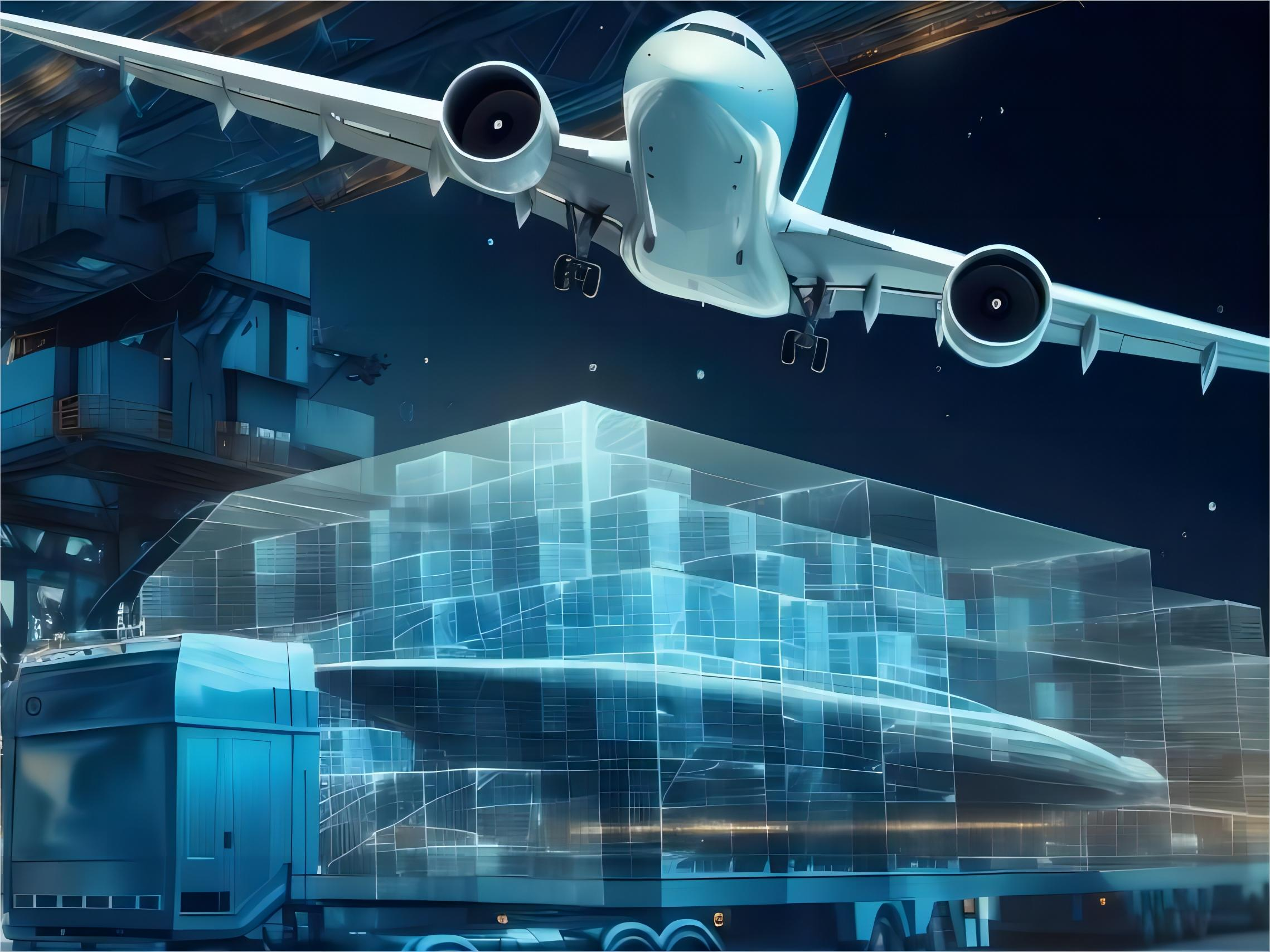
Consequently, many importers choose a door to door service to simplify the entire process. This comprehensive solution covers everything from the Chinese factory floor to the final Australian delivery point, including all customs formalities.
Realistic Case Studies for 2026
Case Study 1: Electronics Distribution Route: Shenzhen, China to Melbourne, Australia Cargo: Consumer Electronics, 28 CBM, 4,500 kg Container: 40HQ Shipping Details: – Carrier: COSCO – Port of Loading: Shenzhen – Port of Discharge: Melbourne – Route Type: Direct Cost Breakdown: – Ocean Freight: $1,650 – Origin Charges: $320 – Destination Charges: $450 – Customs & Duties: $2,100 – Total Landed Cost: $4,520 Timeline: – Booking to Loading: 3 days – Sea Transit: 14 days – Customs Clearance: 2 days – Total Door-to-Door: 19 days Key Insight: Early booking during Q1 2026 secured a rate 10% below the market average.
Case Study 2: Fashion Retail LCL Route: Shanghai, China to Sydney, Australia Cargo: Apparel, 5 CBM, 850 kg Container: LCL Shipping Details: – Carrier: Major LCL Consolidator – Port of Loading: Shanghai – Port of Discharge: Sydney – Route Type: Direct Cost Breakdown: – Ocean Freight: $450 – Origin Charges: $150 – Destination Charges: $280 – Customs & Duties: $1,200 – Total Landed Cost: $2,080 Timeline: – Booking to Loading: 5 days – Sea Transit: 18 days – Customs Clearance: 3 days – Total Door-to-Door: 26 days Key Insight: Using LCL allowed the client to maintain lean inventory without paying for a full container.
Case Study 3: Urgent Industrial Parts Route: Guangzhou, China to Brisbane, Australia Cargo: Spare Parts, 1.2 CBM, 320 kg Container: Air Freight Shipping Details: – Carrier: Air China Cargo – Port of Loading: Guangzhou (CAN) – Port of Discharge: Brisbane (BNE) – Route Type: Direct Cost Breakdown: – Air Freight: $1,920 – Origin Charges: $120 – Destination Charges: $180 – Customs & Duties: $850 – Total Landed Cost: $3,070 Timeline: – Booking to Loading: 1 day – Air Transit: 1 day – Customs Clearance: 1 day – Total Door-to-Door: 4 days Key Insight: Air freight was chosen to prevent a factory shutdown in Queensland, justifying the higher cost.
Final Thoughts on Shipping from China to Australia
Successfully importing goods requires a deep understanding of logistics, costs, and regulations. By choosing a qualified freight forwarder China to Australia, you ensure that your business remains competitive and your customers stay satisfied.
Remember to factor in seasonal price changes and always verify your customs documentation before the ship leaves the port. Whether you choose sea or air, the right partner makes all the difference in your global trade success.
In conclusion, the 2026 market offers many opportunities for efficient shipping if you plan ahead and utilize the right freight methods. We look forward to helping you navigate the waters of international logistics.