


Enterprise Logistics Solution for Recurring Container Imports: 2026 Procurement Guide
Key Procurement Takeaways
- A standard 40HQ container provides an optimal usable load of approximately 65-70 CBM for palletized enterprise cargo.
- The 20GP container is limited to a 26-28 CBM capacity; exceeding this threshold often results in hazardous weight distribution issues.
- Air freight chargeable weight is calculated as the greater of actual weight or volumetric weight, defined as CBM multiplied by 167.
- Effective recurring import strategies require a 7-10 day booking lead time to secure space during peak seasonal windows.
- Customs entry filings must be submitted at least 48 hours prior to vessel berthing to avoid port storage and demurrage fees.
What Is the Best Mode Mix for This Trade Lane?
The optimal mode mix is balanced by aligning your inventory turn rate with the specific transit capabilities of ocean and air corridors. For enterprise-scale recurring imports, a hybrid strategy often utilizes FCL for base-load stock and air for buffer replenishment.
Selecting the right mode requires analyzing the trade-off between inventory carrying costs and freight spend. By utilizing sea freight for the bulk of your recurring volume, you can achieve significant economies of scale during stable market conditions.
Furthermore, integrating air freight for urgent shortfalls allows for agility without compromising the overall supply chain budget. This tiered approach provides the stability necessary for long-term production planning.
| Service Mode | Cost Level | Transit | Best Suited For |
|---|---|---|---|
| Direct FCL | Low | 25-35 Days | Bulk / >15 CBM |
| LCL | Moderate | 30-40 Days | <10 CBM |
| Air | High | 3-7 Days | Urgent / High-Value |
Which Origin Gateways Best Serve This Corridor?
The most efficient origin gateways for recurring container imports are major Tier-1 ports such as Shanghai, Ningbo, and Shenzhen, which offer the highest frequency of direct sailings. These hubs provide the infrastructure required for high-volume consolidation and rapid container drayage.
Choosing the gateway closest to your manufacturing cluster minimizes inland transit times and reduces the risk of drayage delays. Moreover, these ports are equipped with advanced automated terminals that expedite the loading process for recurring shipments.
It is essential to coordinate with your logistics partner to ensure that your factory location is mapped to the most efficient port of exit. This alignment drastically reduces the dwell time at the point of origin.
How Do You Avoid Mode-Specific Pitfalls for This Cargo?
Avoiding mode-specific pitfalls requires rigorous adherence to packing standards and early documentation submission. For sea freight, this means ensuring weight distribution within the container is balanced to prevent port-side inspection delays.
When managing door to door shipments, the primary risk involves miscommunication between the supplier and the carrier regarding cargo readiness. Establishing a clear communication protocol ensures that the drayage team arrives exactly when the container is stuffed and ready for transport.
Additionally, verify that all packaging materials meet destination biosecurity standards to avoid costly fumigation holds at the port of arrival.
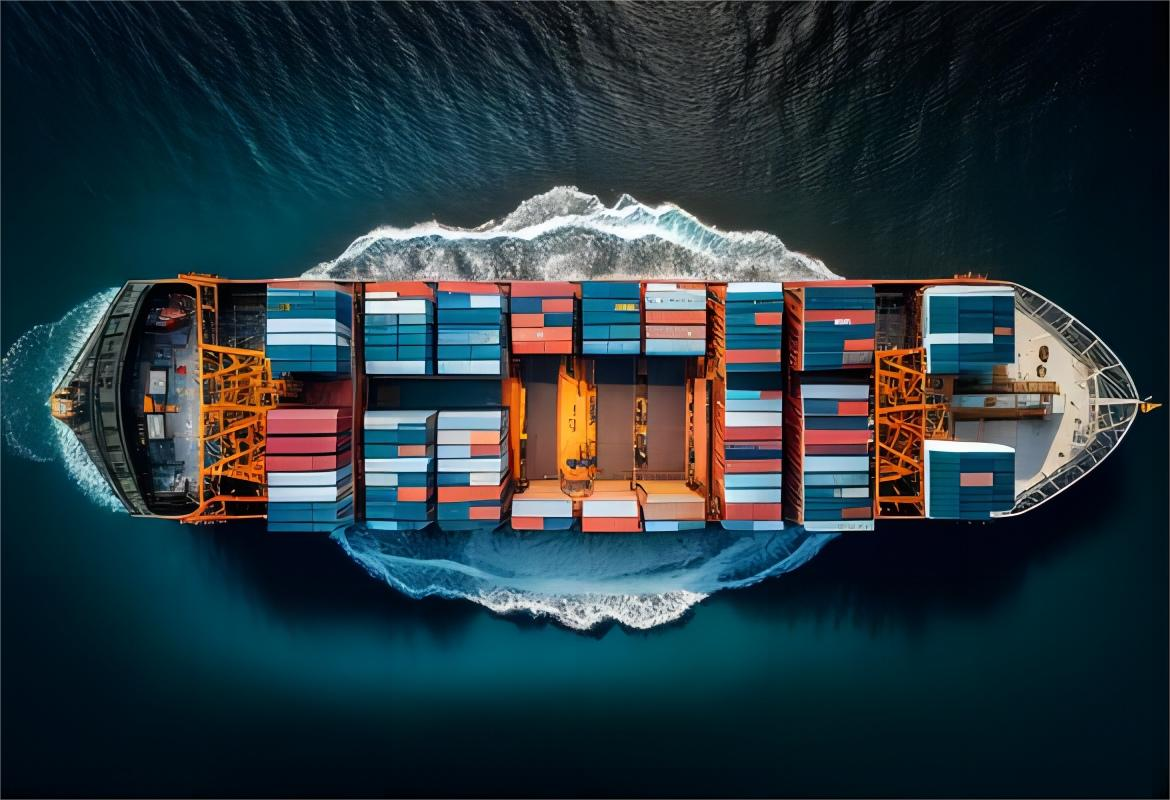
What Is the Door-to-Door Transit and Dwell Breakdown?
Total door-to-door transit is a function of mainhaul duration combined with the variable dwell time associated with customs clearance and local drayage. For a standard recurring FCL shipment, the total lead time typically fluctuates between 30 and 45 days.
During peak seasons, dwell times at major terminals can increase by 50% due to port congestion. Consequently, proactive buffer management is vital for maintaining consistent inventory levels.
By utilizing customs brokerage services, you can expedite the clearance process through pre-filing entries, thereby reducing the time the container spends in the terminal.
| Route Leg | Mainhaul Transit | Customs & Dwell | Total Lead Time |
|---|---|---|---|
| Standard Window | 28 Days | 5 Days | 33 Days |
| Peak Season Window | 35 Days | 10 Days | 45 Days |
How Much Does Shipping on This Corridor Cost in 2026?
The cost of shipping on this corridor in 2026 is driven by base ocean freight rates, fuel surcharges, and destination-specific handling fees for high-volume recurring imports. FCL rates remain the most stable, whereas LCL and air rates are highly sensitive to market demand and space availability.
It is important to note that the base rate often excludes destination terminal handling, local delivery, and potential peak season surcharges. Understanding this fee structure is crucial for accurate financial forecasting.
By partnering with a firm that provides transparent, itemized quotes, you can better manage your landed cost expectations. This transparency is the cornerstone of a successful enterprise logistics strategy.
| Mode / Equipment | Indicative Band | Key Surcharge Drivers | Best For |
|---|---|---|---|
| FCL 40HQ | $3,000-$6,000 | GRI / Bunker | >15 CBM |
| LCL | $150-$300 / CBM | CFS Fees | <12 CBM |
| Air | $4-$8 / kg | Chargeable Weight | Urgent |
What Makes Up Landed Cost Beyond the Mainhaul Rate?
Landed cost is composed of the mainhaul freight rate plus customs duties, terminal handling charges, drayage, and potential warehousing fees. For recurring imports, these secondary costs often represent 20% to 30% of the total expense.
Analyzing these components allows for smarter procurement decisions. For example, consolidating shipments can reduce the per-unit cost of terminal handling fees significantly.
Furthermore, utilizing rail freight as an alternative for specific inland points can occasionally offer a more cost-effective middle ground between sea and air.
What Documents and Filings Are Mandatory on This Lane?
Mandatory documentation for this corridor includes the Commercial Invoice, Packing List, and the Bill of Lading, all of which must be accurate to avoid customs holds. These documents form the legal basis for your import declaration.
Timely submission of security filings is critical for avoiding entry rejection. Ensure that your broker has all necessary data at least 48 hours prior to the vessel’s departure from the origin port.
Maintaining a digital repository of these documents simplifies the audit process and accelerates future shipments. Precision in documentation is the hallmark of a mature enterprise import program.
| Document | Purpose | Timing | Owner |
|---|---|---|---|
| Entry Filing | Security/Entry | 48h Pre-Arrival | Broker |
| Commercial Invoice | Valuation | Pre-Departure | Shipper |
| Packing List | CBM/Weight | Pre-Departure | Shipper |
| Bill of Lading | Title | Post-Departure | Carrier |
How Do Peak Seasons and Capacity Disruptions Affect Bookings?
Peak seasons, such as the period preceding major holidays, significantly tighten capacity and drive up freight rates. During these times, securing space requires booking 3-4 weeks in advance to avoid being rolled to subsequent sailings.
Capacity disruptions can also be caused by unexpected port strikes or severe weather events. Developing a robust contingency plan with your logistics partner is essential for maintaining supply chain continuity.
By diversifying your carrier mix, you can mitigate the impact of individual carrier service failures during high-demand periods.
Decision Framework
If monthly volume exceeds 60 CBM, prioritize FCL contracts; if volume fluctuates between 5-25 CBM, leverage our LCL consolidation services.
If total door-to-door lead time requirements are under 10 days, utilize air; if a 30-45 day window is acceptable, ocean FCL remains the most cost-effective solution.
High-density industrial goods should move via FCL to maximize weight-to-cost efficiency, while high-value or time-sensitive components utilize our express air lanes.
Strategic Summary for 2026 Procurement
Successfully managing an enterprise logistics solution for recurring container imports requires a data-driven approach to mode selection and rigorous adherence to documentation standards. By optimizing container utilization and maintaining a transparent relationship with your logistics provider, you can significantly reduce landed costs and improve transit reliability.
As we navigate the complexities of 2026, proactive planning and the use of professional freight services will remain the primary drivers of supply chain efficiency. We invite you to contact our team to refine your current import strategy and ensure your recurring shipments remain competitive.
Standard Operating Logistics Workflow
Inquiry & Quoting
Submit weight, CBM, HS code, origin, and destination zip for an itemized proposal.
Origin Pickup & Drayage
Coordinate factory readiness and ensure timely container stuffing for port departure.
Export Customs Clearance
File export declarations to ensure compliance with origin regulations.
International Transportation
Execute mainhaul transit while monitoring milestone updates.
Destination Customs Clearance
Perform entry filing, pay duties, and secure cargo release.
Final Delivery
Manage last-mile drayage from the port to your facility.
Ready to optimize your recurring imports? Provide your shipment details (gross weight, CBM, packing, HS code, origin, and destination) to our team for a comprehensive, itemized landed cost proposal.
Talk to a specialist →