


Door to Door Shipping China to Australia: The 2026 Logistics Guide
“Managing complex supply chains requires a reliable partner for door to door shipping china to Australia to ensure seamless delivery. Businesses frequently encounter hurdles regarding port congestion and fluctuating freight rates in the current 2026 market landscape. By choosing DSV-Freight, importers can streamline their operations and reduce the stress of international logistics. This comprehensive guide explores the most efficient strategies for moving goods from Chinese manufacturing hubs directly to Australian doorsteps.”
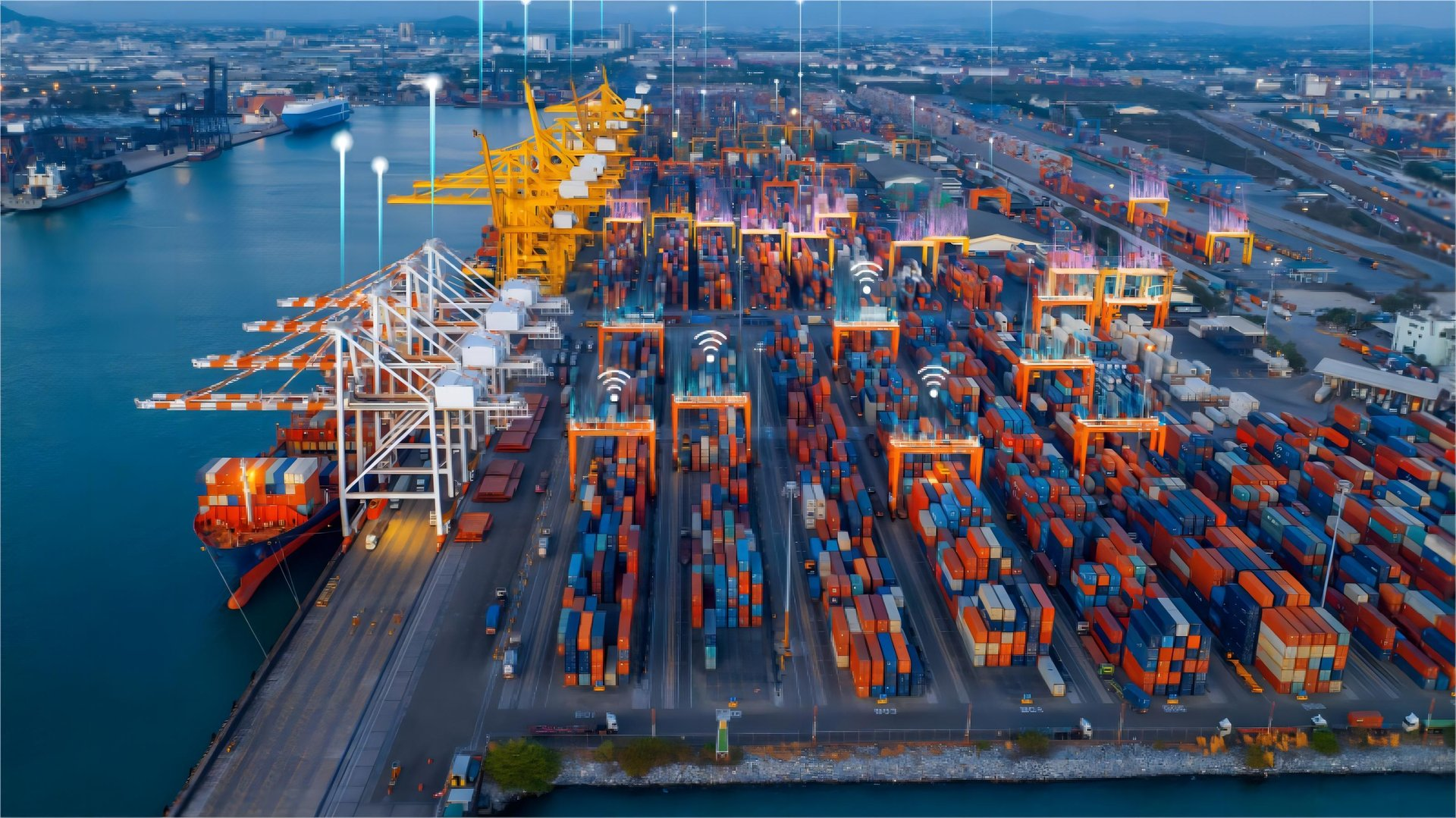
Why Choose Door to Door Shipping China to Australia for Your Business?
❖Opting for a comprehensive service simplifies the entire import process by consolidating various logistics stages into a single point of contact. Furthermore, this method eliminates the need for importers to manage multiple vendors for trucking, warehousing, and international transit. Consequently, businesses can focus on their core operations while experts handle the complexities of cargo movement.
Reliability remains a primary advantage when utilizing professional door to door shipping solutions. Indeed, providers manage every detail from the factory floor in China to the final warehouse in Sydney or Melbourne. Therefore, the risk of communication gaps between different logistics providers is significantly minimized.
Cost transparency is another significant benefit that modern importers appreciate in 2026. Most professional services offer all-inclusive quotes that cover ocean freight, local handling, and final mile delivery. As a result, companies can calculate their landed costs more accurately and maintain better profit margins.
How the Door to Door Process Works in 2026
❖The process begins with an initial consultation where the freight forwarder assesses the specific needs of the shipment. Subsequently, the provider coordinates with the Chinese supplier to arrange for cargo pickup and transport to the nearest port. Meanwhile, all necessary export documentation is prepared to ensure a smooth departure from China.
International transit follows, utilizing either sea freight or air transport depending on the urgency and budget. During this phase, advanced tracking systems allow importers to monitor their goods in real-time across the ocean. Additionally, the forwarder prepares for the arrival by pre-filing customs entries with Australian authorities.
Customs clearance occurs immediately upon arrival at the Australian port of entry. Professional agents handle the payment of duties and taxes while ensuring compliance with biosecurity regulations. Finally, the goods are loaded onto local trucks for the final leg of the journey to the designated delivery address.
Comparing Sea Freight and Air Freight for Australian Imports
❖Choosing between different transport modes requires a careful analysis of transit times and overall budget constraints. For example, air freight offers unmatched speed for high-value or time-sensitive electronics and fashion items. However, the higher cost per kilogram makes it less suitable for bulkier commodities.
Ocean freight remains the most economical choice for large volumes and heavy machinery. Most businesses prefer this method for non-urgent inventory replenishment due to its significant cost savings. Nevertheless, the longer transit times require more advanced planning to avoid stockouts in the Australian market.
Recent market data from early 2026 suggests that sea freight rates have stabilized compared to previous years. In contrast, air cargo capacity continues to fluctuate based on global e-commerce demand. Therefore, selecting the right mode depends heavily on your specific business cycle and cargo characteristics.
| Method | Cost Range | Transit Time | Best For |
|---|---|---|---|
| Air Freight | $4.50 – $8.00 per kg | 3 – 7 Days | Urgent / High Value |
| Sea Freight (LCL) | $120 – $250 per CBM | 18 – 25 Days | Small Shipments |
| Sea Freight (FCL) | $1,200 – $2,200 per 20GP | 14 – 22 Days | Bulk Goods |
| Express Service | $7.00 – $12.00 per kg | 2 – 4 Days | Samples / Documents |
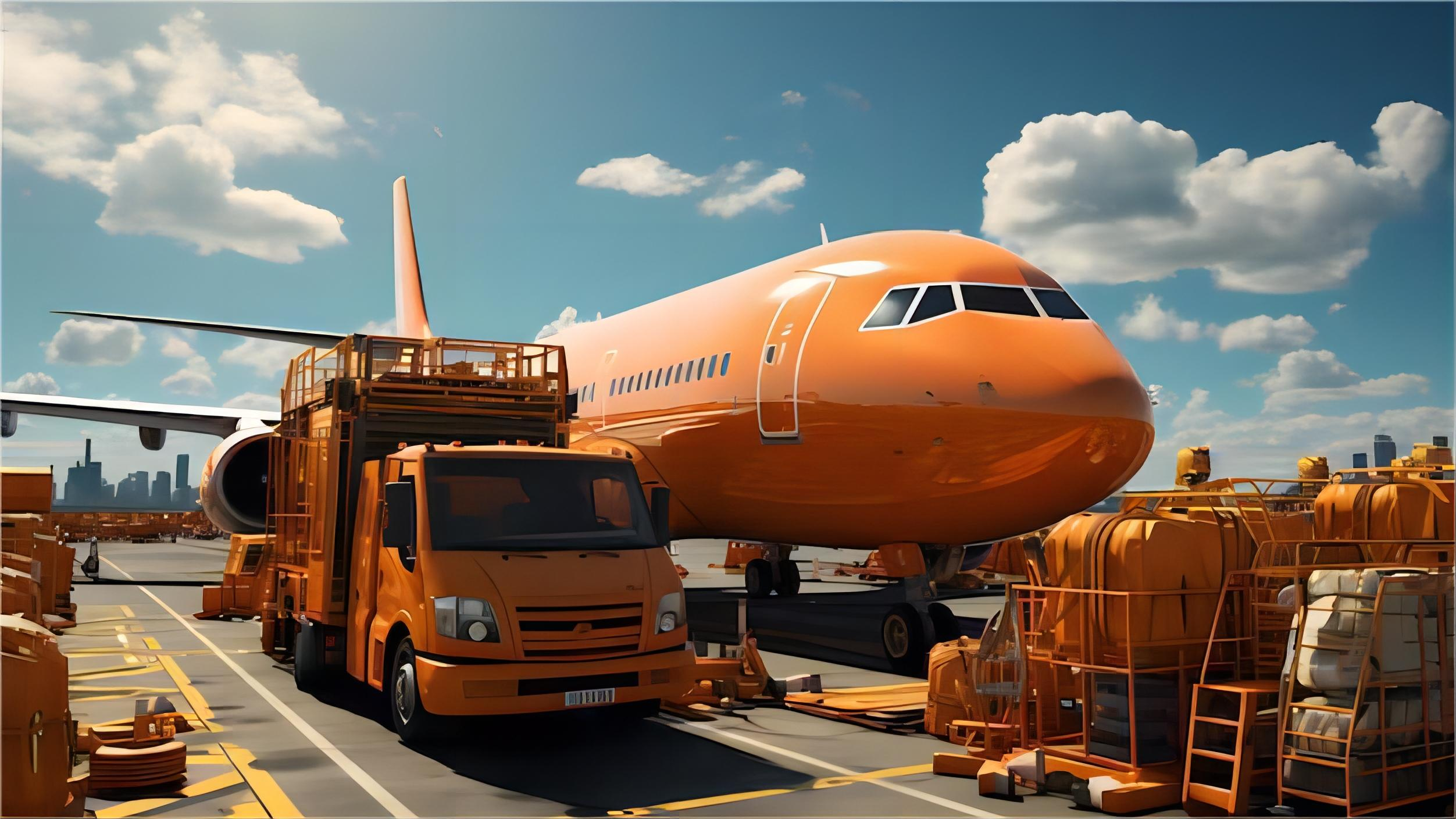
How Does Door to Door Shipping Compare to Other Shipping Options?
❖Analyzing alternative logistics strategies helps businesses identify the most cost-effective approach for their specific needs. While door to door service offers maximum convenience, some experienced importers might consider port to port options to save on local handling fees. However, this often requires having a dedicated team to manage local Australian trucking and customs.
Hybrid solutions like sea-air combinations are becoming more popular in 2026 for those seeking a middle ground. For instance, shipping by sea to a regional hub and then by air to Australia can balance speed and cost. Moreover, utilizing express service is often better for parcels under 100kg compared to traditional freight.
Direct shipping routes from major Chinese ports to Australia typically offer the best value for standard commercial goods. On the other hand, transshipment routes might offer lower rates but add significant time to the delivery schedule. Accordingly, importers must weigh the trade-offs between immediate savings and supply chain reliability.
| Strategy | Convenience | Cost Efficiency | Control Level |
|---|---|---|---|
| Door to Door | Very High | Medium | Low |
| Port to Port | Low | High | Very High |
| Express Couriers | High | Low | Medium |
| Hybrid Sea-Air | Medium | Medium | Medium |
Navigating Australian Customs and Documentation Requirements
❖Ensuring compliance with Australian Border Force regulations is vital for avoiding costly delays and penalties. Specifically, every shipment must be accompanied by an accurate commercial invoice, packing list, and bill of lading. Additionally, many products require specific permits or certificates of origin to qualify for preferential tariff rates under trade agreements.
Professional customs brokerage services play a critical role in managing these complex requirements. Indeed, experts can help classify goods correctly under the Harmonized System to ensure the right amount of GST and duty is paid. Furthermore, they provide guidance on biosecurity risks which are strictly monitored in Australia.
Documentation errors remain the leading cause of shipment holds at the border. Consequently, double-checking all paperwork before the cargo leaves China is a necessary step for every importer. By maintaining thorough records, businesses can demonstrate due diligence and build a positive reputation with customs authorities.
Which Option Should You Choose? Decision Framework
❖Determining the best shipping path involves assessing your budget, timeline, and the physical nature of your goods. If your priority is minimizing expenses and you have a flexible schedule, sea freight FCL is undoubtedly the superior choice. Conversely, if you are launching a new product and need immediate market presence, air freight is the logical path.
Small businesses often find that LCL shipping provides the perfect balance of cost and volume flexibility. Meanwhile, larger enterprises usually benefit from the security and speed of full container loads. Without a doubt, the specific requirements of your cargo handling and delivery schedule should dictate your final logistics decision.
Typical rates as of early 2026 indicate that door to door services are more competitive than ever due to increased automation. Therefore, even small-scale importers can now access professional logistics networks that were once reserved for major corporations. Market data suggests that delegating these tasks leads to a 15% improvement in overall supply chain efficiency.
Real-World Case Studies: China to Australia Logistics
❖Case Study 1: Electronics Distribution in Sydney. A tech retailer needed to move 5 CBM of high-end tablets from Shenzhen to Sydney. They chose air freight for its speed, resulting in a total door to door time of 5 days. The total cost was approximately $6,200, including all duties and final mile delivery.
Case Study 2: Furniture Import in Melbourne. A boutique furniture store imported a 20GP container from Ningbo to Melbourne. By utilizing sea freight, they kept their ocean freight costs around $1,450. The entire door to door process took 22 days, allowing them to stock their showroom for the peak season.
Case Study 3: Fashion Apparel to Brisbane. A clothing brand moved 12 CBM of seasonal wear via LCL from Shanghai. They utilized a door to door service to manage the complex Australian biosecurity inspections for textiles. The shipment arrived in 20 days with a total landed cost that maintained their 60% gross margin.
Cost-Saving Strategies for Importing from China
❖Consolidating shipments from multiple suppliers into a single container is one of the most effective ways to reduce costs. Instead of paying for several small LCL shipments, you can use a local warehouse in China to combine goods into one FCL. Consequently, you save on both international freight and Australian destination charges.
Optimizing your packaging can also lead to significant savings, especially for air freight where volume weight is a factor. Moreover, negotiating Incoterms like FOB instead of EXW can give you more control over the shipping costs and choices. Indeed, being proactive about your logistics strategy is the key to long-term profitability.
Note: Freight rates are subject to change based on fuel costs, carrier capacity, and seasonal demand. Contact us for a current quote tailored to your specific shipment. Industry benchmarks suggest that planning shipments at least 4 weeks in advance can save up to 10% on standard freight rates.
Final Thoughts on Door to Door Logistics
Successfully managing door to door shipping china to Australia requires a blend of strategic planning and expert execution. By understanding the various shipping modes and customs requirements, businesses can build resilient supply chains that withstand market fluctuations. Moreover, partnering with an experienced freight forwarder provides the local knowledge necessary for smooth Australian deliveries.
As we move through 2026, the integration of technology and logistics continues to offer new opportunities for efficiency. Whether you are shipping small parcels or full containers, the door to door model remains the gold standard for convenience and reliability. Start optimizing your import strategy today to ensure your goods arrive safely and on time.
Ready to streamline your logistics?
Ready to streamline your supply chain with reliable door to door shipping china to Australia? Contact our expert team today to receive a customized quote that fits your business needs and budget. Visit our website to start your inquiry and experience hassle-free international logistics.
Request Quote