

DDP Shipping China to Netherlands: 2026 Guide to Costs and Times
“Managing international logistics requires a deep understanding of customs regulations and tax obligations to avoid unexpected delays. By partnering with AI Logistics China at https://ailogisticschina.com/, businesses can streamline their supply chain and ensure products arrive safely at their destination. Choosing DDP shipping China to Netherlands is the most efficient way for importers to handle the complexities of global trade without the stress of managing VAT and duties themselves.”
What is DDP Shipping China to Netherlands?
❖Delivered Duty Paid (DDP) is a shipping agreement where the seller assumes all responsibility, risk, and costs associated with transporting goods. This includes paying for export and import duties, taxes, and other charges incurred during the transit to the Netherlands.
Consequently, the buyer only needs to receive the goods at their specified location without worrying about customs hurdles. This method is particularly popular for e-commerce sellers and small businesses that lack the resources to handle complex customs brokerage.
Furthermore, DDP shipping China to Netherlands provides a transparent pricing model where the landed cost is determined upfront. This predictability helps businesses manage their profit margins more effectively in the competitive 2026 market.
Why Choose DDP Shipping China to Netherlands for Your Business?
❖Simplifying the import process is the primary reason many companies opt for DDP terms. Instead of dealing with Dutch customs authorities or calculating fluctuating VAT rates, the freight forwarder manages every step of the journey.
Moreover, this service minimizes the risk of cargo being held at the port due to documentation errors. Since the forwarder is responsible for the entire process, they ensure all paperwork is perfectly aligned with current European Union regulations.
Additionally, DDP shipping China to Netherlands offers a door-to-door experience that saves significant time. You can focus on marketing and sales while your logistics provider handles the heavy lifting of international transport.
How Does DDP Shipping Compare to Other Shipping Options?
❖Comparing DDP to other Incoterms like FOB or CIF is essential for understanding your financial exposure. While FOB might seem cheaper initially, it requires you to manage the shipping and customs clearance once the goods leave the Chinese port.
In contrast, DDP covers everything, meaning there are no hidden fees upon arrival in Rotterdam or Amsterdam. This all-inclusive nature makes it the preferred choice for those who value convenience over granular control of each shipping leg.
Below is a detailed comparison of the primary shipping methods available for this route in 2026.
| Shipping Method | Cost Range | Transit Time | Best For |
|---|---|---|---|
| Sea Freight (FCL) | $3,000 – $4,200 | 28-35 Days | Bulk inventory |
| Air Freight | $5 – $12 per kg | 3-7 Days | High-value goods |
| Rail Freight | $2,200 – $3,500 | 18-24 Days | Balance of cost/speed |
| Express Shipping | $8 – $15 per kg | 2-5 Days | Small samples |
What are the Costs of DDP Shipping China to Netherlands in 2026?
❖Freight rates in early 2026 have stabilized following previous disruptions in global shipping lanes. For sea freight, a 40HQ container currently ranges between $3,500 and $4,500, depending on the departure port and seasonal demand.
Air freight remains a more expensive alternative, typically costing between $5 and $10 per kilogram for shipments exceeding 100kg. However, these prices include the DDP premium, which covers the import VAT and duties specifically for the Dutch market.
Rail freight offers a competitive middle ground, with rates for a full container averaging around $3,200. It is important to note that these costs can fluctuate based on fuel surcharges and carrier capacity during peak seasons.
Note: Freight rates are subject to change based on fuel costs, carrier capacity, and seasonal demand. Contact us for a current quote tailored to your specific shipment.
How Long Does DDP Shipping China to Netherlands Take?
❖Transit times vary significantly based on the mode of transport you select for your cargo. Sea freight is the slowest option, taking approximately 30 to 40 days to reach the Port of Rotterdam from major Chinese hubs like Ningbo or Shenzhen.
Rail freight has become a highly reliable alternative, offering a transit time of 18 to 22 days via the New Silk Road. This method is ideal for businesses that need faster replenishment than sea freight but cannot afford the high costs of air transport.
Air freight is the fastest solution, typically delivering goods within 5 to 7 days, including customs clearance. For extremely urgent shipments, express services can reduce this time to just 3 days, albeit at a much higher price point.
| Origin City | Mode | Destination | Est. Total Days |
|---|---|---|---|
| Shanghai | Sea Freight | Rotterdam | 32-35 Days |
| Shenzhen | Air Freight | Amsterdam | 5-6 Days |
| Xi’an | Rail Freight | Tilburg | 20-22 Days |
| Guangzhou | Express | Eindhoven | 3-4 Days |
Which Transport Mode is Best for DDP Shipping China to Netherlands?
❖Selecting the right transport mode depends on your budget, cargo volume, and urgency. Each method offers unique advantages that cater to different business needs and supply chain strategies.
For large volumes of non-perishable goods, sea freight remains the most economical choice. It allows for massive economies of scale, especially when shipping full container loads (FCL) of consumer products.
If you are dealing with time-sensitive electronics or fashion items, air freight provides the speed necessary to meet market demands. While the cost per kilogram is higher, the reduced transit time can significantly improve your cash flow.
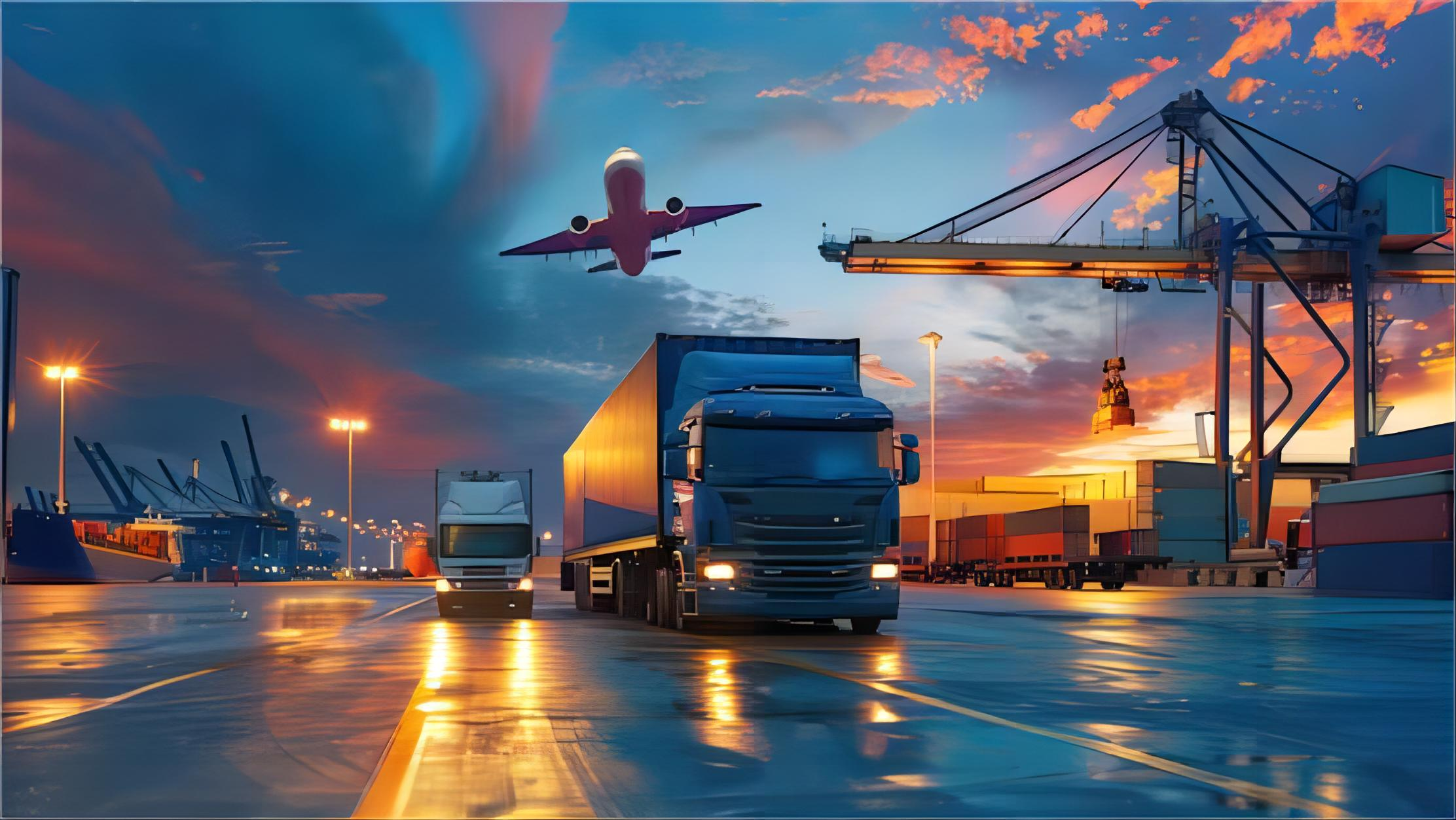
Businesses looking for a sustainable and cost-effective alternative should consider rail freight as a primary option. It provides a consistent schedule and is less affected by the weather conditions that sometimes delay sea vessels.
For smaller parcels or urgent documents, utilizing an express service ensures your items receive priority handling. This is often the best route for prototype testing or emergency inventory replacements.
Ultimately, most successful importers prefer a door to door solution that integrates these modes into a seamless delivery experience. This holistic approach ensures that the transition between sea, rail, or air and local trucking is handled by a single provider.
What Documents are Required for DDP Shipping China to Netherlands?
❖Even though the forwarder handles the customs process, you must still provide accurate documentation to avoid legal issues. The commercial invoice is the most critical document, as it lists the value and description of the goods for tax purposes.
A detailed packing list is also required to verify the contents of each container or box during inspection. This document must match the commercial invoice exactly to prevent delays at the Dutch border.
Additionally, the Bill of Lading or Air Waybill serves as the contract of carriage and proof of ownership. Ensuring these documents are correctly filled out is the first step toward a successful DDP shipment.
| Document Name | Primary Purpose | Required? | Source |
|---|---|---|---|
| Commercial Invoice | Valuation and tax | Yes | Shipper |
| Packing List | Content verification | Yes | Shipper |
| Bill of Lading | Title of goods | Yes | Carrier |
| Certificate of Origin | Trade compliance | Often | Manufacturer |
Which Option Should You Choose?
❖Deciding between sea, air, and rail requires a clear understanding of your business priorities. If your primary goal is to minimize costs and you have a long lead time, sea freight is the undisputed winner.
However, if you are launching a new product and need to respond quickly to customer feedback, air freight is worth the investment. It allows you to maintain lower inventory levels while staying agile in the marketplace.
For those who want a reliable schedule that avoids the volatility of ocean freight, rail freight offers a fantastic compromise. It is particularly effective for heavy machinery or industrial components that are too heavy for air travel but too urgent for the sea.
Real-World Case Studies for DDP Shipping China to Netherlands
❖Case Study 1: Electronics Distribution. Route: Shenzhen to Rotterdam. Cargo: Consumer Electronics, 12 CBM, 2500 kg. Method: Sea Freight LCL. Total Cost: $2,950. Total Transit: 34 Days. Key Insight: Consolidating cargo allowed the client to save 40% compared to air freight while still meeting their quarterly inventory targets.
Case Study 2: Rapid Fashion Restock. Route: Shanghai to Amsterdam. Cargo: High-end Apparel, 450 kg. Method: Air Freight. Total Cost: $3,800. Total Transit: 6 Days. Key Insight: Using DDP air freight enabled the brand to capitalize on a viral trend within a week of production finishing in China.
Case Study 3: Industrial Equipment. Route: Xi’an to Tilburg. Cargo: Manufacturing Parts, 40HQ Container. Method: Rail Freight. Total Cost: $4,100. Total Transit: 21 Days. Key Insight: Rail provided a stable environment for sensitive machinery while arriving 12 days faster than the sea route during a period of port congestion.
Final Thoughts on DDP Shipping from China
Navigating the complexities of international trade is much simpler when you utilize DDP shipping China to Netherlands. This method provides the financial certainty and logistical ease that modern businesses require to thrive in a global economy.
By understanding the differences between sea, air, and rail freight, you can make informed decisions that balance cost and speed. Partnering with a reliable freight forwarder ensures that your cargo is handled with care and that all customs obligations are met without your direct intervention.
In summary, DDP shipping China to Netherlands remains the gold standard for hassle-free importing, allowing you to focus on growing your business while the experts manage the delivery.
Ready to streamline your logistics?
Ready to simplify your imports with DDP shipping China to Netherlands? Contact our expert logistics team today to receive a customized quote and discover how we can optimize your supply chain for 2026. Visit our inquiry page to get started with a professional freight consultation tailored to your business needs.
Request Quote