

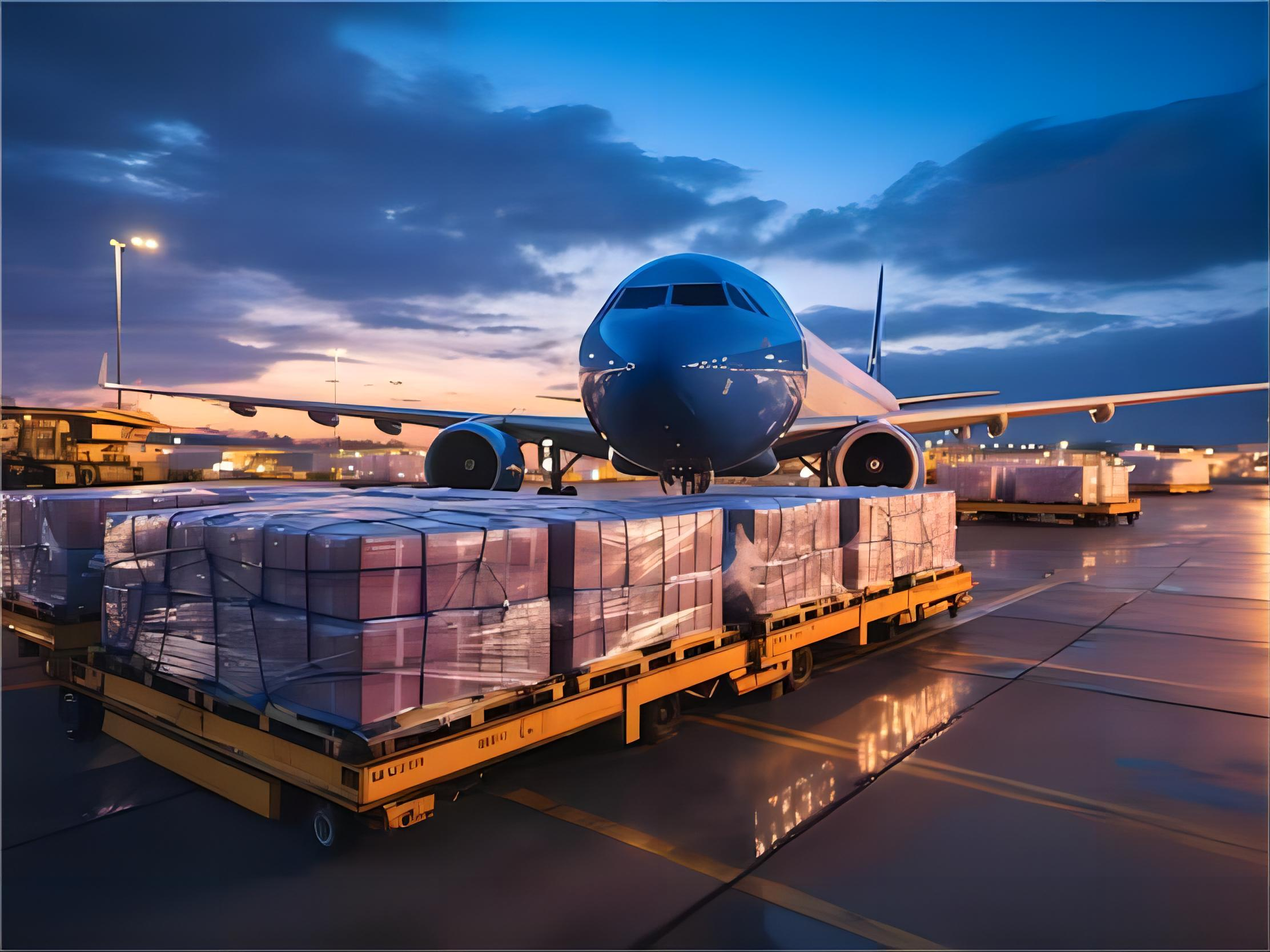
DDP Shipping China to Brazil: The Ultimate 2026 Logistics Guide
Navigating the complexities of international trade requires a robust strategy to ensure cargo arrives safely and on time. When businesses utilize ddp shipping china to Brazil, they benefit from a comprehensive logistics solution that handles all duties and taxes upfront. This streamlined method eliminates the common headaches associated with Brazilian customs and provides importers with a predictable, all-inclusive pricing model for their supply chain operations.
✦
What is DDP Shipping China to Brazil and Why Does It Matter?
Delivered Duty Paid (DDP) represents a shipping agreement where the seller assumes all responsibilities for transporting goods to the destination. Consequently, the seller manages all costs, including export duties, transit insurance, and import taxes at the Brazilian border.
Choosing this method is particularly advantageous for the Brazilian market due to its notoriously complex tax system. Furthermore, it allows the buyer to focus on sales and distribution rather than navigating the intricacies of the Receita Federal.
Importers often find that DDP provides the most transparent cost structure available in modern logistics. Therefore, businesses can calculate their profit margins with high accuracy before the shipment even leaves the Chinese port.
How Does DDP Shipping Compare to Other Shipping Options?
Understanding the differences between DDP and other Incoterms like FOB or CIF is crucial for financial planning. While FOB requires the buyer to handle everything once the goods are on the ship, DDP covers the entire journey to the warehouse door.
Moreover, the comparison between sea and air freight under DDP terms reveals significant variations in both speed and investment. As of early 2026, freight rates have stabilized, making it easier to compare these alternatives objectively.
Selecting the right method depends heavily on your specific cargo volume and urgency. For instance, small high-value electronics typically favor air routes, whereas bulk raw materials are better suited for ocean transport.
| Shipping Method | Cost Range | Transit Time | Best For | Limitations |
|---|---|---|---|---|
| DDP Sea Freight | $3,000 – $5,500 per 40HQ | 35 – 50 Days | Large volumes, bulky goods | Longer lead times |
| DDP Air Freight | $8 – $15 per kg | 7 – 12 Days | Urgent, high-value items | Weight and size limits |
| DDP Express | $12 – $20 per kg | 5 – 8 Days | Samples, small parcels | Highest cost per unit |
| LCL Sea Freight | $150 – $300 per CBM | 40 – 55 Days | Small business inventory | Higher risk of handling |
The Strategic Benefits of DDP for the Brazilian Market
Brazil remains one of the most challenging environments for customs clearance due to strict documentation requirements. However, DDP shipping China to Brazil mitigates these risks by placing the burden of compliance on experienced logistics providers.
Additionally, this method helps avoid the common issue of ‘abandoned cargo’ at Brazilian ports, which often occurs when buyers are surprised by high import taxes. By prepaying these costs, you ensure a smoother transition through the Port of Santos or Paranagua.
Indeed, the predictability of DDP allows for better inventory management and customer satisfaction. When you know exactly when and at what cost your goods will arrive, you can maintain a competitive edge in the local market.
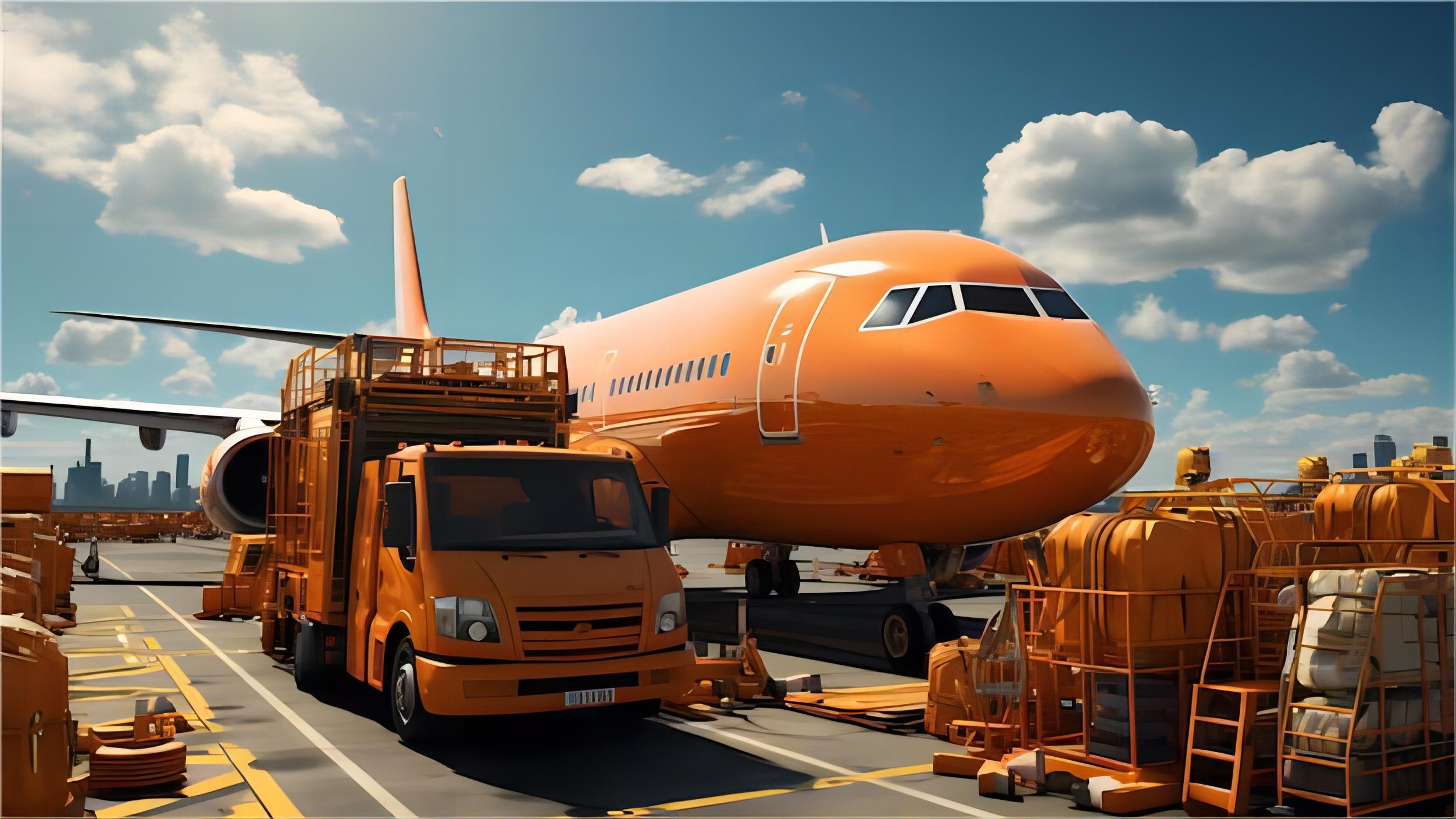
Navigating Customs and Tax Regulations in Brazil
Importing into Brazil involves several layers of taxation, including II, IPI, PIS, COFINS, and ICMS. Consequently, managing these payments individually can lead to significant administrative delays and potential fines.
Professional customs brokerage services are essential for ensuring that all HS codes are correctly classified. Incorrect classification is a leading cause of shipment seizures in Brazil, making expert oversight vital.
Specifically, the 2026 logistics landscape requires digital compliance with the latest Brazilian customs portals. Most DDP providers now integrate these digital requirements into their standard service packages to speed up the release of goods.
Choosing Between Sea Freight and Air Freight for DDP
Ocean transport remains the backbone of trade between China and South America. If you are moving large quantities of goods, sea freight offers the most economical solution despite the longer transit times.
In contrast, air freight is the preferred choice for companies needing to replenish stock quickly or launch new products. Although the cost is higher, the reduction in lead time can often justify the additional expense for high-margin products.
Meanwhile, hybrid solutions like sea-air combinations are gaining popularity in 2026. These strategies involve shipping by sea to a hub and then flying the goods to Brazil, balancing cost and speed effectively.
Which Option Should You Choose? Decision Framework
Determining the best shipping strategy requires a clear analysis of your business priorities and cargo specifications. If your primary goal is budget optimization, sea freight is almost always the superior choice for shipments over 2 CBM.
Nevertheless, if you are handling perishable goods or seasonal fashion, the speed of air freight becomes a necessity. You should also consider the ‘landed cost’ rather than just the shipping rate when making your final decision.
Volume thresholds play a critical role in this framework. For example, once a shipment exceeds 15 CBM, moving from LCL to a full 20GP container usually results in better security and lower per-unit costs.
| Priority | Recommended Option | Key Reason | Volume Threshold |
|---|---|---|---|
| Lowest Cost | DDP Sea Freight (FCL) | Economy of scale | Over 15 CBM |
| Maximum Speed | DDP Air Freight | Rapid transit | Under 500 kg |
| Reliability | DDP Express Service | Guaranteed delivery | Under 100 kg |
| Flexibility | DDP Sea Freight (LCL) | Pay only for space | 1 – 10 CBM |
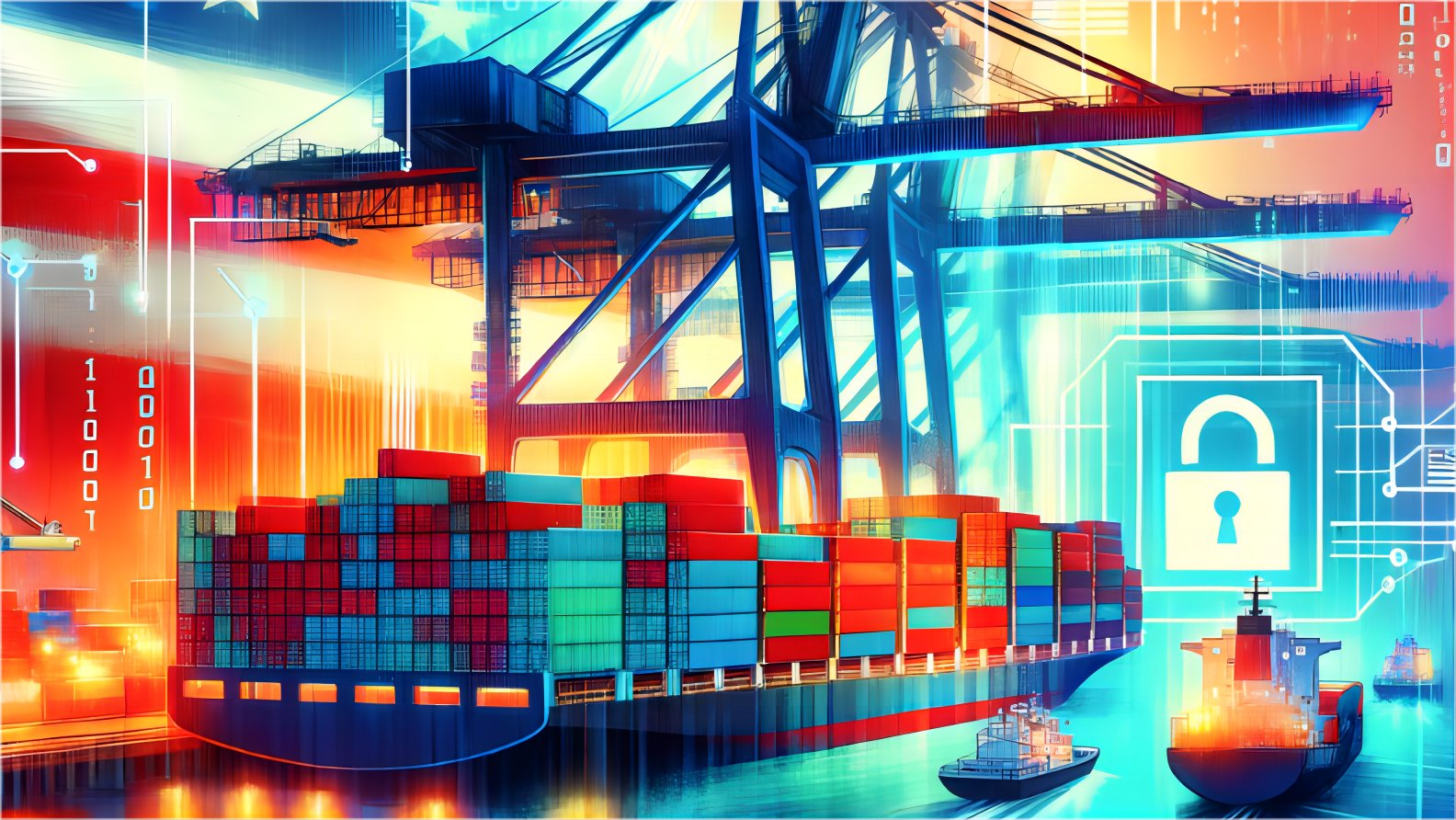
Step-by-Step Process for DDP Shipping from China
Initially, the process begins with a detailed quote that includes all freight, duties, and local delivery charges. Once the terms are agreed upon, the supplier in China prepares the goods for pickup at the factory.
Subsequently, the freight forwarder handles the export clearance in China and arranges the international transit. During this phase, tracking information provides real-time updates on the cargo’s location as it crosses the ocean or air.
Finally, upon arrival in Brazil, the forwarder manages the import declaration and pays all necessary taxes. The goods are then loaded onto a truck for door to door delivery to your specified warehouse or office.
Amazon FBA Brazil: DDP Solutions for E-commerce
E-commerce sellers are increasingly looking at the Brazilian market as a major growth opportunity. Utilizing Amazon FBA services with DDP terms allows international sellers to stock products in local warehouses without having a physical presence in Brazil.
Moreover, this approach ensures that customers receive their orders quickly, which is a key factor in winning the Amazon Buy Box. Most DDP providers now offer specialized labeling and prep services to meet Amazon’s strict requirements.
Accordingly, sellers must ensure their documentation is flawless to avoid delays that could impact their seller rating. Partnering with a logistics expert who understands both Chinese manufacturing and Brazilian e-commerce is the most effective strategy.
Real Case Studies: Successful DDP Shipments to Brazil
Analyzing real-world examples helps importers understand the practical application of DDP shipping China to Brazil. These cases reflect actual market conditions and pricing trends observed in the early part of 2026.
Case Study 1: Electronics Distribution in Sao Paulo. A mid-sized retailer imported 500kg of high-end tablets from Shenzhen. By choosing DDP air freight, they avoided a complex tax dispute and received their goods in just 9 days.
Case Study 2: Industrial Machinery for Minas Gerais. A construction firm ordered heavy equipment from Ningbo via DDP sea freight. Despite a 45-day transit, the fixed pricing protected them from a sudden spike in local port handling fees.
Case Study 1: High-Value Electronics via Air
Case Study 1: Shenzhen to Sao Paulo Electronics Route: Shenzhen, China to Sao Paulo, Brazil Cargo: Tablets and Accessories, 2.5 CBM, 480 kg Service: DDP Air Freight Shipping Details: – Carrier: Major International Airline – Port of Loading: Shenzhen (SZX) – Port of Discharge: Guarulhos (GRU) – Route Type: Direct Cost Breakdown: – Air Freight and DDP Service: $6,200 – Origin Charges: $250 – Destination Duties/Taxes: Included in DDP – Total Landed Cost: $6,450 Timeline: – Booking to Loading: 2 days – Air Transit: 2 days – Customs Clearance: 3 days – Total Door-to-Door: 9 days Key Insight: The all-inclusive DDP rate allowed the client to hit their product launch date without worrying about tax calculations.
Case Study 2: Industrial Components via Sea
Case Study 2: Ningbo to Santos Machinery Route: Ningbo, China to Santos, Brazil Cargo: Industrial Spare Parts, 18 CBM Container: 20GP Full Container Load Shipping Details: – Carrier: COSCO Shipping – Port of Loading: Ningbo – Port of Discharge: Santos – Route Type: Transshipment via Singapore Cost Breakdown: – Ocean Freight (DDP terms): $7,800 – Origin Charges: $400 – Destination Charges: Included – Customs & Duties: Included – Total Landed Cost: $8,200 Timeline: – Booking to Loading: 5 days – Sea Transit: 38 days – Customs Clearance: 5 days – Total Door-to-Door: 52 days Key Insight: Using FCL under DDP terms provided the lowest possible cost per unit for a large machinery shipment while ensuring tax compliance.
Cost-Saving Strategies for Shipping to Brazil in 2026
Reducing your logistics expenses requires a combination of smart planning and timing. One effective strategy is to avoid the peak season between August and October, when rates typically increase by 15-25% due to holiday demand.
Furthermore, consolidating multiple smaller shipments into a single LCL or FCL shipment can significantly lower your per-kilogram costs. Many forwarders offer consolidation services in major Chinese hubs like Shanghai or Shenzhen.
Note: Freight rates are subject to change based on fuel costs, carrier capacity, and seasonal demand. Contact us for a current quote tailored to your specific shipment.
Final Thoughts on DDP Shipping China to Brazil
To summarize, mastering ddp shipping china to Brazil is the most effective way to navigate the complexities of South American logistics in 2026. By choosing a duty-paid solution, you eliminate the uncertainty of import taxes and ensure your goods move through customs without unnecessary delays.
Whether you choose the speed of air freight or the cost-efficiency of sea freight, the DDP model provides the transparency and security needed for modern business. Partnering with an experienced forwarder will allow you to scale your operations in Brazil with confidence and precision.