


Container Shipping From China to Germany: A 2026 Logistics Guide
Navigating the complexities of container shipping from China to Germany requires careful planning and reliable partners. Whether you are a first-time importer or a seasoned supply chain manager, optimizing your logistics strategy is essential for success. For comprehensive support and competitive rates, visit Ai Logistics China to streamline your international operations.
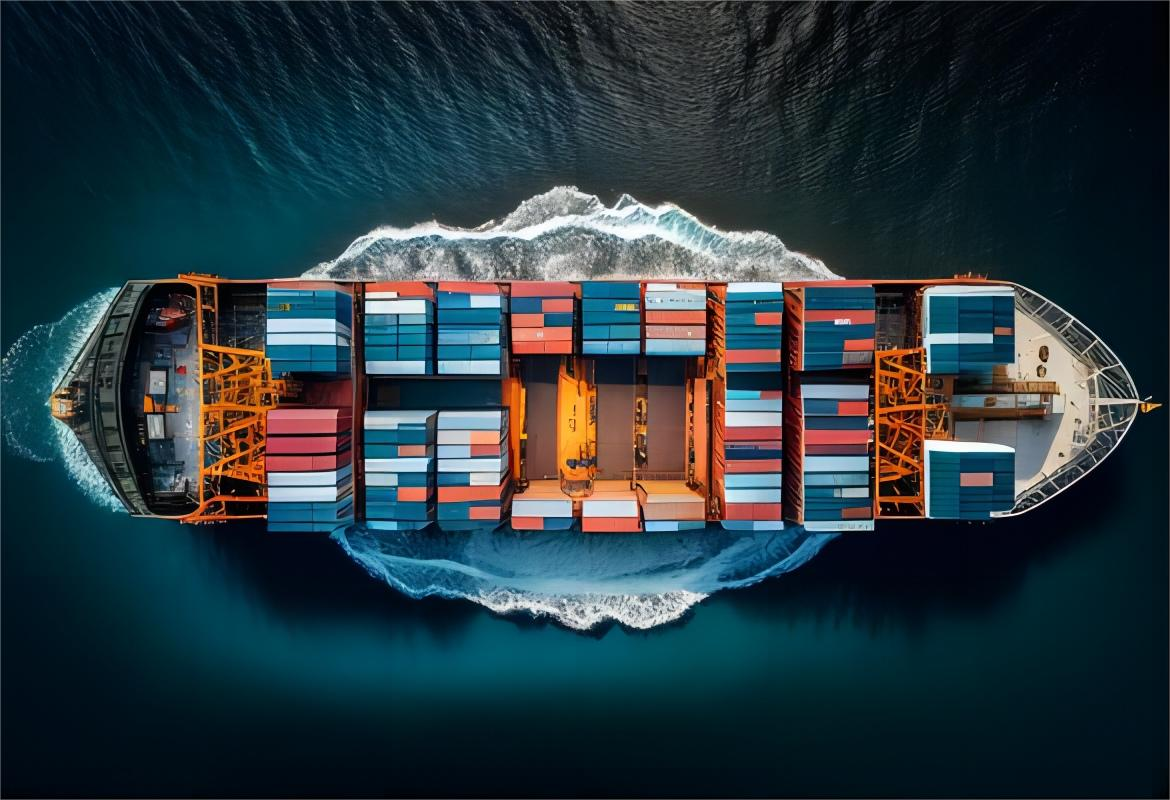
Understanding Container Shipping From China to Germany
Global trade between China and Germany relies heavily on efficient maritime logistics. As of 2026, the route remains a primary artery for automotive parts, machinery, and consumer goods imports. Effectively managing this flow requires a deep understanding of port operations and carrier schedules.
Most businesses opt for full container loads to maximize cost efficiency. However, smaller enterprises often find that utilizing sea freight in the form of consolidated cargo offers the best balance between price and volume. Additionally, choosing the right port of discharge, such as Hamburg or Bremerhaven, significantly impacts your final delivery schedule.
Shipping Methods and Transit Times
Selecting the appropriate transport mode depends on your urgency and budget constraints. While sea freight is the industry standard for bulk goods, other options provide faster alternatives for time-sensitive cargo. For instance, you can explore rail freight as a middle-ground solution that is faster than the sea yet more affordable than air.
Furthermore, businesses requiring rapid delivery for small shipments often benefit from our express service. Understanding these variables allows you to adjust your supply chain dynamically based on current market fluctuations.
| Method | Transit Time | Cost Level | Best For |
|---|---|---|---|
| Sea Freight | 30-40 days | Low | Bulk Goods |
| Rail Freight | 18-22 days | Medium | High-Value Items |
| Air Freight | 5-7 days | High | Urgent Samples |
Key Logistics Services for Importers
Managing customs compliance is a critical step in container shipping from China to Germany. Without proper customs brokerage, your cargo risks significant delays at the border. Consequently, professional guidance ensures that all documentation is processed accurately.
Alternatively, many companies prefer a seamless experience through door to door delivery solutions. This eliminates the need for managing multiple vendors and simplifies your logistics overhead. By delegating the heavy lifting, you can focus on your core business growth.
How Does Sea Freight Compare to Other Shipping Options?
Comparing sea freight against alternatives reveals distinct trade-offs regarding cost and speed. While sea freight provides the most economical rates for large volumes, it lacks the agility of air transport. Conversely, rail freight has emerged as a reliable alternative for manufacturers looking to reduce transit time without the premium cost of air cargo.
Ultimately, your choice should align with your specific inventory turnover requirements. If your goal is to minimize landed costs, sea remains the undisputed leader. Nevertheless, maintaining a hybrid strategy often provides the best protection against supply chain disruptions.
| Comparison | Sea Freight | Air Freight | Rail Freight |
|---|---|---|---|
| Reliability | High | Very High | Medium |
| Cost | Budget | Premium | Moderate |
| Speed | Slow | Fast | Balanced |

Real Case Studies in 2026
Case Study 1: Automotive Parts Export. Route: Shanghai to Hamburg. Cargo: 20 CBM auto components. Method: LCL Sea Freight. Total Cost: $2,400. Transit: 35 days. Insight: Consolidating shipments reduced per-unit costs by 15 percent.
Case Study 2: Electronics Distribution. Route: Shenzhen to Frankfurt. Cargo: 40HQ container of high-end electronics. Method: Rail Freight. Total Cost: $6,200. Transit: 20 days. Insight: Faster rail transit allowed for timely Q4 product launches.
Final Thoughts on Container Shipping From China to Germany
Successfully managing container shipping from China to Germany requires a proactive approach to logistics planning. By leveraging professional services and choosing the right transport mode, you can effectively navigate market complexities and ensure timely delivery. Always remember that staying informed about shipping rates and regulations is the key to a resilient supply chain in 2026.
Freight rates are subject to change based on fuel costs, carrier capacity, and seasonal demand. Contact us for a current quote tailored to your specific shipment.
Need a tailored shipping solution?
Are you ready to optimize your logistics? Contact our expert team today to request a quote for your next shipment from China to Germany. Visit our contact page or send your inquiry now to start saving on your freight costs.