


Container Shipping China to South Korea: 2026 Logistics Guide
Navigating the complexities of container shipping China to South Korea requires a strategic approach to modern logistics. As trade volumes between these Asian giants continue to grow in 2026, businesses must find reliable partners like DSV-Freight to manage their cargo efficiently. This guide explores the best methods to streamline your supply chain and reduce overhead costs through expert planning.

How Does Container Shipping China to South Korea Work in 2026?
Maritime logistics between these two regions remain the backbone of East Asian trade. Specifically, the proximity of major Chinese ports to South Korean hubs allows for exceptionally fast turnaround times compared to other international routes. Consequently, many businesses rely on consistent weekly schedules to maintain their inventory levels.
Selecting the right shipping lane depends heavily on your specific cargo requirements and budget constraints. Furthermore, the 2026 market has seen a surge in digital tracking capabilities that enhance visibility throughout the journey. However, you must still account for potential seasonal delays during peak periods like the Lunar New Year.
Key Logistics Trends in 2026
Smart port technology has significantly reduced the time containers spend in terminal handling. Additionally, green shipping initiatives are now influencing carrier choices as companies seek to reduce their carbon footprint. Therefore, choosing a forwarder with sustainable practices is becoming a competitive advantage in the modern market.
Comparing Shipping Methods: Sea vs. Air vs. Express
While sea freight is the most economical choice for large volumes, other methods provide necessary speed for urgent shipments. For instance, high-value electronics often travel via air to minimize transit risk and insurance costs. Meanwhile, small parcels are best suited for specialized courier services.
Determining the most cost-effective solution requires a thorough analysis of your total landed cost. Moreover, the weight and volume of your goods will dictate whether a container or a pallet is the appropriate unit. Consequently, shippers often use a mix of methods to balance speed and expense across their product lines.
| Shipping Method | Cost Range | Transit Time | Best For |
|---|---|---|---|
| Sea Freight (FCL) | $800 – $1,500 | 3-7 Days | Bulk Shipments |
| Sea Freight (LCL) | $50 – $120/CBM | 5-10 Days | Small Volumes |
| Air Freight | $2.50 – $5.50/kg | 1-2 Days | Urgent Goods |
| Express Service | $6.00 – $10.00/kg | 1 Day | Documents/Samples |
Understanding FCL and LCL Options
Full Container Load (FCL) offers the highest level of security and speed for large shipments. Specifically, you pay for the entire space of a 20ft or 40ft container regardless of how much you fill it. Additionally, door to door services are most efficient when using FCL as it minimizes handling at intermediate hubs.
Less than Container Load (LCL) allows multiple shippers to share space within a single unit. However, this method involves additional consolidation and deconsolidation steps which can increase the total transit time. Therefore, LCL is ideal for businesses moving smaller quantities that do not justify the cost of a full container.
Major Ports for Container Shipping China to South Korea
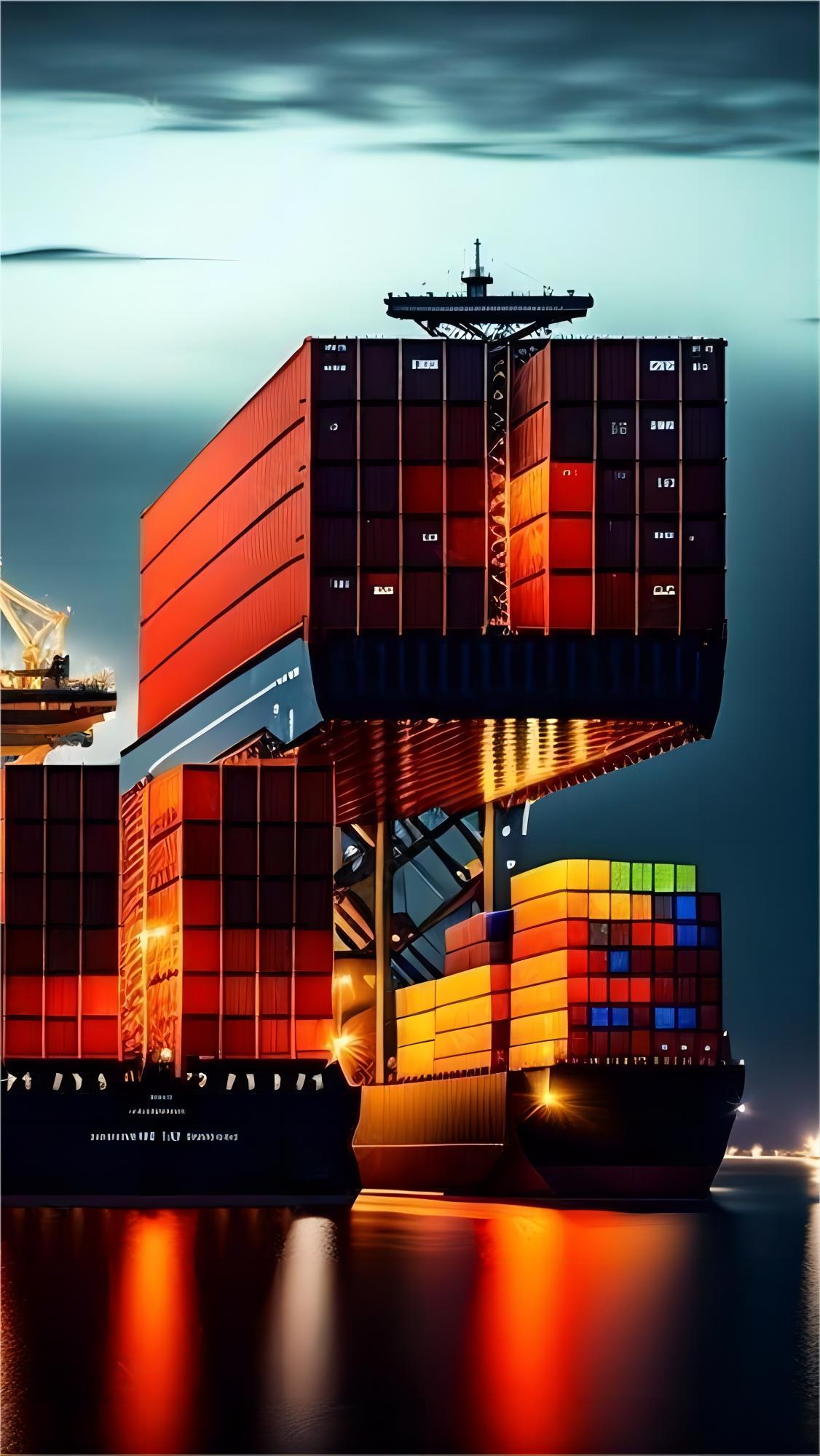
Shanghai and Ningbo serve as the primary gateways for goods departing from Central China. Notably, these ports offer the highest frequency of departures to Busan and Incheon. Consequently, shippers can often find daily vessel options that fit tight production schedules.
Qingdao and Tianjin are essential hubs for cargo originating in Northern China. Furthermore, their proximity to Incheon makes them the fastest maritime routes available. Ultimately, your choice of port should align with your factory location to minimize domestic trucking expenses.
| Origin Port | Destination Port | Method | Est. Transit |
|---|---|---|---|
| Shanghai | Busan | Direct Sea | 2-3 Days |
| Shenzhen | Incheon | Direct Sea | 4-5 Days |
| Qingdao | Incheon | Direct Sea | 1-2 Days |
| Ningbo | Busan | Direct Sea | 3-4 Days |
How Does Sea Freight Compare to Other Shipping Options?
Analyzing the trade-offs between maritime and aerial transport is crucial for budget optimization. Although sea freight offers the lowest cost per unit, it requires longer lead times and higher inventory carrying costs. In contrast, air freight provides rapid delivery but can be ten times more expensive.
Hybrid solutions are also gaining popularity in 2026 for specific logistics challenges. For example, some shippers use sea-air combinations to balance costs when direct flights are unavailable. Nevertheless, for the majority of container shipping China to South Korea needs, direct ocean transport remains the most viable strategy.
| Shipping Method | Cost Range | Transit Time | Limitations |
|---|---|---|---|
| Sea Freight | Low | 3-7 Days | Weather Dependent |
| Air Freight | Very High | 1-2 Days | Weight Limits |
| Express | High | 1 Day | Size Restrictions |
| Rail (N/A) | N/A | N/A | No Land Link |
Customs Clearance and Documentation Requirements
Navigating the regulatory landscape requires precise documentation to avoid costly delays. Specifically, you must provide a commercial invoice, packing list, and bill of lading for every shipment. Moreover, utilizing a professional customs brokerage ensures that all tariff classifications are accurate.
South Korean customs authorities are known for their efficiency but maintain strict compliance standards. Additionally, certain products may require specialized certificates of origin to qualify for preferential tax rates. Consequently, preparing your paperwork well in advance of the vessel arrival is a critical step in the process.
Real-World Case Studies for 2026
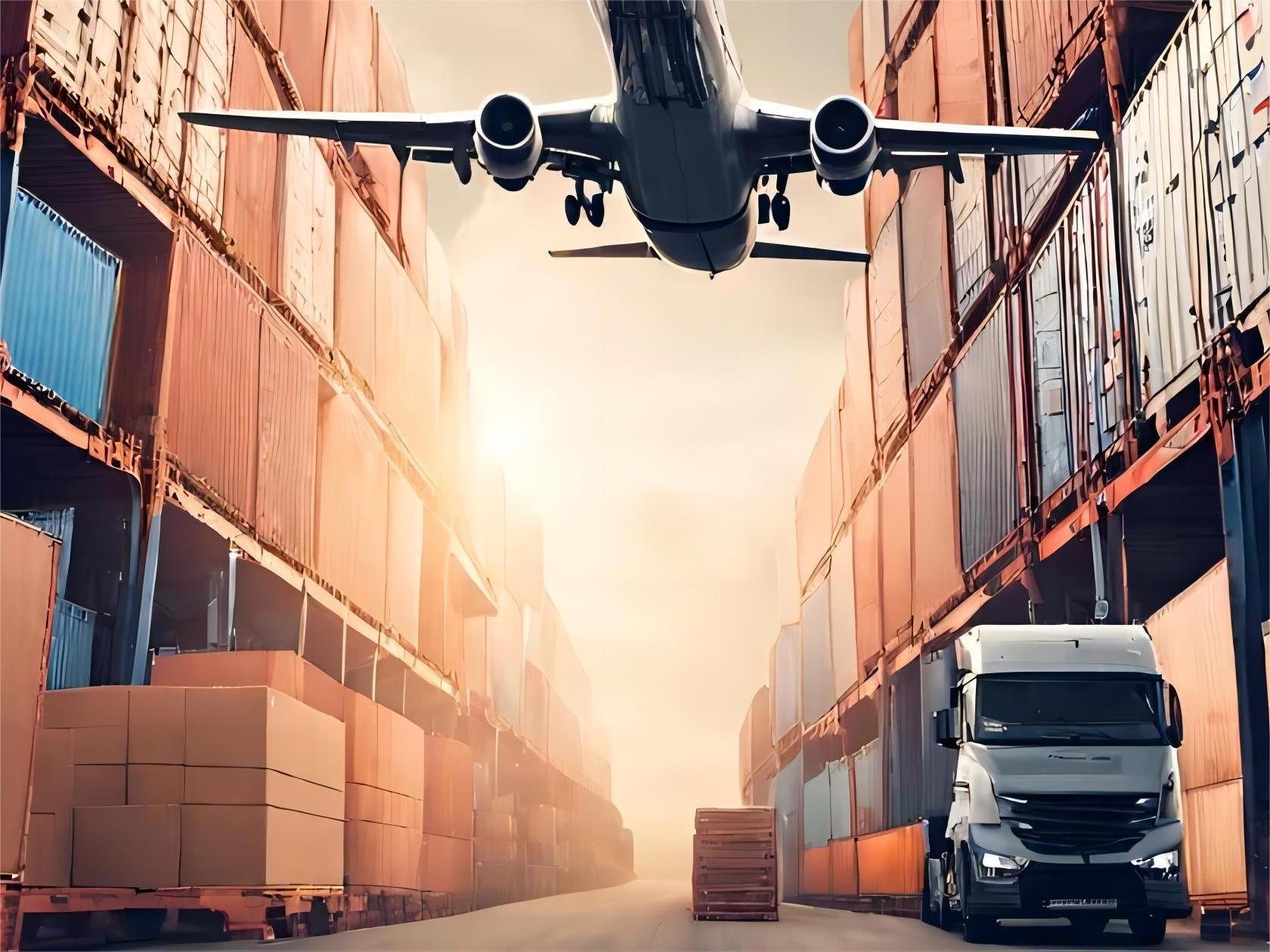
Examining actual shipping scenarios helps illustrate the practical application of these logistics strategies. Below are two examples based on early 2026 market rates and standard operating procedures. These cases highlight the importance of choosing the right container type and route for specific cargo categories.
Case Study 1: Electronics from Shenzhen to Incheon
Route: Shenzhen, China to Incheon, South Korea. Cargo: Consumer Electronics, 12 CBM, 2800 kg. Container: LCL. Shipping Details: Carrier: Major regional line. Port of Loading: Shenzhen. Port of Discharge: Incheon. Route Type: Direct.
Cost Breakdown: Ocean Freight: $750. Origin Charges: $200. Destination Charges: $250. Customs and Duties: $400. Total Landed Cost: $1,600. Timeline: Booking to Loading: 2 days. Sea Transit: 4 days. Customs Clearance: 1 day. Total Door-to-Door: 7 days. Key Insight: Consolidating LCL cargo saved the client 40 percent compared to air freight.
Case Study 2: Furniture from Ningbo to Busan
Route: Ningbo, China to Busan, South Korea. Cargo: Wooden Furniture, 68 CBM, 18000 kg. Container: 40HQ. Shipping Details: Carrier: Major container line. Port of Loading: Ningbo. Port of Discharge: Busan. Route Type: Direct.
Cost Breakdown: Ocean Freight: $1,100. Origin Charges: $300. Destination Charges: $350. Customs and Duties: $600. Total Landed Cost: $2,350. Timeline: Booking to Loading: 3 days. Sea Transit: 3 days. Customs Clearance: 1 day. Total Door-to-Door: 7 days. Key Insight: Using a 40HQ container allowed for maximum volume utilization, lowering the per-unit cost significantly.
Understanding Costs for Container Shipping China to South Korea
Market fluctuations in 2026 continue to be driven by fuel surcharges and seasonal demand spikes. Specifically, rates typically increase by 15 to 20 percent during the pre-holiday rush in late autumn. Furthermore, port congestion at major hubs can occasionally lead to additional storage fees or demurrage charges.
Budgeting for your shipment must include more than just the base ocean freight rate. Additionally, you should account for inland trucking, terminal handling, and mandatory insurance coverage. Therefore, requesting an all-in quote from your forwarder is the best way to avoid unexpected expenses during transit.
Note: Freight rates are subject to change based on fuel costs, carrier capacity, and seasonal demand. Contact us for a current quote tailored to your specific shipment.
Which Option Should You Choose?
Selecting the optimal shipping strategy depends on your primary business objectives. If your priority is minimizing expenses, sea freight remains the undisputed leader for container shipping China to South Korea. However, if you are launching a new product with tight deadlines, express service might be necessary.
Volume thresholds often dictate the switch from LCL to FCL shipping. Generally, once your cargo exceeds 15 cubic meters, a full 20ft container becomes more economical. Ultimately, a balanced supply chain often utilizes multiple methods to ensure both reliability and cost-efficiency throughout the fiscal year.
Final Thoughts on Shipping to South Korea
Mastering container shipping China to South Korea is essential for any business looking to thrive in the East Asian market. By understanding the nuances of FCL and LCL, selecting the right ports, and preparing accurate documentation, you can significantly reduce transit risks. Furthermore, staying informed about 2026 market trends allows you to adapt your strategy as economic conditions evolve.
Reliable logistics partners play a vital role in ensuring your goods arrive on time and within budget. Whether you are moving bulk industrial machinery or delicate consumer goods, the principles of efficient shipping remain the same. Start planning your next shipment today to take advantage of competitive rates and modern transit solutions.
Get Your Shipping Quote Today
Streamline your international logistics with expert container shipping China to South Korea solutions. Contact the DSV-Freight team today to receive a customized quote and optimize your 2026 supply chain strategy. Visit our website to learn more about our comprehensive freight services.
Request Quote