

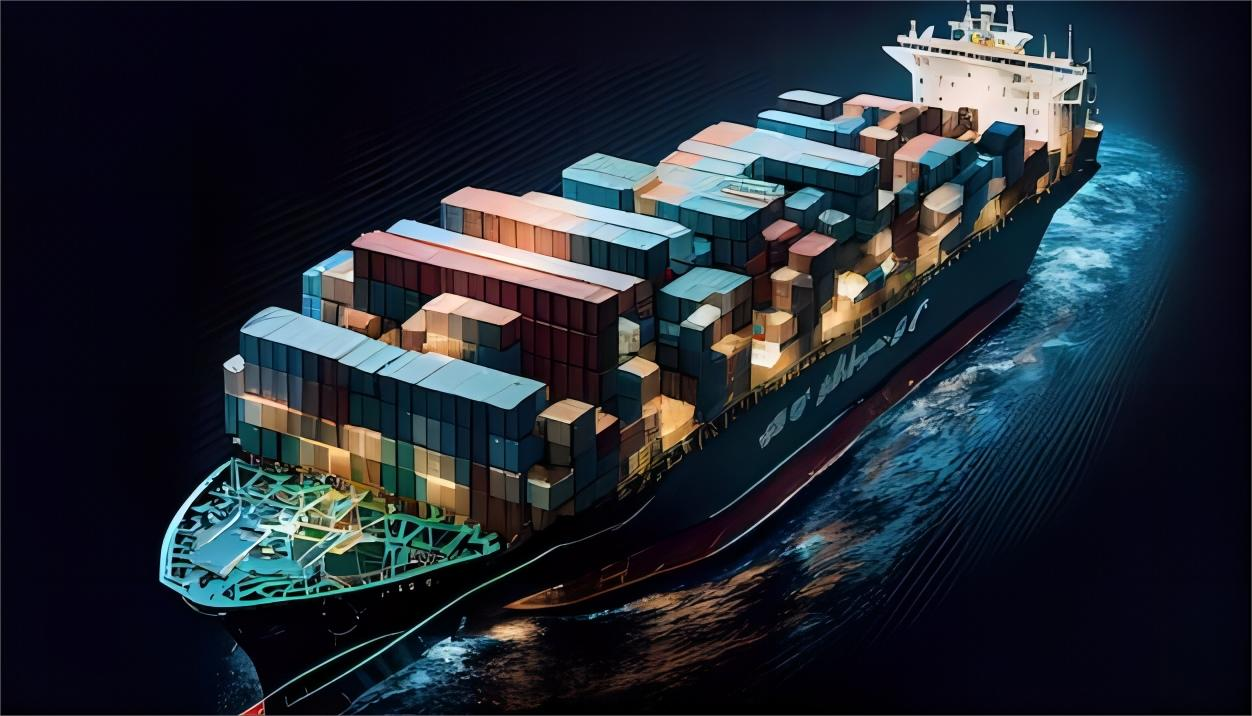
Container Shipping China to Singapore: 2026 Complete Logistics Guide
“Navigating the complexities of container shipping China to Singapore requires a strategic approach to balance cost and efficiency. As trade volumes between these two economic hubs reach new heights in 2026, businesses must understand the nuances of maritime logistics to maintain a competitive edge. At AI Logistics China, we provide comprehensive solutions that streamline your supply chain from major Chinese ports to the heart of Singapore. This guide explores everything from current freight trends to essential documentation, ensuring your cargo arrives safely and on schedule.”

What are the Container Shipping China to Singapore Options?
❖Choosing between Full Container Load (FCL) and Less than Container Load (LCL) represents the first critical decision for any importer. FCL involves renting an entire 20ft or 40ft container for your exclusive use, which often proves more cost-effective for large volumes. Specifically, businesses moving more than 15 cubic meters typically find FCL more economical and secure because the cargo remains undisturbed until it reaches its destination.
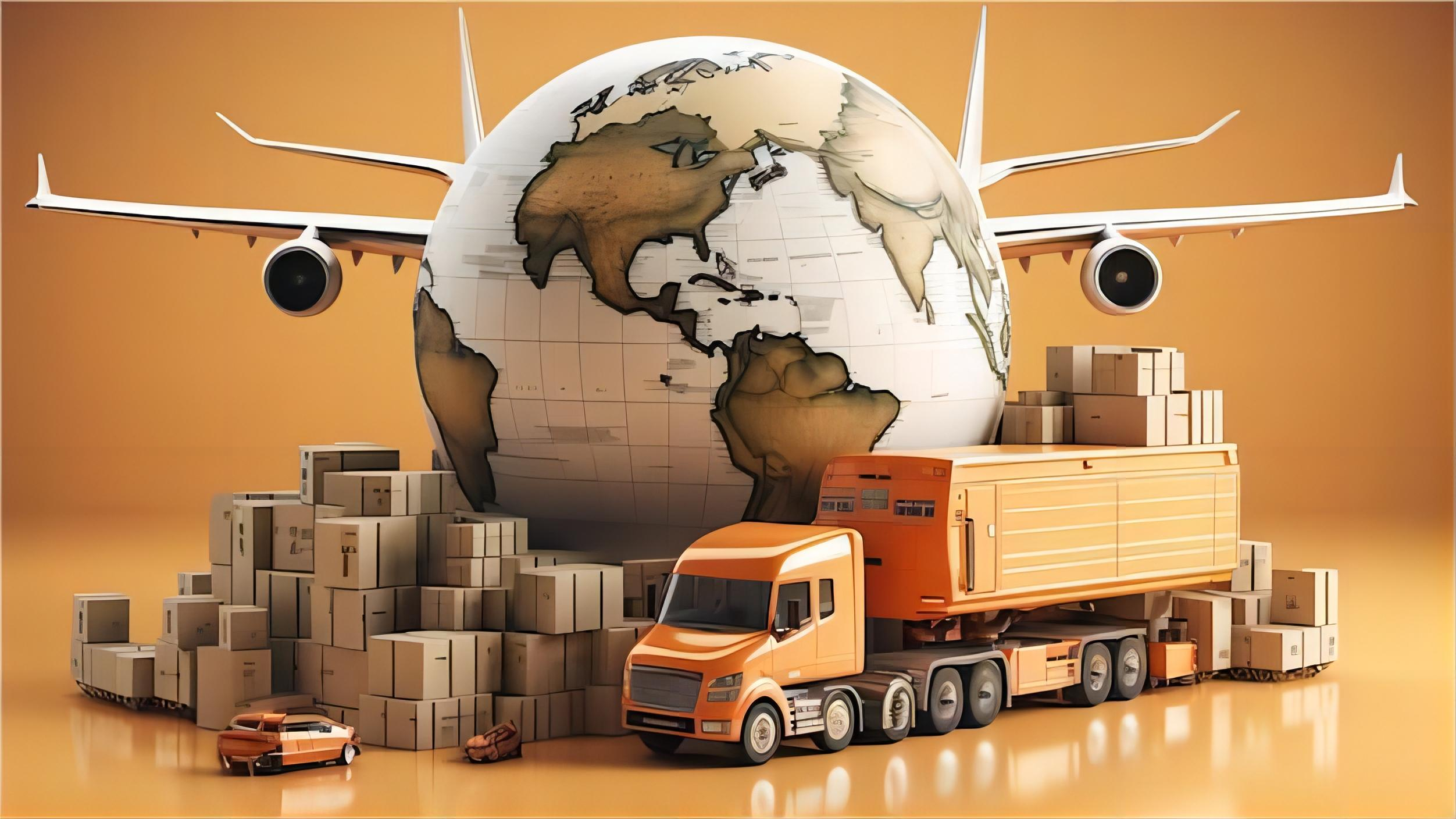
Alternatively, LCL shipping allows you to share container space with other shippers, paying only for the volume you occupy. This method is ideal for smaller businesses or trial shipments where total volume is low. However, LCL shipments often require more handling and slightly longer transit times due to the consolidation and deconsolidation processes at the ports.
Moreover, selecting the right sea freight strategy depends heavily on your specific cargo type and urgency. While FCL offers faster transit and lower risk of damage, LCL provides the flexibility needed for lean inventory management. Consequently, you should evaluate your monthly shipping volume before committing to a specific container type.
How Does Container Shipping Compare to Other Shipping Options?
❖While container shipping remains the backbone of China-Singapore trade, alternative modes offer different advantages based on speed and budget. Air freight provides the fastest delivery but comes at a significantly higher price point, making it suitable only for high-value or perishable goods. In contrast, sea freight offers the best scalability for bulk commodities and heavy machinery.
Furthermore, many businesses are now exploring hybrid solutions to optimize their logistics. For instance, combining sea freight with local express delivery can reduce the total landed cost while maintaining reasonable delivery windows. The following table provides a clear comparison of the primary shipping methods available for this route in 2026.
| Shipping Method | Cost Range | Transit Time | Best For |
|---|---|---|---|
| Sea Freight (FCL) | $800 – $1,800 | 8 – 12 Days | Bulk goods, heavy items |
| Sea Freight (LCL) | $40 – $90/CBM | 12 – 15 Days | Small volumes, samples |
| Air Freight | $3.50 – $6.50/kg | 1 – 3 Days | Urgent, high-value cargo |
| Express Service | $6.00 – $9.00/kg | 2 – 4 Days | Documents, small parcels |
Current 2026 Market Rates for Container Shipping China to Singapore
❖Market data suggests that freight rates for the China to Singapore corridor have stabilized in early 2026 following the fluctuations of previous years. Currently, a 20GP container from Shenzhen to Singapore costs between $800 and $1,100, while a 40HQ container ranges from $1,300 to $1,700. These rates vary based on the specific port of loading and the seasonal demand cycles typical of the Southeast Asian market.
Additionally, fuel surcharges and port handling fees contribute significantly to the total ocean freight cost. Shippers should account for these variables when calculating their overall budget. For those requiring a seamless experience, a door to door service often provides the most predictable pricing by bundling all local and international charges into a single quote.
Note: Freight rates are subject to change based on fuel costs, carrier capacity, and seasonal demand. Contact us for a current quote tailored to your specific shipment.
Which Factors Influence Your Shipping Costs?
❖Several variables determine the final price of container shipping China to Singapore beyond the base ocean freight. Firstly, the distance between the origin factory and the loading port in China affects inland trucking costs. For example, shipping from a factory in inland Sichuan will be more expensive than shipping from a coastal facility in Guangdong.
Secondly, the nature of the cargo plays a vital role in pricing, especially if the goods require special handling or temperature control. Hazardous materials or oversized equipment necessitate specialized containers and additional safety certifications, which increase the total expense. Therefore, accurately declaring your cargo type is essential for obtaining an accurate quote and avoiding unexpected penalties.
Thirdly, seasonal trends impact availability and pricing throughout the year. During the peak season from August to October, rates typically increase by 15 to 25 percent as retailers stock up for year-end sales. Planning your shipments well in advance or choosing off-peak windows can lead to substantial cost savings for your business.
Transit Times and Port Logistics for Singapore Shipments
❖The transit time for container shipping China to Singapore is relatively short compared to long-haul routes to Europe or North America. Direct sailings from major ports like Shanghai, Ningbo, or Shenzhen typically take between 6 to 10 days. However, you must also factor in the time required for loading, customs clearance, and final delivery to the warehouse.
Specifically, the Port of Singapore remains one of the most efficient maritime hubs globally, ensuring rapid vessel turnaround times. Despite this efficiency, port congestion during peak periods can occasionally add 2 to 3 days to the total schedule. Consequently, working with an experienced logistics partner helps in navigating these potential delays through better vessel scheduling and real-time tracking.
Indeed, choosing the right port of loading in China can shave days off your timeline. For instance, shipments from Southern China ports like Nansha or Yantian generally reach Singapore faster than those departing from Northern ports like Tianjin. To further speed up your supply chain, consider utilizing Amazon FBA specialized logistics if you are a cross-border e-commerce seller.
Customs Clearance and Documentation Requirements
❖Navigating the regulatory landscape is a crucial step in container shipping China to Singapore. Singapore Customs requires specific documentation for all imports, including a commercial invoice, packing list, and a Bill of Lading. Furthermore, certain goods may require additional permits from controlling agencies such as the Singapore Food Agency or the Health Sciences Authority.
To ensure a smooth transition through the border, many businesses employ a professional customs brokerage service. These experts verify that all HS codes are correct and that the appropriate Goods and Services Tax (GST) is calculated. As of 2026, the digital integration of customs systems has accelerated the clearance process, but accuracy in documentation remains paramount to avoid costly storage fees.
Moreover, understanding the China-ASEAN Free Trade Agreement can provide significant duty savings for eligible products. By providing a valid Certificate of Origin, importers can often benefit from reduced or zero tariff rates. Consequently, investing time in proper documentation preparation is one of the most effective ways to reduce your total landed cost.
Real Case Studies: China to Singapore Shipping Success
❖Case Study 1: Electronics Distribution. Route: Shenzhen, China to Singapore. Cargo: Consumer electronics, 28 CBM, 4,500 kg. Container: 20GP. Shipping Details: Direct via Maersk. Port of Loading: Yantian. Port of Discharge: Singapore. Cost Breakdown: Ocean Freight $950, Origin Charges $250, Destination Charges $300, Customs and Duties $1,200 (GST). Total Landed Cost: $2,700. Timeline: Booking to Loading 3 days, Sea Transit 7 days, Customs Clearance 1 day, Total Door-to-Door 11 days. Key Insight: Utilizing a direct route from Yantian minimized handling risks for fragile electronics.
Case Study 2: Furniture Import. Route: Foshan, China to Singapore. Cargo: Home furniture, 12 CBM, 2,200 kg. Container: LCL. Shipping Details: Consolidated service. Port of Loading: Nansha. Port of Discharge: Singapore. Cost Breakdown: Ocean Freight $720 ($60/CBM), Origin Charges $180, Destination Charges $220, Customs and Duties $850. Total Landed Cost: $1,970. Timeline: Booking to Loading 5 days, Sea Transit 9 days, Customs Clearance 2 days, Total Door-to-Door 16 days. Key Insight: LCL was 40 percent cheaper than FCL for this specific volume, despite the longer transit time.
Case Study 3: Industrial Machinery. Route: Shanghai, China to Singapore. Cargo: CNC Machine, 1 unit, 8,000 kg. Container: 40GP. Shipping Details: Direct via COSCO. Port of Loading: Shanghai. Port of Discharge: Singapore. Cost Breakdown: Ocean Freight $1,450, Origin Charges $400, Destination Charges $450, Customs and Duties $3,500. Total Landed Cost: $5,800. Timeline: Booking to Loading 4 days, Sea Transit 10 days, Customs Clearance 2 days, Total Door-to-Door 16 days. Key Insight: Advanced booking during the off-peak season saved the client approximately $300 in freight costs.
Which Option Should You Choose for Your Business?
❖Determining the best container shipping China to Singapore strategy depends on your specific priorities regarding speed, budget, and cargo safety. If your primary goal is cost reduction and you have a volume exceeding 15 CBM, FCL is almost always the superior choice. On the other hand, if you are shipping small batches frequently, LCL offers the flexibility needed to maintain low inventory levels.
For urgent shipments that cannot wait for sea transit, air freight remains the most viable alternative. While the cost per kilogram is higher, the reduction in lead time can be critical for maintaining production schedules or meeting customer demands. Therefore, a balanced approach often involves using sea freight for bulk replenishment and air freight for emergency stock.
In summary, successful logistics management requires a clear understanding of your supply chain requirements. By analyzing your shipping frequency and volume, you can select a method that optimizes both your operational efficiency and your bottom line. Always consult with a logistics professional to stay updated on the latest market conditions and regulatory changes.
Final Thoughts on Shipping from China to Singapore
Successfully managing container shipping China to Singapore involves more than just finding the lowest rate. It requires a comprehensive understanding of container types, market trends, and customs regulations to ensure a smooth flow of goods. By choosing the right partner and the most appropriate shipping method, you can significantly reduce your overhead and improve delivery reliability.
As we move through 2026, staying informed about logistics innovations and trade agreements will continue to be a vital part of your business strategy. Whether you choose FCL or LCL, the key to success lies in meticulous planning and clear communication with your freight forwarder. Start your journey toward efficient shipping today by leveraging the right tools and expertise for the China-Singapore route.
Ready to streamline your logistics?
Ready to optimize your supply chain with reliable container shipping China to Singapore? Contact our expert team today for a customized quote and professional guidance on your next shipment. Visit our inquiry page to get started. Send Inquiry: https://ailogisticschina.com/
Request Quote