
Container Shipping China to Netherlands: 2026 Freight Guide
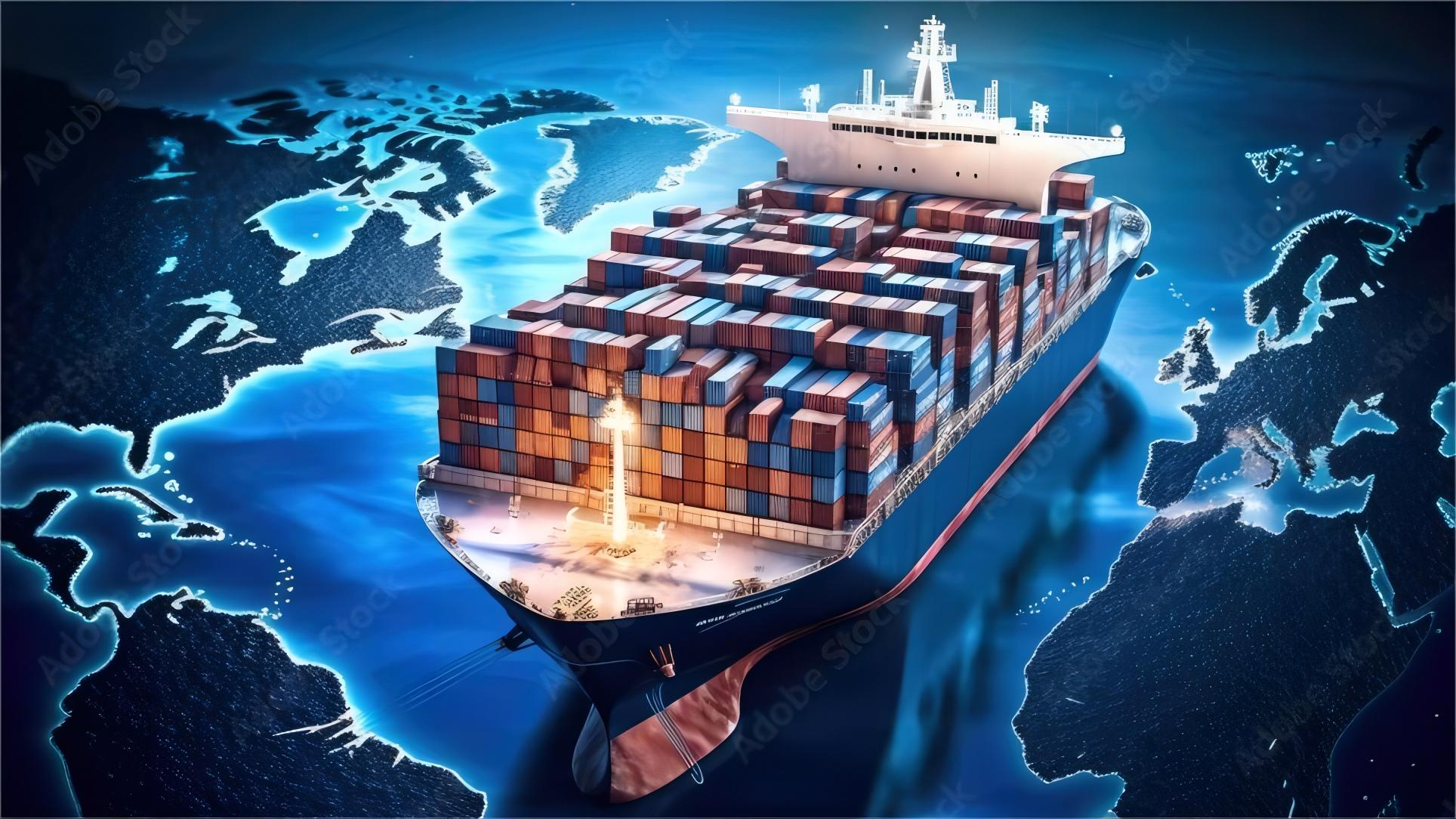
Navigating container shipping china to Netherlands requires a strategic approach to balance cost efficiency and delivery speed in today’s volatile market. Businesses must understand the nuances of international logistics to maintain a competitive edge. Visit AI Logistics China to streamline your international trade operations and secure the most reliable shipping routes available this year.
✦
How Much Does Container Shipping China to Netherlands Cost in 2026?
Determining the exact cost of container shipping china to Netherlands involves analyzing various factors including fuel surcharges, seasonal demand, and port fees. Currently, market rates have stabilized significantly following the global supply chain adjustments seen throughout 2025. Consequently, importers can now plan their budgets with greater accuracy than in previous years.
Freight rates for a standard 40HQ container typically range between 3,000 and 4,200 USD depending on the specific departure port in China. Furthermore, choosing sea freight remains the most economical solution for high-volume shipments that are not time-sensitive. However, smaller businesses might find better value in Less than Container Load (LCL) options where they only pay for the space they occupy.
Seasonal fluctuations still play a major role in pricing trends across the industry. For instance, rates often increase by 15 to 25 percent during the peak season leading up to the Golden Week holidays in October. Therefore, booking your shipments at least four to six weeks in advance is highly recommended to secure lower rates and guaranteed space on vessels.
| Container Type | Average Cost (USD) | Transit Time | Capacity |
|---|---|---|---|
| 20GP Standard | $1,800 – $2,500 | 28-35 Days | 33 CBM |
| 40GP Standard | $2,800 – $3,800 | 30-38 Days | 67 CBM |
| 40HQ High Cube | $3,000 – $4,200 | 30-38 Days | 76 CBM |
| LCL (per CBM) | $80 – $120 | 35-42 Days | Variable |
Understanding Transit Times for Dutch Imports
Shipping transit times from major Chinese hubs like Shanghai or Shenzhen to Rotterdam generally take between 30 and 40 days. This duration accounts for the ocean voyage, port handling, and potential transshipment delays in Southeast Asian hubs. Additionally, the efficiency of the Port of Rotterdam ensures that inland distribution within the Europe region happens quickly once the vessel arrives.
Weather conditions and maritime traffic density can occasionally impact these schedules. Nevertheless, modern tracking technologies allow importers to monitor their cargo in real-time, providing better visibility into the supply chain. Meanwhile, choosing direct routes from Ningbo or Qingdao can often shave several days off the total delivery window compared to routes with multiple stops.
Importers should also factor in the time required for loading and export formalities at the origin. Typically, it takes about 3 to 5 days to move cargo from a factory to the ship’s deck. As a result, the total door-to-door timeline usually spans approximately 45 to 50 days for standard sea freight operations.
How Does Sea Freight Compare to Other Shipping Options?
Selecting the right transportation mode depends heavily on your specific business requirements and budget constraints. While sea freight is the standard for container shipping china to Netherlands, alternative methods offer unique advantages for different scenarios. For example, rail freight has emerged as a powerful middle-ground solution for those needing faster delivery than sea but lower costs than air.
Air freight remains the fastest option, delivering goods within 5 to 7 days, though it comes at a significant premium. Indeed, shipping a full container’s worth of goods via air could cost ten times more than the ocean alternative. Consequently, air cargo is strictly reserved for high-value electronics, fashion samples, or urgent medical supplies.
Hybrid solutions, such as sea-air combinations, are also gaining popularity in 2026. These strategies involve shipping goods by sea to a hub like Dubai and then flying them to Amsterdam. This approach effectively balances cost and speed, providing a flexible alternative during peak shipping seasons.
| Method | Cost Range | Transit Time | Best For |
|---|---|---|---|
| Sea Freight | $1,800 – $4,200 | 30-40 Days | Bulk Inventory |
| Rail Freight | $2,500 – $5,500 | 18-22 Days | Medium Urgency |
| Air Freight | $5.00 – $9.00/kg | 5-7 Days | High Value |
| Express | $8.00 – $12.00/kg | 3-5 Days | Small Parcels |
Navigating Customs Clearance and Documentation
Successful importation into the Netherlands hinges on accurate documentation and compliance with European Union regulations. Specifically, the Dutch Customs authorities require a complete set of papers including the Bill of Lading, Commercial Invoice, and Packing List. Moreover, utilizing a professional customs brokerage service can prevent costly delays and administrative penalties.
Importers must also ensure they have a valid EORI number, which is mandatory for all businesses trading with the EU. Additionally, understanding the VAT and duty structures is vital for calculating the total landed cost of your goods. Because the Netherlands serves as a gateway to Europe, many businesses take advantage of VAT deferment schemes to improve cash flow.
Incorrectly declared HS codes are a frequent cause of customs inspections and shipment holds. Therefore, verifying the classification of your products before they leave China is a critical step in the logistics process. In addition, certifications like CE marking must be clearly documented for relevant consumer products to ensure they meet safety standards.
The Rise of Rail Freight as a Viable Alternative
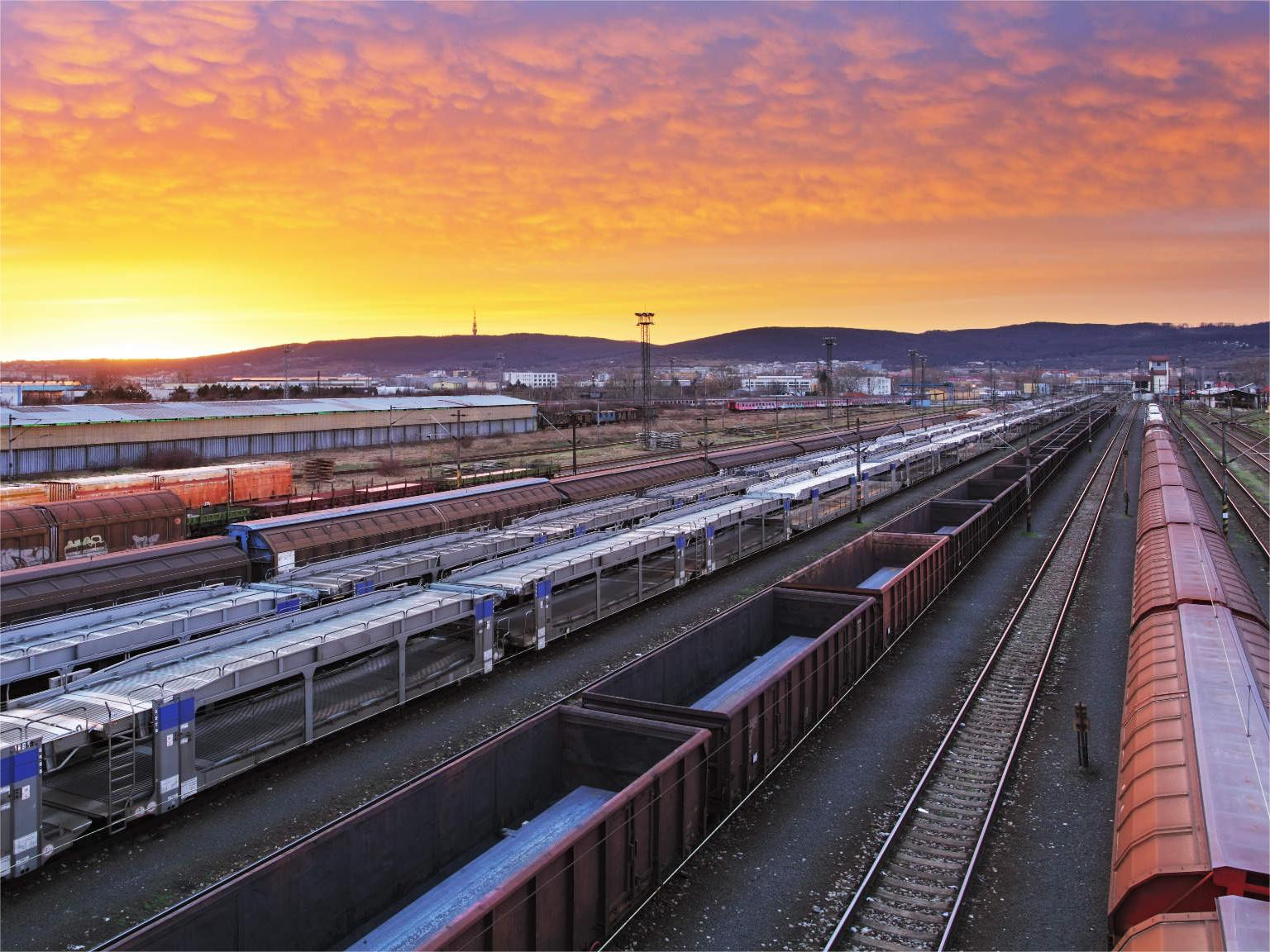
The expansion of the New Silk Road has made rail freight a highly attractive option for container shipping china to Netherlands. Specifically, trains departing from Xi’an or Chengdu can reach terminals in Tilburg or Duisburg in just about 18 to 22 days. This method offers a significant time saving over sea freight while remaining much more affordable than air transport.
Rail transport is particularly beneficial for automotive parts, industrial machinery, and consumer goods with a medium shelf life. Furthermore, it is considered a more environmentally friendly option compared to air freight, appealing to companies with strict sustainability goals. However, rail capacity can be limited, so early booking is essential during high-demand periods.
Security on rail routes has improved drastically over the last few years. Indeed, most containers are now equipped with GPS tracking and environmental sensors to monitor temperature and humidity. Consequently, rail freight has become a reliable pillar of modern Eurasian logistics strategies.
Which Option Should You Choose?
Deciding between FCL and LCL depends largely on your total cargo volume and budget. If your shipment exceeds 15 cubic meters, booking a Full Container Load (FCL) is generally more cost-effective. On the other hand, LCL is perfect for smaller batches, allowing you to share container space with other shippers and reduce overhead.
Budget priority should lead you toward sea freight, especially if you can manage a longer lead time. If speed is your primary concern, air freight or express services are the only realistic choices for urgent deadlines. Meanwhile, if you are looking for a balanced trade-off, rail freight provides the most logical compromise in the current market.
Cargo type also dictates the method; for instance, hazardous materials or oversized machinery may require specialized sea freight containers like flat racks or open tops. Ultimately, consulting with a logistics expert will help you identify the most efficient route tailored to your specific supply chain needs.

Comprehensive Door to Door Logistics Solutions
Many modern businesses prefer door to door services to simplify their operations. This model covers everything from the initial pickup at the Chinese factory to the final delivery at a warehouse in Amsterdam or Rotterdam. Consequently, the importer does not have to worry about managing multiple carriers or coordinating complex handovers.
This all-inclusive approach typically includes export clearance, ocean or rail freight, customs duties, and local trucking. Additionally, it provides a single point of contact, which greatly reduces the risk of communication errors. Indeed, many e-commerce sellers find this service indispensable for maintaining consistent stock levels without handling the logistics themselves.
While the upfront cost might seem higher, the time saved and the reduction in potential hidden fees often make it more economical in the long run. Therefore, if you are looking for a hassle-free experience, a door-to-door arrangement is the most recommended strategy for Dutch imports.
Realistic Case Studies for 2026
Case Study 1: Electronics Distribution from Shenzhen Route: Shenzhen, China to Rotterdam, Netherlands Cargo: Consumer Electronics, 68 CBM, 12,000 kg Container: 40HQ Shipping Details: – Carrier: Major Ocean Carrier – Port of Loading: Shenzhen – Port of Discharge: Rotterdam – Route Type: Direct Cost Breakdown: – Ocean Freight: $3,250 – Origin Charges: $450 – Destination Charges: $600 – Customs and Duties: $4,500 – Total Landed Cost: $8,800 Timeline: – Booking to Loading: 4 days – Sea Transit: 32 days – Customs Clearance: 2 days – Total Door-to-Door: 42 days Key Insight: Direct sea freight saved the client 15 percent compared to transshipment routes.
Case Study 2: Industrial Parts via Rail Route: Xi’an, China to Tilburg, Netherlands Cargo: Spare Parts, 12 CBM, 4,500 kg Container: LCL Rail Shipping Details: – Service: China-Europe Railway Express – Terminal of Loading: Xi’an International Port – Terminal of Discharge: Tilburg – Route Type: Direct Rail Cost Breakdown: – Rail Freight: $2,100 – Origin Charges: $300 – Destination Charges: $400 – Customs and Duties: $1,200 – Total Landed Cost: $4,000 Timeline: – Booking to Loading: 5 days – Rail Transit: 19 days – Customs Clearance: 3 days – Total Door-to-Door: 30 days Key Insight: Rail freight provided a 12-day faster delivery than sea freight at a manageable cost increase.
Final Thoughts on Shipping to the Netherlands
To summarize, successful container shipping china to Netherlands in 2026 relies on selecting the right transportation mode and staying informed about market trends. Whether you choose the cost-effective sea route or the faster rail alternative, proper planning is essential for avoiding delays. Furthermore, partnering with a knowledgeable logistics provider ensures that your customs documentation and local delivery are handled with professional care.
As global trade continues to evolve, businesses that adapt their shipping strategies will find the most success in the European market. By leveraging the data and methods outlined in this guide, you can significantly improve your supply chain efficiency. Remember to always request current quotes to account for the latest market fluctuations and seasonal changes in freight rates.