


Container Shipping China to Germany: 2026 Guide to Rates and Logistics
Managing container shipping China to Germany requires navigating a complex global landscape of rates and schedules in 2026. Businesses often face challenges with fluctuating prices and port congestion, but our modern logistics strategies provide clear solutions for your cargo. This comprehensive guide details everything you need to know about transporting your goods efficiently across these vital international trade lanes.

What is the Current State of Container Shipping China to Germany in 2026?
The logistics landscape for shipping from China to Europe has evolved significantly over the last year. Currently, the industry sees a stabilized market as of Q1 2026, following the major disruptions observed in previous periods. Moreover, carriers have introduced more fuel-efficient vessels to meet new environmental regulations.
Consequently, shippers now have access to more predictable delivery schedules and advanced tracking technologies. However, demand remains high for key industrial components and consumer goods moving toward German hubs. Therefore, booking your space at least three to four weeks in advance is highly recommended to secure the best possible rates.
Additionally, the integration of digital documentation has streamlined the initial stages of the supply chain. Meanwhile, port efficiency in both Shanghai and Hamburg has improved due to automated cargo handling systems. Nevertheless, seasonal peaks like the Golden Week still influence capacity and pricing significantly.
How Much Does Container Shipping China to Germany Cost?
Determining the exact cost of sea freight involves several variables, including container size, fuel surcharges, and seasonal demand. For instance, a standard 40HQ container typically costs more than a 20GP due to the increased volume capacity. Furthermore, freight rates are influenced by the specific port of loading and the final destination in Germany.
In addition to the base ocean freight, you must account for origin and destination charges. These fees often include terminal handling charges, documentation fees, and local trucking costs. Without a doubt, comparing different quotes is essential for maintaining a healthy profit margin in your import business.
Market data suggests that rates for 2026 have remained relatively competitive compared to the volatile peaks of 2024. As a result, businesses can plan their budgets with greater accuracy. For a detailed breakdown of current market averages, refer to the pricing table below.
| Container Type | Average Rate (USD) | Transit Time (Days) | Typical Cargo |
|---|---|---|---|
| 20GP Container | $1,900 – $2,600 | 30 – 35 Days | Heavy Machinery |
| 40GP Container | $2,900 – $3,900 | 30 – 35 Days | Furniture/Textiles |
| 40HQ Container | $3,200 – $4,300 | 30 – 35 Days | Lightweight Goods |
| LCL (per CBM) | $60 – $95 | 35 – 40 Days | Small Shipments |
How Does Container Shipping Compare to Other Shipping Options?
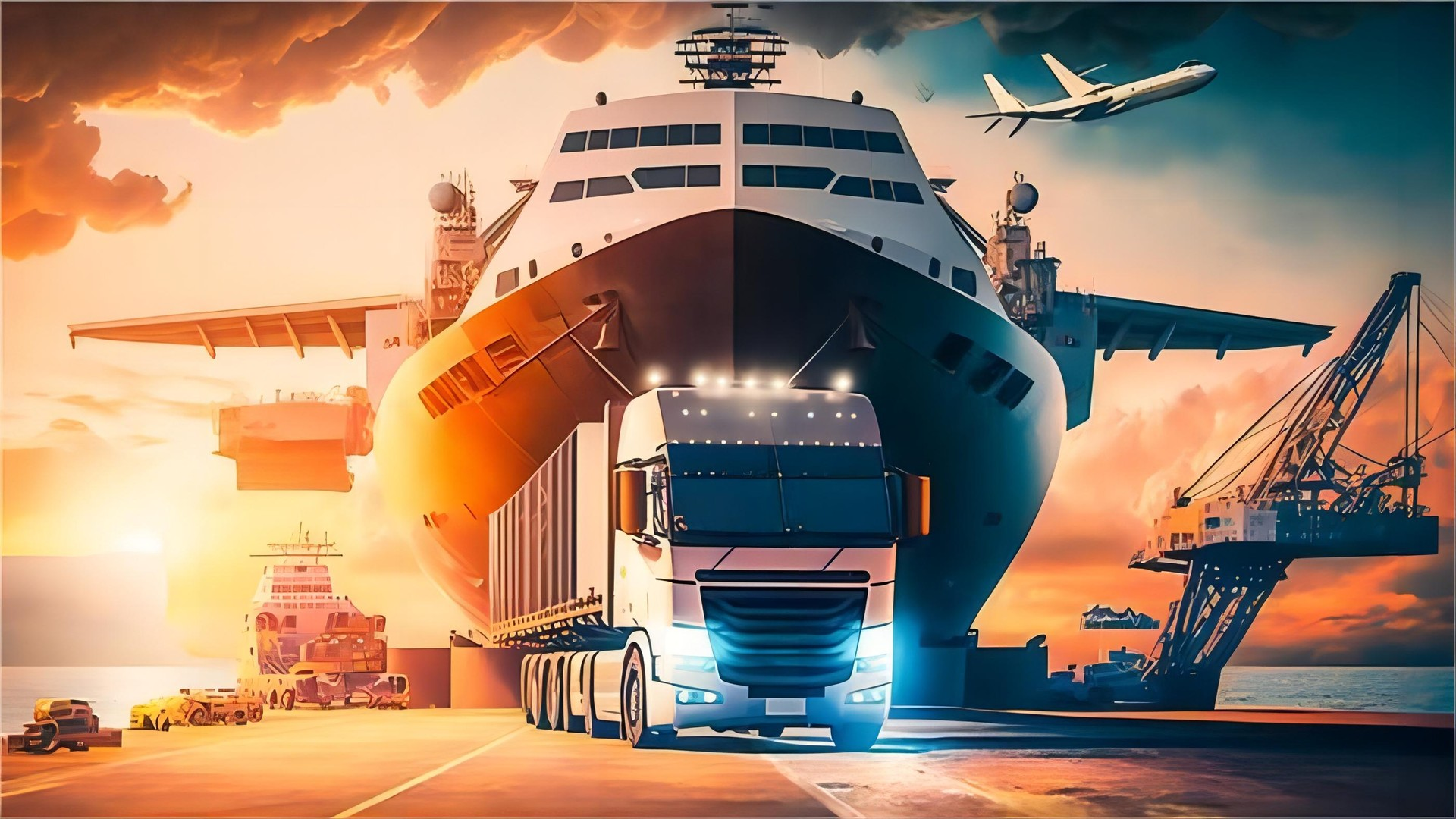
While sea freight is the most common method, it is important to analyze all available alternatives for the China-Germany route. For example, air freight offers the fastest delivery times but comes at a significantly higher price point. On the other hand, rail freight provides a middle ground for both cost and speed.
Indeed, rail transport via the New Silk Road has become a reliable option for time-sensitive industrial goods. However, its capacity is much lower than that of massive container ships. Consequently, rail is often preferred for high-value electronics that do not require the extreme speed of air transport.
In contrast, sea freight remains the undisputed leader for bulk shipments and large-scale manufacturing orders. To summarize, the choice between these methods depends entirely on your specific budget and timeline requirements. Consider the following comparison to determine which strategy fits your needs.
| Shipping Method | Cost Range | Transit Time | Best For |
|---|---|---|---|
| Sea Freight | Low ($2k – $4k) | 30 – 38 Days | Bulk / Heavy Goods |
| Rail Freight | Medium ($4k – $7k) | 18 – 22 Days | Automotive Parts |
| Air Freight | High ($15k+) | 5 – 8 Days | Urgent Samples |
| Sea-Air Hybrid | Medium-High | 15 – 18 Days | Balanced Priority |
Which Option Should You Choose?
Selecting the right shipping method requires a clear understanding of your business priorities. If your primary goal is cost reduction, sea freight is almost always the best choice for full container loads. Moreover, businesses with flexible timelines can take advantage of slower, more economical routes.
Conversely, if you are facing a stockout or a tight production deadline, air freight becomes a necessary investment. For shipments that fall between these extremes, rail freight offers a compelling balance of speed and affordability. Additionally, you should consider the nature of your cargo, as hazardous materials may have restricted options.
Volume thresholds also play a critical role in your decision. For instance, if your shipment is under 15 CBM, LCL sea freight might be more economical than a full 20GP container. However, once you exceed that volume, the security and speed of FCL usually outweigh the minor cost savings of consolidation.
What Documents Are Required for Customs Clearance?
Navigating the legal requirements for importing into Germany is a vital step in the logistics process. Utilizing a professional customs brokerage service can prevent costly delays at the port of Hamburg or Wilhelmshaven. Furthermore, ensuring all paperwork is accurate and complete is the responsibility of the shipper.
Specifically, you will need a Commercial Invoice, a Packing List, and a Bill of Lading. In addition, an EORI number is mandatory for all businesses importing goods into the European Union. Without a doubt, missing or incorrect information can lead to cargo seizures or heavy fines from German customs authorities.
Moreover, certain products may require additional certificates, such as CE marking for electronics or phytosanitary certificates for agricultural goods. Therefore, it is essential to verify the specific HS codes for your products well before the ship departs from China. Indeed, preparation is the key to a seamless customs experience.
| Document Name | Purpose | Provided By | Required For |
|---|---|---|---|
| Bill of Lading | Title of Goods | Carrier | All Shipments |
| Commercial Invoice | Value Declaration | Supplier | Tax/Duty Calc |
| Packing List | Cargo Details | Supplier | Inspection |
| Certificate of Origin | Trade Agreements | Chamber of Commerce | Duty Reduction |
Real Case Studies for China to Germany Shipping
Examining real-world examples helps illustrate the practical aspects of international logistics. Below are three distinct scenarios based on actual shipments processed in early 2026. These cases highlight the importance of choosing the right method for different cargo types and business needs.
Case Study 1: Industrial Machinery Route: Shanghai to Hamburg Cargo: CNC Machines, 28 CBM, 12,000 kg Container: 1 x 40GP Shipping Details: – Carrier: COSCO – Sea Transit: 32 days – Customs Clearance: 2 days – Total Door-to-Door: 41 days Cost Breakdown: – Ocean Freight: $3,100 – Origin/Dest Charges: $850 – Total Landed Cost: $3,950 Key Insight: Using FCL ensured the machinery remained undisturbed throughout transit, reducing the risk of damage.
Case Study 2: Consumer Electronics Route: Shenzhen to Duisburg Cargo: Smart Home Devices, 15 CBM, 4,500 kg Container: Rail LCL Shipping Details: – Service: China-Europe Railway Express – Transit Time: 21 days – Customs Clearance: 3 days – Total Door-to-Door: 28 days Cost Breakdown: – Rail Freight: $4,800 – Local Handling: $600 – Total Landed Cost: $5,400 Key Insight: Rail was chosen to meet a product launch deadline that sea freight would have missed, while remaining cheaper than air.
Case Study 3: Furniture Wholesale Route: Ningbo to Bremen Cargo: Office Chairs, 65 CBM, 8,000 kg Container: 1 x 40HQ Shipping Details: – Carrier: Maersk – Sea Transit: 35 days – Customs Clearance: 2 days – Total Door-to-Door: 45 days Cost Breakdown: – Ocean Freight: $3,400 – Origin/Dest Charges: $900 – Total Landed Cost: $4,300 Key Insight: High-cube containers allowed the shipper to maximize volume for lightweight furniture, lowering the cost per unit.
Major Ports and Transit Times in 2026
Understanding the geography of your route is essential for accurate planning. China’s primary export hubs for Germany include Shanghai, Ningbo-Zhoushan, and Shenzhen. Meanwhile, the most frequent ports of discharge in Germany are Hamburg, Bremerhaven, and Wilhelmshaven. Consequently, the choice of port can impact both the transit time and the final delivery cost.
For instance, shipping from Shenzhen to Hamburg typically takes slightly less time than from northern Chinese ports. However, port congestion at major European hubs can occasionally add several days to the schedule. Therefore, many shippers now utilize door to door services to manage the entire process from factory to warehouse.
Additionally, direct sailings are available but often command a premium price. Transshipment via Singapore or Colombo may save money but can increase the transit time by 5 to 10 days. Indeed, you must weigh the benefits of a direct route against the potential savings of a transshipment service.
Cost-Saving Strategies for Container Shipping
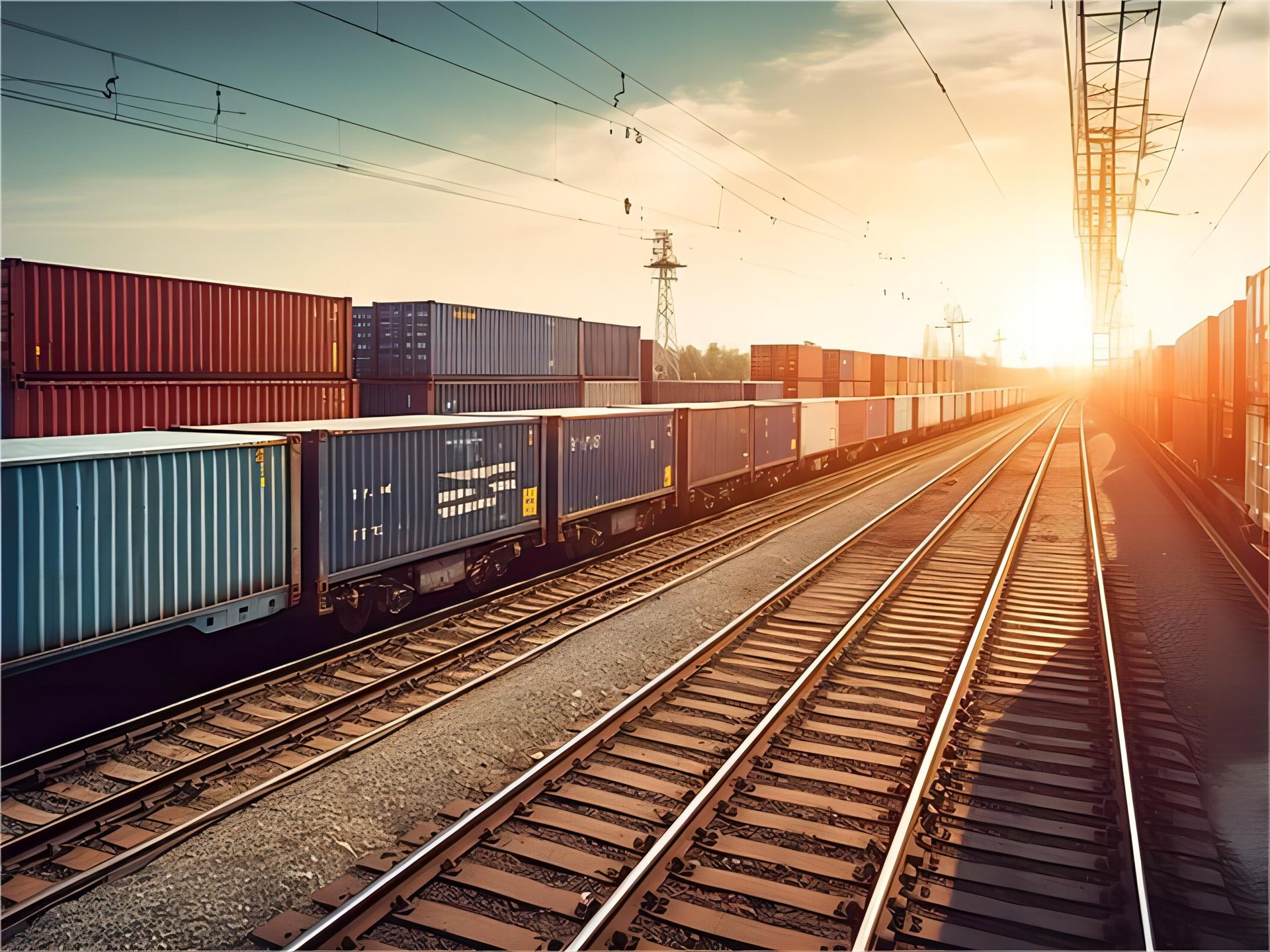
Reducing your logistics expenses requires a proactive approach and attention to detail. One effective strategy is to optimize your packaging to fit more goods into a single container. Moreover, consolidating multiple small orders into one LCL shipment can significantly lower your per-unit costs.
In addition, negotiating long-term contracts with freight forwarders can provide stability in a fluctuating market. Furthermore, avoiding peak seasons like the weeks leading up to Chinese New Year can save you thousands of dollars in surcharges. Consequently, planning your production cycle around these peak periods is a smart business move.
Finally, always request a comprehensive quote that includes all potential fees. Hidden costs like demurrage and detention can quickly erase any initial savings if your cargo is delayed. To summarize, transparency and planning are your best tools for managing a cost-effective supply chain.
Final Thoughts on Shipping from China to Germany
To summarize, successful container shipping China to Germany in 2026 depends on thorough preparation and choosing the right logistics partner. By understanding the differences between sea, rail, and air freight, you can make informed decisions that benefit your bottom line. Moreover, staying updated on customs regulations and market trends will help you avoid common pitfalls.
Whether you are shipping full containers or smaller LCL loads, prioritizing efficiency and communication is essential. As the global trade environment continues to evolve, having a flexible and resilient logistics strategy will remain a competitive advantage. Start planning your next shipment today to take full advantage of current market opportunities.
Need a tailored shipping solution?
Streamline your global supply chain with our expert logistics solutions. Our team provides tailored quotes for container shipping China to Germany to ensure your cargo arrives on time and within budget. Visit our inquiry page to start your shipment today: Visit https://ailogisticschina.com/contact-us/