


China to Europe Shipping Small Business: A Complete Logistics Guide
Managing a china to europe shipping small business operation requires a deep understanding of international logistics to maintain profitability. Many entrepreneurs find that shipping from China to Europe involves complex decisions regarding transit times and carrier reliability. Consequently, this guide provides actionable insights to help you navigate the global supply chain efficiently while minimizing unnecessary expenses.
Why Small Businesses Need a Strategic China to Europe Shipping Plan
Expanding your retail or e-commerce venture necessitates a robust logistics framework that balances speed and cost. Small businesses often lack the massive volumes of major corporations, which makes every shipping decision critical for the bottom line. Therefore, selecting the right freight forwarder becomes the foundation of your international trade success.
Moreover, the current global economic landscape demands flexibility in how you move inventory across borders. Fluctuating fuel prices and seasonal demand shifts can significantly impact your total landed cost if you rely on a single shipping method. Specifically, a diversified approach allows you to pivot when one route faces congestion or price spikes.
Consequently, understanding the nuances of importing goods for startups helps you avoid common pitfalls like unexpected port fees or customs delays. By planning your inventory cycles around realistic transit times, you ensure that your customers never face out-of-stock messages. This strategic foresight is what separates successful importers from those who struggle with supply chain disruptions.
Sea Freight: Affordable Freight Rates for Small Businesses
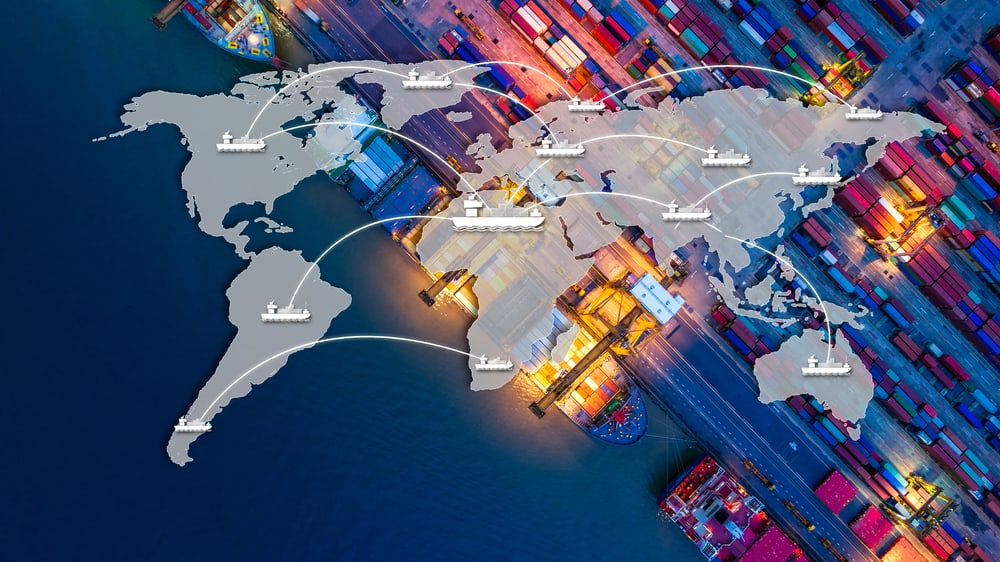
Sea freight remains the most popular choice for companies looking for sea freight solutions that prioritize budget over speed. For most small enterprises, Less than Container Load (LCL) shipping offers a way to share space with other importers and pay only for the volume used. This method is ideal for shipments between 1 and 15 cubic meters.
Additionally, Full Container Load (FCL) becomes more economical once your volume reaches a certain threshold, typically around 15 to 20 cubic meters. Choosing FCL provides better security and faster handling since your goods are not consolidated with other cargo at the port of origin. Indeed, many growing businesses transition to FCL to reduce the risk of damage during the loading and unloading process.
However, you must account for longer transit times when choosing ocean transport, which typically ranges from 30 to 45 days depending on the specific European destination. Planning your orders at least two months in advance is essential to maintain a steady flow of products. Furthermore, always verify the current bunker adjustment factor (BAF) which can influence the final shipping price.
How Does Sea Freight Compare to Other Shipping Options?
Evaluating different transport modes requires an objective analysis of cost, speed, and reliability. While sea freight is the cheapest, it is also the slowest and most susceptible to weather-related delays. In contrast, air freight offers unmatched speed but comes at a premium price that can erode the margins of low-cost items.
Rail freight has emerged as a powerful alternative, offering a middle ground that many small businesses find perfect for seasonal inventory. It is faster than the ocean and significantly cheaper than the air, providing a balanced logistics strategy. Below is a detailed comparison of the primary methods used for the China to Europe route.
| Shipping Method | Cost Range | Transit Time | Best For |
|---|---|---|---|
| Sea Freight (LCL) | $150 – $300 per CBM | 35-45 Days | Non-urgent bulk goods |
| Rail Freight | $2.50 – $4.00 per kg | 18-24 Days | Medium-value inventory |
| Air Freight | $5.00 – $9.00 per kg | 5-8 Days | High-value or urgent items |
| Express Service | $9.00 – $15.00 per kg | 3-5 Days | Samples and small parcels |
Air Freight: Rapid Delivery for High-Value Cargo
Utilizing air freight is often necessary when you are dealing with perishable goods, electronics, or high-fashion items. Speed is the primary advantage here, allowing you to react quickly to market trends or replenish stock during peak shopping seasons. Small businesses often use air transport for initial product launches to test the market without waiting weeks for sea arrivals.
Furthermore, the total cost of air shipping includes more than just the weight-based rate; you must also consider the volumetric weight. Carriers calculate this by measuring the dimensions of your boxes, meaning bulky but light items can be surprisingly expensive to fly. Therefore, optimizing your packaging to reduce empty space is a vital cost-saving strategy for air transport.
Nevertheless, the environmental impact and high carbon footprint of air travel are becoming concerns for modern brands. Some businesses are now opting for a hybrid sea-air solution, where goods are shipped by sea to a hub like Dubai and then flown to Europe. This approach saves approximately 30 percent compared to pure air freight while cutting transit time in half compared to sea.
Rail Freight: The Strategic Middle Ground
Integrating rail freight into your supply chain offers a unique advantage for businesses located in Central or Eastern Europe. The China-Europe Railway Express connects major Chinese hubs like Chengdu and Xi’an directly to European cities like Warsaw, Hamburg, and Duisburg. This route is particularly effective for heavy industrial parts or consumer electronics that require faster delivery than the sea.
Additionally, rail transport is much more stable than sea freight in terms of pricing and schedule consistency. While ocean rates can triple during peak season, rail rates tend to remain relatively flat throughout the year. Consequently, small businesses can budget their logistics costs with much greater accuracy when using the iron silk road.
Moreover, the transit time of 18 to 22 days allows for a faster cash flow cycle compared to sea freight. You can sell your inventory and reinvest the profits twice as fast as you would if your goods were stuck on a ship for six weeks. This increased capital velocity is often more valuable to a small business than the slight savings offered by ocean transport.
Amazon FBA Shipping from China to Europe
Selling on international marketplaces requires specialized Amazon FBA logistics to ensure compliance with strict warehouse requirements. Amazon has specific rules regarding pallet dimensions, labeling, and box weight that must be followed to avoid rejection at the fulfillment center. Small businesses often benefit from hiring a forwarder who specializes in FBA prep to handle these details at the origin.
Furthermore, using a door-to-door service for FBA shipments simplifies the process by including customs clearance and final mile delivery in a single quote. This allows you to focus on marketing and sales while the logistics provider manages the complex movement of goods. Most FBA sellers prefer air or rail for smaller batches to keep their inventory levels lean and responsive.
Specifically, you should be aware of the VAT requirements in European countries when importing for FBA. You will need an EORI number and a VAT registration in the country of entry to claim back any import taxes paid. Without these documents, your goods may be held at the border, leading to significant storage fees and lost sales opportunities.
Customs Clearance Tips for Beginners
Navigating the legal requirements of international trade is often the most daunting task for new importers. Professional customs brokerage services are essential for ensuring that your HS codes are correct and your duties are calculated accurately. Incorrect documentation is the leading cause of shipment delays and expensive fines at European ports.
Additionally, you must ensure that your Chinese supplier provides a commercial invoice, a packing list, and a bill of lading for every shipment. For certain products like toys or electronics, you may also need CE certificates or other safety documentation to prove compliance with EU standards. Keeping a digital archive of all these documents will help you during any future customs audits.
Consequently, small businesses should research the specific import duties for their product categories before placing an order. Some items may be subject to anti-dumping duties or environmental taxes that significantly increase the total cost. Using an online duty calculator can provide a rough estimate, but consulting with a licensed broker is the only way to get a definitive figure.
Which Option Should You Choose? Decision Framework
Choosing the right shipping method depends on your specific business priorities and the nature of your cargo. If your primary goal is to minimize costs and your products have a long shelf life, sea freight is the clear winner. However, if you are launching a trendy product with a short lifecycle, the speed of air or rail is worth the extra investment.
Consider the volume of your shipment as well; LCL is great for starting out, but FCL offers better protection once you scale. Below is a framework to help you decide which logistics path to take based on your current needs.
| Priority | Recommended Method | Key Benefit | Trade-off |
|---|---|---|---|
| Lowest Budget | Sea Freight LCL | Minimal shipping cost | Longest wait time |
| Fastest Delivery | Air Freight | Immediate stock availability | High cost per unit |
| Balanced Growth | Rail Freight | Reliable schedule | Limited to inland hubs |
| Ease of Use | Door to Door | No logistics management | Slightly higher service fee |
Realistic Case Studies for Small Business Logistics
Analyzing real-world scenarios helps you understand the actual costs and timelines involved in china to europe shipping small business operations. These examples reflect market conditions from late 2024 and early 2025, providing a benchmark for your own logistics planning. Every shipment is unique, but these cases highlight common routes and cargo types.
Moreover, these studies demonstrate how different methods impact the final landed cost of a product. By reviewing these details, you can better estimate your own expenses and set retail prices that guarantee a healthy profit margin.
Case Study 1: E-commerce Apparel via Rail
Package Details: Route: Shanghai to Warsaw. Cargo: 1,200 kg of cotton t-shirts, 3 CBM. Method: Rail Freight (LCL).
Cost Analysis: Rail freight at $3.20/kg totaled $3,840. Origin and destination fees added $450. Total landed cost for logistics was $4,290. Transit time from terminal to terminal was 21 days, with a total door-to-door time of 28 days including customs.
Key Insight: Rail provided a 15-day advantage over sea freight for only a 20 percent increase in total cost, allowing the brand to restock mid-season.
Case Study 2: Small Electronics via Sea LCL
Package Details: Route: Shenzhen to Hamburg. Cargo: 5 CBM of smartphone accessories. Method: Sea Freight (LCL).
Cost Analysis: Ocean freight at $180/CBM totaled $900. Documentation and port charges were $350. Customs duties and VAT were estimated at $1,200. Total landed cost was approximately $2,450. Total transit time was 42 days.
Key Insight: Using sea freight allowed the business to keep the shipping cost per unit under $0.50, which was vital for their competitive pricing strategy.
Cost-Saving Strategies for Importing Goods
Reducing your shipping expenses is possible even if you do not have large volumes. One effective strategy is consolidation, where you ask your forwarder to combine orders from multiple Chinese suppliers into a single shipment. This reduces the number of minimum charges you pay for documentation and handling at both ends.
Additionally, shipping during the off-peak season can save you up to 30 percent on freight rates. Avoid the weeks leading up to Chinese New Year and the Q4 holiday rush if your inventory levels allow. Planning your major restocks for March or July often results in much lower quotes from carriers.
Finally, always request a DDP (Delivered Duty Paid) or DAP (Delivered at Place) quote to compare against your own logistics arrangements. Sometimes a forwarder’s bulk contract with a carrier can offer better rates than you could find independently. Note: Freight rates are subject to change based on fuel costs, carrier capacity, and seasonal demand. Contact us for a current quote tailored to your specific shipment.
Final Thoughts on Small Business Logistics
Mastering the intricacies of china to europe shipping small business management is a journey of continuous optimization. By choosing the right mix of sea, air, and rail freight, you can balance the need for speed with the necessity of low costs. Always prioritize clear communication with your suppliers and freight forwarders to ensure a smooth transition of goods across borders.
Successfully navigating customs and choosing the right service levels will ultimately determine your long-term success in the European market. Remember to stay updated on market trends and remain flexible in your logistics strategy as global conditions evolve.
Ready to streamline your logistics?
Ready to streamline your china to europe shipping small business operations? Our team of logistics experts is standing by to provide you with a customized quote that fits your budget and timeline. Visit our website today to start your inquiry and take the first step toward a more efficient global supply chain. Send Inquiry: https://ailogisticschina.com/
Request Quote