


Optimizing Your Cargo Traceability Platform for Global Ocean Transportation
Key Procurement Takeaways
- Aim for 65–70 CBM when planning 40HQ container utilization to maintain cost-efficiency.
- Target 26–28 CBM for 20GP container loads to avoid over-stuffing and safety risks.
- Ensure ISF or port entry filings are submitted at least 24 hours prior to vessel loading at major Chinese hubs.
- Ocean door-to-door transit must account for local port dwell and destination CFS processing times, not just sailing days.
- Air freight chargeable weight is calculated as CBM multiplied by 167, or actual weight, whichever is higher.
What Is the Best Mode Mix for This Trade Lane?
The optimal mode mix balances speed and cost by prioritizing FCL for high-volume replenishment and LCL for smaller, frequent shipments.
Selecting the right sea freight option depends heavily on your specific warehouse capacity and inventory turnover rates.
Additionally, businesses must evaluate whether the current market conditions favor direct port-to-port routing or more complex door-to-door logistics solutions.
| Service Mode | Cost Level | Transit | Best Suited For |
|---|---|---|---|
| Direct FCL | Low | 25-35 Days | Bulk / >15 CBM |
| LCL | Moderate | 35-45 Days | <12 CBM |
| Air | High | 3-7 Days | Urgent / High-Value |
Which Origin Gateways Best Serve This Corridor?
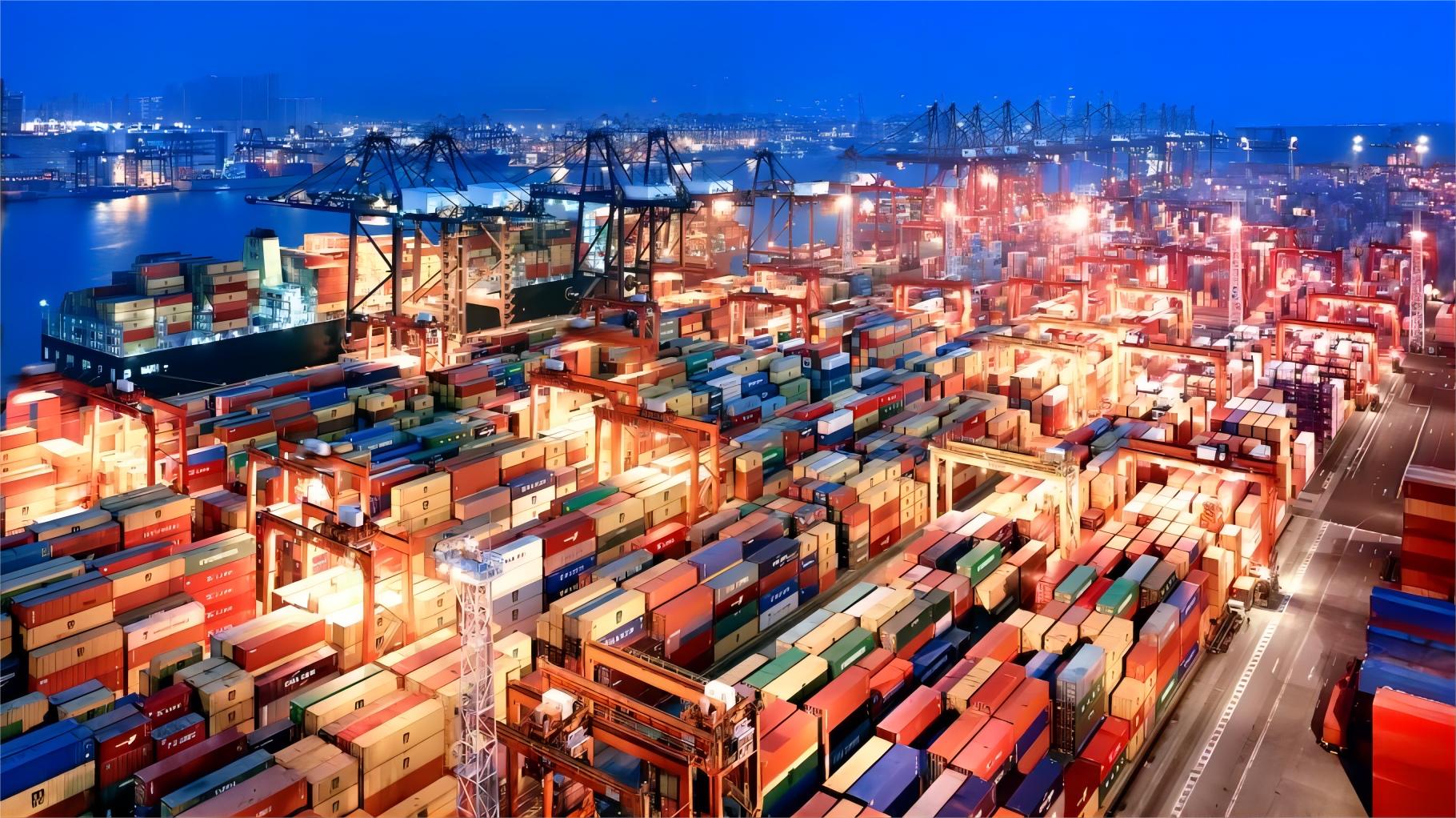
The most efficient origin gateways for this corridor include the major deep-water ports of Yantian, Shekou, Ningbo-Zhoushan, Shanghai Yangshan, and Qingdao.
These hubs provide the highest frequency of direct sailings to global destinations, minimizing the risk of transshipment delays.
Choosing a port closer to your factory location reduces inland trucking costs and simplifies the coordination of door to door shipments.
How Do You Avoid Mode-Specific Pitfalls for This Cargo?
Avoiding pitfalls requires rigorous attention to packing standards and early submission of documentation to prevent customs hold-ups.
For ocean shipments, ensuring that your customs brokerage partner has verified all HS codes is critical to avoiding post-entry audits.
Furthermore, utilizing a cargo traceability platform allows for real-time monitoring of container status, enabling proactive responses to potential delays.
What Is the Door-to-Door Transit and Dwell Breakdown?
Total lead time is defined by the sum of origin drayage, port dwell, ocean transit, and destination customs clearance.
Standard ocean lanes typically require 3-5 days for origin processing and 4-7 days for destination CFS or warehouse deconsolidation.
During peak seasons, these windows often expand due to port congestion, requiring additional buffer time in your supply chain planning.
| Route Leg | Mainhaul Transit | Customs & Dwell | Total Lead Time |
|---|---|---|---|
| Standard Window | 30 Days | 7 Days | 37 Days |
| Peak Season Window | 35 Days | 14 Days | 49 Days |
How Much Does Shipping on This Corridor Cost in 2026?
Shipping costs in 2026 are heavily influenced by bunker adjustment factors (BAF) and seasonal demand spikes at major Chinese ports.
Base rates generally cover the ocean freight from port-to-port, while landed costs include destination THC, documentation fees, and final-mile drayage.
For smaller, urgent needs, air freight remains a viable, albeit significantly higher-cost, alternative to ocean transport.
| Mode / Equipment | Indicative Band | Key Surcharge Drivers | Best For |
|---|---|---|---|
| FCL 40HQ | $3,000 – $6,000 | GRI / Bunker / Season | >15 CBM |
| LCL | $150-$300/CBM | CFS + Destination Fees | <12 CBM |
| Air | $5-$12/kg | Chargeable Weight | Urgent |
What Makes Up Landed Cost Beyond the Mainhaul Rate?
Landed cost includes all expenses from the factory floor to the final destination warehouse, encompassing insurance, duties, and handling fees.
Many importers overlook destination CFS charges and port storage fees, which can accumulate rapidly during peak periods.
Collaborating with a logistics provider for amazon fba or other specialized warehousing needs can help streamline these additional costs.
What Documents and Filings Are Mandatory on This Lane?
Mandatory documentation includes the Bill of Lading (B/L), Commercial Invoice, and Packing List, all of which must be finalized before the vessel departs.
Entry and security filings are essential for compliance and must be submitted to relevant authorities to avoid vessel hold-ups.
Ensuring these documents are accurate is non-negotiable for maintaining the integrity of your global supply chain.
| Document | Purpose | Timing | Owner |
|---|---|---|---|
| Entry Filing | Security/Entry | Pre-Departure | Broker |
| Commercial Invoice | Valuation | Pre-Departure | Shipper |
| Packing List | CBM/Weight | Pre-Departure | Shipper |
| Bill of Lading | Title | Post-Departure | Carrier |
How Do Peak Seasons and Capacity Disruptions Affect Bookings?
Peak seasons, such as the period leading up to the Lunar New Year or the Q4 holiday rush, significantly reduce available capacity on major trade lanes.
During these times, booking lead times should be extended by at least 2-3 weeks to ensure space on preferred vessel strings.
Having a flexible booking strategy is essential when navigating these capacity-constrained periods.
When Should You Choose FCL vs LCL vs Air?
Choosing the right mode requires a clear understanding of your inventory requirements and the cost of capital tied up in transit.
FCL is the standard for steady-state volume, while LCL offers flexibility for smaller inventory batches.
Air freight should be reserved for high-margin products or critical stock replenishment where the cost of a stockout exceeds the premium air rate.
Decision Framework
If volume exceeds 15 CBM, FCL (Full Container Load) is typically the most cost-effective solution; below 12-15 CBM, LCL (Less than Container Load) is preferred.
If lead time requirements are under 10 days, utilize air freight; for standard replenishment cycles, ocean door-to-door with a 35-45 day buffer is standard.
High-value or fragile items require specialized crating and specific stowage instructions to minimize damage risk during ocean transit.
Strategic Summary for 2026 Procurement
Successful logistics procurement in 2026 relies on integrating a robust cargo traceability platform into your daily operations to ensure transparency and cost control.
By standardizing documentation, optimizing container utilization, and building strong relationships with your logistics partners, you can mitigate the risks of international trade and maintain a competitive edge.
Standard Operating Logistics Workflow
Inquiry & Quoting
Submit weight, CBM, HS code, origin, and destination zip for an accurate assessment.
Origin Pickup & Drayage
Coordinate factory readiness and drayage to the port terminal.
Export Customs Clearance
File necessary export declarations to ensure prompt release.
International Transportation
Execute mainhaul transit while monitoring status via the platform.
Destination Customs Clearance
Complete entry filings and pay applicable duties and taxes.
Final Delivery
Coordinate last-mile delivery to your warehouse or distribution center.
For a tailored logistics strategy, please share your gross weight, CBM, packing specifications, HS/commodity details, origin, and destination zip code with our team.
Talk to a specialist →