

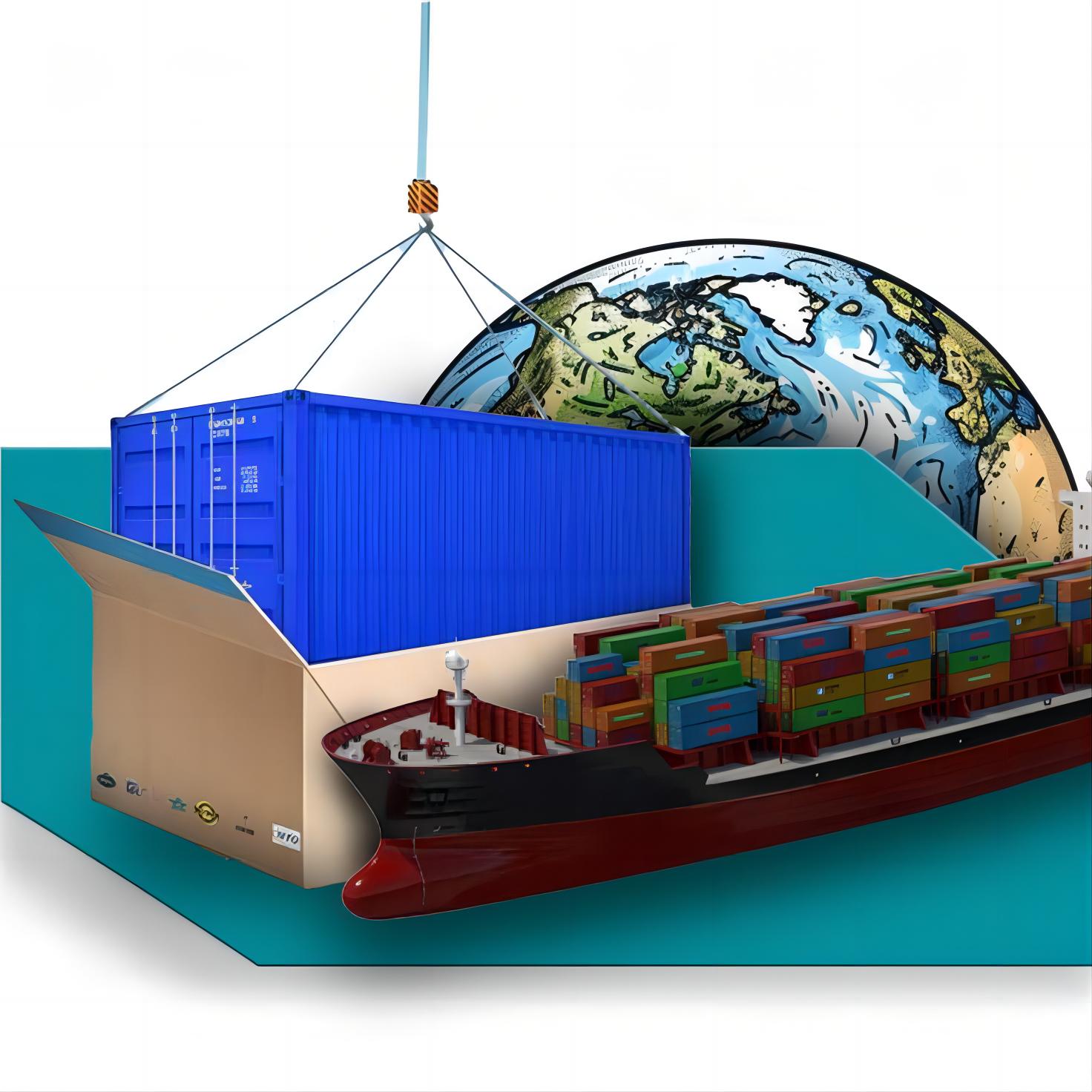
Shipping Rates China to Saudi Arabia 2026: The Ultimate Cost Guide
Navigating the complexities of international trade requires a deep understanding of the latest shipping rates China to Saudi Arabia to maintain a profitable supply chain in 2026. Economic shifts and fluctuating fuel prices continue to influence the logistics landscape, making it essential for businesses to stay informed about current market trends. Visit ailogisticschina.com to explore professional freight management services designed specifically for the Saudi market and ensure your goods arrive safely and on time.
✦

What Factors Influence Shipping Rates China to Saudi Arabia in 2026?
Global trade dynamics significantly impact the baseline costs of transporting goods between these two major economic hubs. Consequently, importers must monitor fuel surcharges and carrier capacity which fluctuate based on seasonal demand and geopolitical stability in the Red Sea region.
Importers often face varying prices depending on the specific port of origin and the final destination within the Kingdom of Saudi Arabia. Furthermore, the type of cargo being shipped determines the handling requirements and the associated freight class, which directly affects the final invoice.
Economic policies and updated trade agreements between China and Saudi Arabia also play a pivotal role in shaping the logistics environment. Therefore, staying updated with the latest customs regulations and tax structures is vital for accurate budgeting and preventing unexpected delays at the border.
How Does Sea Freight Compare to Other Shipping Options?
Selecting sea freight remains the most economical choice for large-scale shipments and bulk commodities that do not require immediate delivery. While transit times are longer compared to air travel, the cost per cubic meter is substantially lower, providing a competitive advantage for high-volume traders.
Additionally, sea transport allows for various container options such as Full Container Load (FCL) and Less than Container Load (LCL) to suit different shipment sizes. Moreover, the stability of ocean freight rates makes it easier for businesses to plan long-term logistics strategies without the volatility often seen in the aviation sector.
Ocean carriers have optimized their routes in 2026 to offer more direct services from major Chinese ports like Shanghai and Ningbo to Jeddah and Dammam. As a result, the reliability of delivery schedules has improved, although port congestion can still occasionally impact the total transit time for some shipments.
| Sea Freight (FCL) | $2,200 – $4,500 | 25 – 35 Days | Bulk Goods |
| Air Freight | $4.50 – $8.50/kg | 4 – 8 Days | Urgent Cargo |
| Express Service | $7.50 – $13.50/kg | 3 – 5 Days | Small Parcels |
| Sea-Air Hybrid | $3,000 – $5,500 | 12 – 18 Days | Balanced Priority |
Understanding Air Freight Costs for Urgent Saudi Shipments
Rapid delivery requirements often necessitate the use of air freight to meet tight deadlines or transport high-value items. Indeed, the speed of aviation ensures that electronics, fashion products, and medical supplies reach the Saudi market within a matter of days rather than weeks.
High-value goods benefit from the enhanced security and reduced handling associated with air transport, which minimizes the risk of damage or theft. Furthermore, the frequent flight schedules between major Chinese cities and Riyadh or Jeddah provide flexibility for businesses with fluctuating inventory needs.
Air cargo rates are typically calculated based on either actual weight or volumetric weight, whichever is higher, necessitating careful packaging to optimize costs. Consequently, professional packing services can help reduce the chargeable weight and lower the overall shipping expenses for your business.

Which Option Should You Choose for Your Saudi Cargo?
Strategic decision-making involves weighing the trade-offs between cost and speed to find the most efficient solution for your specific cargo. However, if your primary goal is to minimize expenses and you have a flexible timeline, ocean transport is almost always the superior choice.
Moreover, businesses dealing with perishable goods or time-sensitive product launches should prioritize speed and choose air or express services despite the higher price point. Choosing the right method depends on your inventory turnover rate and the profit margins of the products you are importing into Saudi Arabia.
Business owners should also consider hybrid solutions like sea-air combinations which offer a middle ground in terms of both cost and transit time. Therefore, analyzing your supply chain requirements thoroughly will lead to more informed logistics choices that support your long-term growth objectives.
Navigating Customs Brokerage and Documentation Requirements
Efficient customs brokerage is essential for clearing goods through Saudi Arabian ports without incurring heavy fines or storage fees. Without a doubt, the complexity of Saudi customs regulations requires precise documentation, including commercial invoices, packing lists, and certificates of origin.
Proper classification of goods under the Harmonized System (HS) codes ensures that you pay the correct import duties and comply with local trade laws. Consequently, partnering with an experienced broker who understands the specific requirements of the Saudi Zakat, Tax and Customs Authority is highly recommended.
Customs authorities in Saudi Arabia have implemented digital systems to streamline the clearance process, but physical inspections are still common for certain types of cargo. Thus, ensuring all paperwork is accurate and complete before the shipment arrives will significantly reduce the risk of administrative delays.
| Commercial Invoice | Customs | Value Declaration | Exporter |
| Packing List | Carrier/Customs | Content Detail | Exporter |
| Cert. of Origin | Customs | Trade Compliance | Chamber |
| Bill of Lading | All Parties | Title of Goods | Carrier |

Case Studies: Real-World Shipping Examples to Saudi Arabia
Examining real-world scenarios provides valuable insights into the actual costs and timelines associated with different shipping methods in 2026. In addition, these examples highlight the common challenges faced by importers and the strategies used to overcome them successfully.
Meanwhile, market data suggests that rates have stabilized compared to the previous year, though seasonal peaks still occur during the lead-up to major holidays. Successful logistics planning involves looking at these past performances to predict future outcomes for your own shipments.
Case studies also demonstrate the importance of choosing the right port of entry, as inland transportation costs from Jeddah to Riyadh can vary significantly. Therefore, reviewing these detailed breakdowns helps in developing a more accurate landed cost calculation for your business model.
Case Study 1: Electronics from Shenzhen to Riyadh
[Case Study 1: Electronics from Shenzhen to Riyadh]
———————————————————
Route: Shenzhen, China to Riyadh, Saudi Arabia
Cargo: Electronics, 2.5 CBM, 500 kg
Container: Air Freight
Shipping Details:
– Carrier: Major Airline
– Port of Loading: Shenzhen (SZX)
– Port of Discharge: Riyadh (RUH)
– Route Type: Direct
Cost Breakdown:
– Freight Rate: $3,200
– Origin Charges: $250
– Destination Charges: $300
– Customs and Duties: $450
– Total Landed Cost: $4,200
Timeline:
– Booking to Loading: 2 days
– Air Transit: 4 days
– Customs Clearance: 2 days
– Total Door-to-Door: 8 days
Key Insight: Direct air routes reduced transit time by 40 percent compared to transshipment options.
———————————————————
Case Study 2: Furniture from Ningbo to Jeddah
[Case Study 2: Furniture from Ningbo to Jeddah]
———————————————————
Route: Ningbo, China to Jeddah, Saudi Arabia
Cargo: Furniture, 68 CBM, 15,000 kg
Container: 40HQ
Shipping Details:
– Carrier: MSC
– Port of Loading: Ningbo
– Port of Discharge: Jeddah
– Route Type: Direct
Cost Breakdown:
– Ocean Freight: $3,800
– Origin Charges: $400
– Destination Charges: $500
– Customs and Duties: $1,200
– Total Landed Cost: $5,900
Timeline:
– Booking to Loading: 5 days
– Sea Transit: 28 days
– Customs Clearance: 4 days
– Total Door-to-Door: 37 days
Key Insight: Using a 40HQ container provided the best value for high-volume, low-weight furniture items.
———————————————————
Door to Door Services: Simplifying Your Saudi Logistics
Modern door to door services eliminate the stress of managing multiple logistics providers by handling the entire process from the factory to the warehouse. Additionally, this comprehensive solution includes inland trucking, export handling, international freight, and final mile delivery in Saudi Arabia.
Thus, importers can focus on their core business activities while logistics experts manage the coordination of various transportation modes and customs requirements. Using a single point of contact simplifies communication and provides better visibility into the status of your shipment at every stage.
Door to door delivery is particularly beneficial for small and medium enterprises that may not have dedicated logistics departments to manage complex international trade. Moreover, the all-inclusive pricing models often provided with these services make it easier to calculate the final cost per unit for your products.
Express Service Solutions for Small Shipments
Express express service options are the fastest way to transport documents and small parcels from China to Saudi Arabia. Moreover, these services provide end-to-end tracking and guaranteed delivery windows, which are essential for urgent business communications and sample deliveries.
However, the cost per kilogram for express shipping is the highest among all methods, making it suitable only for very small or highly valuable items. Speed and reliability are the primary advantages, with most express shipments arriving in major Saudi cities within three to five business days.
Small businesses often utilize express services to test the Saudi market with small quantities before committing to larger sea or air freight shipments. Consequently, it serves as a valuable tool for market research and agile supply chain management in the competitive Middle Eastern landscape.
| Shanghai to Jeddah | $1,950 – $2,600 | $3,500 – $4,800 | 28 Days |
| Shenzhen to Dammam | $1,800 – $2,400 | $3,200 – $4,400 | 24 Days |
| Ningbo to Riyadh | $2,150 – $2,900 | $3,900 – $5,200 | 32 Days |
| Qingdao to Jeddah | $2,000 – $2,700 | $3,600 – $4,900 | 30 Days |
Cost-Saving Strategies for Shipping from China to Saudi Arabia
Reducing your total shipping expenditure requires a proactive approach to cargo consolidation and efficient packaging design. For example, combining multiple small orders into a single LCL shipment can significantly lower the freight costs compared to shipping them individually.
Consequently, working closely with your suppliers to optimize the dimensions of your shipping crates can prevent paying for unused space within a container. Consolidating shipments at a central warehouse in China before export is another effective strategy used by high-volume importers to achieve economies of scale.
Smart negotiators also seek quotes from multiple freight forwarders to ensure they are receiving the most competitive shipping rates China to Saudi Arabia available in the market. Indeed, building long-term relationships with reliable logistics partners can lead to better service levels and more favorable credit terms over time.
Future Logistics Trends Affecting Saudi Trade Routes
Current investments in Saudi Arabia’s infrastructure, such as the expansion of King Abdullah Port, are set to increase the capacity and efficiency of the nation’s logistics network. Furthermore, the integration of blockchain technology and AI in supply chain management is expected to enhance transparency and reduce administrative overhead.
Indeed, the push towards greener shipping practices may lead to new fuel surcharges but will also result in more sustainable and technologically advanced vessel fleets. Staying ahead of these trends allows businesses to adapt their logistics strategies and maintain a competitive edge in the evolving global market.
Logistics providers are also increasingly offering tailored solutions for the e-commerce sector, which is experiencing rapid growth within the Kingdom. Finally, the development of new land bridge projects could eventually provide alternative routes that further diversify the shipping options available to Chinese exporters.
Summary of Shipping Rates and Logistics Strategies
Mastering the nuances of shipping rates China to Saudi Arabia is a continuous process that requires attention to market trends and regulatory changes. By choosing the right shipping method and implementing cost-saving strategies, businesses can significantly improve their operational efficiency and profitability.
Professional freight forwarders play a crucial role in navigating this complex environment, providing the expertise needed to handle customs and transportation challenges. As trade between China and Saudi Arabia continues to grow, staying informed and agile will be the key to long-term success in the Middle Eastern market.
Are you ready to optimize your supply chain and secure the most competitive shipping rates China to Saudi Arabia for your 2026 business goals? Contact our expert logistics team today to receive a personalized quote and discover how our tailored freight solutions can streamline your international trade. Send Inquiry now to get started.

Frequently Asked Questions
What is the average transit time for sea freight to Saudi Arabia?
How are air freight costs calculated for Saudi shipments?
Do I need a certificate of origin for imports to Saudi Arabia?
Is door to door service available for all Saudi cities?
What are the benefits of using FCL over LCL shipping?
Can I track my shipment from China to Saudi Arabia?
What factors cause fluctuations in shipping rates?
Are there specific restrictions on items imported to Saudi Arabia?