

Door to Door Shipping China to Spain: 2026 Logistics Guide
Door to door shipping China to Spain represents the most efficient way to manage your international supply chain in 2026, offering a seamless transition from the factory floor in China to your final destination in Spain. By partnering with a professional logistics provider like DSV-Freight, businesses can eliminate the complexities of coordinating multiple carriers and local handlers. This comprehensive guide explores the various transport modes, current market costs, and regulatory requirements necessary to ensure your cargo arrives safely and on schedule.

What is Door to Door Shipping China to Spain?
Door to door service is a comprehensive logistics solution where the freight forwarder manages the entire transport process from the point of origin to the final delivery address. Consequently, the importer does not need to worry about the logistics at the port of loading or the port of discharge, as all steps are handled by a single entity.
This service typically includes inland trucking in China, export customs clearance, international freight, import customs brokerage in Spain, and final mile delivery. Furthermore, choosing a door to door service allows businesses to focus on their core operations while experts manage the intricacies of global trade.
Moreover, in the current 2026 market, these services are often categorized under Incoterms like DDP (Delivered Duty Paid) or DAP (Delivered at Place). Understanding these terms is vital because they determine who is responsible for paying duties and taxes upon arrival in Spanish territory.
How Does Sea Freight Compare to Other Shipping Options?
Sea freight remains the most popular choice for large-scale shipments due to its cost-effectiveness and massive capacity. However, when comparing it to air or rail options, the primary trade-off is the significantly longer transit time required for the vessel to navigate from Asia to the Mediterranean.
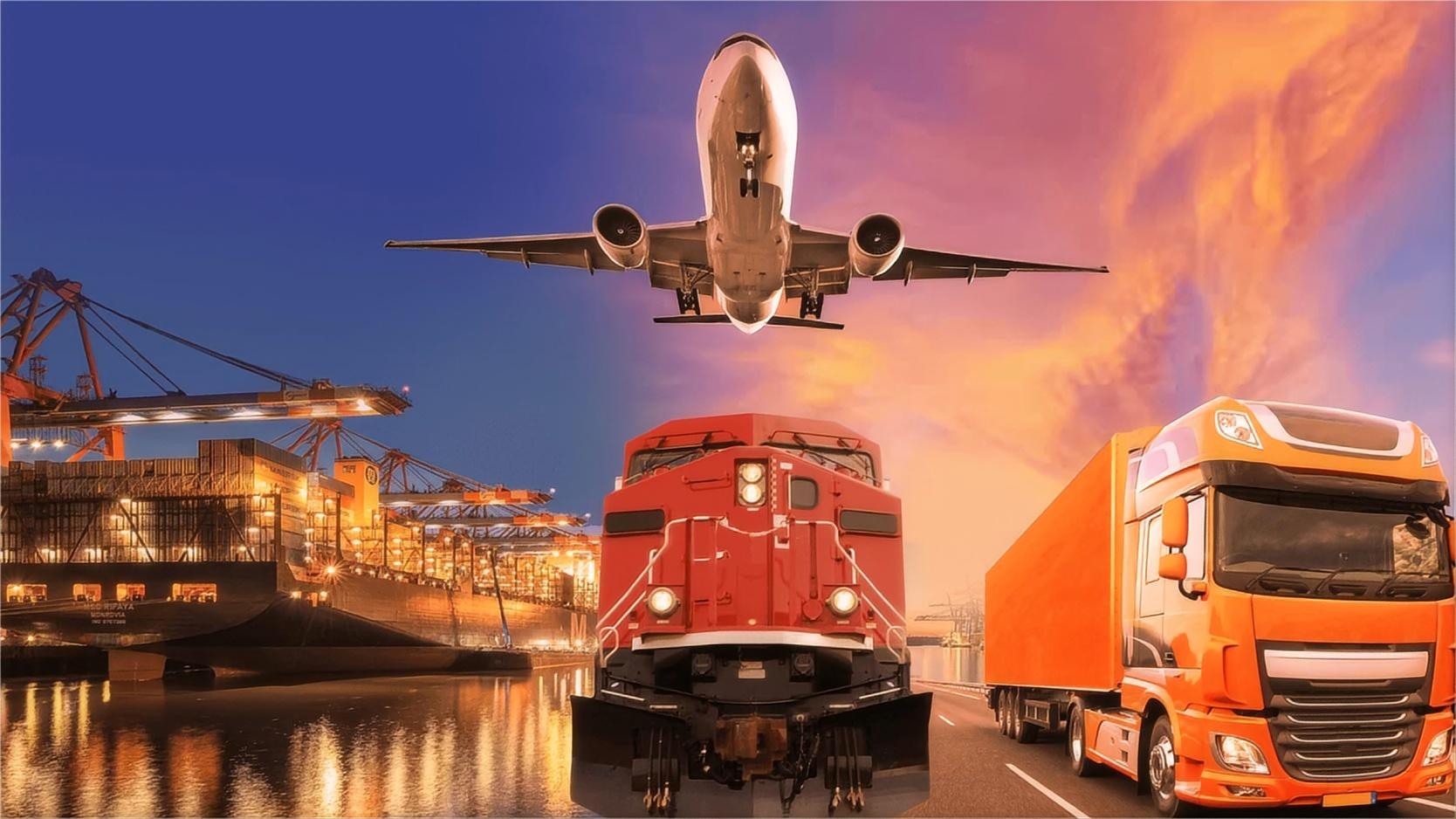
While sea freight is ideal for bulky items, air freight provides the speed necessary for high-value or time-sensitive electronics and fashion items. Meanwhile, rail freight offers a middle ground, providing faster speeds than the ocean at a lower cost than air transport.
In addition, market data from early 2026 suggests that sea freight rates have stabilized, although they remain sensitive to fuel surcharges and seasonal demand. Below is a detailed comparison of the primary shipping methods available for the China to Spain route.
| Shipping Method | Cost Range | Transit Time | Best For | Limitations |
|---|---|---|---|---|
| Sea Freight (FCL) | $3,000 to $4,500 | 30 to 45 Days | Bulk goods and large volumes | Longest transit time |
| Air Freight | $5.50 to $9.00 per kg | 5 to 8 Days | High-value or urgent cargo | Highest price point |
| Rail Freight | $150 to $250 per CBM | 18 to 24 Days | Mid-sized industrial goods | Subject to border delays |
| Express Service | $8.00 to $12.00 per kg | 3 to 5 Days | Small parcels and samples | Strict weight limits |
Transit Times and Delivery Schedules for 2026
Transit times for shipping from China to Spain vary greatly depending on the chosen mode of transport and the specific ports involved. For instance, a direct sea route from Shenzhen to Barcelona typically takes fewer days than a route involving transshipment in Singapore or Algeciras.
Additionally, express service providers like DHL or FedEx can deliver small packages in as little as three business days. Nevertheless, most commercial importers prefer the balance of speed and cost offered by rail or sea transport for their regular inventory replenishment.
As of 2026, the average transit time for rail freight via the Silk Road route has improved due to better infrastructure at the border crossings. Consequently, many Spanish retailers are shifting their mid-season collections to rail to avoid the lengthy ocean voyage around the Cape of Good Hope.
| Origin City | Destination City | Method | Average Transit Time |
|---|---|---|---|
| Shanghai | Barcelona | Sea Freight | 32 to 35 Days |
| Ningbo | Valencia | Sea Freight | 34 to 38 Days |
| Shenzhen | Madrid | Rail Freight | 20 to 22 Days |
| Guangzhou | Madrid | Air Freight | 5 to 7 Days |
Understanding 2026 Shipping Costs and Pricing Factors
Shipping costs for door to door delivery are influenced by several variables including fuel prices, container availability, and seasonal peaks. During the 2026 peak season, which typically runs from August to October, rates can increase by 20 percent or more as demand for holiday inventory surges.
Furthermore, utilizing air freight for lightweight but high-value items can sometimes be more economical than sea freight when considering the reduced need for high inventory levels and warehousing. On the other hand, heavy machinery and raw materials almost always require the lower per-unit cost of ocean transport.
Indeed, it is essential to request a comprehensive quote that includes all potential surcharges such as the Bunker Adjustment Factor (BAF) or Currency Adjustment Factor (CAF). Note: Freight rates are subject to change based on fuel costs, carrier capacity, and seasonal demand. Contact us for a current quote tailored to your specific shipment.
Customs Clearance and Documentation for Spain
Importing goods into Spain requires meticulous attention to documentation to avoid costly delays at the border. Specifically, the Spanish Customs Agency requires a Commercial Invoice, a Detailed Packing List, and a Bill of Lading or Air Waybill for every shipment.
Moreover, engaging a professional customs brokerage service is highly recommended to navigate the complexities of VAT (Value Added Tax) and EORI (Economic Operators Registration and Identification) numbers. Without a valid EORI number, your goods cannot be cleared for entry into the European Union.
Additionally, certain products such as electronics or medical devices may require CE marking or specific health certificates. Therefore, verifying the compliance of your products before they leave the factory in China is a critical step in the door to door process.
| Document Name | Responsible Party | Purpose | Requirement Level |
|---|---|---|---|
| Commercial Invoice | Supplier | Valuation and tax calculation | Mandatory |
| Packing List | Supplier | Details of cargo contents | Mandatory |
| Certificate of Origin | Supplier | Proof of manufacturing location | Highly Recommended |
| Bill of Lading | Carrier | Title to the goods | Mandatory |
Which Option Should You Choose?
Selecting the right shipping method depends entirely on your specific business priorities regarding budget, speed, and cargo type. For example, if your primary goal is to minimize costs and you have a flexible timeline, sea freight is the logical choice for large volumes.
Alternatively, if you are shipping high-value electronics that need to reach the market before a competitor, air freight is the only viable option despite the higher cost. For businesses looking for a balance, rail freight provides a competitive alternative that is faster than sea and cheaper than air.
Volume thresholds also play a role; for shipments under 15 CBM, Less than Container Load (LCL) is usually more economical than a Full Container Load (FCL). However, once your volume exceeds 15-20 CBM, booking a 20-foot container often becomes the more cost-effective strategy.
Realistic Case Studies for Shipping to Spain
Reviewing real-world examples can provide valuable insights into the practical aspects of international logistics. These cases reflect typical scenarios encountered by importers in the 2025 to 2026 period, highlighting the costs and timelines involved in successful deliveries.
Case Study 1: Electronics Distribution to Madrid. Route: Shenzhen, China to Madrid, Spain. Cargo: Consumer Electronics, 68 CBM, 12,000 kg. Container: 40HQ. Shipping Details: Carrier: Major carrier via Valencia. Port of Loading: Shenzhen. Port of Discharge: Valencia. Route Type: Direct. Cost Breakdown: Ocean Freight: $4,200. Origin Charges: $450. Destination Charges: $600. Customs and Duties: $1,200. Total Landed Cost: $6,450. Timeline: Booking to Loading: 4 days. Sea Transit: 32 days. Customs Clearance: 2 days. Total Door-to-Door: 38 days. Key Insight: Using a 40HQ container maximized volume efficiency for lightweight electronics.
Case Study 2: Fashion Apparel for Barcelona Retailer. Route: Shanghai, China to Barcelona, Spain. Cargo: Seasonal Apparel, 8 CBM, 1,500 kg. Container: LCL. Shipping Details: Carrier: Major consolidator. Port of Loading: Shanghai. Port of Discharge: Barcelona. Route Type: Transshipment via Singapore. Cost Breakdown: Ocean Freight: $720. Origin Charges: $200. Destination Charges: $350. Customs and Duties: $800. Total Landed Cost: $2,070. Timeline: Booking to Loading: 3 days. Sea Transit: 38 days. Customs Clearance: 3 days. Total Door-to-Door: 44 days. Key Insight: LCL allowed the retailer to maintain stock levels without the cost of a full container.
Case Study 3: Urgent Industrial Spare Parts. Route: Guangzhou, China to Bilbao, Spain. Cargo: Machine Parts, 2 CBM, 450 kg. Method: Air Freight. Shipping Details: Carrier: Major airline. Port of Loading: Guangzhou. Port of Discharge: Madrid Barajas. Route Type: Direct. Cost Breakdown: Air Freight: $3,150. Origin Charges: $150. Destination Charges: $200. Customs and Duties: $500. Total Landed Cost: $4,000. Timeline: Booking to Loading: 1 day. Air Transit: 2 days. Customs Clearance: 1 day. Total Door-to-Door: 4 days. Key Insight: Air freight was essential to prevent a factory shutdown despite the higher freight cost.
Final Thoughts on Shipping to Spain
Navigating the complexities of door to door shipping China to Spain requires a strategic approach that balances cost, speed, and reliability. By understanding the differences between sea, air, and rail freight, you can make informed decisions that support your business growth in 2026.
Effective planning, accurate documentation, and choosing the right logistics partner remain the cornerstones of a successful import operation. Whether you are shipping small parcels or full containers, staying updated on market trends and regulatory changes will ensure your supply chain remains resilient and competitive.
Ready to streamline your logistics?
Streamline your international logistics today by choosing a reliable partner for your door to door shipping China to Spain needs. Our expert team provides tailored solutions that ensure your cargo reaches its destination safely and efficiently. Contact us now to receive a competitive quote and experience hassle-free shipping for your business.
Frequently Asked Questions
How long does door to door shipping from China to Spain take?
Transit times vary by method. Sea freight takes 30 to 45 days, rail freight takes 18 to 24 days, and air freight takes 5 to 8 days. Final delivery adds 2 to 5 days.
What are the estimated costs for a 40ft container in 2026?
A 40HQ container typically costs between $3,500 and $4,500 for ocean freight. This excludes local charges, duties, and final delivery fees.
Do I need a Spanish VAT number to import goods?
Yes, you need a valid Spanish VAT number and an EORI number to clear customs and pay the required import taxes in Spain.
Is rail freight a reliable alternative to sea freight?
Rail freight is highly reliable and faster than sea freight. It is an excellent middle-ground option for industrial goods and retail inventory.
What is the difference between DDP and DAP?
Under DDP, the seller pays all duties and taxes. Under DAP, the buyer is responsible for paying import duties and VAT upon arrival in Spain.
Can I ship small volumes via door to door service?
Absolutely. Less than Container Load (LCL) and express services are designed specifically for smaller shipments that do not require a full container.
Which Spanish ports are most commonly used for imports?
Barcelona and Valencia are the primary ports for Mediterranean arrivals, while Algeciras and Bilbao serve as major hubs for other regions.
Are there seasonal price fluctuations for this route?
Yes, rates often increase by 15 to 25 percent during the peak season from August to October and before the Chinese New Year.