

Shipping Rates China to Netherlands: 2026 Freight Cost Guide
Navigating the complexities of international trade requires a clear understanding of current shipping rates China to Netherlands. As of early 2026, market fluctuations continue to influence how businesses manage their global supply chains. Consequently, finding a reliable partner is essential for maintaining profitability in a competitive landscape. Visit AI Logistics China to get a tailored quote that meets your specific budget and timeline requirements today.
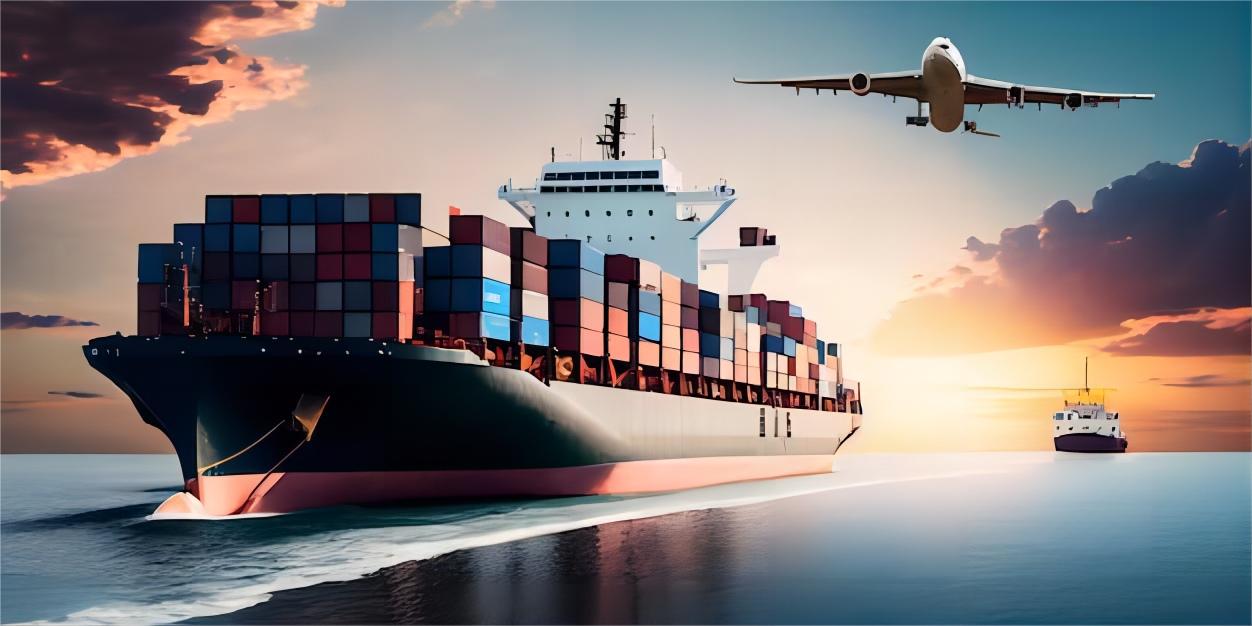
How Does Sea Freight Compare to Other Shipping Options?
Choosing the right logistics strategy depends heavily on your specific cargo volume and urgency. For instance, while sea freight offers the lowest cost for bulk items, it requires the longest lead time in your planning cycle. On the other hand, air freight provides unmatched speed but comes with a significantly higher price tag per kilogram.
Moreover, rail freight has emerged as a balanced alternative for businesses seeking a middle ground between speed and expense. Indeed, the choice between these methods will directly impact your total landed cost and inventory turnover rates. Therefore, analyzing all viable alternatives is the first step toward optimizing your shipping budget in 2026.
Additionally, businesses often look for hybrid solutions to mitigate risks associated with port congestion or equipment shortages. For example, combining different transport modes can sometimes offer a more resilient supply chain during peak seasons. As a result, understanding the trade-offs of each method is crucial for long-term success.
| Shipping Method | Cost Range | Transit Time | Best For |
|---|---|---|---|
| Sea Freight | $1,800 – $4,200 | 30-40 Days | Large volumes, heavy goods |
| Air Freight | $4.50 – $9.00/kg | 3-7 Days | Urgent, high-value items |
| Rail Freight | $2,200 – $3,500 | 18-24 Days | Time-sensitive bulk |
| Express Service | $8.00 – $15.00/kg | 2-5 Days | Small parcels, samples |
Understanding Sea Freight Rates China to Netherlands
In the current market of 2026, sea freight remains the most popular choice for transporting goods to the Netherlands. This is primarily due to its ability to handle massive quantities of cargo at a relatively low unit price. However, shippers must decide between Full Container Load (FCL) and Less than Container Load (LCL) based on their specific needs.
Furthermore, FCL shipping is generally more cost-effective if you have enough goods to fill at least 70% of a 20ft or 40ft container. In contrast, LCL allows you to pay only for the space you use, which is ideal for smaller shipments under 15 cubic meters. Consequently, calculating the break-even point between these two options is vital for cost management.
Meanwhile, port charges at major hubs like Shanghai or Ningbo and discharge fees in Rotterdam must be factored into your final budget. Nevertheless, sea freight continues to offer the most stable pricing compared to the volatile nature of air cargo markets. Accordingly, many importers prioritize this method for non-urgent inventory replenishment.
| Container Type | 20GP Rate | 40GP Rate | 40HQ Rate |
|---|---|---|---|
| Standard Dry | $1,950 – $2,400 | $3,100 – $3,800 | $3,450 – $4,100 |
| Reefer (Chilled) | $2,800 – $3,500 | $4,500 – $5,200 | $4,900 – $5,800 |
| Open Top | $2,400 – $3,000 | $3,800 – $4,600 | $4,100 – $5,000 |
FCL vs LCL: Which is More Economical?
Deciding between FCL and LCL involves more than just comparing simple freight rates. For example, LCL shipments often incur higher handling fees at the destination because the cargo must be deconsolidated. Therefore, even if the base rate seems lower, the total door-to-door cost might be higher for small LCL loads.
Without a doubt, FCL provides better security and faster processing times since the container is not opened until it reaches your warehouse. For shipments exceeding 15 CBM, a 20GP container is almost always the more economical choice. To summarize, always request a comprehensive quote that includes all local charges to avoid surprises.
Air Freight: Speed vs Cost Analysis
When time is the most critical factor, Air Freight is the only viable solution for China to Netherlands routes. Specifically, high-value electronics, fashion items, and perishable goods often travel via air to minimize time-to-market. Additionally, the security levels at airports are significantly higher than at seaports, reducing the risk of theft.
However, the cost of air transport is calculated based on either actual weight or volumetric weight, whichever is greater. As a result, shipping lightweight but bulky items can become prohibitively expensive if not packaged efficiently. For instance, optimizing your packaging can lead to substantial savings on your total shipping bill.
Moreover, air freight rates often fluctuate weekly based on fuel prices and seasonal demand spikes, such as the pre-holiday rush. Consequently, booking your space at least two weeks in advance is recommended during peak periods in 2026. Indeed, while expensive, the agility provided by air transport can be a competitive advantage for your business.
Rail Freight: The Strategic Alternative for 2026
For many European importers, rail freight has become a cornerstone of their logistics strategy. This method utilizes the extensive rail networks connecting major Chinese manufacturing hubs to European terminals like Tilburg or Duisburg. Furthermore, it offers a transit time of approximately 18 to 24 days, which is nearly twice as fast as sea freight.
In addition, rail transport is generally considered more environmentally friendly than air or road transport, aligning with many corporate sustainability goals. On the other hand, the cost is typically 30% to 50% lower than air freight for the same volume of goods. Therefore, it serves as an excellent ‘Plan B’ when sea freight is too slow and air freight is too costly.
Meanwhile, rail freight is particularly suitable for automotive parts, machinery, and consumer electronics that require a consistent delivery schedule. Nevertheless, it is important to monitor geopolitical developments that may affect certain rail corridors. Accordingly, staying informed about route availability is essential for maintaining a smooth supply chain.
Which Option Should You Choose?
Selecting the optimal shipping method requires a careful evaluation of your business priorities and cargo characteristics. If your primary goal is cost reduction and you have a flexible timeline, sea freight is undoubtedly the best choice. For instance, seasonal products ordered months in advance are perfect candidates for ocean transport.
In contrast, if you are dealing with a stockout or a product launch, air freight provides the necessary speed to meet customer demand. Moreover, rail freight should be your go-to option for consistent, mid-value shipments that need to arrive faster than a ship but cheaper than a plane. As a result, many successful companies use a mix of all three methods to balance cost and speed.
Furthermore, consider the nature of your cargo; hazardous materials or extremely oversized items may have limited options. Consequently, consulting with a professional freight forwarder can help you navigate these technical requirements. Indeed, a well-rounded logistics plan is the foundation of a resilient international business.
Decision Framework Criteria
Budget priority: Recommend Sea Freight (FCL) for maximum savings on large volumes.
Speed priority: Recommend Air Freight or Express Service for 3-7 day delivery.
Volume thresholds: For shipments between 2 CBM and 10 CBM, consider Rail LCL as a cost-effective alternative to Air.
Cargo type: Perishables must go via Air or Reefer containers, while heavy machinery is best suited for Sea Freight.
Real World Logistics Case Studies
Examining real-world examples can provide valuable insights into how shipping rates China to Netherlands are applied in practice. These cases reflect actual market conditions observed in early 2026 and highlight the various factors that influence the final landed cost. Furthermore, they demonstrate how different shipping methods solve specific business challenges.
Case Study 1: Large Scale Machinery Import
Route: Shanghai, China to Rotterdam, Netherlands
Cargo: Industrial CNC Machinery, 28 CBM, 12,000 kg
Container: 40GP Full Container Load
Shipping Details: Major carrier, Direct route
Cost Breakdown: Ocean Freight $3,200; Origin Charges $450; Destination Charges $600; Total Landed Cost $4,250
Timeline: 36 Days Door-to-Door
Key Insight: Using FCL for a single large machine was 40% cheaper than LCL due to high handling fees for heavy items.
Case Study 2: Urgent Electronics Shipment
Route: Shenzhen, China to Amsterdam, Netherlands
Cargo: High-end Tablets, 2 CBM, 450 kg
Shipping Method: Air Freight Premium
Cost Breakdown: Air Freight $3,150 ($7.00/kg); Customs Brokerage $150; Total Landed Cost $3,300
Timeline: 5 Days Door-to-Door
Key Insight: Rapid transit allowed the client to meet a product launch deadline despite manufacturing delays.
Case Study 3: Mid-Range Consumer Goods
Route: Wuhan, China to Tilburg, Netherlands
Cargo: Home Decor Items, 8 CBM, 1,500 kg
Shipping Method: Rail Freight LCL
Cost Breakdown: Rail Freight $1,850; Destination Handling $400; Total Landed Cost $2,250
Timeline: 21 Days Door-to-Door
Key Insight: Rail provided a 15-day time saving over sea freight at only 25% of the cost of air freight.
Customs Clearance and Documentation in the Netherlands
Successfully navigating customs brokerage is a critical component of the shipping process. The Netherlands is known for its efficient customs procedures, yet strict compliance with EU regulations is mandatory. For example, ensuring your EORI number is active and your HS codes are accurate will prevent costly delays at the border.
Additionally, you must prepare a complete set of documents, including the commercial invoice, packing list, and bill of lading. In addition, certain products may require specific certificates, such as CE marking for electronics or phytosanitary certificates for organic goods. Consequently, working with an experienced broker can streamline this complex phase of your logistics journey.
Moreover, many importers choose door to door services to simplify the entire process. This approach includes customs clearance and final delivery to your warehouse, providing a seamless experience from start to finish. As a result, you can focus on your core business while experts handle the regulatory hurdles.
| Document Name | Purpose | Required By | Format |
|---|---|---|---|
| Commercial Invoice | Value declaration | Customs | Digital/Paper |
| Packing List | Content details | Warehouse/Customs | Digital/Paper |
| Bill of Lading | Title to goods | Carrier | Original/Telex |
| Certificate of Origin | Duty preference | Customs | Official Form |
Mastering Your Shipping Strategy for 2026
To summarize, understanding the various factors that influence shipping rates China to Netherlands allows you to make informed decisions for your business. By comparing sea, air, and rail options, you can find the perfect balance between cost and delivery speed. Additionally, staying updated on market trends and customs requirements will help you avoid unexpected expenses.
Indeed, the logistics landscape is constantly evolving, making professional guidance more valuable than ever. Therefore, choosing a partner who understands the nuances of the China-Netherlands route is a strategic investment. Without a doubt, a well-managed supply chain is a primary driver of long-term profitability and customer satisfaction.
Start Your Shipment
Optimizing your shipping rates China to Netherlands is essential for maintaining a competitive edge in 2026. Whether you need the speed of air or the economy of sea freight, our team is ready to provide a customized solution for your cargo. Contact us today to receive a comprehensive freight quote and streamline your international logistics. Send Inquiry link: Visit https://ailogisticschina.com/ to get started.
Frequently Asked Questions
What is the cheapest shipping method from China to Netherlands?
How long does sea freight take from China to Rotterdam?
Are there hidden costs in China to Netherlands shipping?
Is rail freight faster than sea freight for this route?
What documents are needed for Dutch customs clearance?
Can I ship small parcels via express service?
How are air freight charges calculated?
Does the time of year affect shipping rates?