

Freight Forwarder China to Mexico: Your 2026 Shipping Guide
Selecting a reliable freight forwarder China to Mexico is the most critical step for businesses aiming to optimize their international supply chain in 2026. Navigating the complexities of trans-Pacific logistics requires deep expertise in both Chinese export regulations and Mexican import requirements. Consequently, importers must balance speed, cost, and safety when moving cargo across these vast distances. This comprehensive guide provides the necessary insights to streamline your shipping process and reduce overhead expenses efficiently.

What Are the Main Shipping Methods from China to Mexico?
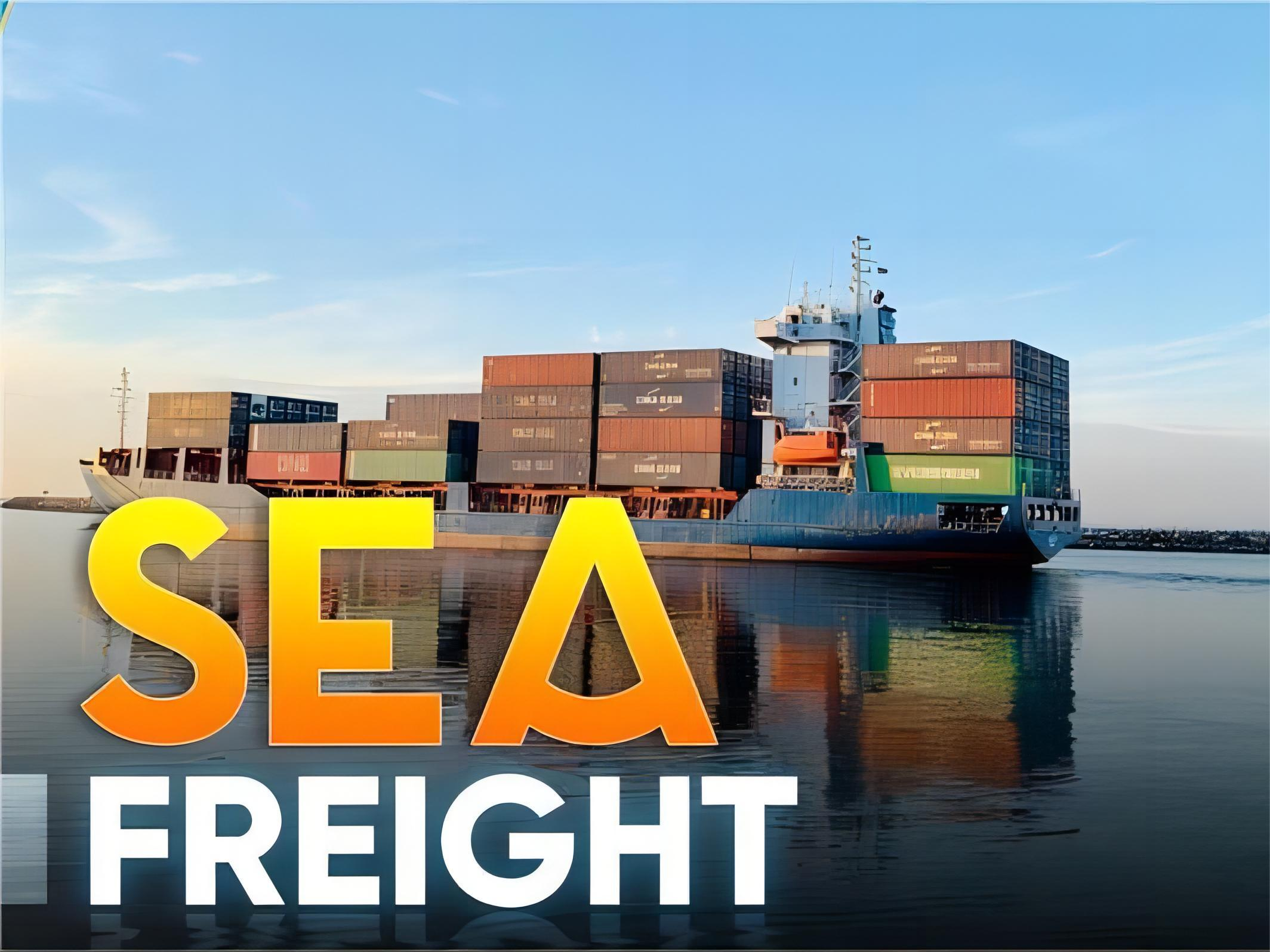
Shipping options primarily consist of ocean freight and air cargo, each serving distinct business needs based on volume and urgency. Most high-volume importers prefer sea freight due to its cost-effectiveness for bulky items and large inventories. Moreover, ocean transport remains the backbone of trade between Shenzhen and Manzanillo, offering reliable weekly schedules for various container types.
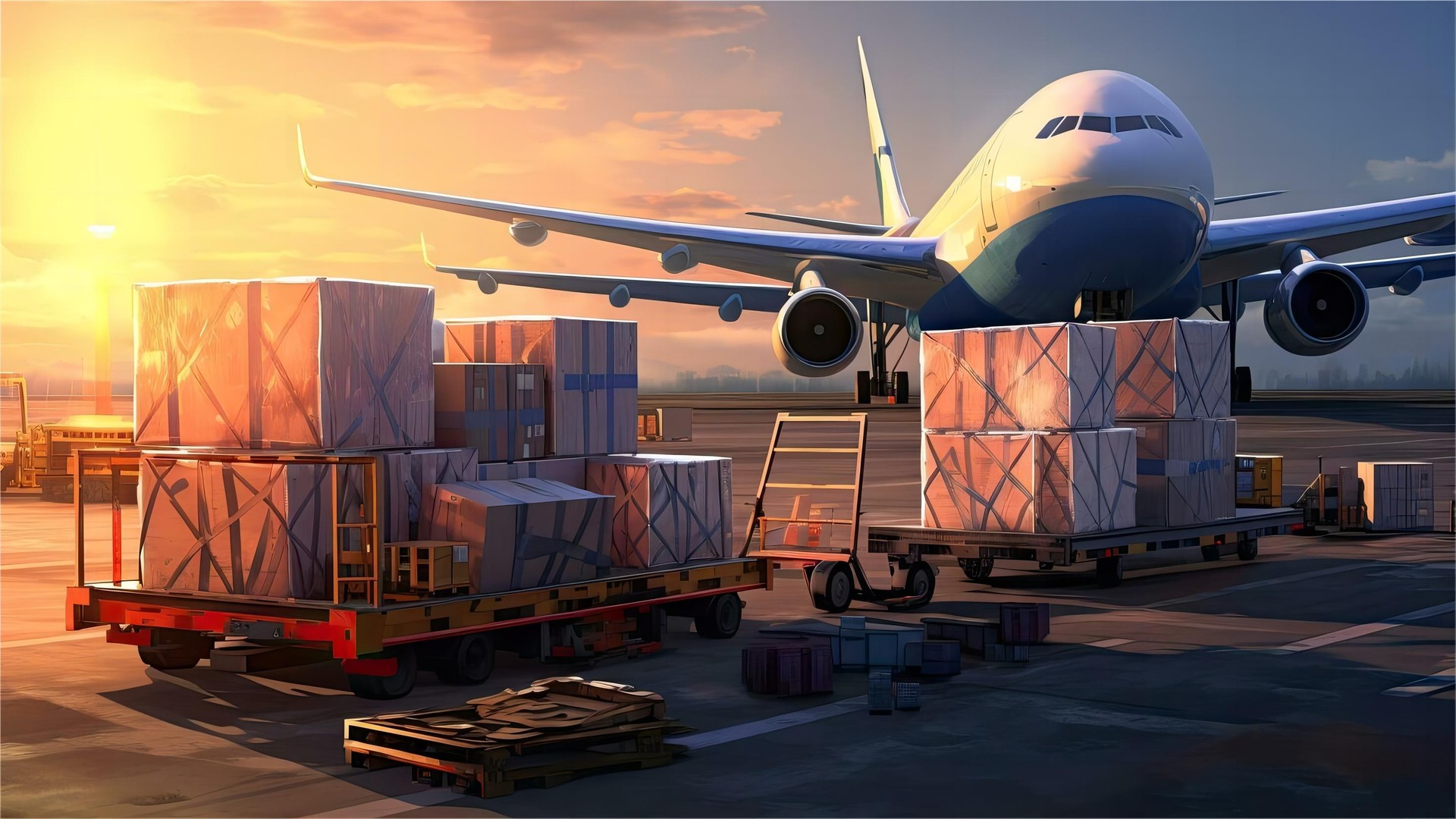
Air transport serves as the primary alternative for time-sensitive goods or high-value electronics that require rapid turnover. Indeed, while the cost per kilogram is significantly higher, the reduction in transit time can justify the expense for critical supply chain gaps. Furthermore, businesses often utilize a mix of these methods to maintain a flexible and resilient inventory management strategy throughout the year.
Express services provide a third option for smaller parcels and samples that need to bypass traditional port congestion. These courier solutions integrate international transport with local delivery, ensuring that documents or prototypes reach their destination within days. Consequently, understanding the trade-offs between these methods is essential for maintaining a competitive edge in the Mexican market.
How Does Sea Freight Compare to Other Shipping Options?
Ocean freight offers unparalleled capacity for moving massive quantities of goods across the Pacific Ocean at a fraction of the cost of air travel. Specifically, for shipments exceeding 500 kilograms, sea transport becomes the most economical choice for almost every product category. On the other hand, the transit time is considerably longer, requiring businesses to plan their inventory cycles several months in advance.
Direct routes from major Chinese ports like Shanghai or Ningbo typically reach Mexican Pacific ports within 20 to 30 days. In contrast, transshipment routes via intermediate hubs might take up to 45 days but often provide lower freight rates for non-urgent cargo. Therefore, shippers must decide whether the time savings of a direct vessel are worth the additional premium charged by carriers.
Hybrid solutions, such as sea-air combinations, have gained popularity in early 2026 as a way to balance costs and speed. These strategies involve shipping goods by sea to a mid-point and then flying them to Mexico to avoid port bottlenecks. Nevertheless, traditional sea freight remains the dominant choice for the majority of industrial and consumer goods entering the country.
| Shipping Method | Cost Range | Transit Time | Best For |
|---|---|---|---|
| Sea Freight (FCL) | $2,800 – $4,800 | 25-35 Days | Bulk Inventory |
| Sea Freight (LCL) | $60 – $110/CBM | 30-40 Days | Small Shipments |
| Air Freight | $5.50 – $11.00/kg | 4-8 Days | High-Value Goods |
| Express Service | $8.50 – $14.00/kg | 3-6 Days | Urgent Samples |
Why Choose Air Freight for Your Mexico Shipments?
Urgent logistics requirements often necessitate the use of air freight to meet tight production deadlines or seasonal market demands. For instance, the fashion and automotive sectors frequently rely on air transport to move components that are needed immediately on the assembly line. Additionally, air cargo provides a higher level of security and reduced handling, which minimizes the risk of damage for fragile items.
Standard air freight services utilize commercial or cargo-only aircraft to transport goods from hubs like Beijing or Guangzhou to Mexico City. Meanwhile, premium air services offer guaranteed space and faster processing times at both origin and destination airports. As a result, companies can reduce their safety stock levels and improve their overall cash flow by shortening the lead time.
Market data from early 2026 suggests that air freight rates have stabilized after the fluctuations seen in previous years. However, fuel surcharges and seasonal peaks during the fourth quarter can still cause sudden price increases for unplanned shipments. Accordingly, booking your air cargo space at least two weeks in advance is highly recommended to secure the best possible rates.

Understanding the Door to Door Shipping Process
Comprehensive door to door services simplify the entire logistics chain by handling every step from the factory floor to the final warehouse. This model eliminates the need for the importer to manage multiple contractors, as the freight forwarder takes full responsibility for the cargo. Furthermore, it provides a single point of contact, which significantly improves communication and reduces the likelihood of logistical errors.
The process begins with the collection of goods from the supplier in China, followed by export documentation and inland trucking to the port. Subsequently, the forwarder manages the international transit and the complex customs entry process upon arrival in Mexico. Finally, the goods are delivered via local transport to the specified address, whether it is a retail store or a distribution center.
Many e-commerce sellers also utilize Amazon FBA logistics to streamline their Mexican operations. This specialized service ensures that products meet Amazon’s strict labeling and packaging requirements before they reach the fulfillment center. Consequently, sellers can focus on marketing their products while the logistics provider handles the heavy lifting of international transport.
Customs Brokerage and Import Regulations in Mexico
Navigating Mexican customs requires a professional customs brokerage partner who understands the local legal framework and tax structures. Mexico has specific requirements, such as the Padron de Importadores, which is a mandatory registry for all companies importing goods into the country. Moreover, certain products must comply with Official Mexican Standards, known as NOMs, to ensure safety and quality compliance.
Incorrect documentation can lead to significant delays, heavy fines, or even the seizure of goods by the authorities. Therefore, ensuring that the commercial invoice, packing list, and certificate of origin are accurately prepared is a top priority for any successful importer. Additionally, the calculation of the Value Added Tax and General Import Tax must be precise to avoid financial discrepancies during the audit process.
Experienced brokers also assist in identifying applicable trade agreements that may reduce or eliminate duties for specific product categories. For example, understanding the nuances of the various treaties can provide a significant cost advantage over competitors who pay standard duty rates. Indeed, a proactive approach to customs compliance is the best way to ensure a smooth transition through the port of entry.
What Is the Estimated Transit Time from China to Mexico?
Transit times vary significantly depending on the chosen port of loading in China and the specific destination port in Mexico. Generally, shipments from Southern China ports like Shenzhen or Guangzhou reach Manzanillo faster than those departing from Northern ports like Tianjin. Furthermore, weather conditions and seasonal port congestion can add several days to the estimated arrival dates provided by carriers.
Typical sea transit from Shanghai to Manzanillo takes approximately 22 to 28 days for direct services. In contrast, shipping to the Gulf of Mexico ports like Veracruz or Altamira requires transit through the Panama Canal, extending the journey to 35 or 40 days. Consequently, businesses located in Central or Eastern Mexico must account for these longer durations when planning their supply chain schedules.
Air freight transit times are much more consistent, usually ranging from 3 to 7 days including ground handling and customs clearance. However, during peak seasons like the weeks leading up to the Lunar New Year, airport backlogs can extend this period by a few days. Therefore, it is always wise to include a small buffer in your delivery estimates to account for unforeseen logistical challenges.
| Origin Port (China) | Destination Port (Mexico) | Service Type | Transit Time |
|---|---|---|---|
| Shanghai | Manzanillo | Direct Sea | 22-26 Days |
| Shenzhen | Lazaro Cardenas | Direct Sea | 24-28 Days |
| Ningbo | Ensenada | Direct Sea | 18-22 Days |
| Guangzhou | Veracruz | Via Panama Canal | 35-42 Days |
Real-World Case Studies for 2026 Shipping
Case Study 1: High-Volume Electronics Distribution. Route: Shenzhen to Manzanillo. Cargo: Consumer Electronics, 68 CBM. Container: 40HQ. Shipping Details: Direct ocean service via major carrier. Cost Breakdown: Ocean freight $3,950, Origin charges $450, Destination charges $600, Customs $1,200. Timeline: 28 days door-to-door. Key Insight: Early booking during the Q3 peak season saved the client 15 percent on freight costs.
Case Study 2: Urgent Automotive Components. Route: Shanghai to Mexico City. Cargo: Auto Parts, 1,200 kg. Method: Air Freight. Shipping Details: Standard air cargo with priority handling. Cost Breakdown: Air freight $8,400, Customs clearance $350, Local delivery $200. Timeline: 6 days door-to-door. Key Insight: Using air freight prevented a production line shutdown that would have cost the client thousands per hour.
Case Study 3: Small Business Expansion. Route: Ningbo to Guadalajara. Cargo: Home Decor, 8 CBM. Method: LCL Sea Freight. Shipping Details: Consolidation service with door delivery. Cost Breakdown: Ocean freight $720, Documentation $250, Delivery $300. Timeline: 38 days door-to-door. Key Insight: LCL allowed the business to test the Mexican market without committing to a full container of inventory.
Which Option Should You Choose? Decision Framework
Choosing the right shipping method depends on a careful analysis of your budget, timeline, and cargo characteristics. If your primary goal is to minimize expenditure and you have a flexible schedule, sea freight is undoubtedly the superior choice. However, if you are launching a new product or responding to an unexpected surge in demand, the speed of air freight becomes indispensable.
Volume thresholds also play a major role in the decision-making process for most international traders. For shipments smaller than 15 CBM, LCL sea freight or express service often provides the best value. Conversely, once your volume reaches a certain point, upgrading to a 20GP or 40GP container offers much better economies of scale and security.
Finally, consider the nature of the cargo itself, as some items are better suited for specific transport modes. Fragile or perishable goods often require the shorter transit times and controlled environments found in air transport. Meanwhile, heavy industrial machinery and raw materials are almost always moved via ocean vessels to keep the landed cost within a profitable range.
Final Thoughts on Shipping from China to Mexico
Successfully importing goods requires a strategic partnership with a knowledgeable freight forwarder China to Mexico. By understanding the differences between sea and air freight, and preparing for the complexities of Mexican customs, you can ensure your cargo arrives safely and on time. Furthermore, staying informed about market trends and transit times will help you make better financial decisions for your company.
As we move through 2026, flexibility and planning remain the keys to navigating the global logistics landscape. Whether you are shipping full containers or small express parcels, choosing the right method will protect your margins and support your business growth in the competitive Mexican market.

Need a tailored shipping solution?
Streamline your supply chain today with an expert freight forwarder China to Mexico. Contact our team for a personalized quote and professional logistics advice tailored to your 2026 business goals. Visit our inquiry page to get started. Send Inquiry: