
Shipping from China to Italy: 2026 Logistics and Cost Guide
Shipping from China to Italy serves as a vital artery for European businesses seeking high-quality manufacturing and reliable supply chains. Navigating the complexities of international logistics requires a deep understanding of current market trends and regulatory requirements. At AI Logistics China, we provide the expertise needed to streamline your imports and reduce overhead costs in the 2026 market environment. This guide explores the most efficient methods to move your cargo while ensuring compliance and speed.
What are the Primary Methods for Shipping from China to Italy?
Choosing the right transportation mode depends heavily on your specific budget, timeline, and cargo volume. Currently, in 2026, businesses can select between ocean, air, and rail transport, each offering distinct advantages for different supply chain needs. Ocean freight remains the standard for bulk goods, while air freight caters to high-value or time-sensitive inventory.
Moreover, rail freight has emerged as a powerful alternative for those seeking a balance between cost and speed. Understanding these options allows you to optimize your landing costs and maintain a competitive edge in the Italian market. Consequently, many importers now utilize a mix of these services to manage their inventory flow effectively.
The Role of Freight Forwarders in 2026
Professional freight forwarders act as essential partners by managing the entire logistics chain from origin to destination. They handle carrier negotiations, documentation, and local trucking, which significantly reduces the risk of delays. Indeed, having a partner who understands both Chinese export laws and Italian import regulations is invaluable for modern trade.
Sea Freight: The Most Economical Solution for Large Volumes
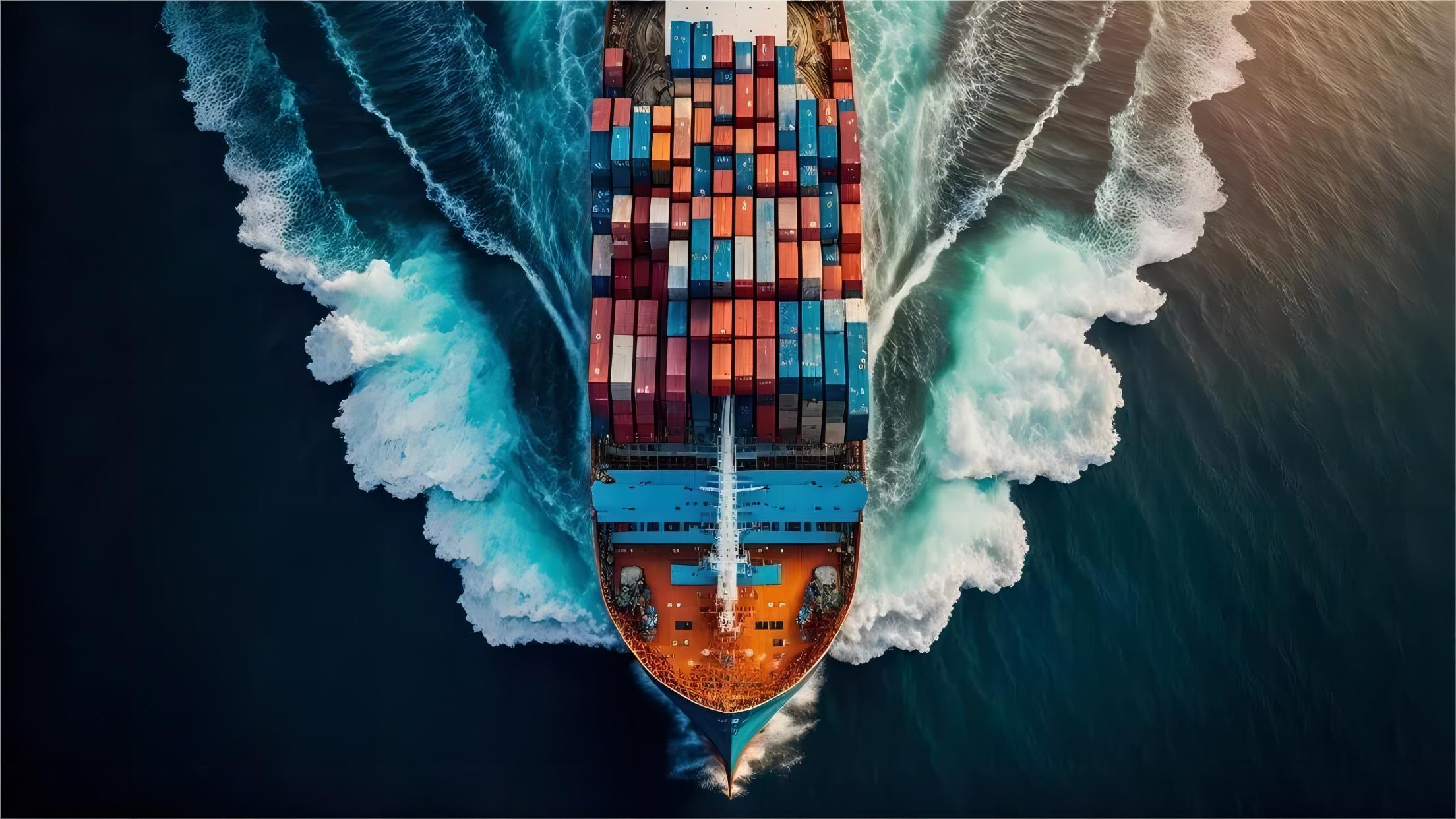
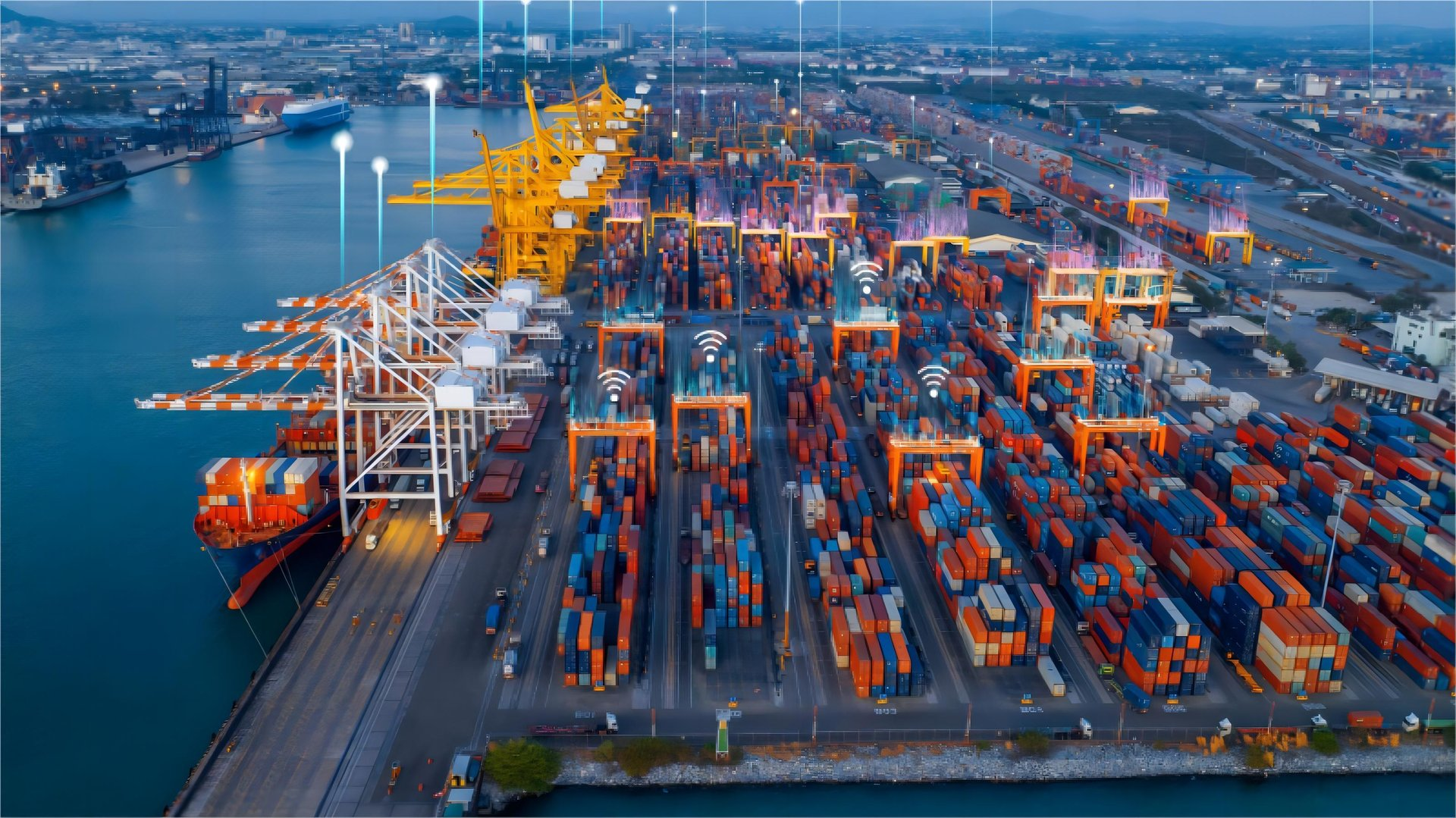
Ocean transport continues to be the backbone of global trade, especially for heavy machinery, textiles, and consumer electronics. For businesses moving large quantities, sea freight offers the lowest per-unit cost available. You can choose between Full Container Load (FCL) for large shipments or Less than Container Load (LCL) for smaller volumes.
Typically, major Italian ports like Genoa, Trieste, and Naples receive direct shipments from Chinese hubs such as Shanghai and Shenzhen. Although transit times are longer than other methods, the massive capacity of modern container ships ensures that even the largest orders arrive safely. Therefore, planning your inventory cycles in advance is crucial when relying on sea transport.
| Shanghai to Genoa | 20GP FCL | 32-38 Days | $2,100 – $2,600 |
| Shenzhen to Trieste | 40HQ FCL | 30-35 Days | $3,200 – $4,100 |
| Ningbo to Naples | LCL (per CBM) | 35-42 Days | $65 – $95 |
| Qingdao to Venice | 20GP FCL | 38-45 Days | $2,300 – $2,800 |
Air Freight: Speed and Reliability for Urgent Cargo
When time is the most critical factor, air freight provides the fastest connection between Chinese manufacturing hubs and Italian cities. This method is ideal for electronics, fashion samples, and perishable goods that cannot withstand long transit times. Furthermore, air transport offers enhanced security and lower insurance premiums due to reduced handling time.
Most shipments land at Milan Malpensa (MXP) or Rome Fiumicino (FCO) airports, where they undergo rapid customs processing. While the cost per kilogram is higher than sea freight, the reduction in inventory holding costs often justifies the investment. Indeed, many luxury Italian brands rely on air cargo to keep their retail shelves stocked with the latest trends from China.
Express Service for Small Packages
For shipments weighing less than 100kg, an express service is often the most practical choice. These courier services provide end-to-end tracking and expedited customs clearance, ensuring delivery within 3 to 5 business days. Consequently, it remains the preferred option for e-commerce sellers and urgent document transfers.
Rail Freight: The Middle Ground for Modern Logistics
The expansion of the New Silk Road has made rail freight a highly competitive option for China-Italy trade. It offers a transit time that is roughly half that of sea freight while costing significantly less than air transport. This stability makes it an excellent choice for automotive parts, industrial equipment, and stable consumer goods.
Trains usually depart from inland Chinese cities like Xi’an or Chengdu and reach northern Italian hubs like Milan or Verona via the trans-Eurasian corridors. Additionally, rail transport is considered more environmentally friendly than air freight, aligning with the sustainability goals of many European corporations. Nevertheless, it is important to monitor geopolitical developments that may affect specific rail routes.
How Does Sea Freight Compare to Other Shipping Options?
Analyzing the trade-offs between different shipping methods is essential for optimizing your supply chain strategy. While sea freight is unbeatable for cost, its long transit times can lead to capital being tied up in transit for over a month. In contrast, rail and air options provide the agility needed to respond to sudden market shifts in Italy.
Furthermore, businesses must consider the total landed cost, which includes duties, taxes, and inland trucking. For instance, a shipment that is cheap to send by sea might incur high storage fees if customs clearance is delayed. Therefore, evaluating each method based on your specific cargo type and urgency is the best approach.
| Sea Freight | Low ($) | 30-45 Days | Bulk, Non-urgent |
| Air Freight | High ($$$) | 3-7 Days | High-value, Urgent |
| Rail Freight | Medium ($$) | 18-24 Days | Industrial, Steady |
| Express | Very High ($$$$) | 2-5 Days | Samples, Small boxes |
Understanding Customs Clearance and Documentation in Italy
Navigating the Italian customs landscape requires precision and thorough documentation to avoid costly delays and fines. Every shipment from China must comply with European Union regulations, including the correct classification of goods using HS codes. Utilizing a professional customs brokerage service can simplify this process and ensure all duties are calculated accurately.
Moreover, the Italian Customs Agency (Agenzia delle Dogane) requires specific documents such as the Commercial Invoice, Packing List, and Bill of Lading. For certain products, certificates of origin or CE marking documentation may also be necessary. Consequently, ensuring all paperwork is ready before the cargo departs China is a critical step for a smooth delivery.
Real-World Case Studies: Successful Shipments to Italy
Reviewing actual logistics scenarios helps importers understand the practicalities of shipping from China to Italy in the current market. These examples illustrate how different methods are applied to solve specific business challenges while managing costs and timelines effectively.
Below are three case studies based on early 2026 market data, showcasing the diversity of routes and cargo types handled by professional freight forwarders.
Case Study 1: Industrial Machinery via Sea
Route: Shanghai to Genoa. Cargo: Textile machinery, 28 CBM. Container: 40GP FCL. Carrier: MSC. Sea Transit: 34 days. Total Door-to-Door: 42 days. Ocean Freight: $3,450. Total Landed Cost: $4,800. Key Insight: Booking 3 weeks in advance secured a lower rate during the Q1 peak season.
Case Study 2: High-End Electronics via Air
Route: Shenzhen to Milan (MXP). Cargo: Smart home devices, 450kg. Service: Standard Air Freight. Transit Time: 6 days. Cost: $3,150 ($7.00/kg). Key Insight: Using air freight allowed the client to meet a product launch deadline despite production delays in China.
Case Study 3: Automotive Parts via Rail
Route: Xi’an to Verona. Cargo: Spare parts, 12 CBM. Method: Rail LCL. Transit Time: 21 days. Cost: $1,650. Key Insight: Rail provided a 15-day saving over sea freight at only 40% of the air freight cost, maintaining the client’s assembly line schedule.
Which Option Should You Choose for Your Business?
Deciding on the optimal shipping strategy requires a clear framework based on your business priorities. If your primary goal is to minimize expenses, sea freight remains the undisputed leader for large shipments. However, if your business model relies on fast turnover and high-value goods, air freight is the necessary choice to maintain liquidity.
Additionally, many companies are now adopting door to door solutions to simplify their operations. This service covers everything from the factory floor in China to the warehouse in Italy, providing a single point of contact. Without a doubt, choosing a method that aligns with your inventory needs and customer expectations is the key to long-term success.
Final Thoughts on Shipping from China to Italy
Successfully managing shipping from China to Italy in 2026 requires a proactive approach and a deep understanding of available logistics options. By comparing sea, air, and rail freight, you can find the perfect balance between cost and speed for your specific cargo. Remember to account for customs duties and documentation requirements early in the process to avoid unnecessary delays.
As market conditions continue to evolve, staying informed about freight rates and transit trends will help you make better strategic decisions. Whether you are a small e-commerce entrepreneur or a large industrial manufacturer, the right shipping partner can make all the difference in your international trade journey. Start planning your next shipment today to ensure your goods arrive on time and within budget.
Get Your Shipping Quote Today
Streamline your supply chain today with expert logistics support. Contact us for a personalized quote on shipping from China to Italy and discover how we can reduce your freight costs in 2026. Visit our website to learn more: Visit https://ailogisticschina.com/
Request Quote