


DDP Shipping China to Germany: Complete 2026 Logistics Guide
Navigating the complexities of international trade requires a reliable partner and a clear understanding of modern logistics frameworks. As we move through 2026, many businesses are turning to DSV-Freight to manage their ddp shipping china to germany requirements. This comprehensive shipping method simplifies the import process by ensuring the seller handles all duties, taxes, and transportation hurdles. Consequently, importers in Germany can focus on their core business operations while the logistics provider manages the end-to-end supply chain. Our guide explores the latest trends, costs, and strategies to optimize your cargo movement this year.
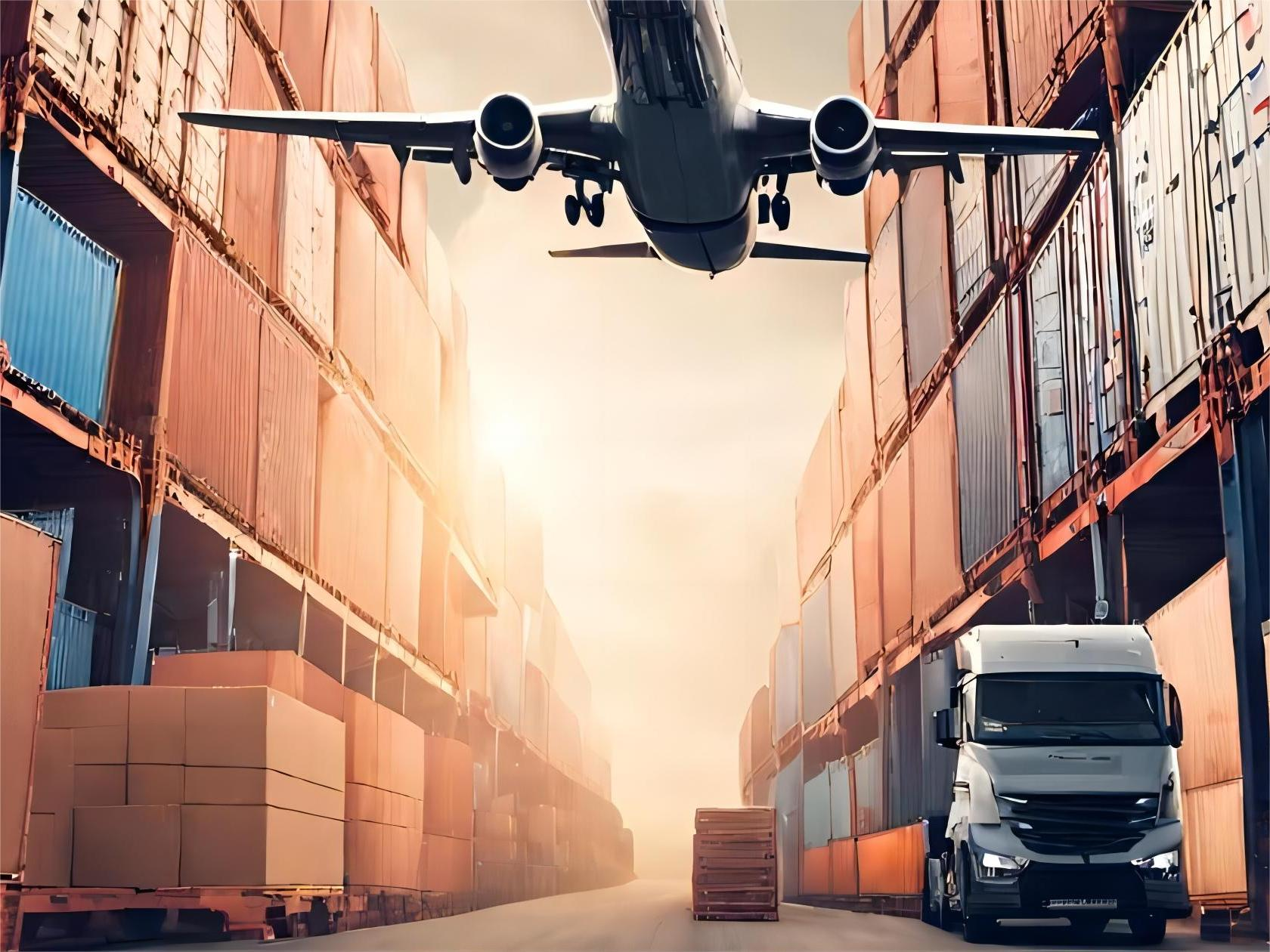
What is DDP Shipping China to Germany?
Delivered Duty Paid (DDP) is an incoterm where the seller assumes all responsibilities and costs associated with transporting goods. This includes everything from the factory floor in China to the final doorstep in Germany. Furthermore, the seller must manage export clearance, international freight, and German import duties.
Importers often prefer this method because it eliminates the risk of unexpected customs fees or administrative delays. Additionally, it provides a fixed landed cost, which is vital for maintaining healthy profit margins in the competitive German market. Choosing this option ensures that your logistics provider handles the VAT and customs brokerage on your behalf.
Transitioning to DDP is particularly beneficial for e-commerce sellers and small businesses who lack a dedicated logistics department. Meanwhile, the seller manages the entire journey, providing a truly hands-off experience for the recipient. Indeed, this approach has become the gold standard for modern China-Europe trade lanes.
How Does DDP Shipping China to Germany Compare to Other Shipping Options?
Comparing various logistics methods is essential for choosing the most cost-effective strategy for your business. While DDP offers the highest level of convenience, other incoterms like FOB or CIF might appear cheaper initially. However, those methods often hide additional costs such as destination handling charges and import taxes.
Market data from early 2026 suggests that DDP provides the best value for door to door shipping from China to Germany when considering total landed costs. For instance, air freight offers speed but comes at a premium price point. In contrast, sea freight remains the most economical choice for large-volume shipments.
Hybrid solutions have also gained popularity in the current market. Many companies now utilize rail freight as a middle ground between the speed of air and the low cost of sea. To summarize, the best choice depends on your specific budget, cargo volume, and required delivery schedule.
| Shipping Method | Cost Range | Transit Time | Best For |
|---|---|---|---|
| Air Freight | $5.50 – $9.00 / kg | 5 – 8 Days | Urgent / High-value |
| Rail Freight | $120 – $180 / CBM | 18 – 22 Days | Medium-sized / Stable |
| Sea Freight | $1,800 – $4,200 / Container | 30 – 40 Days | Bulk / Low-cost |
| Express | $8.00 – $12.00 / kg | 3 – 5 Days | Small parcels / Samples |
Key Benefits of Choosing DDP for German Imports
Total cost transparency stands out as the primary advantage of the DDP model. Since the freight forwarder quotes a single price that includes taxes and duties, there are no surprise invoices upon arrival. Consequently, financial planning becomes much simpler for German retailers and distributors.
Risk mitigation is another crucial factor to consider when shipping internationally. Under DDP terms, the seller or forwarder bears the risk of loss or damage until the goods reach the agreed destination. Therefore, you are protected from many of the liabilities associated with international transit.
Simplified customs clearance helps avoid the common pitfalls of the German ZV system. Because the forwarder handles all documentation, the likelihood of cargo being held at the port of Hamburg or Frankfurt airport is significantly reduced. Moreover, this streamlined process accelerates the overall delivery schedule.
Transit Times for DDP Shipping China to Germany in 2026
Understanding delivery timelines is vital for managing customer expectations and inventory levels. In 2026, air freight remains the fastest route, typically reaching major German hubs in under a week. This speed is essential for seasonal products or urgent restocking needs.
Alternatively, rail freight has stabilized as a reliable alternative after the disruptions of previous years. Most rail shipments from Xi’an or Chengdu reach Duisburg or Hamburg within 20 days. This method offers a significant time saving over traditional ocean routes while remaining environmentally friendly.
Ocean transit times fluctuate based on port congestion and vessel availability. Currently, sea freight takes approximately 35 days for a direct port-to-port journey. Including the inland ddp shipping china to germany delivery, you should factor in roughly 45 days for a complete door-to-door cycle.
| Destination City | Air DDP (Days) | Rail DDP (Days) | Sea DDP (Days) |
|---|---|---|---|
| Berlin | 6 – 8 | 20 – 22 | 38 – 42 |
| Hamburg | 5 – 7 | 18 – 20 | 35 – 38 |
| Munich | 7 – 9 | 21 – 24 | 40 – 45 |
| Dusseldorf | 6 – 8 | 19 – 21 | 37 – 40 |
Efficient Door to Door Solutions for Amazon FBA Sellers
Amazon sellers require a specialized approach to logistics to meet the strict requirements of German fulfillment centers. Utilizing a dedicated Amazon FBA service ensures that your products are labeled, palletized, and delivered according to Amazon’s exact specifications. Furthermore, DDP terms are mandatory for FBA shipments to avoid Amazon rejecting the cargo due to unpaid duties.
Reliable door to door services manage the final mile delivery using local German couriers like DHL or UPS. This integration provides end-to-end tracking, which is essential for maintaining a high seller rating. Additionally, many forwarders now offer consolidation services to help smaller sellers reduce their shipping costs.
Without a doubt, the German market is highly lucrative for international sellers. However, navigating the local VAT requirements can be daunting without professional help. Our team ensures that your VAT and EORI numbers are correctly utilized to facilitate smooth entry into the European Union marketplace.
Essential Customs Documents for Germany
Proper documentation is the backbone of successful customs clearance in Germany. Even with DDP terms, the importer must provide accurate information to the forwarder to avoid legal complications. For instance, the Commercial Invoice must clearly state the value, quantity, and description of the goods.
Packing lists are equally important as they allow customs officers to verify the contents of each carton. Meanwhile, a Certificate of Origin may be required to qualify for specific trade agreements or to comply with German import regulations. Consequently, ensuring these documents are error-free is a top priority for our logistics team.
Indeed, the introduction of new digital customs platforms in 2026 has changed the landscape. Most documents are now submitted electronically through the ATLAS system. To summarize, working with an experienced customs broker is the best way to ensure compliance with the latest EU standards.
| Document Name | Purpose | Required For | Issuer |
|---|---|---|---|
| Commercial Invoice | Value declaration | All shipments | Seller/Exporter |
| Packing List | Cargo verification | All shipments | Seller/Exporter |
| Bill of Lading | Title of goods | Sea/Rail freight | Carrier |
| EORI Number | EU Customs ID | German Importer | German Customs |
Real Case Studies: DDP Shipping China to Germany
Case Study 1: Solar Panel Distribution. A Munich-based energy company needed to transport 15 CBM of solar panels from Ningbo. They chose Rail Freight DDP to balance cost and speed. The cargo arrived in 21 days with a total landed cost of $2,850, including all German duties. This allowed them to meet their installation deadline without exceeding their budget.
Case Study 2: Consumer Electronics Launch. A Berlin startup launched a new smartphone accessory and required 500kg delivered urgently from Shenzhen. They utilized Air Freight DDP to ensure the products were available for their launch event. The shipment cleared customs in Frankfurt within 24 hours and reached their warehouse in 6 days total.
Case Study 3: Textile Bulk Order. A fashion retailer in Hamburg ordered a 40HQ container of garments from Shanghai. By using Sea Freight DDP, they locked in a rate of $4,100 early in the season. Despite minor port congestion, the goods were delivered door-to-door in 42 days, saving them 15% compared to last-minute booking rates.
Cost Saving Strategies for DDP Shipments
Consolidating smaller shipments into a single LCL (Less than Container Load) shipment is a proven way to reduce costs. Instead of paying for a full container, you only pay for the space your cargo occupies. Furthermore, optimizing your packaging to reduce wasted volume can lead to significant savings on air and rail freight rates.
Planning your shipments during off-peak seasons can also lower your expenses. Typically, freight rates increase by 20% or more during the lead-up to the Golden Week or the Christmas holidays. Therefore, booking your ddp shipping china to germany at least 3-4 weeks in advance is highly recommended.
Negotiating long-term contracts with your freight forwarder can provide stability in a volatile market. Many providers offer discounted rates for businesses with consistent monthly volumes. Additionally, choosing a forwarder with a strong local presence in both China and Germany ensures you get the most competitive local handling fees.
Which Option Should You Choose? Decision Framework
Budget priority dictates that sea freight should be your primary choice for non-urgent goods. If you are moving heavy machinery or bulk raw materials, the cost savings of ocean transit are unbeatable. However, you must account for the longer lead times in your production schedule.
Speed priority necessitates the use of air freight or express services. For high-value electronics or time-sensitive fashion items, the higher cost is justified by the rapid turnover of inventory. In 2026, air freight remains the most reliable way to maintain a lean supply chain.
Balanced priority is best served by rail freight. This method offers a sweet spot for many medium-sized enterprises shipping from inland Chinese cities. Consequently, if your cargo is too heavy for air but too urgent for sea, rail provides the perfect compromise. Note: Freight rates are subject to change based on fuel costs, carrier capacity, and seasonal demand. Contact us for a current quote tailored to your specific shipment.
Final Thoughts on DDP Shipping to Germany
Mastering ddp shipping china to germany is a strategic advantage for any business importing into Europe. By choosing a Delivered Duty Paid model, you eliminate the complexities of customs clearance and ensure predictable pricing for your operations. Whether you utilize air, sea, or rail, the focus should always be on reliability and compliance.
As we look forward through 2026, the logistics landscape continues to evolve with better digital tracking and more efficient routes. Partnering with a professional forwarder ensures that you stay ahead of these trends while maintaining a seamless flow of goods. Start optimizing your German imports today to secure your position in this vital market.
Ready to streamline your logistics?
Streamline your supply chain today with the most reliable ddp shipping china to germany solutions. Our experts are ready to provide you with a customized quote and handle every detail of your logistics journey. Visit our website or send an inquiry to get started.
Request Quote