


Door to Door Shipping China to Japan: The Complete 2026 Logistics Guide
Managing international logistics requires a strategy that balances speed, cost, and reliability for every shipment. At DSV-Freight, we simplify the complex process of door to door shipping china to Japan by handling every step of the journey. Consequently, businesses can focus on growth while we manage the pickup, transport, and final delivery to the Japanese destination. This comprehensive guide explores the current landscape of 2026 shipping trends and how to optimize your cargo movement between these two economic powerhouses.
✦
How Does Door to Door Shipping Compare to Other Shipping Options?
Choosing the right logistics model depends heavily on your internal resources and the level of control you require over the shipment. Port-to-port shipping often appears cheaper initially, but it leaves the importer responsible for local drayage and final mile delivery. In contrast, door to door shipping china to Japan offers a comprehensive solution where the freight forwarder manages the entire chain.
Moreover, the door-to-door model significantly reduces the risk of communication gaps between different service providers. When one company handles the cargo from the factory in Shenzhen to a warehouse in Tokyo, accountability remains clear and consistent. As a result, many businesses find that the slight premium paid for full service is offset by reduced administrative overhead.
Furthermore, hybrid solutions like sea-air combinations are becoming more popular in early 2026 for those seeking a middle ground. These strategies allow for cost savings on the long-haul leg while maintaining speed during the final delivery phase. Nevertheless, for most standard commercial goods, a dedicated door-to-door service remains the most efficient choice.
| Shipping Method | Cost Range | Transit Time | Best For | Limitations |
|---|---|---|---|---|
| Door to Door (Sea) | $1,200 – $2,500 | 10-15 Days | Bulk Inventory | Slower speed |
| Door to Door (Air) | $5.00 – $9.00/kg | 3-5 Days | High-value goods | Higher cost |
| Port to Port | $600 – $1,200 | 7-12 Days | Large Enterprises | Complex logistics |
| Express Courier | $8.00 – $15.00/kg | 1-3 Days | Samples/Small parcels | Weight limits |
What Are the Primary Methods for Door to Door Shipping China to Japan?
The geographical proximity of China and Japan makes several transport modes highly effective for modern supply chains. For large volumes of heavy goods, sea freight remains the most economical and widely used method. Indeed, the maritime routes between major ports like Shanghai and Yokohama are some of the busiest in the world.
On the other hand, businesses dealing with time-sensitive products or high-value electronics often prefer air freight. Although more expensive, the reduction in transit time can be critical for maintaining inventory levels in a fast-paced market. Additionally, air transport offers enhanced security and lower risk of damage for delicate cargo.
For smaller shipments that require rapid delivery, an express service is often the most practical solution. This method typically includes automated customs processing and real-time tracking from pickup to the final doorstep. Consequently, it is the preferred choice for e-commerce sellers and prototype developers.

Understanding Transit Times and Delivery Schedules in 2026
Transit times for door to door shipping china to Japan vary based on the origin city and the selected mode of transport. For instance, a shipment from Shanghai to Fukuoka via sea might take only 5 to 7 days for port-to-port transit. However, you must factor in an additional 3 to 5 days for inland pickup and final delivery to the recipient.
Meanwhile, shipments originating from inland Chinese provinces like Sichuan will naturally take longer due to the initial domestic trucking leg. Therefore, planning your production schedule around these logistical realities is essential for avoiding stockouts. Most professional forwarders provide a detailed timeline that includes buffer days for potential weather delays or port congestion.
During peak seasons, such as the period leading up to the Lunar New Year or Golden Week, transit times can increase by 20 percent. Accordingly, we recommend booking your space at least two weeks in advance during these high-demand windows. This proactive approach ensures your cargo stays on schedule despite the increased pressure on carrier capacity.
| Route (China to Japan) | Sea Freight (Door-to-Door) | Air Freight (Door-to-Door) | Express Service |
|---|---|---|---|
| Shanghai to Tokyo | 10-12 Days | 3-4 Days | 1-2 Days |
| Shenzhen to Osaka | 12-14 Days | 4-5 Days | 2-3 Days |
| Ningbo to Nagoya | 11-13 Days | 3-5 Days | 2-3 Days |
| Qingdao to Yokohama | 9-11 Days | 3-4 Days | 1-2 Days |
Navigating Customs Clearance and Documentation
Japan maintains strict import regulations that require precise documentation for a smooth entry process. Working with an experienced customs brokerage is vital for ensuring all paperwork complies with Japanese Customs Law. For example, errors in the commercial invoice or packing list can lead to significant delays and additional storage fees at the port.
Furthermore, certain products like food items, chemicals, and electronics may require specific permits or certifications from Japanese authorities. Consequently, verifying these requirements before the cargo leaves China is a critical step in the door-to-door process. Indeed, a well-prepared shipment can often clear customs within 24 to 48 hours of arrival.
In addition to standard documents, importers must be aware of the Japan-China-ROK Free Trade Agreement benefits if applicable. These agreements can significantly reduce or eliminate import duties on specific categories of goods. Therefore, consult with your logistics provider to determine if your products qualify for preferential tariff treatment in 2026.
| Document Name | Purpose | Required By | Format |
|---|---|---|---|
| Commercial Invoice | Value declaration | Customs | Digital/Original |
| Packing List | Cargo details | Warehouse/Customs | Digital/Original |
| Bill of Lading | Title of goods | Carrier | Original/Telex |
| Certificate of Origin | Duty reduction | Customs | Official Form |
Factors Influencing Shipping Costs in 2026
Shipping costs for door to door shipping china to Japan are influenced by several dynamic market factors. For instance, fuel surcharges remain a significant component of the total freight rate as global energy prices fluctuate. Additionally, the balance of trade between the two nations affects container availability and pricing on specific routes.
Moreover, the choice between FCL and LCL shipping can have a major impact on your overall budget. For shipments over 15 cubic meters, a full container load (FCL) is usually more cost-effective per unit. On the other hand, less than container load (LCL) allows smaller businesses to share space and costs with other shippers.
Nevertheless, you should also account for destination charges such as terminal handling fees and local delivery costs in Japan. These ‘hidden’ costs can add up if not clearly defined in your initial quote. As of early 2026, market data suggests that rates have stabilized, but seasonal spikes still occur during the Q4 peak season.
Case Study 1: Electronics Distribution to Tokyo
Case Study 1: High-Value Electronics Door-to-Door Delivery
Route: Shenzhen, China to Tokyo, Japan
Cargo: Consumer electronics, 8.5 CBM, 1,200 kg
Container: LCL (Less than Container Load)
Shipping Details:
– Carrier/Service: Major ocean carrier via consolidated LCL
– Port of Loading: Shenzhen (Yantian)
– Port of Discharge: Tokyo Port
– Route Type: Direct sea transit
Cost Breakdown:
– Ocean Freight: $950
– Origin Charges: $220
– Destination Charges: $310
– Customs and Duties (estimated): $1,400
– Total Landed Cost: $2,880
Timeline:
– Booking to Loading: 3 days
– Sea Transit: 9 days
– Customs Clearance: 2 days
– Total Door-to-Door: 14 days
Key Insight: Utilizing a direct LCL service from Shenzhen minimized handling risks for the delicate electronics while keeping costs significantly lower than air freight. Based on early 2026 market rates, this was the most efficient balance of speed and budget.
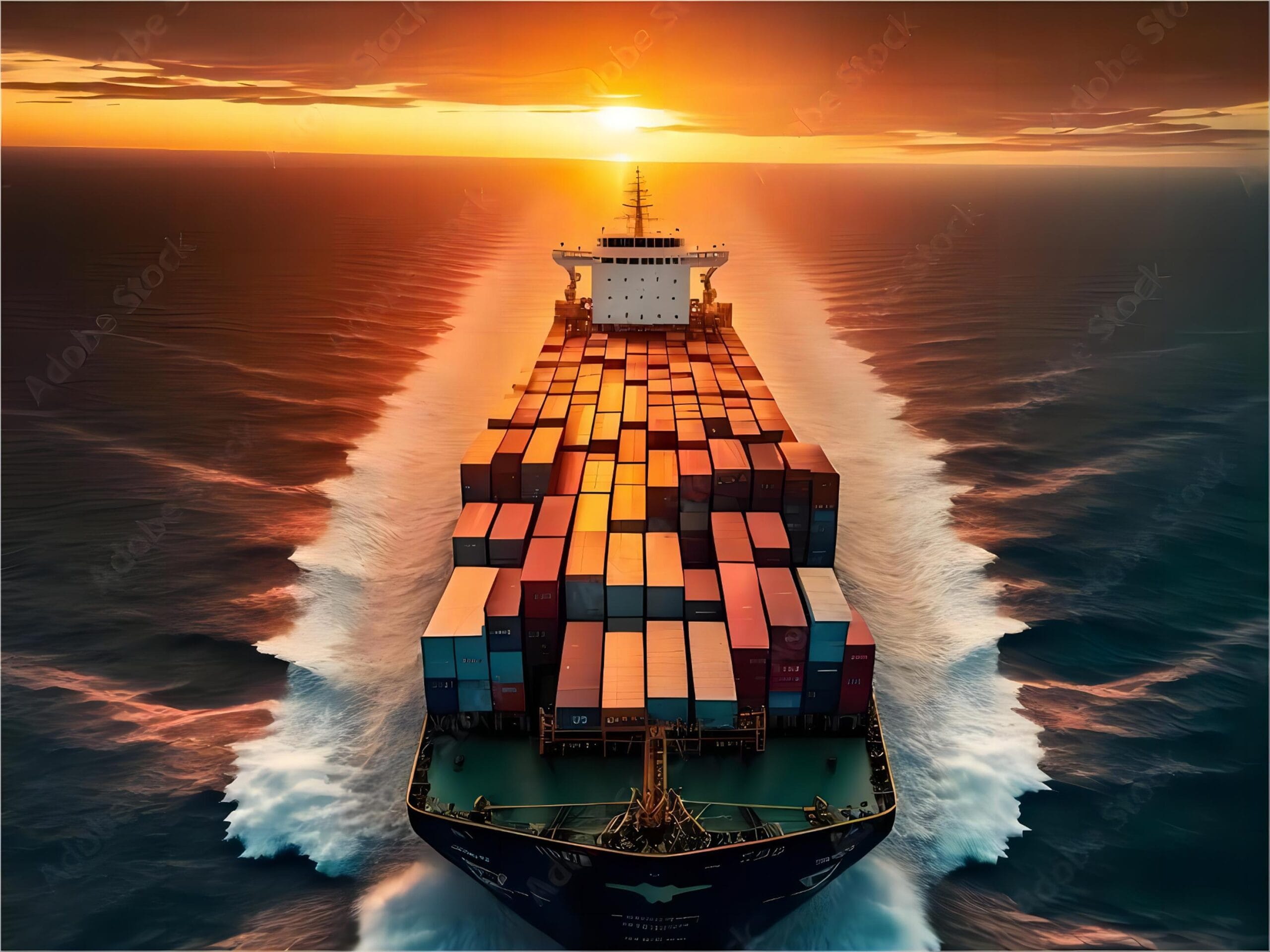
Case Study 2: Industrial Machinery to Osaka
Case Study 2: Urgent Industrial Parts for Manufacturing
Route: Shanghai, China to Osaka, Japan
Cargo: Precision machinery components, 1.2 CBM, 450 kg
Container: Air Freight Door-to-Door
Shipping Details:
– Carrier/Service: Dedicated air cargo carrier
– Port of Loading: Shanghai Pudong (PVG)
– Port of Discharge: Kansai International (KIX)
– Route Type: Direct flight
Cost Breakdown:
– Air Freight: $2,450
– Origin Charges: $180
– Destination Charges: $240
– Customs and Duties (estimated): $600
– Total Landed Cost: $3,470
Timeline:
– Booking to Loading: 1 day
– Air Transit: 4 hours
– Customs Clearance: 1 day
– Total Door-to-Door: 3 days
Key Insight: The urgency of the manufacturing deadline justified the higher cost of air transport. The shipment arrived just in time to prevent a production line stoppage in Osaka. Typical rates as of Q2 2026 show air freight remains vital for just-in-time inventory strategies.
Which Option Should You Choose?
Determining the best door to door shipping china to Japan strategy requires a clear assessment of your priorities. If your primary goal is cost reduction and you have flexible timelines, sea freight is undoubtedly the superior choice. However, if you are launching a new product or responding to an urgent market demand, air freight provides the necessary speed.
Furthermore, consider the nature of your cargo when making this decision. Perishable goods or high-security items benefit from the shorter transit times of air or express services. Conversely, durable bulk goods like textiles or furniture are perfectly suited for the longer, more stable sea routes.
Finally, we recommend a hybrid approach for businesses with consistent volumes. You might send 80 percent of your inventory via sea to maximize margins while keeping 20 percent in the air for rapid replenishment. This balanced strategy ensures you can meet customer needs without overextending your logistics budget.
Summary of Shipping Success
In conclusion, successful door to door shipping china to Japan depends on selecting the right method, preparing accurate documentation, and partnering with a reliable forwarder. As we navigate the logistics landscape of 2026, staying informed about market trends and customs requirements will continue to be a competitive advantage for importers. By leveraging the comprehensive services of a professional provider, you can ensure your goods move efficiently across borders, supporting your business growth in the Japanese market.