
Door to Door Shipping China to India: 2026 Logistics Guide
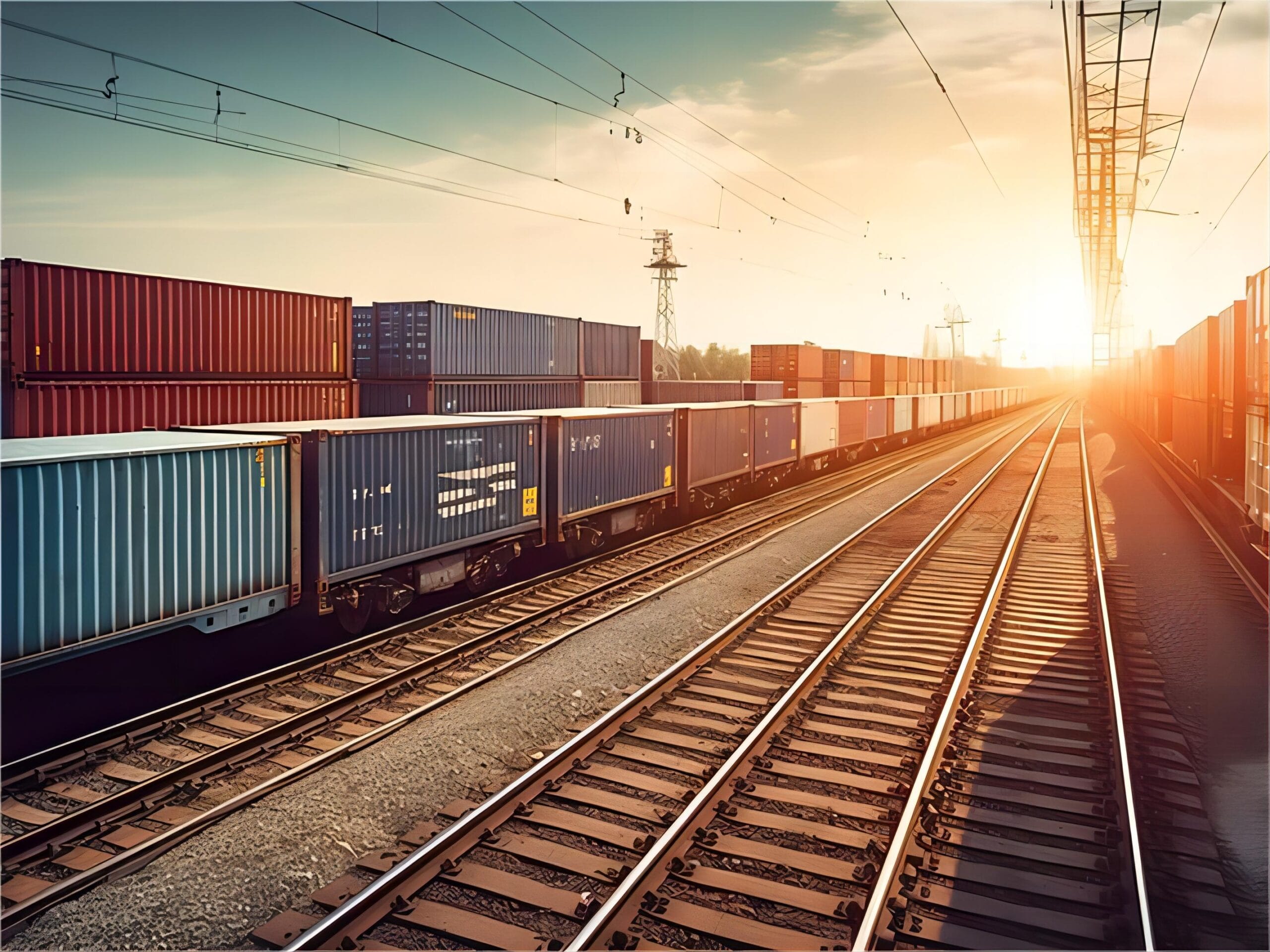
Managing door to door shipping China to India requires a strategic approach to navigate complex customs and varying transit times. Businesses often struggle with the logistics of moving goods across borders without facing unexpected delays or hidden fees. By partnering with a professional provider like DSV-Freight, you can streamline your entire supply chain and ensure your cargo reaches its final destination in Mumbai, Delhi, or Bangalore efficiently.
✦
What is Door to Door Shipping China to India?
Door to door shipping China to India is an all-inclusive logistics service where the freight forwarder manages the entire journey from the supplier factory to the buyer warehouse. This method eliminates the need for the importer to coordinate multiple segments of the transport chain independently. Consequently, it reduces the administrative burden and minimizes the risk of communication errors between different carriers.
Moreover, this service typically includes pickup, international transit, customs clearance, and final mile delivery. Many businesses prefer this model because it provides a single point of accountability for the safety and timing of their goods. Indeed, as of early 2026, this has become the standard for SMEs looking to scale their import operations without hiring internal logistics teams.
How Does Door to Door Shipping Compare to Other Shipping Options?
Choosing the right method depends heavily on your budget and the urgency of the delivery schedule. While some importers opt for Port-to-Port services to save on upfront costs, they often face higher local handling fees and complicated logistics at the destination. On the other hand, door to door services provide a fixed landed cost, making financial planning much simpler.
Furthermore, the integration of door to door shipping solutions allows for better visibility through real-time tracking. This transparency is vital for maintaining a lean inventory and meeting customer expectations in the competitive Indian market. Therefore, evaluating the trade-offs between speed and expense is essential for every shipment.
| Shipping Method | Cost Range | Transit Time | Best For |
|---|---|---|---|
| Air Freight | $4.50 – $7.00/kg | 3 – 7 Days | Urgent/High Value |
| Sea Freight (FCL) | $1,200 – $2,200 | 18 – 25 Days | Bulk Shipments |
| Sea Freight (LCL) | $40 – $90/CBM | 22 – 30 Days | Small Volumes |
| Express Courier | $8.00 – $12.00/kg | 2 – 4 Days | Samples/Documents |
Why Choose Sea Freight for Your India Shipments?
For large volume orders, sea freight remains the most economical choice for transporting goods from China to major Indian ports. Shipping costs for a 20GP container have stabilized in early 2026, allowing for more predictable budgeting. Additionally, the capacity of ocean carriers enables the movement of heavy machinery and industrial raw materials that are too bulky for air transport.
However, you must account for longer transit times when planning your inventory cycles. Most shipments from Shanghai or Ningbo to Nhava Sheva take approximately three weeks, including port processing. Nevertheless, the cost savings often outweigh the wait time for non-urgent bulk cargo.
When to Utilize Air Freight for Urgent Cargo?
If your business requires a rapid turnaround, air freight is the superior option despite the higher price point. This method is particularly effective for electronics, fashion items, and perishable goods that need to reach the Indian market quickly. As a result, companies can respond to sudden shifts in consumer demand without waiting for slow ocean transit.
Additionally, air transport offers enhanced security and lower insurance premiums due to the shorter time in transit. For shipments under 300kg, the price difference compared to sea freight becomes less significant when you factor in the speed of delivery. Accordingly, many high-tech firms in Bangalore rely on this mode to maintain their production lines.
Navigating Customs Brokerage and Indian Regulations
Successful importation requires a deep understanding of the Indian customs landscape and the necessary documentation. Utilizing a professional customs brokerage service is often the difference between a smooth delivery and a shipment stuck in port for weeks. Specifically, you must ensure that your Bill of Entry and GST documentation are perfectly aligned with the packing list.
Furthermore, Indian customs authorities have become more stringent regarding HSN codes and product labeling in 2026. Any discrepancy in the paperwork can lead to heavy fines or even seizure of the cargo. Therefore, verifying all documents before the goods leave the Chinese port is a critical step in the logistics process.
| Document Name | Purpose | Requirement Level | Issuer |
|---|---|---|---|
| Commercial Invoice | Value Declaration | Mandatory | Supplier |
| Packing List | Cargo Details | Mandatory | Supplier |
| Bill of Lading | Title of Goods | Mandatory | Carrier |
| Certificate of Origin | Duty Benefits | Recommended | Chamber of Commerce |
How to Optimize Your Shipping Costs in 2026?
Reducing your freight rates starts with optimizing your packaging to maximize container space and minimize weight. For smaller shipments, utilizing express service for parcels can sometimes be cheaper than LCL when all port fees are considered. Additionally, booking your shipments at least two weeks in advance can help you secure better rates during peak seasons.
Moreover, consolidating multiple orders from different suppliers into a single container can significantly lower the cost per unit. This strategy requires a freight forwarder with strong warehousing capabilities in China. Consequently, you can reduce the total landed cost of your products and improve your profit margins in the Indian market.
Real-World Case Studies of China-India Logistics
Examining real scenarios helps importers understand the practical challenges and costs involved in international logistics. These cases reflect the current market conditions and typical transit times experienced in the 2025-2026 period. Each example highlights a different shipping method and its specific outcome for the business involved.
Case Study 1: Electronics to Mumbai
Case Study 1: Consumer Electronics Distribution Route: Shenzhen, China to Mumbai, India Cargo: Smartphones and Tablets, 8 CBM, 1,200 kg Container: LCL (Less than Container Load) Shipping Details: – Carrier/Service: OOCL via Singapore – Port of Loading: Shenzhen – Port of Discharge: Nhava Sheva – Route Type: Transshipment Cost Breakdown: – Ocean Freight: $680 – Origin Charges: $210 – Destination Charges: $350 – Customs & Duties: $4,200 – Total Landed Cost: $5,440 Timeline: – Booking to Loading: 3 days – Sea Transit: 22 days – Customs Clearance: 4 days – Total Door-to-Door: 29 days Key Insight: Consolidating high-value electronics into LCL saved the client 60% compared to air freight while maintaining a manageable 30-day inventory cycle.
Case Study 2: Industrial Machinery to Delhi
Case Study 2: Manufacturing Equipment Route: Ningbo, China to Tughlakabad ICD, Delhi Cargo: Textile Machinery, 28 CBM, 18,000 kg Container: 40GP (General Purpose) Shipping Details: – Carrier/Service: COSCO – Port of Loading: Ningbo – Port of Discharge: Mundra (then Rail to Delhi) – Route Type: Multimodal Cost Breakdown: – Ocean Freight: $2,850 – Origin Charges: $450 – Destination Charges: $620 – Customs & Duties: $8,500 – Total Landed Cost: $12,420 Timeline: – Booking to Loading: 5 days – Sea Transit: 18 days – Rail Transit (Mundra to Delhi): 6 days – Customs Clearance: 5 days – Total Door-to-Door: 34 days Key Insight: Using Mundra as a gateway for Delhi-bound cargo saved 4 days compared to the traditional Nhava Sheva route due to less congestion.
Which Option Should You Choose for Your Business?
Determining the best logistics strategy requires a balance between speed, cost, and cargo safety. If your primary goal is budget priority, then sea freight LCL or FCL is the most logical recommendation for your supply chain. Conversely, if you have a speed priority for high-demand launches, air freight is the only viable solution to meet tight deadlines.
Cargo type considerations also play a major role in your decision. For instance, hazardous materials or extremely heavy goods may be restricted from air travel, leaving sea freight as the only option. Without a doubt, consulting with a logistics expert can help you navigate these variables and choose the most efficient path for your specific needs.
Final Thoughts on India-China Logistics
Navigating the complexities of door to door shipping China to India is essential for any business looking to succeed in the 2026 global market. By understanding the differences between air and sea freight and preparing your customs documentation meticulously, you can avoid common pitfalls. Furthermore, partnering with an experienced forwarder ensures that your cargo handling is professional and your delivery schedule is met.
To summarize, while the logistics landscape continues to evolve, the fundamentals of cost-efficiency and reliability remain constant. Always stay informed about the latest logistics trends and freight rates to maintain your competitive edge. Successful importing is not just about moving goods; it is about building a robust and resilient supply chain for the future.