

Door to Door Shipping China to South Korea: 2026 Logistics Guide
Reliable logistics solutions are essential for businesses navigating the fast-paced trade routes between major Chinese manufacturing hubs and the thriving South Korean market. At DSV-Freight, we specialize in streamlining the complex supply chain process to ensure your cargo arrives safely and on schedule. Choosing door to door shipping China to South Korea eliminates the middleman, providing a single point of contact for your entire transportation journey. This comprehensive guide explores the various shipping methods, costs, and strategic advantages available to importers in 2026.
What is Door to Door Shipping China to South Korea?
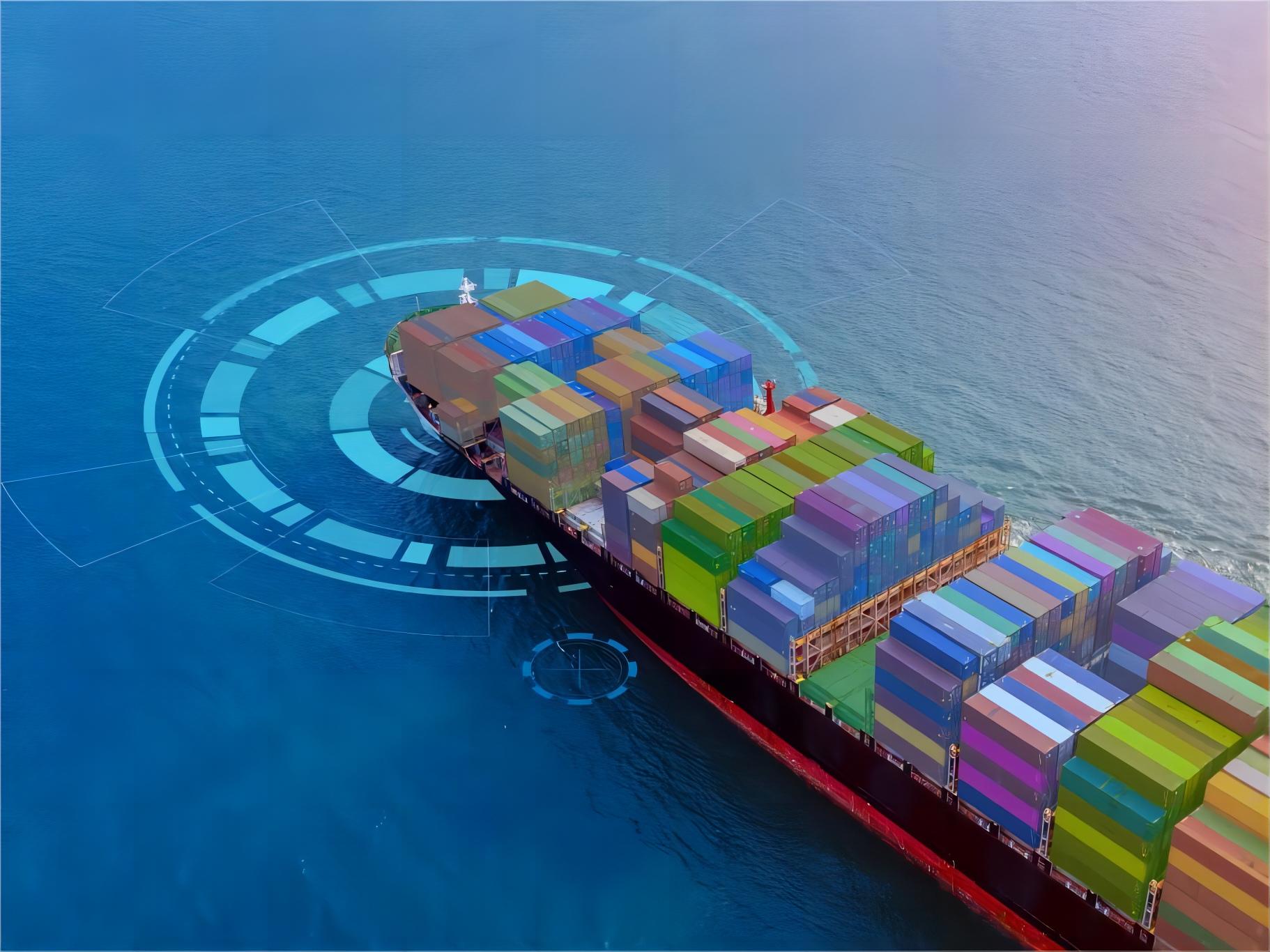
Door to door shipping represents the most convenient logistics model where the freight forwarder manages the entire movement of goods from the supplier’s warehouse in China to the final destination in South Korea. Furthermore, this service encompasses every stage of the journey, including pickup, international transit, and final mile delivery. Business owners frequently prefer this method because it reduces the administrative burden of coordinating with multiple carriers.
Specifically, our door to door service handles all the heavy lifting, including export documentation and local trucking. Consequently, you can focus on your core business operations while we manage the intricate details of cross-border movement. In 2026, the integration of digital tracking and automated scheduling has made this service even more efficient for small and medium enterprises.
Transitioning to a comprehensive logistics model ensures that your supply chain remains resilient against market fluctuations. Moreover, having a single partner manage the process minimizes the risk of communication errors at the port. Whether you are shipping electronics from Shenzhen or textiles from Ningbo, the process remains consistent and reliable.
Why Choose Door to Door Logistics for Your Korea Shipments?
Efficiency stands as the primary reason for selecting this comprehensive service for your international trade needs. Additionally, by consolidating all logistics tasks under one provider, you gain better visibility into your shipment’s progress. Most companies find that the time saved on coordination far outweighs any minor price differences compared to port-to-port options.
Transparency in pricing is another significant advantage of the door-to-door model. Therefore, you receive a single quote that covers all expenses, from the origin warehouse to the final delivery point in Seoul or Incheon. This approach prevents unexpected fees from surfacing during the customs clearance or local delivery phases, providing better budget control for your business.
Market trends in 2026 suggest that speed and reliability are more critical than ever before. Meanwhile, the South Korean market demands rapid replenishment of inventory, making a streamlined shipping process a competitive necessity. By utilizing a dedicated service, you ensure that your products reach the market faster than competitors using fragmented logistics chains.
How Does Sea Freight Compare to Other Shipping Options?
Selecting the right transportation mode depends heavily on your budget, cargo volume, and urgency. For instance, sea freight remains the most cost-effective solution for large-scale shipments or heavy machinery. While it takes longer than air transport, the significant cost savings make it the preferred choice for bulk commodities.
In contrast, air freight offers unmatched speed for high-value items or urgent restocking needs. Consequently, many businesses adopt a hybrid strategy, using sea freight for their baseline inventory and air freight for seasonal peaks. To help you decide, we have compiled a comparison of the most popular methods currently used on the China-Korea route.
Industry data from early 2026 indicates that sea freight rates have stabilized, though seasonal peaks still occur. Nevertheless, the proximity of China and South Korea allows for relatively short sea transit times compared to long-haul international routes. This unique geographic advantage makes maritime transport highly viable even for moderately urgent goods.
| Shipping Method | Cost Range | Transit Time | Best For |
|---|---|---|---|
| Sea Freight (FCL) | $800 – $1,200 | 3 – 7 Days | Large bulk orders |
| Sea Freight (LCL) | $50 – $90/CBM | 5 – 9 Days | Smaller palletized goods |
| Air Freight | $2.5 – $4.5/kg | 1 – 3 Days | High-value electronics |
| Express Service | $5.0 – $8.0/kg | 1 – 2 Days | Samples and documents |

What is the Transit Time for Door to Door Shipping China to South Korea?
Timing is a critical factor for any business managing an international supply chain. For example, air freight can deliver goods from Shanghai to Seoul in as little as 24 to 48 hours. This rapid turnaround is essential for industries like fashion and technology where product lifecycles are extremely short.
Furthermore, sea transit times vary depending on the specific port of loading and discharge. Shipments from northern Chinese ports like Qingdao or Tianjin often reach Incheon or Pyeongtaek faster than those originating from southern ports like Shenzhen. Accordingly, choosing the right port of departure can save you several days of transit time.
Customs clearance also plays a vital role in the total door-to-door timeline. Indeed, while the actual time on the water or in the air is predictable, delays at the border can occur if documentation is incomplete. Working with an experienced partner ensures that your paperwork is processed quickly, maintaining the integrity of your delivery schedule.
| Origin City | Destination City | Sea Transit | Air Transit |
|---|---|---|---|
| Shanghai | Incheon | 2 – 3 Days | 1 Day |
| Qingdao | Busan | 2 – 4 Days | 1 Day |
| Shenzhen | Seoul | 5 – 7 Days | 1 – 2 Days |
| Ningbo | Pyeongtaek | 3 – 5 Days | 1 Day |
Understanding Cost Factors and Pricing in 2026
Pricing for door to door shipping China to South Korea is influenced by several variables, including fuel prices and port congestion levels. Additionally, our express service offers a premium option for those who prioritize speed over cost. Understanding these components allows you to optimize your shipping budget effectively.
Weight and volume are the primary determinants of your freight rate. Specifically, carriers use ‘chargeable weight’ to calculate costs, which considers both the actual weight and the space the cargo occupies. Consequently, optimizing your packaging can lead to significant savings over time, especially for air shipments.
Local delivery fees in South Korea also contribute to the total landed cost. Furthermore, depending on whether your destination is in a major city like Seoul or a remote industrial zone, trucking costs may vary. We recommend requesting a detailed quote that breaks down each segment of the journey to ensure full transparency.
Which Option Should You Choose for Your Business?
Deciding on the best shipping method requires a careful analysis of your specific business needs. If your priority is keeping costs as low as possible for high-volume goods, sea freight is without a doubt the best choice. However, if you are launching a new product and need it in stores immediately, air freight is the logical alternative.
Cargo type also dictates the necessary shipping conditions. For instance, perishable items or sensitive medical equipment require temperature-controlled environments, which are more readily available through specialized air or express routes. On the other hand, durable consumer goods are perfectly suited for standard sea containers.
To summarize, we recommend a balanced approach. Utilize sea freight for the majority of your inventory to maintain healthy margins, and keep express options available for emergency restocks. This flexibility ensures that your supply chain remains robust even during unexpected market shifts in the 2026 trade landscape.
Customs Clearance and Documentation Checklist
Navigating the regulatory environment in South Korea requires precision and expertise. Therefore, our customs brokerage team works tirelessly to ensure all shipments comply with the latest KCS (Korea Customs Service) requirements. Missing or incorrect documentation is the most common cause of delivery delays.
Specifically, you must provide a commercial invoice, packing list, and a bill of lading for every shipment. Additionally, certain products may require certificates of origin or specialized health permits. Providing these documents in a timely manner allows for pre-clearance, which can significantly speed up the final delivery process.
Notably, the RCEP agreement has simplified many trade procedures between China and South Korea. Consequently, many goods now qualify for reduced tariffs or expedited processing. Staying informed about these trade agreements can provide your business with a significant financial advantage in the competitive Korean market.
| Document Type | Purpose | Required For | Provider |
|---|---|---|---|
| Commercial Invoice | Value declaration | All shipments | Exporter |
| Packing List | Inventory detail | All shipments | Exporter |
| Bill of Lading | Contract of carriage | All shipments | Carrier |
| Certificate of Origin | Tariff reduction | RCEP eligible goods | Chamber of Commerce |
Real-World Case Studies for China to South Korea Routes
Case Study 1: Electronics Distribution. Route: Shenzhen to Seoul. Cargo: 120kg high-end smartphone components. Method: Air Express. Total Landed Cost: $480. Timeline: 2 days. Key Insight: Using express service allowed the client to meet a strict manufacturing deadline, avoiding costly production downtime.
Case Study 2: Retail Furniture. Route: Ningbo to Busan. Cargo: 15 CBM home office furniture. Method: Sea Freight LCL. Total Landed Cost: $850. Timeline: 8 days. Key Insight: Consolidation through LCL provided a cost-effective solution for a small retailer who did not have enough volume for a full container.
Case Study 3: Industrial Machinery. Route: Shanghai to Incheon. Cargo: 20GP container of CNC machines. Method: Sea Freight FCL. Total Landed Cost: $1,150. Timeline: 5 days. Key Insight: Direct sea service from Shanghai minimized handling, ensuring the heavy equipment arrived without any damage or transit delays.
Mastering Your Logistics from China to South Korea
Successfully managing door to door shipping China to South Korea involves balancing speed, cost, and reliability. By understanding the different transit modes and staying compliant with customs regulations, you can build a resilient supply chain that supports your business growth. In 2026, the technology and infrastructure connecting these two nations are more advanced than ever, offering unprecedented opportunities for efficient trade.
Whether you choose the speed of air freight or the economy of sea freight, having a dedicated partner like DSV-Freight ensures your cargo is in safe hands. We remain committed to providing transparent pricing and exceptional service for every shipment. Start planning your next delivery today and experience the benefits of professional door-to-door logistics.

Ready to streamline your logistics?
Are you looking to optimize your door to door shipping China to South Korea? Contact our expert team today for a customized quote and discover how we can streamline your international logistics. Visit our website to request a freight consultation and take the first step toward a more efficient supply chain.
Request Quote