

China to Europe Shipping by Sea France: A Comprehensive Guide
Navigating the complexities of china to europe shipping by sea france requires a deep understanding of maritime logistics and international trade regulations. For businesses looking to scale their operations, Ailogisticschina provides comprehensive solutions that streamline the entire process from factory to warehouse. This guide explores everything from container types to customs clearance to help you make informed decisions.

Why Choose China to Europe Shipping by Sea France for Your Business?
Ocean freight remains the most cost-effective method for transporting large volumes of goods across long distances. Consequently, businesses often prioritize sea freight when managing bulk inventories or heavy machinery. This method offers a balance between affordability and capacity that air or express services cannot match.
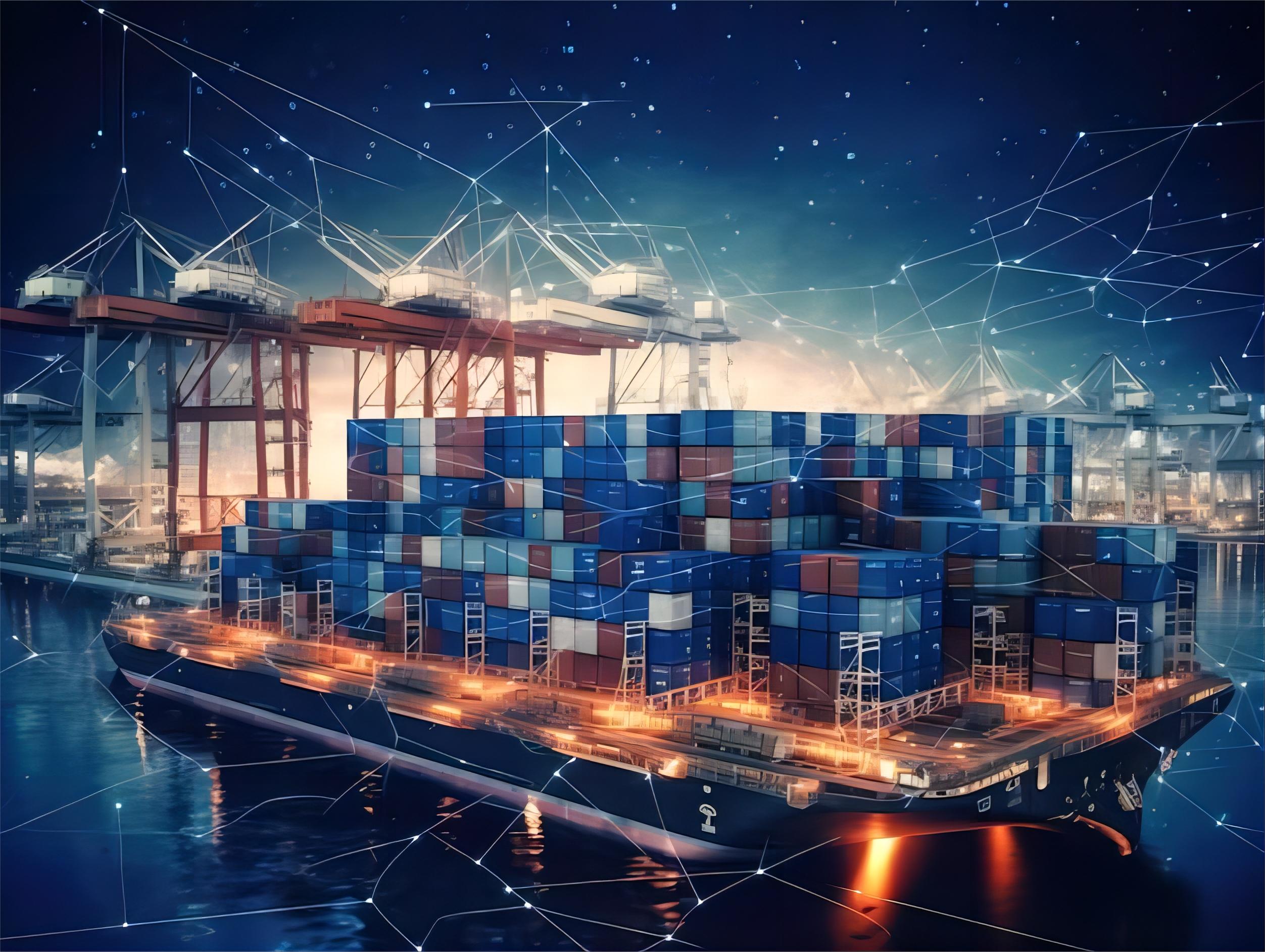
Moreover, the environmental impact of maritime transport is significantly lower compared to air freight. Shipping by sea allows companies to reduce their carbon footprint while maintaining a steady supply chain. Therefore, it is the preferred choice for sustainable long-term logistics planning.
Additionally, the infrastructure between major Chinese ports and French hubs like Le Havre or Marseille is highly developed. This ensures that your cargo moves through reliable channels with predictable schedules. Indeed, ocean transport provides the stability needed for large-scale international trade.
Understanding FCL vs LCL in China to Europe Shipping by Sea France
Choosing between Full Container Load (FCL) and Less than Container Load (LCL) is a critical decision for any importer. FCL is generally faster and safer because the entire container is dedicated to your goods alone. On the other hand, LCL allows you to share space with other shippers, which is ideal for smaller volumes.
Furthermore, FCL reduces the risk of damage since the container is sealed at the origin and only opened at the destination. Meanwhile, LCL involves more handling at consolidation centers, which can slightly increase transit times. Nevertheless, LCL remains a vital tool for small and medium enterprises looking to manage cash flow.
To summarize, your choice should depend on the volume of your shipment and your budget constraints. For shipments exceeding 15 cubic meters, FCL often becomes more economical than LCL. In contrast, for smaller batches, LCL offers the flexibility needed to keep inventory moving without waiting for a full container.
| Feature | Full Container Load (FCL) | Less than Container Load (LCL) |
|---|---|---|
| Best For | Large shipments (15+ CBM) | Small shipments (1-14 CBM) |
| Cost Structure | Flat rate per container | Price per cubic meter (CBM) |
| Transit Time | Faster (Direct) | Slower (Consolidation needed) |
| Risk Level | Lower (Minimal handling) | Moderate (Multiple handling) |
Major Ports Involved in China to France Sea Freight
China boasts some of the world’s busiest and most efficient ports, including Shanghai, Ningbo-Zhoushan, and Shenzhen. These hubs serve as the primary exit points for goods destined for the European market. Consequently, selecting the right departure port can save you significant time and domestic trucking costs.
France serves as a major gateway to the European Union with strategic ports on both the Atlantic and Mediterranean coasts. Port of Le Havre is the largest container port in France, handling the majority of northern trade. Meanwhile, the Port of Marseille-Fos serves as a vital entry point for goods entering Southern Europe.
Furthermore, choosing a port close to your final destination in France is essential for minimizing inland transport fees. If your warehouse is in Paris, Le Havre is the logical choice. However, for distribution in Lyon or Nice, Marseille offers a more direct route from the Suez Canal.
How Does Sea Freight Compare to Other Shipping Options?
While china to europe shipping by sea france is the most common route, other modes of transport offer different advantages. For instance, rail freight has emerged as a middle-ground solution between sea and air. It offers faster transit times than the ocean while remaining cheaper than air transport.
Air freight is the fastest option but comes with significantly higher costs, making it suitable only for high-value or urgent goods. In contrast, sea freight provides the lowest cost per unit for bulk items. Therefore, businesses must weigh the urgency of their delivery against their available budget.
Hybrid solutions like sea-air or rail-sea combinations are also becoming popular to balance speed and cost. For example, shipping by sea to a hub like Dubai and then flying to France can save time without the full expense of air freight. Without a doubt, a diversified logistics strategy is the best way to handle market volatility.
| Method | Cost Range | Transit Time | Best For |
|---|---|---|---|
| Sea Freight | $2,500 – $4,500 per 40HQ | 30 – 45 Days | Bulk Goods / Heavy Cargo |
| Rail Freight | $5,000 – $7,500 per 40HQ | 18 – 25 Days | Medium Value / Time Sensitive |
| Air Freight | $4.50 – $9.00 per kg | 5 – 8 Days | High Value / Urgent |
| Express | $8.00 – $15.00 per kg | 3 – 5 Days | Samples / Small Parcels |
Analyzing Transit Times for China to Europe Shipping by Sea France
Transit times for ocean freight are influenced by several factors, including the specific route and weather conditions. Typically, a direct vessel from Shanghai to Le Havre takes approximately 32 to 38 days. However, transshipment via ports like Singapore or Colombo can add another 5 to 10 days to the schedule.
Seasonal demand also plays a significant role in delivery timelines. During the peak season from August to October, port congestion can lead to delays in loading and unloading. Consequently, it is wise to book your shipments at least 3 to 4 weeks in advance during these periods.
Indeed, understanding the delivery schedule is crucial for maintaining inventory levels and meeting customer expectations. Reliable freight forwarders provide real-time tracking to help you monitor your cargo’s progress across the ocean. Accordingly, you can plan your warehouse operations more effectively.
Customs Clearance and Documentation Requirements
Navigating French customs requires precise documentation to avoid costly delays and penalties. Essential documents include the Commercial Invoice, Packing List, and the Bill of Lading. Furthermore, you must ensure your goods comply with EU safety and environmental standards.
Utilizing a professional customs brokerage service can simplify this complex process significantly. Experts can help you classify your goods correctly using the Harmonized System (HS) codes. As a result, you can ensure you are paying the correct amount of duties and taxes.
Moreover, France requires an EORI (Economic Operators Registration and Identification) number for all businesses importing goods. Without this number, your shipment will be held at the port, leading to demurrage charges. Therefore, preparing your paperwork well in advance is the key to a smooth import experience.
Real-World Logistics Case Studies
Case Study 1: Electronics from Shenzhen to Le Havre. A French retailer needed to import 12 CBM of consumer electronics. They chose LCL shipping to manage costs. The cargo was loaded in Shenzhen and arrived at Le Havre in 35 days. Total landed cost was $3,200, including customs and local delivery. Key Insight: Consolidating smaller loads saved the client 40 percent compared to air freight.
Case Study 2: Furniture from Ningbo to Marseille. A furniture wholesaler imported three 40HQ containers for the spring season. By using direct sea freight, they avoided transshipment risks. The transit time was 30 days, and the ocean freight cost was $3,800 per container. Key Insight: FCL provided the necessary security for fragile items while keeping the unit cost low.
Based on Q1 2025 market rates, these examples reflect typical scenarios for businesses engaging in china to europe shipping by sea france. Note: Freight rates are subject to change based on fuel costs, carrier capacity, and seasonal demand. Contact us for a current quote tailored to your specific shipment.
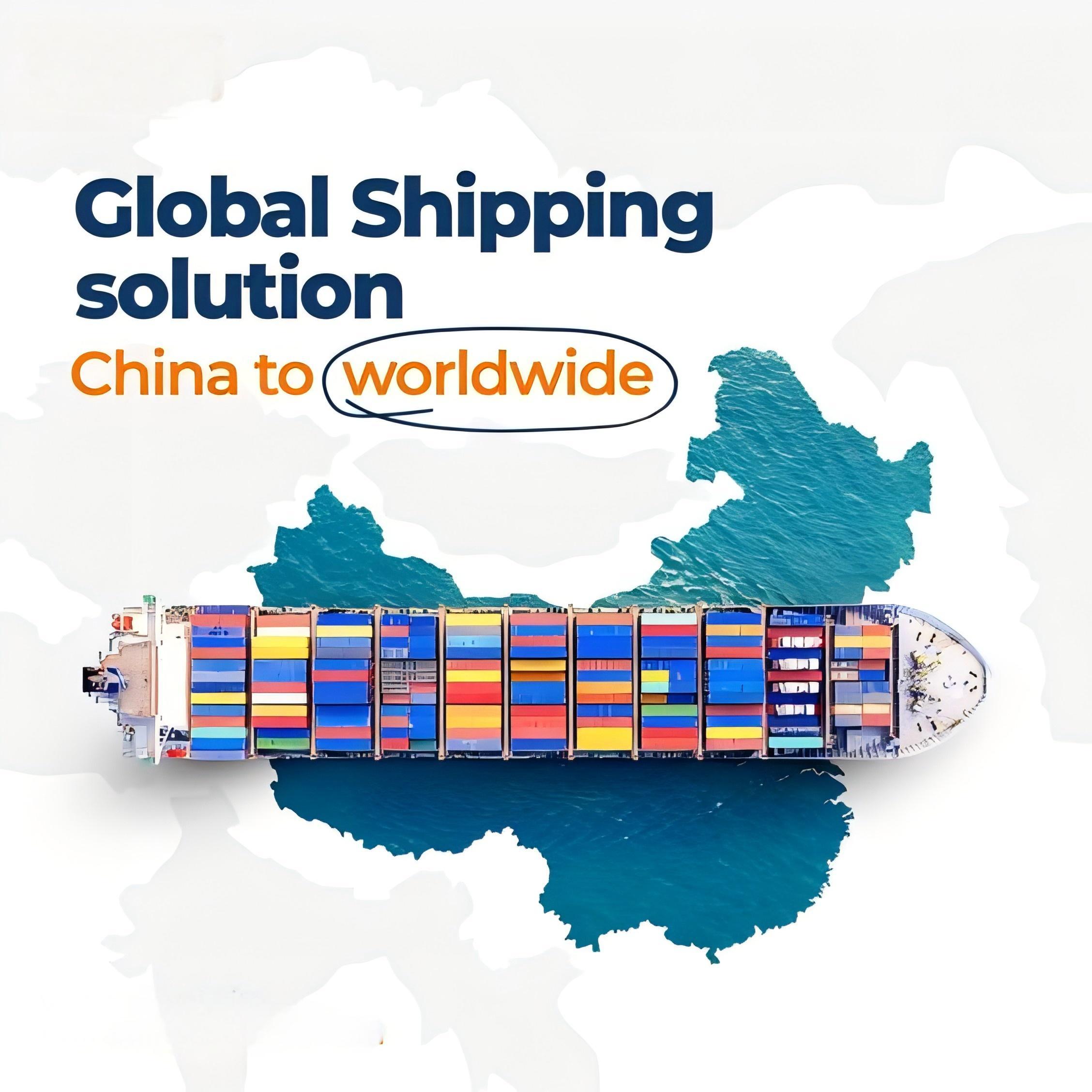
Alternative Strategies and Cost-Saving Tips
To optimize your logistics budget, consider shipping during the off-peak season when rates are generally lower. Additionally, consolidating multiple small orders into a single FCL shipment can significantly reduce your cost per CBM. Many savvy importers also use Europe wide distribution hubs to streamline their supply chain.
Another effective strategy is to negotiate Incoterms that give you more control over the shipping process. For instance, buying on FOB (Free On Board) terms allows you to choose your own freight forwarder. Consequently, you can often secure better rates and more reliable service than letting the supplier handle the shipping.
Finally, always request multiple quotes to stay informed about current market trends. Logistics technology is evolving rapidly, providing new ways to optimize routes and reduce waste. In addition, working with an experienced partner ensures you have access to the latest cost-saving innovations.
Which Option Should You Choose for Your Cargo?
If your primary goal is budget priority, then sea freight is the clear winner for almost any volume. However, if speed is your priority, you should consider rail or air options instead. Cargo type considerations also matter, as hazardous or oversized items may be restricted to specific maritime routes.
For shipments under 15 CBM, LCL is usually the most economical choice. Once you surpass this threshold, FCL becomes more attractive due to the lower cost per cubic meter and faster handling. To summarize, the best choice depends on your specific balance of time, cost, and safety requirements.
Ultimately, a successful shipping strategy requires flexibility and proactive planning. By understanding the nuances of china to europe shipping by sea france, you can build a more resilient and profitable business. Indeed, the right logistics partner will help you navigate these choices with ease.
Implementing Door to Door Solutions for Maximum Efficiency
For many businesses, a door to door service is the most convenient way to manage imports. This service covers everything from the factory pickup in China to the final delivery at your French address. Consequently, you can focus on your core business while the logistics experts handle the details.
This approach eliminates the need for you to coordinate between multiple carriers and customs agents. Furthermore, it provides a single point of contact for tracking and troubleshooting. As a result, the risk of communication errors or missed handoffs is greatly reduced.
Moreover, door-to-door shipping often includes all-in pricing, which makes budgeting much simpler. You won’t have to worry about hidden fees or unexpected port charges. Therefore, it is the ideal solution for companies looking for a hassle-free experience.
Final Thoughts on Shipping from China to France
In conclusion, mastering china to europe shipping by sea france is essential for any business importing goods from the East. By choosing the right port, understanding the difference between FCL and LCL, and preparing your documentation, you can ensure a successful transit. Furthermore, staying informed about market trends and alternative strategies will help you maintain a competitive edge.
Whether you are a small startup or a large corporation, the ocean remains the backbone of global trade. Consequently, investing time in planning your maritime logistics will pay dividends in the long run. We hope this guide has provided the insights you need to navigate the waters of international shipping with confidence.
Ready to streamline your logistics?
Ready to optimize your supply chain? Our team of experts is here to provide you with the most competitive rates and reliable schedules for your next china to europe shipping by sea france project. Contact us today to request a personalized quote and see how we can simplify your international logistics. See: https://ailogisticschina.com/ for more information.
Request Quote