


China Dangerous Goods Freight Quote: Costs & Compliance Guide
Securing an accurate China dangerous goods freight quote requires more than just standard routing; it demands rigorous adherence to UN classification and carrier-specific safety protocols. When shippers fail to align their SDS documentation with carrier acceptance criteria, they face costly rejections, storage penalties, and significant transit delays that disrupt global supply chains. By partnering with Ai Logistics China, importers gain the necessary visibility into complex regulatory requirements and surcharge structures. This guide examines the critical steps for managing dangerous goods, from initial classification to final delivery, ensuring your landed costs remain predictable and compliant throughout the entire logistics lifecycle.
Key Takeaways
Dangerous goods require UN-certified packaging and a valid Safety Data Sheet (SDS) before any booking can be confirmed.
Air freight chargeable weight is calculated as the greater of actual weight or volumetric weight, typically using a 1:167 ratio (CBM to kg).
Standard 40HQ containers provide approximately 68-76 CBM of space, though dense DG cargo often hits weight limits before volume limits.
Peak season surcharges and DG-specific handling fees can inflate base rates by 20% to 50% depending on the assigned IMDG class.
Importers must ensure that the Bill of Lading or AWB accurately reflects the DG class to prevent heavy fines at the destination port.
How to Sequence DG Classification Before Booking Dangerous Goods

The classification of dangerous goods is the foundational step in securing a valid China dangerous goods freight quote, as it dictates carrier acceptance and routing feasibility. Shippers must first obtain a comprehensive Safety Data Sheet (SDS) from their manufacturer, ensuring it conforms to the latest GHS standards and clearly identifies the UN number, proper shipping name, and hazard class. Without this verification, freight forwarders cannot assess whether the cargo is permitted on specific vessels or aircraft, leading to immediate booking denials.
Operational sequences involve submitting these documents to the carrier’s DG desk for pre-approval before moving cargo into the consolidation warehouse. This process often requires detailed photographs of the internal and external packaging to confirm compliance with IMDG or IATA regulations. If the classification is ambiguous, the carrier may request a professional laboratory test report to validate the chemical composition, which adds time and complexity to the pre-booking phase.
Successful classification also requires checking if the item is restricted by the destination country’s specific environmental or safety authorities. Buyers should verify if the goods require specialized labeling or if the packaging must meet specific performance testing standards before the goods are even removed from the factory floor. By front-loading these verification efforts, importers avoid the common mistake of attempting to book cargo that is ultimately un-shippable via standard commercial channels.
Field note: Ensure the SDS is dated within the last 24 months to maintain regulatory relevance.
Common mistake: Using an outdated or incomplete SDS that lacks the correct UN classification.
Risk alert: Carrier rejection at the port gate leads to immediate emergency storage fees.
All-In vs Itemized Billing: Which Quote Structure Fits Your Budget?
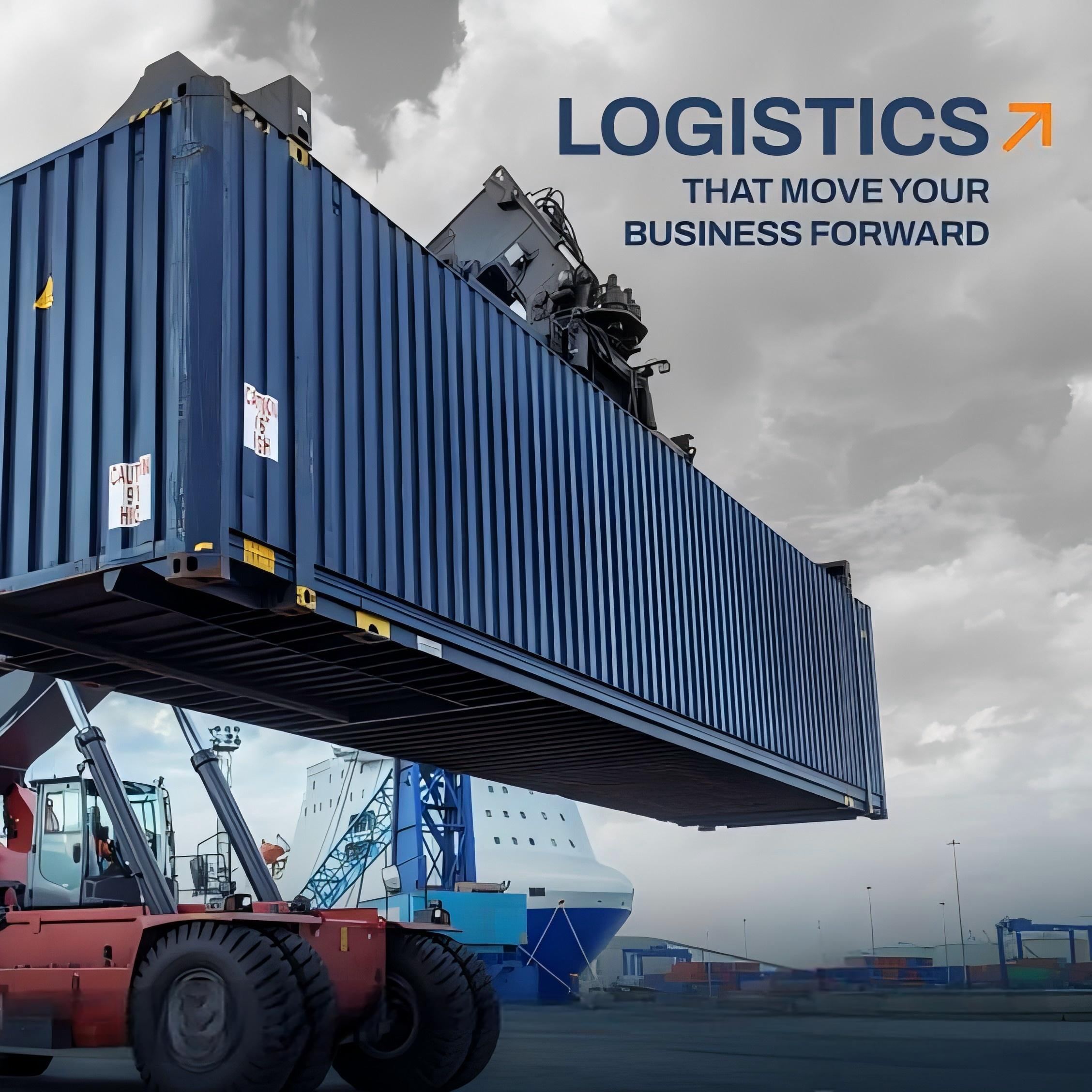
Choosing between an all-in quote and an itemized bill depends on the level of financial control required for your logistics operations. An all-in quote provides a single, predictable landed cost, which simplifies accounting and reduces the administrative burden of tracking multiple line items. However, this simplicity often masks the underlying costs of specific services, making it difficult to identify areas where savings could be achieved through process improvements or better planning.
Conversely, itemized billing offers granular visibility into every stage of the transit, from origin drayage and terminal handling to ocean freight and destination customs clearance. This structure allows importers to pinpoint exactly where costs are being generated, enabling more effective negotiations with logistics partners. While more complex, itemized billing is generally preferred for high-volume shippers who need to optimize their supply chain spend through data-driven decisions.
Regardless of the chosen structure, the quote must clearly differentiate between freight costs and local charges, such as document fees, port security, and fuel surcharges. It is vital to ensure that the quote includes all anticipated costs, including potential destination fees that might be invoiced locally. By requesting both an all-in summary and an itemized breakdown, shippers can compare the total value provided and ensure that no hidden costs have been excluded from the final agreement.
Field note: Requesting both quote formats helps identify potential discrepancies early.
Common mistake: Focusing only on the bottom-line price without verifying the inclusion of destination charges.
Risk alert: All-in quotes may exclude destination-side taxes or terminal handling charges.
What Transit Timeline Should You Expect?
The transit timeline for dangerous goods is inherently more volatile than that of general cargo due to the additional security checks and carrier pre-approvals required. For ocean freight, transit times are influenced by the necessity of booking space on vessels that are certified to carry specific hazard classes, which may limit frequency and availability. Consequently, shippers must build in a buffer of at least 5-10 days to account for potential delays in booking confirmation and terminal processing.
Air freight offers a faster alternative, but it is strictly regulated by IATA, with many DG categories restricted to cargo-only aircraft. Transit times for air shipments typically range from 3 to 7 days, but this is highly dependent on carrier capacity and the availability of specialized handling equipment at both the origin and destination airports. Importers should plan their procurement schedules around these constraints, ensuring that cargo is ready for pickup well before the planned export date.
To achieve the most reliable transit, shippers should focus on aligning their cargo-ready dates with the weekly vessel or flight schedules of their primary carriers. Consistent communication with the freight forwarder regarding any changes in production or scheduling is critical for adjusting transit plans in real-time. By monitoring the status of the shipment through the entire journey, importers can anticipate potential bottlenecks and make proactive adjustments to their delivery expectations.
| Milestone | Typical Window | Owner | Delay Risk if Missed |
|---|---|---|---|
| Origin pickup / CY gate-in | T-5 to T-2 days before ETD | Shipper / drayage | Rolled booking & demurrage at origin |
| Border / port arrival | Mode-specific ETA band | Carrier / broker | Detention & storage accrual |
| Customs release | 24–72h after arrival (mode-dependent) | Licensed broker | Terminal hold & delivery slip |
| Final delivery appointment | Within free-time window | Consignee / carrier | Driver detention & re-delivery fees |
Field note: Always add a 25% time buffer for any shipment involving hazardous materials.
Common mistake: Overestimating carrier capacity during peak shipping seasons.
Risk alert: Missing a single booking window can delay shipments by a full week.
How Are Landed Costs Typically Built?
Building a landed cost model requires a precise aggregation of all expenses from the point of ex-works to the final warehouse delivery. This model includes the base freight rate, origin charges, international transport, destination handling, and the critical components of customs duties and taxes. For dangerous goods, the cost structure is further complicated by the inclusion of specialized packaging, insurance premiums, and potential compliance audit fees that are not present in standard logistics.
The accuracy of your landed cost calculation directly impacts your profit margins and pricing strategy, making it vital to account for every potential variable. Importers should use a standardized template to track these costs for each shipment, allowing for the identification of trends and the benchmarking of performance against industry standards. By incorporating these details into their financial systems, businesses can maintain a competitive edge and ensure that their procurement is fiscally responsible.
Mitigating landed cost risk involves proactively managing the factors that lead to variability, such as currency fluctuations, fuel price changes, and regulatory shifts. Working with an experienced logistics provider allows for the utilization of consolidated shipping strategies that can reduce the per-unit cost of hazardous material handling. Through disciplined monitoring and strategic planning, importers can turn their logistics operations into a predictable and cost-effective component of their business strategy.
Field note: Include a 5-10% contingency fund in landed cost models for volatile surcharges.
Common mistake: Excluding insurance costs for high-value or hazardous cargo.
Risk alert: Inaccurate landed cost models can lead to significant budgetary shortfalls.
How Do Duty, GST/VAT, and Broker Fees Enter the True Landed Cost?
Customs duties and taxes are significant components of the landed cost, and their calculation is governed by the HS code and the valuation of the goods. For hazardous materials, the classification process is particularly important, as mislabeling can lead to incorrect duty assessments or, in severe cases, the rejection of the import entry. Importers must ensure that their customs broker has a clear understanding of both the trade regulations and the safety requirements associated with their specific cargo.
Broker fees are typically assessed per entry and may include additional costs for the processing of hazardous material declarations or administrative filings required by national agencies. It is essential to understand the fee structure of your customs broker and ensure that it covers all necessary filings for the destination country. Many companies choose to bundle these services with their freight shipping to streamline the process and reduce the administrative burden of managing multiple vendors.
Effective management of duties and taxes involves staying informed about changes in trade policy, such as duty exemptions or new regulatory filings. Importers should maintain detailed records of all import documentation to facilitate audits and ensure compliance with local tax authorities. By proactively managing these financial and regulatory obligations, businesses can avoid costly penalties and ensure the smooth flow of their supply chain from manufacturer to end consumer.
| Cost Component | Typical Assessment Base | Who Usually Pays | Planning Note |
|---|---|---|---|
| CIF / customs value | Goods value + freight + insurance (as declared) | Importer of record | Wrong valuation drives duty and VAT/GST miscalc |
| Import duty / tariff | % of customs value by HS chapter | Importer / DDP seller (by Incoterms) | Confirm HS binding before award |
| VAT / GST / sales tax | Duty-paid value (or local statutory base) | Importer / fiscal representative | Registration and reclaim rules vary by market |
| Customs broker / clearance fee | Per entry or per shipment band | Importer / nominating party | Separates from freight; exams add extras |
| Exam / storage / disbursement | Event-driven (exam, demurrage, advance) | Importer / broker client account | Often outside base ocean/truck quote |
Field note: Verify HS codes with a licensed broker to ensure accurate duty application.
Common mistake: Using generic HS codes that do not account for the specific nature of hazardous products.
Risk alert: Customs audits on hazardous goods are frequent and require meticulous documentation.
How Do Peak Seasons Affect Capacity and Pricing?
Peak shipping seasons, such as the period preceding major holidays, significantly tighten carrier capacity and drive up freight rates across all modes. For dangerous goods, this pressure is magnified because the number of vessels or aircraft certified to carry hazardous materials is limited. Shippers who do not book well in advance often find themselves competing for a dwindling supply of space, leading to steep price increases and a higher risk of shipment deferral.
During these times, carriers are more likely to prioritize general cargo that is easier to handle, leaving DG shippers with fewer options and longer wait times. To mitigate this, businesses should look to diversify their carrier relationships and explore multimodal shipping options that can bypass the most congested hubs. Strategic planning, including the pre-positioning of inventory, can help avoid the worst effects of peak season volatility and ensure that supply chains remain uninterrupted.
Maintaining flexibility in your shipping schedule is the best defense against peak season disruptions. Shippers should communicate early and often with their logistics partners, providing accurate forecasts of their shipping volumes to assist in capacity planning. While these periods are challenging, those who take a proactive approach to their logistics management can often secure the space they need at competitive rates, even when the market is under significant pressure.
Field note: Book hazardous cargo at least 4 weeks in advance during peak periods.
Common mistake: Waiting until the last minute to book during seasonal demand spikes.
Risk alert: Peak season surcharges can double standard shipping rates for hazardous materials.
What Is the Step-by-Step Process from Quote to Delivery?
The process from obtaining a quote to final delivery is a structured sequence that ensures safety and compliance at every handoff point. It begins with the submission of the cargo details and the receipt of an itemized quote from your logistics partner. Once the quote is accepted, the booking is confirmed with the carrier, and the necessary hazardous cargo declarations are filed to ensure that all parties in the supply chain are prepared to handle the goods safely.
After confirmation, the cargo is collected from the factory and transported to a specialized consolidation center where it is inspected for packaging integrity and labeling accuracy. Once the cargo is cleared for export, it is loaded onto the vessel or aircraft, and the shipping documents are prepared for the destination arrival. Throughout this transit, the shipment is tracked to ensure that any potential delays are identified early and that stakeholders are kept informed of the progress.
Upon arrival at the destination, the goods undergo a final customs clearance and are released for delivery to the final recipient. This final mile delivery often requires specialized transport, especially for hazardous goods that must be handled by certified drivers. By following this standardized process, importers can maintain control over their supply chain and ensure that their dangerous goods are handled with the necessary level of care and regulatory compliance.
Field note: Maintain a copy of all shipping documentation at each stage for easy reference.
Common mistake: Failing to verify the shipping marks on crates compared to the commercial invoice.
Risk alert: Errors in documentation at the point of origin lead to delays at the destination port.
Decision Framework
By volume: Under 2 CBM or 300 kg often fits express/parcel; 2–15 CBM is optimal for CFS LCL; above 15 CBM warrants evaluating a dedicated FCL buy-out.
By speed: Stockouts inside 5–7 days may require PVG/SZX air uplift; routine replenishment can run on 30+ day multimodal LCL/ocean schedules.
By cargo profile: Non-stackable or irregular freight needs crating and orientation flags; standard carton cargo must be palletized (ISPM-15 where required) for CFS stacking.
Real-World Corridor Case Studies
A consumer electronics shipper moved consumer electronics and accessories from Shanghai, China to Rotterdam on a scoped ocean lane. The forwarder locked battery/MSDS declarations, anti-static packing, and high-value cargo insurance before CY gate-in, aligned commercial invoice and packing list data with the carrier booking, and tracked destination release so demurrage clocks stayed inside negotiated free time.
A apparel & textiles shipper moved seasonal apparel and textile cartons from Ningbo, China to Hamburg on a scoped rail corridor. The forwarder locked volumetric billing on light cartons, moisture desiccants, and retail labeling before block-train departure, aligned commercial invoice and packing list data with the rail consignment note, and tracked terminal discharge so free-time clocks stayed inside negotiated windows.
Execution Blueprint: Optimizing Dangerous Goods
Executing dangerous goods shipments across multiple suppliers demands strict adherence to classification standards, CFS pallet integrity, and mode-mix discipline. By treating classification, packaging, and carrier pre-approval as core booking variables rather than afterthoughts, importers can significantly reduce their risk of invoice shocks and transit delays.
The complexity of these shipments requires a strategic partnership that prioritizes transparency and regulatory rigor. Whether you are moving small volumes of hazardous materials or managing large-scale, multi-supplier consolidations, a disciplined approach to landed cost calculation and documentation is the key to maintaining a competitive and reliable supply chain.
Process and Checkpoints
Cargo-Ready Profile Verification
Confirm supplier CRD, packing list accuracy, carton dimensions, gross weight, and HS codes.
CFS Inbound & Palletizing
Arrange factory pickup into the regional CFS; inspect shipping marks and pallet integrity.
Consolidation & Export Clearance
Merge supplier lots, verify commercial invoice alignment, and file consolidated export declaration.
Multimodal Mainhaul
Move freight on scheduled LCL ocean or air uplift per urgency and budget.
Destination CFS De-consolidation
Unpack the master move at destination CFS and sort individual buyer consignments.
Appointment Final-Mile Delivery
Book liftgate truck or courier delivery to commercial doors or fulfillment centers.
Confirm the right route for your shipment
Consolidating goods from multiple suppliers? Send your cargo-ready dates and CBM/weight specs for an itemized door-to-door consolidation plan.
Request a route reviewFrequently Asked Questions
Which export documentation must align before US AES or origin customs release?
Commercial invoice, packing list, HS codes, and Incoterms should match the physical load before AES filing and port gate-in.
How is chargeable weight calculated for air freight using the 1:167 ratio?
Airlines bill the greater of actual kg or volumetric kg (CBM × 167). Light bulky cargo often pays on volume.
What triggers a customs exam and who pays related fees?
Random or risk-based selection; importers typically pay exam, demurrage, and broker coordination fees.
What fuel and security surcharges sit outside the headline per-kg air rate?
FSC and SSC indexes, screening, and AWB fees commonly sit outside the base GCR and should be itemized.
How does HS code misclassification change the all-in duty line on imports?
Wrong HS chapters can raise duty rates materially and trigger amendments, exams, or bond issues.
What destination port accessorial fees often inflate ocean freight invoices?
Terminal handling, chassis splits, and congestion surcharges can sit outside headline ocean rates—review the accessorial schedule before gate-out.
Rates and surcharges fluctuate; request an itemized quote.
Informational only; not binding legal/tax/customs advice.
Benchmarks reflect standard 2026 practice for this corridor.