

Understanding Customs Intensive Examination Cargo: A Guide for 2026
Navigating the complexities of international trade requires deep knowledge of regulatory compliance. If your shipment is flagged for customs intensive examination cargo, it can lead to significant delays and added expenses. Visit Ai Logistics China to discover how our professional team simplifies your global logistics, ensuring your goods move smoothly through customs barriers.

What is Customs Intensive Examination Cargo?
Customs intensive examination cargo refers to shipments selected by authorities for a comprehensive physical inspection. Unlike standard document reviews, this process involves opening containers to verify the contents against your manifest.
Authorities typically perform these checks to ensure safety, security, and tax compliance. Consequently, your goods may be moved to a secure inspection site, which often results in extended dwell times and additional logistics fees.
Why Does My Cargo Get Selected for Inspection?
Several factors influence the likelihood of an intensive exam. For instance, incomplete documentation or inconsistent descriptions often trigger automated risk management systems.
Furthermore, shippers can reduce risks by utilizing professional customs brokerage services. We ensure your paperwork is accurate, which significantly decreases the chance of your cargo being held for manual verification.
How to Manage the Customs Intensive Examination Process
Preparation is essential when dealing with potential delays. First, ensure your commercial invoice and packing list are perfectly aligned with the actual physical contents of the shipment.
Additionally, consider the benefits of our door to door shipping solutions. By managing the entire supply chain, we can proactively address documentation flags before they escalate into full examinations.
Finally, maintain clear communication with your logistics partner. If an exam is mandated, quick responses regarding cargo details can save valuable time and minimize storage penalties.
Comparing Shipping Methods for Better Compliance
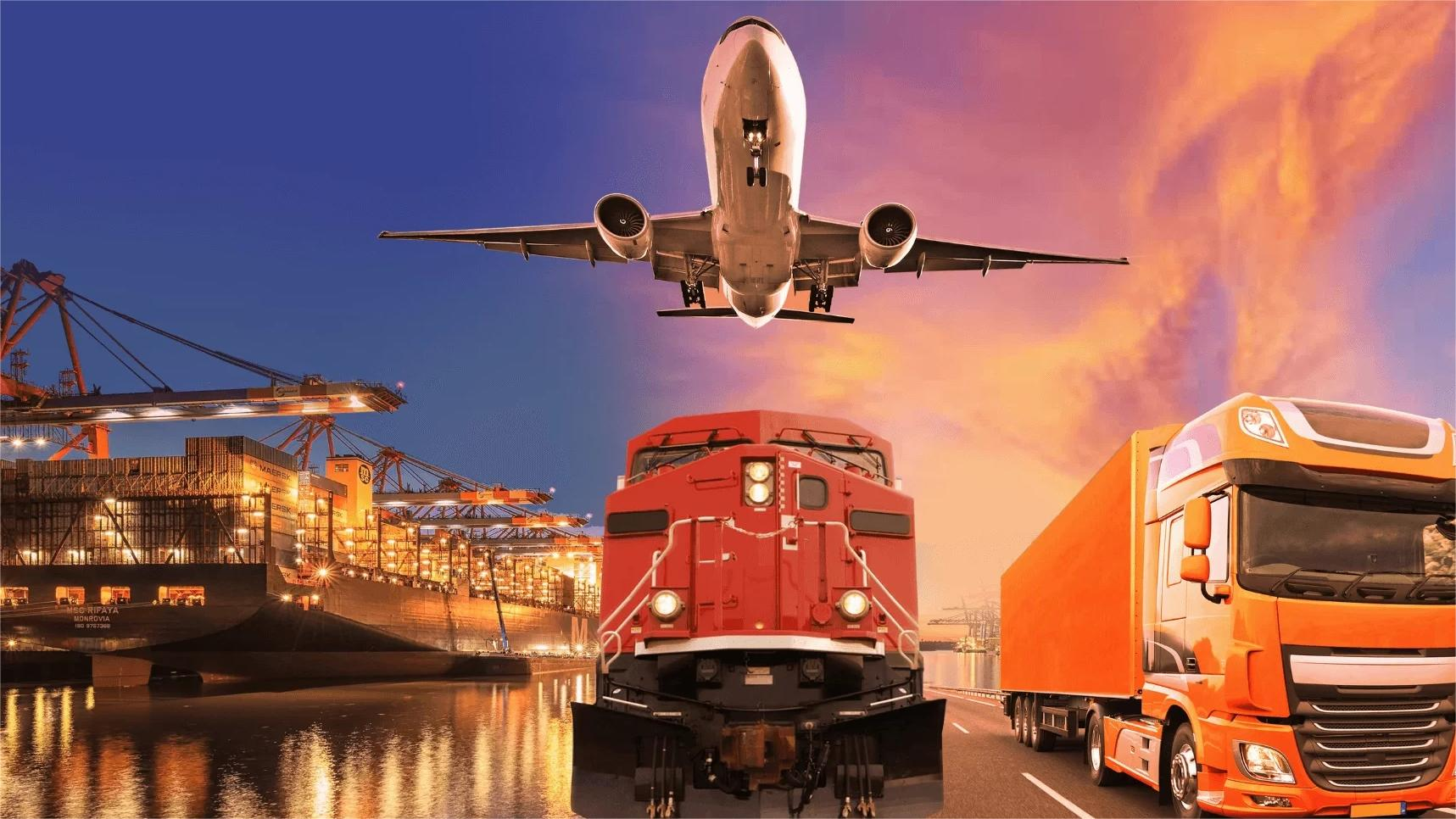
Choosing the right transport method impacts how your goods are handled. Whether you opt for sea freight, air freight, or rail freight, each mode has unique customs requirements.
The following table provides a comparison to help you understand the variables involved in your logistics strategy.
| Method | Cost Range | Transit Time | Best For |
|---|---|---|---|
| Sea | Economy | Long | Bulk Goods |
| Air | High | Short | Urgent Items |
| Rail | Moderate | Medium | Eurasia Trade |
Mastering Customs Compliance
Successfully navigating customs intensive examination cargo is possible with the right preparation and documentation. By understanding the risks and working with experienced partners, you can keep your supply chain moving efficiently throughout 2026.
Reliable logistics support is the key to avoiding unnecessary costs and delays. We are here to help you manage every aspect of your international shipments.
Need a tailored shipping solution?
Are you struggling with customs documentation or worried about inspection delays? Contact our expert team today to streamline your shipping process and secure your supply chain. Send Inquiry