

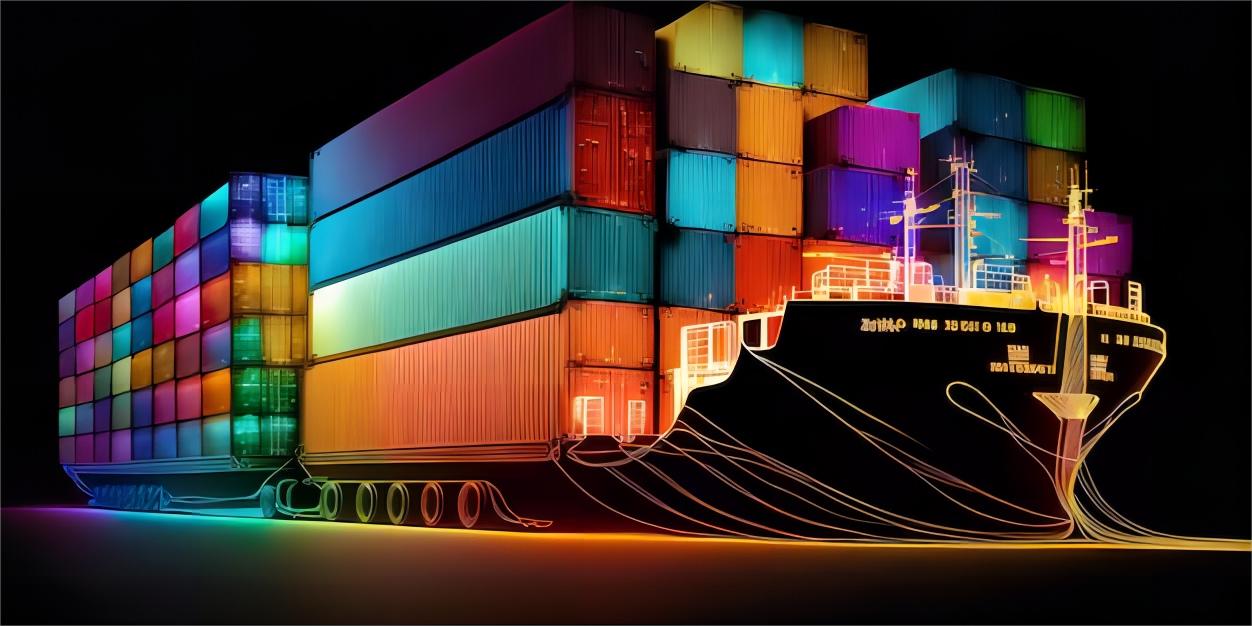
Sea Freight from China to Australia: The 2026 Logistics Guide
Navigating sea freight from China to Australia requires a deep understanding of global supply chain dynamics to ensure your cargo arrives on schedule. If you are looking for a reliable partner to manage your logistics, visit Ai Logistics China to explore our comprehensive solutions. By optimizing your shipping routes today, you can mitigate common delays and reduce unnecessary expenditure.
✦
Understanding Sea Freight from China to Australia
Shipping goods across the ocean remains the most cost-effective method for large-scale international trade. When planning sea freight from China to Australia, businesses must account for varying transit times and port congestion levels.
Furthermore, choosing the right service provider ensures that your goods are handled with care from the factory floor to the final destination. You can learn more about our specific sea freight options to see how we streamline this process.
Key Logistics Services for Importers
Efficient supply chain management often requires more than just port-to-port shipping. For instance, utilizing door to door services allows businesses to bypass complex local transport coordination.
Additionally, navigating international regulations is simplified by using professional customs brokerage services. These experts ensure your documentation is compliant, thereby preventing costly border delays.
For those managing high-velocity inventory, exploring express service alternatives can be beneficial during peak demand seasons. Meanwhile, e-commerce sellers should consider Amazon FBA integration to automate their fulfillment cycles.
| Method | Cost | Transit Time | Best For |
|---|---|---|---|
| Sea Freight | Low | 12-18 days | Large Volume |
| Air Freight | High | 3-5 days | Urgent Goods |
| Express | Premium | 2-4 days | Small Parcels |
How Does Sea Freight Compare to Other Shipping Options?
When comparing transit methods, sea freight stands out for its affordability despite longer lead times. In contrast, air freight offers unmatched speed but at a significantly higher price point per kilogram.
To maximize efficiency, many importers adopt a hybrid strategy. For example, they may ship bulk inventory via sea while air-freighting smaller restock orders to maintain supply chain continuity.
| Feature | Sea Freight | Air Freight | Hybrid |
|---|---|---|---|
| Cost | Economy | Premium | Moderate |
| Speed | Slow | Fast | Balanced |
| Reliability | High | Very High | High |

Realistic Case Studies: 2026 Market Insights
Case Study 1: Electronics Distribution. Route: Shenzhen to Sydney. Cargo: 20 CBM consumer electronics. Shipping Method: LCL. Total Cost: $2,400. Transit Time: 16 days. Insight: Consolidating cargo reduced overall landed costs by 15 percent.
Case Study 2: Industrial Machinery. Route: Shanghai to Melbourne. Cargo: 1x 40HQ container. Shipping Method: FCL. Total Cost: $1,650. Transit Time: 14 days. Insight: Direct routing minimized port handling risks during the Q1 peak season.
Summary of Success
To summarize, successful sea freight from China to Australia depends on proactive planning and the selection of reliable logistics partners. By understanding the nuances of transit times and customs requirements, you can maintain a competitive edge in your market.
As of early 2026, market rates have stabilized, providing a perfect window for businesses to secure long-term shipping contracts.